

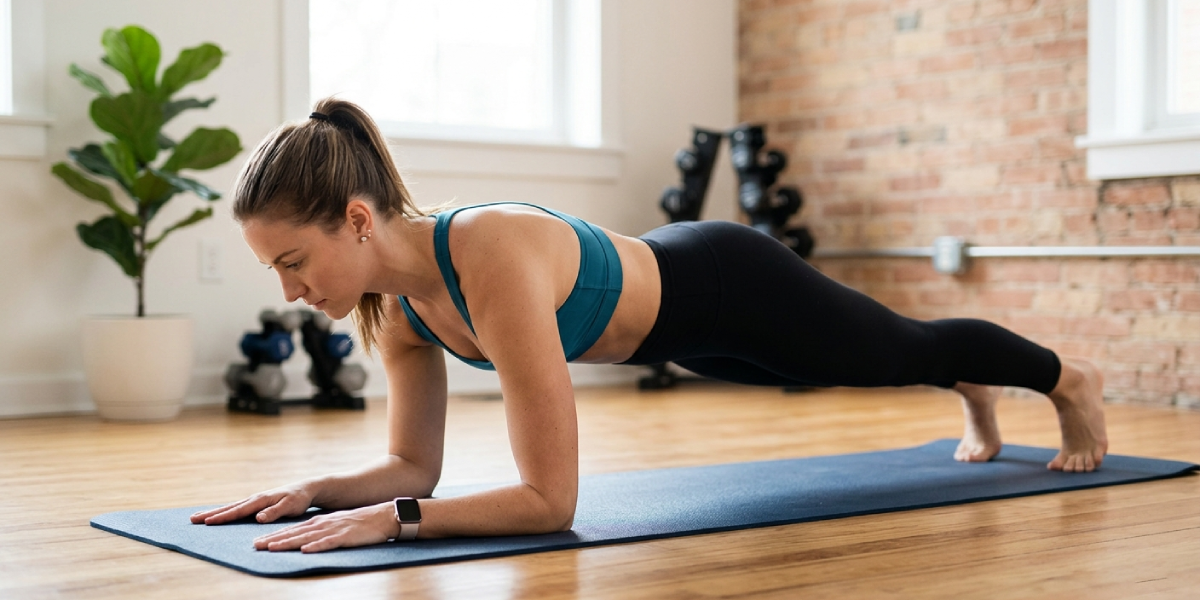
The plank exercise remains one of the most effective and accessible movements for building core strength, and it requires nothing but your body weight and a small amount of floor space. Whether you are just starting your fitness journey or looking to refine your technique, mastering the plank exercise can transform your core stability, improve your posture, and enhance your overall physical performance.
This comprehensive guide will walk you through everything you need to know about performing the plank exercise correctly, progressing safely, and avoiding the mistakes that undermine results.
Understanding the Plank Exercise and Its Benefits
The plank exercise is an isometric movement that involves holding your body in a straight line, supported only by your forearms and toes. Unlike dynamic exercises that involve movement, the plank exercise works by maintaining tension in your muscles throughout the duration of the hold.
This static contraction activates your core stabilizer muscles in ways that traditional crunches and sit-ups simply cannot match.
The primary benefit of the plank exercise is its ability to engage multiple muscle groups simultaneously. Your rectus abdominis, transverse abdominis, internal and external obliques all activate during the plank exercise. Additionally, your shoulders, back, and legs work to maintain proper alignment.
This comprehensive muscle engagement makes the plank exercise exceptionally efficient for building functional core strength that translates to everyday activities and athletic performance.
Beyond muscle strength, the plank exercise offers postural benefits. Many people spend hours sitting at desks, which weakens core muscles and leads to poor posture. Incorporating the plank exercise into your routine counteracts these effects by strengthening the muscles responsible for spinal alignment.
Over time, consistent plank exercise practice can reduce back pain and improve your standing posture.
Proper Form for the Basic Plank Exercise
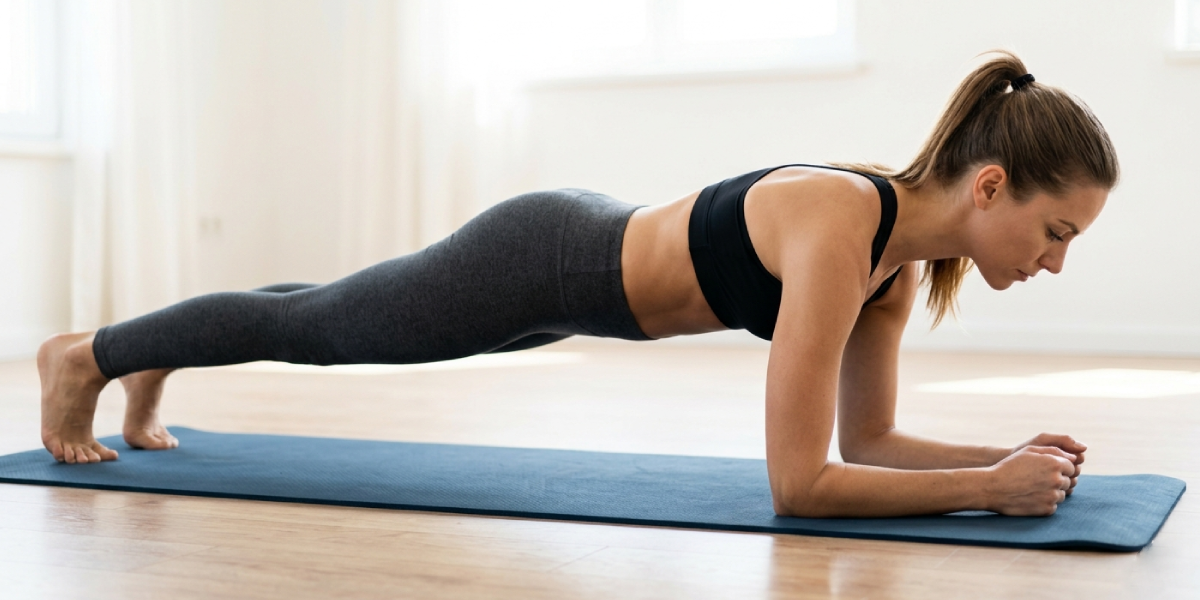
Correct form is absolutely critical when performing the plank exercise. Poor technique not only reduces the effectiveness of the movement but can also lead to injury. Follow these steps to execute the plank exercise with proper form:
Starting Position: Begin by lying face down on the floor. Place your forearms on the ground with your elbows directly beneath your shoulders. Your forearms should be parallel to each other and point straight ahead. Position your feet hip-width apart with your toes tucked under your feet.
Body Alignment: Push through your forearms and toes to lift your body off the ground. Your body should form a straight line from your head to your heels. This alignment is fundamental to the plank exercise because it ensures that your core muscles are working optimally.
Your head should remain in a neutral position, meaning you should look directly down at the floor, not ahead or up.
Core Engagement: Once you are in the plank exercise position, actively engage your core by pulling your navel toward your spine. This engagement protects your lower back and increases the intensity of the plank exercise. Imagine bracing your core as if you are about to be punched in the stomach.
Breathing: Many people make the mistake of holding their breath during the plank exercise. Instead, maintain steady, controlled breathing throughout the hold. Inhale through your nose and exhale through your mouth in a continuous pattern. This consistent breathing keeps your muscles oxygenated and prevents unnecessary tension.
Duration: Beginners should aim to hold the plank exercise for 20 to 30 seconds initially. As your strength improves, gradually increase the duration by 5 to 10 seconds at a time. Working toward a 60 to 90 second hold is an excellent goal for building solid core strength through the plank exercise.
Common Mistakes to Avoid in the Plank Exercise
Even though the plank exercise appears simple, many people perform it incorrectly. Understanding these common errors will help you maximize results and prevent injury.
Sagging Hips: One of the most frequent mistakes during the plank exercise is allowing your hips to sag toward the floor. When your hips drop, your lower back arches excessively, placing stress on your lumbar spine and reducing core engagement.
To prevent this, continuously monitor your body alignment and engage your glutes to maintain a straight line from head to heels.
Elevated Hips: Conversely, some people raise their hips too high during the plank exercise, creating an inverted V shape. This position reduces the workload on your core and shifts emphasis to your shoulders. Remember that the plank exercise requires a flat, neutral body position.
Neck Strain: Looking forward or upward during the plank exercise strains your neck and disrupts spinal alignment. Keep your head neutral by looking down at the floor about 12 inches in front of your hands.
Inconsistent Breathing: Holding your breath during the plank exercise increases intracranial pressure and reduces exercise quality. Practice maintaining a steady breathing rhythm throughout your hold.
Rushing Progression: Attempting advanced variations of the plank exercise before mastering the basic version often leads to poor form and injury. Progress gradually and only move to advanced versions once you can comfortably hold a basic plank exercise for 90 seconds with perfect form.
Progressive Plank Exercise Variations
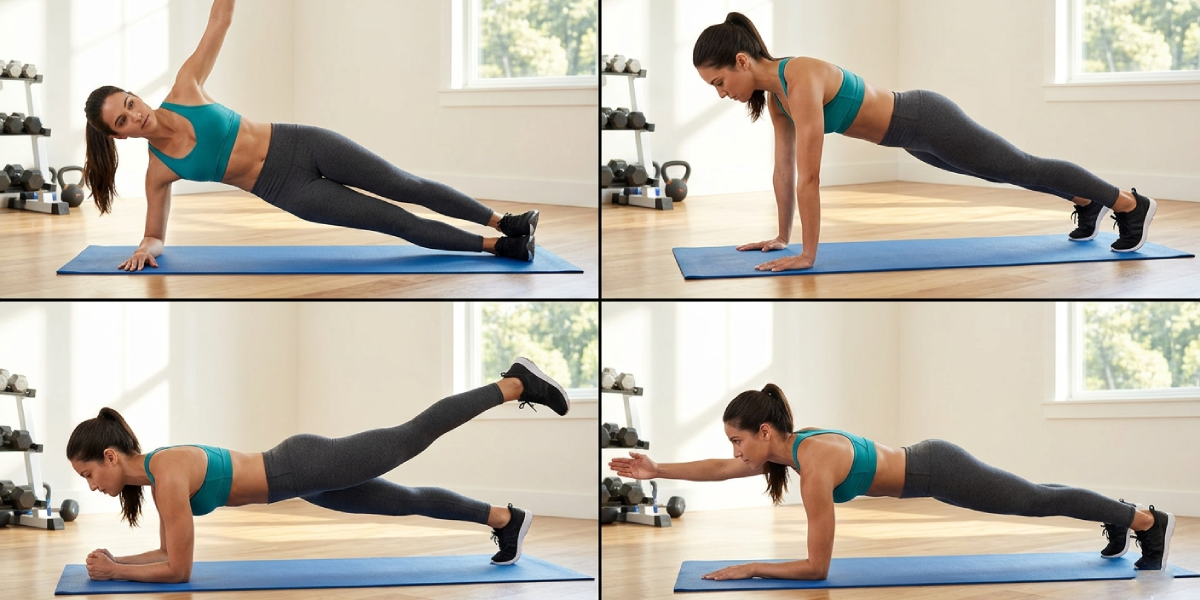
Once you have mastered the fundamental plank exercise, you can progress to more challenging variations that continue to build core strength and prevent adaptation plateaus.
High Plank (Push-Up Position Plank): Instead of resting on your forearms, support your body weight on your hands with your arms fully extended. This variation increases the challenge significantly and activates your chest and triceps in addition to your core. The high plank exercise requires greater shoulder stability than the forearm plank.
Side Plank Exercise: Lie on your side with one forearm on the ground, elbow beneath your shoulder. Stack your feet or stagger them for added stability. Lift your hips to form a straight line from head to feet. The side plank exercise intensely targets your obliques and is excellent for addressing lateral core weakness. Hold for 20 to 45 seconds on each side.
Plank Exercise with Leg Lift: Starting in a standard plank exercise position, slowly lift one leg off the ground while maintaining your body alignment. Hold for a few seconds, then lower and repeat on the other side. This variation adds instability and forces your core to work harder to maintain proper positioning.
The plank exercise with leg lifts also engages your glutes more intensely.
Plank Exercise with Arm Reach: From a standard plank exercise position, slowly extend one arm forward, pointing your hand ahead while maintaining core stability. Return to start and repeat on the opposite side. This variation challenges your balance and stability while increasing the demand on your deep core muscles.
Moving Plank Exercise: Begin in a high plank exercise position and perform a push-up, then return to a forearm plank. This dynamic plank exercise combines strength and core stability work, making it significantly more demanding.
Incorporating Plank Exercise into Your Training Routine
To maximize the benefits of the plank exercise, you need a strategic approach to incorporating it into your overall training plan. Most fitness experts recommend performing plank exercises two to four times per week, allowing at least one rest day between sessions to permit muscle recovery.
You can structure your plank exercise sessions in several ways. Some people prefer dedicated core training days where they perform multiple plank exercise variations and other core movements. Others integrate plank exercises into their warm-up routine or perform them at the end of strength training sessions.
Find an approach that fits your schedule and allows you to maintain consistency.
When building your plank exercise routine, consider pairing it with complementary movements. Exercises that strengthen your back, glutes, and hip flexors work synergistically with plank exercises to create a balanced, functional core.
For guidance on comprehensive fitness planning, explore resources related to exercises and fitness training to understand how different movements complement each other.
For those interested in understanding how core strength relates to overall health metrics, resources about health and fitness assessments can provide additional context on why core strength matters for your overall wellness.
Nutrition and Recovery for Core Strength Development
Building core strength through plank exercises requires more than just performing the movements correctly. Proper nutrition and recovery play equally important roles in your progress. Your muscles need adequate protein to repair and grow stronger after workouts. Aim for 1.6 to 2.2 grams of protein per kilogram of body weight daily if you are actively training.
Carbohydrates fuel your workouts and replenish glycogen stores, while healthy fats support hormone production and inflammation management. Hydration is equally critical because your muscles require proper fluid balance to function optimally.
Drinking sufficient water throughout the day, particularly around your training sessions, supports both performance and recovery.
Sleep is perhaps the most underrated component of fitness progress. During sleep, your body releases growth hormone and completes muscle protein synthesis. Aim for 7 to 9 hours of quality sleep nightly to support your core strength development.
Safety Considerations and When to Seek Professional Guidance
While the plank exercise is generally safe for most people, certain populations should approach it cautiously. If you have existing lower back issues, herniated discs, or shoulder injuries, consult a healthcare provider or certified fitness professional before beginning a plank exercise routine.
They can modify the movement to suit your specific situation or recommend alternative exercises if the plank exercise is contraindicated.
Pregnant individuals should discuss plank exercises with their healthcare provider. Some variations may be appropriate during certain trimesters, but others should be avoided to prevent abdominal separation or excessive strain.
During the plank exercise, stop immediately if you experience sharp pain. Muscle fatigue and mild discomfort are normal, but pain signals that something is wrong. Never push through pain, as this can lead to serious injury.
Tracking Progress and Setting Plank Exercise Goals
Monitoring your progress with plank exercises maintains motivation and ensures you are consistently challenging yourself. Keep a simple training log noting the hold duration, any variations performed, and how the exercise felt. Over weeks and months, you will see clear evidence of improving strength and endurance.
Set specific, measurable goals for your plank exercise practice. Instead of vague intentions like “get stronger,” establish concrete targets such as “hold a plank exercise for 2 minutes,” “perform 3 sets of 60 second planks,” or “master the side plank exercise variation.”
These specific goals provide clear direction and make it easier to assess when you have achieved them.
Remember that progress is not always linear. Some weeks you might feel stronger than others due to sleep, stress, nutrition, and training volume. This is completely normal. Focus on consistent practice rather than daily performance fluctuations.
Frequently Asked Questions
How long should I hold a plank exercise to see results?
You can begin seeing results from plank exercises within 2 to 3 weeks of consistent practice, even with holds as short as 20 to 30 seconds. However, to develop significant core strength, aim to gradually increase your hold duration to at least 60 seconds. Most people experience noticeable improvements in core stability and posture after 4 to 6 weeks of regular plank exercise training.
Can the plank exercise reduce belly fat?
The plank exercise strengthens core muscles but does not directly reduce belly fat. Fat loss occurs through a caloric deficit created by diet and overall physical activity. However, plank exercises build muscle tissue that increases your resting metabolic rate, supporting fat loss when combined with proper nutrition and cardiovascular training.
Is it better to do a plank exercise for longer duration or multiple shorter sets?
Both approaches are effective, and the best choice depends on your current fitness level and goals. Beginners should perform multiple shorter sets with proper form rather than attempt long holds with compromised technique. As you progress, longer single holds provide excellent training stimulus. Many people benefit from a combination approach, mixing both longer holds and multiple shorter sets throughout their training week.
How often should I do plank exercises per week?
Perform plank exercises two to four times per week to allow adequate recovery between sessions. This frequency provides sufficient stimulus for strength development while preventing overtraining. If you are new to plank exercises, start with 2 times per week and progress to 3 to 4 times per week as your fitness improves.
Why do my shoulders hurt when I do a high plank exercise?
Shoulder pain during high plank exercises usually indicates improper form or shoulder weakness. Ensure your hands are directly beneath your shoulders, not too far forward or back. If pain persists, return to forearm plank exercises until your shoulders become stronger. Additionally, incorporate shoulder strengthening exercises into your routine to build stability.
Can I do plank exercises if I have lower back pain?
Many people with lower back pain can safely perform plank exercises, as the movement strengthens stabilizer muscles that protect the spine. However, if you have acute pain, herniated discs, or diagnosed back conditions, consult your healthcare provider before beginning. Start with shorter holds and ensure your hips do not sag, which exacerbates lower back strain.
What is the difference between a plank exercise and a hollow body hold?
A hollow body hold is similar to a plank exercise but emphasizes full body tension with a slight posterior pelvic tilt, pulling your pelvis under slightly. This creates maximum core engagement. A standard plank exercise maintains a neutral spine position. Both are effective, but the hollow body hold is more advanced and more intense for core activation.
How do I know if my plank exercise form is correct?
Ask someone to observe your form and ensure your body creates a straight line from head to heels with no sagging or elevated hips. You can also film yourself from the side to assess your alignment. Your core should feel engaged and working, your shoulders should feel stable, and your neck should be neutral. If you feel pain in your lower back or neck, your form likely needs adjustment.
Should I warm up before doing plank exercises?
Yes, always warm up before performing plank exercises. Spend 5 to 10 minutes doing light cardio such as jogging or jumping jacks, followed by dynamic stretches targeting your shoulders, spine, and hips. A proper warm-up increases your heart rate and prepares your muscles and joints for exercise.
Can children do plank exercises?
Children can perform simplified plank exercises as part of a fun fitness routine. However, their form and duration should be age-appropriate. Young children should focus on short holds of 10 to 20 seconds with adult supervision. Plank exercises can be an excellent introduction to core strength training for active children and adolescents.