

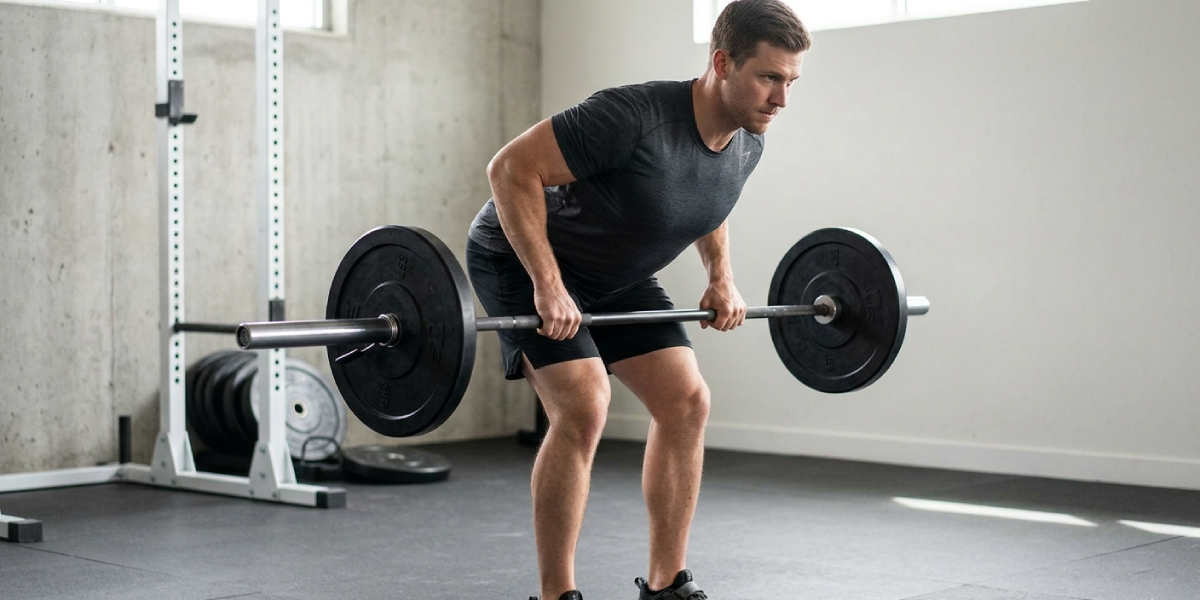
The rows exercise is one of the most effective movements you can add to your training routine for building a stronger back and correcting poor posture. Whether you are a beginner stepping into the gym for the first time or an experienced lifter looking to refine your technique, understanding how to perform rows correctly will unlock significant gains in upper body strength, spinal health, and functional movement.
Back training is often underestimated. Many people focus on pushing movements like bench press and shoulder press while neglecting the pulling muscles that stabilize the spine and keep the shoulders healthy.
Rows directly target those neglected muscles, making them essential for anyone who sits at a desk, carries a heavy bag, or simply wants to move better and feel less pain in daily life.
What Is the Rows Exercise?
A row is a pulling movement in which you draw a weight toward your torso while keeping your spine neutral. The motion mimics the action of pulling a boat oar, and it trains the muscles responsible for retracting and depressing the shoulder blades. This makes rows one of the cornerstone exercises in any well-rounded strength or rehabilitation program.
Rows can be performed with a barbell, dumbbells, a cable machine, resistance bands, or even your own bodyweight using a suspension trainer. Each variation offers a slightly different stimulus, but all share the same fundamental movement pattern and muscle activation.
Primary Muscles Worked During Rows
Understanding which muscles a rowing movement targets helps you appreciate why it belongs in virtually every training program. The primary muscles activated include:
- Latissimus dorsi: The broad, wing-shaped muscles of the mid and lower back that give the back its V-taper appearance.
- Rhomboids: The muscles between the shoulder blades responsible for retracting the scapulae and maintaining an upright, open-chested posture.
- Trapezius (mid and lower): The trapezoidal muscle of the upper back that stabilizes and controls the shoulder blades throughout the movement.
- Rear deltoids: The posterior portion of the shoulder muscles that assist in pulling the arm back and support shoulder joint health.
- Biceps brachii: The front of the upper arm, which acts as a secondary mover by flexing the elbow during the pull.
- Erector spinae: The muscles running along the spine that work as stabilizers to keep your torso from rounding forward under load.
Together, these muscles form the foundation of a healthy, injury-resistant upper body. Consistent rowing also helps counteract the forward-rounded posture that results from prolonged sitting, making it a powerful tool for overall health and spinal well-being.
Types of Rows Exercise and When to Use Each
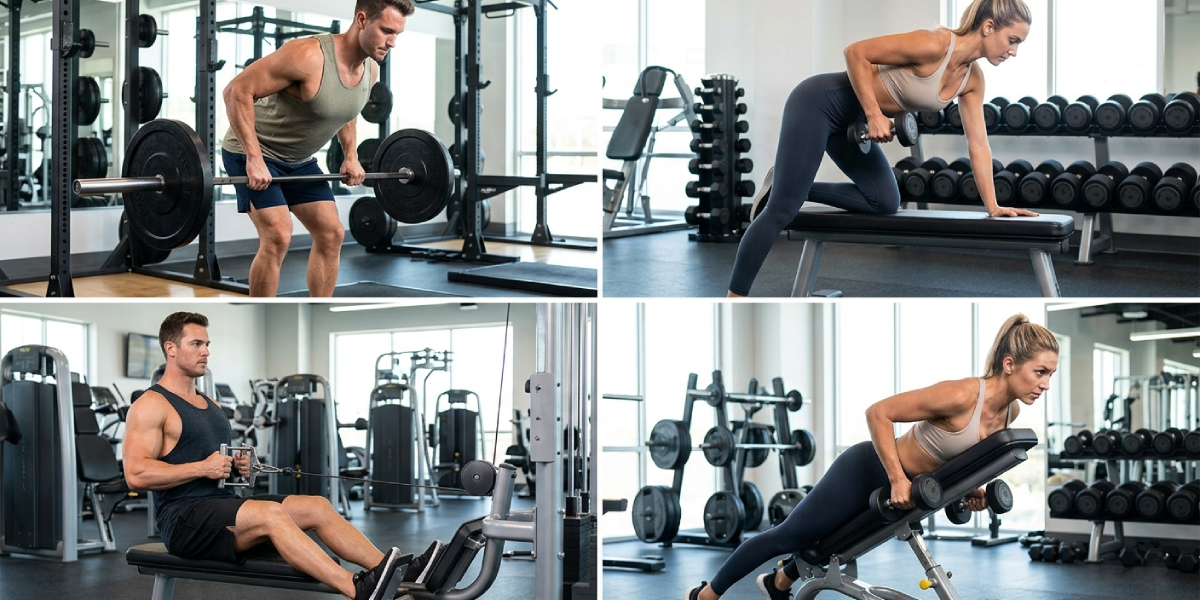
Bent-Over Barbell Row
The bent-over barbell row is considered the king of all rowing variations for building raw back thickness and mass. You hold a barbell with an overhand or underhand grip, hinge at the hips until your torso is roughly parallel to the floor, and pull the bar toward your lower ribcage.
This is a compound movement that also engages the hamstrings, glutes, and lower back as stabilizers, making it highly efficient for total posterior chain development.
Dumbbell Single-Arm Row
The single-arm dumbbell row is excellent for correcting left-to-right strength imbalances and allowing a greater range of motion than a barbell. You brace one hand and knee on a flat bench, keep your back flat, and pull the dumbbell from a hanging position up toward your hip. This variation is beginner-friendly and allows you to focus fully on each side of the back independently.
Seated Cable Row
The seated cable row uses a cable machine with a low pulley and a handle attachment. Because the cable maintains constant tension throughout the movement, the muscles are loaded during both the pulling and releasing phases. This makes it particularly effective for muscle hypertrophy and is a favorite for those recovering from injury because it allows controlled, smooth resistance.
Chest-Supported Row
The chest-supported row, performed on an incline bench, takes the lower back and hamstrings almost entirely out of the equation. Your chest rests on a padded bench, eliminating the opportunity to use momentum or body swing. This strict variation is ideal for athletes who want to isolate the mid and upper back muscles or those who experience lower back fatigue during other rowing variations.
Inverted Bodyweight Row
Also known as the Australian pull-up, the inverted row uses a bar set at hip height. You lie beneath it, grip the bar with an overhand grip, and pull your chest up to meet it while keeping your body in a straight line. This bodyweight option requires no equipment beyond a sturdy bar and is perfect for building foundational pulling strength before progressing to loaded variations.
How to Do the Rows Exercise with Perfect Form
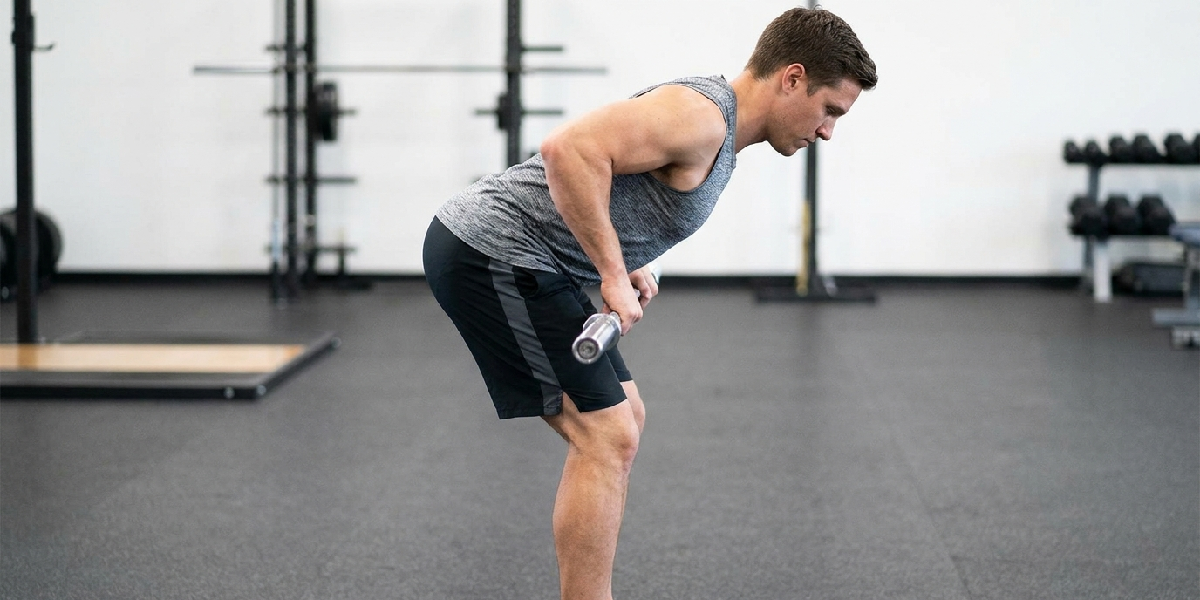
The steps below describe the bent-over barbell row, the most widely used and transferable version of the movement. The principles apply to most other rowing variations as well.
Step 1: Set Up Your Stance
Stand with your feet hip-width apart, toes pointing slightly outward. Position the barbell over your mid-foot just as you would for a deadlift setup. Grip the bar just outside shoulder width with an overhand (pronated) grip. A shoulder-width stance provides stability without restricting hip movement.
Step 2: Hinge at the Hips
Push your hips back and bend your torso forward until it forms a roughly 45 to 90-degree angle with the floor, depending on your goals. A more horizontal torso activates the mid-back more intensely, while a more upright angle shifts the emphasis toward the upper traps and rear delts. Keep your knees soft, never locked, and your spine in a neutral position with a natural arch in the lower back.
Step 3: Create Full Body Tension
Before you pull, take a deep breath and brace your core as if you are about to absorb a punch. Retract your shoulder blades slightly to set the upper back and avoid the bar drifting too far from your body. Your neck should remain neutral — do not crane it upward or tuck it excessively downward.
Step 4: Pull the Bar to Your Lower Ribs
Drive your elbows back and upward, leading the movement with the elbows rather than the hands. Pull the bar to your lower chest or navel area, depending on your grip and torso angle. At the top of the movement, squeeze your shoulder blades together firmly for one second to maximize muscle activation in the rhomboids and mid-traps.
Step 5: Lower with Control
Resist the urge to drop the bar back down quickly. Lower it in a controlled manner over approximately two to three seconds, allowing the lats and upper back muscles to elongate under load. This eccentric phase is where a significant portion of muscle development occurs and is often neglected by lifters who use excessive weight.
Common Mistakes to Avoid When Doing Rows
Even experienced lifters make technical errors with rows that reduce effectiveness and increase injury risk. Being aware of these pitfalls is just as important as mastering correct technique.
- Rounding the lower back: This is the most dangerous error. A rounded lumbar spine under a loaded barbell places enormous shear force on the vertebral discs. Always maintain a neutral spine.
- Using too much momentum: Jerking the body or using a hip-extension thrust to initiate each rep shifts work away from the target muscles and onto the spinal erectors and legs. Keep the movement deliberate.
- Pulling too high: Pulling the bar toward the upper chest or neck rather than the lower ribs places undue stress on the shoulder joints and reduces lat activation.
- Letting the elbows flare wide: Wide elbows shift the focus from the lats and mid-back to the rear delts. Keep the elbows at roughly 45 degrees from the body for balanced muscle recruitment.
- Neglecting the squeeze at the top: Stopping short without fully contracting the shoulder blades cheats you out of the full benefit of each repetition.
Rows Exercise Variations Comparison
| Variation | Primary Target | Difficulty Level | Best For |
|---|---|---|---|
| Bent-Over Barbell Row | Lats, rhomboids, mid-trap | Intermediate | Overall back mass and strength |
| Single-Arm Dumbbell Row | Lats, lower traps | Beginner–Intermediate | Correcting imbalances, range of motion |
| Seated Cable Row | Mid-back, biceps | Beginner | Hypertrophy, rehabilitation |
| Chest-Supported Row | Mid and upper back | Beginner–Intermediate | Strict isolation, lower back relief |
| Inverted Bodyweight Row | Upper back, rear delts | Beginner | Foundational pulling strength |
| T-Bar Row | Lats, mid-traps, rhomboids | Intermediate | Thickness and grip strength |
How to Program Rows in Your Training Routine
Rows should appear in your program at least twice per week for optimal results. Because they are compound movements, they pair naturally on back-focused days or pull days in a push-pull-legs split.
A practical guideline for most people is to perform three to four sets of eight to twelve repetitions per session for hypertrophy, or four to six sets of four to six reps with heavier weight for strength development.
Beginners should start with lighter weights and prioritize technique over load. Using our BMI calculator can help you understand your starting point and set appropriate fitness goals that complement your back training.
Progress by adding small increments of weight (2.5 to 5 kg per side) once you can complete all sets with flawless form and no compensations.
More advanced trainees may benefit from periodization, alternating between phases that emphasize volume and phases that emphasize heavier loading. Including multiple rowing variations within a training cycle also ensures that all angles of back development are addressed and reduces the risk of overuse injuries.
How Rows Improve Posture
Poor posture is one of the most widespread physical complaints of modern life, largely driven by hours spent hunched over computers, phones, and steering wheels. This forward-rounded position stretches and weakens the muscles of the upper back while shortening and tightening the chest and front shoulder muscles. Rows directly address this imbalance.
By strengthening the rhomboids, mid-trapezius, and rear deltoids, rows actively pull the shoulder blades back and down into their proper position. Over time, a consistent rowing practice re-educates the postural muscles to maintain this position even when you are not actively exercising.
Many physical therapists and sports medicine professionals recommend rowing movements as part of rehabilitation and postural correction programs for exactly this reason.
Pairing rows with chest-opening stretches such as doorway stretches and thoracic spine mobilization exercises further accelerates postural improvement. The combination of strengthening what is weak and lengthening what is tight is the most effective strategy for lasting postural change.
Safety Tips and Injury Prevention
Rowing is generally a safe exercise when performed correctly, but a few precautions go a long way toward keeping you training consistently and injury-free.
- Always warm up the thoracic spine and shoulder joints with mobility work before loading the barbell.
- Never sacrifice form for weight. If you cannot maintain a neutral spine throughout the set, reduce the load immediately.
- If you experience sharp pain in the lower back, shoulder, or elbow, stop the exercise and consult a qualified healthcare professional or physiotherapist before continuing.
- Use chalk or straps if grip fatigue is causing you to lose control of the bar before your back muscles are fully fatigued.
- Avoid training rows to failure when the back is already fatigued from earlier exercises in the session, as this greatly increases the risk of form breakdown and injury.
Frequently Asked Questions
How often should I do rows exercise each week?
Most people benefit from performing rows two to three times per week, allowing at least 48 hours of recovery between sessions that heavily target the same muscle groups. Beginners can start with two sessions per week and progress from there as recovery improves.
Can rows exercise replace pull-ups for back development?
Rows and pull-ups complement each other rather than replace one another. Pull-ups emphasize vertical pulling and target the lats with a strong stretch at the bottom, while rows emphasize horizontal pulling and develop mid-back thickness. Ideally, a complete back program includes both movements.
What grip should I use for rows — overhand or underhand?
An overhand (pronated) grip places more emphasis on the upper back, rear delts, and traps. An underhand (supinated) grip shifts more of the work toward the lower lats and biceps. Both grips are valuable, and alternating between them across different sessions provides well-rounded development.
Is the rows exercise safe for people with lower back problems?
For many people with lower back issues, chest-supported rows or seated cable rows are safer alternatives to bent-over rows because they eliminate the strain of holding the torso in a hinged position under load. However, anyone with a pre-existing back condition should consult a physiotherapist or physician before beginning any rowing program.
How much weight should I start with for rows?
Start light enough that you can perform every rep with perfect form for all sets. For most beginners, an empty barbell or light dumbbells are sufficient to practice technique. The priority in early training is mastering the movement pattern, not lifting heavy.
Do rows help reduce back pain?
Yes, in many cases. Strengthening the muscles that support the spine — particularly the rhomboids, mid-traps, and erector spinae — can reduce chronic upper and mid-back pain caused by postural weakness. However, acute or severe back pain should always be evaluated by a medical professional before beginning any exercise program.
What is the difference between a row and a pull-down exercise?
A row is a horizontal pulling movement in which you pull weight toward your torso from in front of or below you. A pull-down, such as a lat pulldown, is a vertical pulling movement in which you pull weight from above your head downward. Both target the lats but from different angles and with different emphasis on secondary muscles.
Should I use a weight belt when doing heavy barbell rows?
A belt can provide additional intra-abdominal pressure support during very heavy rowing sets, but it should not replace proper bracing technique. Most lifters only need a belt at near-maximal intensities. For moderate training weights, learning to brace effectively without equipment is more beneficial for long-term core and back development.
Can I do rows if I am a complete beginner?
Absolutely. The inverted bodyweight row and seated cable row are both highly beginner-friendly versions that allow you to learn the movement pattern with minimal load. Starting with these variations and progressing to dumbbell or barbell rows over several weeks is a sensible and safe approach.
How long does it take to see results from rows exercise?
Noticeable improvements in back strength and endurance typically appear within four to six weeks of consistent training. Visible changes in muscle thickness and posture may take eight to twelve weeks or more, depending on training frequency, nutrition, sleep quality, and individual genetics.