


If shooting pain down your leg has you wincing every time you stand up, you already know how disruptive sciatica can be. The good news is that the best exercises for sciatica pain relief can ease pressure on the nerve, loosen tight muscles, and help you move through your day with less discomfort.
As someone who has worked through clients’ flare-ups using gentle, progressive movement, I have seen firsthand how the right stretching and strengthening routine, done consistently, can shorten recovery time and prevent future episodes.
This guide walks through what sciatica actually is, why movement matters more than rest, and the specific exercises that physical therapists and exercise specialists commonly recommend. You will also find a sample weekly routine, safety guidance, and answers to the questions people ask most often about managing sciatic nerve pain at home.
Understanding Sciatica and Why Exercise Helps
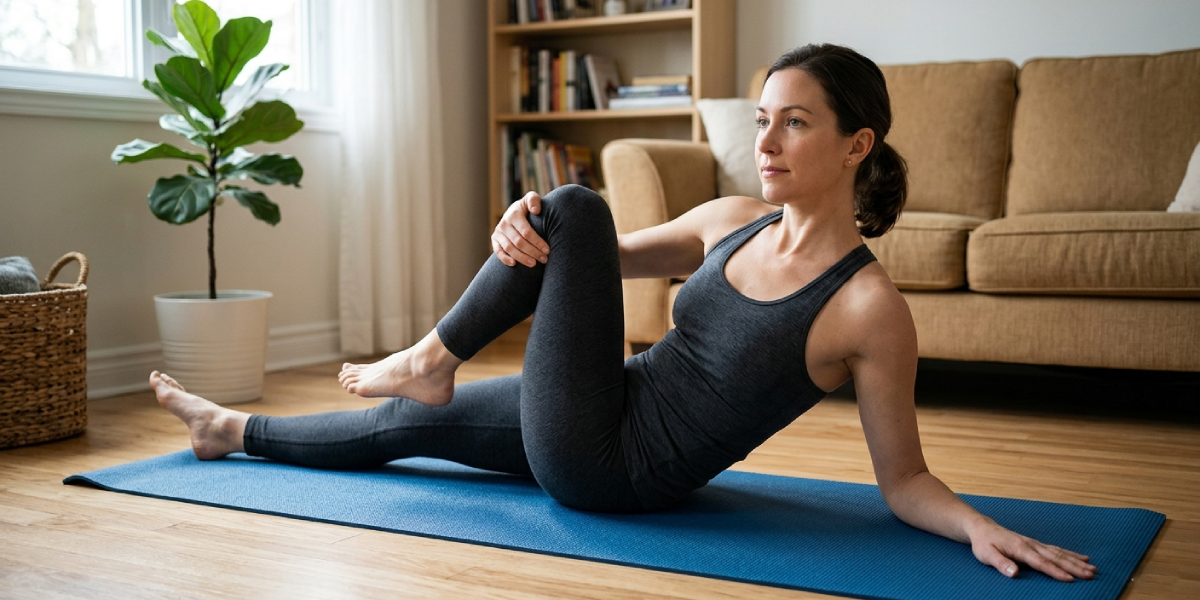
Sciatica refers to pain that travels along the path of the sciatic nerve, which runs from the lower back through the hips and buttocks and down each leg. It is usually caused by a herniated disc, spinal stenosis, or tightness in the piriformis muscle pressing against the nerve. The pain can range from a mild ache to a sharp, burning sensation that makes sitting or walking difficult.
Exercise helps because it improves circulation to the affected area, reduces inflammation, and gently mobilizes the structures that may be compressing the nerve. Targeted strengthening also supports the lower back and pelvis, reducing the chance of repeated irritation.
Staying completely still for long periods tends to make sciatica worse, while a measured, progressive approach to movement is one of the most consistently recommended strategies for recovery.
Safety First: When to Exercise and When to See a Doctor
Gentle movement is generally safe and beneficial for most cases of sciatica, but it is important to know the warning signs that call for medical attention rather than a home routine. Seek prompt care if you experience numbness or weakness that is getting worse, loss of bladder or bowel control, or pain following a significant injury such as a fall or car accident. These can indicate a more serious condition that needs immediate evaluation.
For everyday sciatica linked to muscle tightness, disc irritation, or prolonged sitting, the exercises below are widely used in physical therapy settings. Start slowly, stop any movement that sharply increases your pain, and check in with a doctor or physical therapist if symptoms persist beyond a few weeks or worsen despite consistent effort.
The Best Exercises for Sciatica Pain Relief
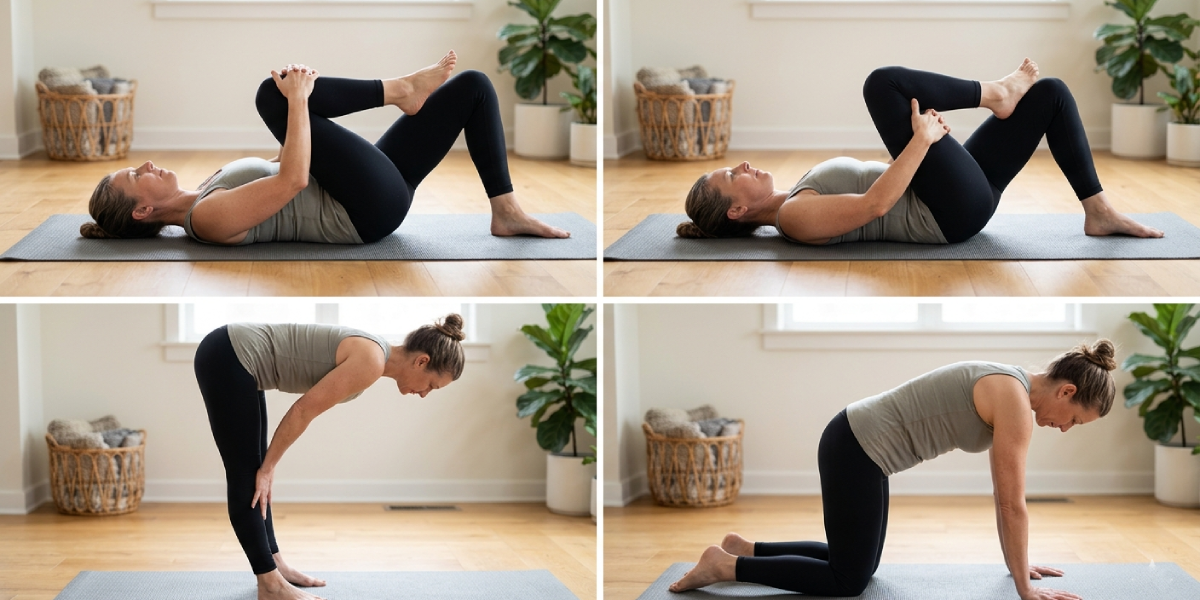
The following exercises target the muscles and structures most commonly involved in sciatic nerve irritation. Hold stretches gently, breathe normally, and avoid bouncing or forcing a position.
Knee-to-Chest Stretch
Lie on your back with knees bent and feet flat on the floor. Pull one knee toward your chest using both hands, keeping the other foot planted. Hold for twenty to thirty seconds, then switch sides. This stretch gently lengthens the lower back and glutes, which can ease pressure along the sciatic nerve pathway.
Piriformis Stretch
Lie on your back with both knees bent. Cross the affected leg so the ankle rests on the opposite knee, forming a figure-four shape. Gently pull the supporting leg toward your chest until you feel a stretch in the buttock. Hold for thirty seconds on each side. The piriformis muscle sits close to the sciatic nerve, so loosening it often brings noticeable relief.
Sciatic Nerve Glide (Nerve Flossing)
Sit on the edge of a chair with your back straight. Slowly extend the affected leg while flexing your foot upward, then gently tilt your head down. Reverse the motion by pointing the toes and lifting the head. This controlled gliding movement helps the nerve move more freely through surrounding tissue and is often introduced early in physical therapy programs.
Cat-Cow Stretch
Start on your hands and knees. Arch your back upward while tucking your chin toward your chest, then drop your belly and lift your head to arch the spine the other direction. Moving slowly between these two positions improves spinal mobility and can relieve tension that contributes to sciatic discomfort.
Pelvic Tilts
Lie on your back with knees bent and feet flat on the floor. Tighten your abdominal muscles and gently flatten your lower back against the floor, then release. This small, controlled movement strengthens the deep core muscles that stabilize the spine without putting strain on the lower back.
Bird Dog
From a hands-and-knees position, extend one arm forward and the opposite leg backward while keeping your hips and shoulders level. Hold briefly, then return and switch sides. This exercise builds core and lower back stability, which supports better posture and reduces repeated nerve irritation over time.
Glute Bridge
Lie on your back with knees bent and feet hip-width apart. Press through your heels to lift your hips toward the ceiling, squeezing your glutes at the top, then lower slowly. Strong glutes help offload pressure from the lower back and piriformis muscle, both common contributors to sciatic pain.
Standing Hamstring Stretch
Place your heel on a low step or stair with your leg straight, then hinge forward gently from the hips while keeping your back flat. Hold for twenty to thirty seconds per side. Tight hamstrings frequently pull on the pelvis and lower back, so keeping them flexible supports overall sciatic nerve health.
Sample Weekly Routine for Sciatica Relief
Consistency matters more than intensity when managing sciatica. The schedule below spreads gentle stretching and light strengthening across the week to allow recovery between sessions.
| Day | Focus | Exercises |
|---|---|---|
| Monday | Gentle mobility | Knee-to-chest, cat-cow, pelvic tilts |
| Tuesday | Nerve mobility | Sciatic nerve glide, piriformis stretch |
| Wednesday | Rest or light walking | Ten to fifteen minute walk |
| Thursday | Strengthening | Glute bridge, bird dog |
| Friday | Flexibility | Standing hamstring stretch, piriformis stretch |
| Saturday | Full routine | Combine two stretches and one strengthening move |
| Sunday | Rest | Light stretching as needed |
You can find more structured movement options for back and hip health in our full exercise library, which covers routines for a wide range of fitness levels and goals.
Lifestyle Habits That Support Sciatic Nerve Health
Exercise works best alongside a few supporting habits. Maintaining a healthy body weight reduces mechanical stress on the lower spine and discs, and checking your numbers with our BMI calculator can help you set a realistic target if weight is a contributing factor.
Sitting for long stretches without breaks is one of the most common triggers for sciatic flare-ups, so standing or walking briefly every thirty to forty-five minutes makes a meaningful difference.
Sleeping with a pillow between the knees while lying on your side can also keep the spine in a more neutral position overnight. Supportive footwear, a well-adjusted office chair, and lifting with the knees rather than the back round out the everyday changes that complement an exercise routine.
For broader guidance on building these habits into daily life, our health resources section covers posture, ergonomics, and recovery strategies in more depth.
When to Avoid These Exercises
Skip or modify any stretch that causes sharp pain, tingling that spreads further down the leg, or new numbness. If a particular movement consistently makes symptoms worse rather than better, it is a sign to stop and consult a physical therapist for a personalized assessment rather than continuing to push through it.
Frequently Asked Questions
What is the fastest way to relieve sciatica pain at home?
Gentle stretches like the knee-to-chest and piriformis stretch, combined with short walks and avoiding prolonged sitting, tend to bring the quickest relief for most people.
Should I rest completely or keep moving with sciatica?
Light, controlled movement is generally more helpful than complete bed rest, since prolonged inactivity can stiffen muscles and slow recovery.
How long does sciatica usually take to improve?
Many cases improve within four to six weeks with consistent stretching, light activity, and posture adjustments, though severe cases may take longer.
Can walking make sciatica worse?
For most people, short, gentle walks actually help by promoting blood flow and reducing stiffness, as long as the pace stays comfortable and pain free.
Is yoga good for sciatica pain relief?
Many yoga poses overlap with recommended stretches, such as gentle spinal twists and hip openers, making slow, beginner-level yoga a reasonable option for some people.
What sleeping position is best for sciatica?
Sleeping on your side with a pillow between your knees, or on your back with a pillow under your knees, tends to keep the spine in a more neutral position.
Can weak core muscles cause sciatica?
Weak core and glute muscles can contribute to poor spinal support, which may increase strain on the lower back and aggravate sciatic nerve irritation.
When should I see a doctor instead of exercising at home?
See a doctor promptly if you notice worsening numbness or weakness, loss of bladder or bowel control, or pain following a significant injury.
Can stretching alone cure sciatica permanently?
Stretching helps manage symptoms and supports recovery, but long-term relief usually depends on combining it with strengthening, posture habits, and addressing the underlying cause.
Is it safe to exercise with sciatica every day?
Light daily stretching is generally safe, while strengthening exercises are often better spaced two to three times a week to allow muscles time to recover.