

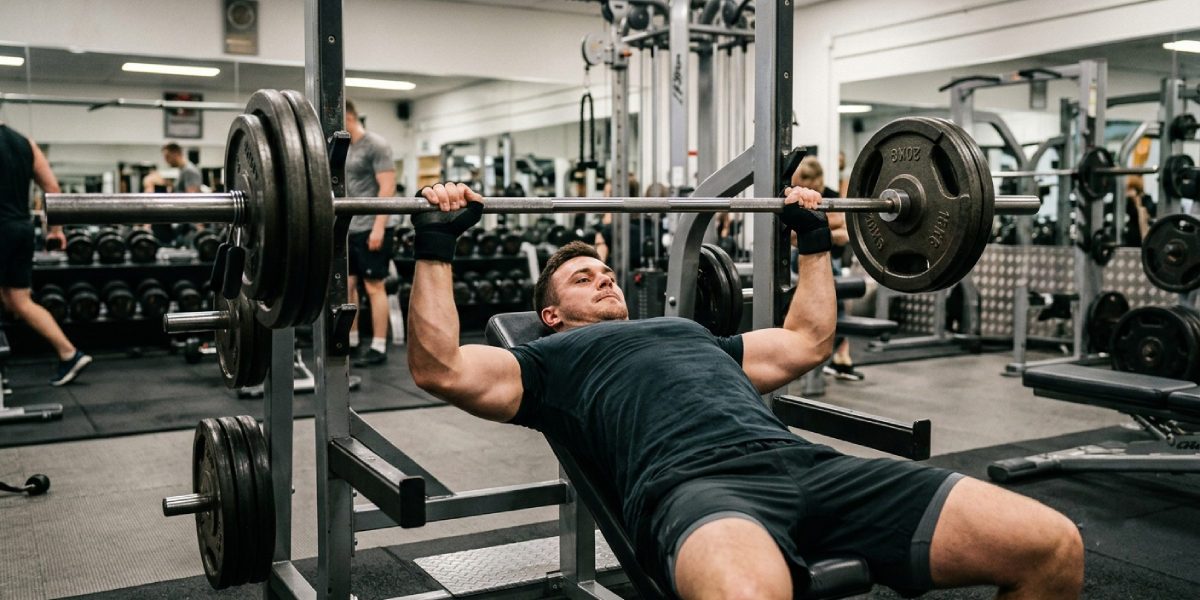
If you want to build a powerful, well-defined chest, knowing the best chest exercises is the first and most important step. Whether you train at a commercial gym, a home setup, or anywhere in between, the right combination of movements can transform your upper body strength, posture, and overall physique.
This guide covers everything you need to know — from anatomy and technique to programming and progression — so you can train smarter and get real results.
Understanding the Chest Muscles Before You Train
Before diving into exercises, it helps to understand what you are actually training. The chest is made up of two primary muscles: the pectoralis major and the pectoralis minor.
The pectoralis major is the large, fan-shaped muscle that gives the chest its visible mass. It has two heads — the clavicular head, which runs along the upper chest near the collarbone, and the sternal head, which covers the mid and lower chest.
Together, these two heads are responsible for horizontal adduction (bringing the arms across the body), shoulder flexion, and internal rotation.
The pectoralis minor is a smaller, triangular muscle that sits beneath the pec major. It stabilizes the shoulder blade and assists with breathing under heavy exertion. While it is not directly targeted by most chest exercises, it plays a supporting role in overall shoulder health and chest development.
Understanding this anatomy tells you something important: to fully develop your chest, you need exercises that stress the muscle from multiple angles. No single movement will do it all, which is why a well-rounded program matters.
Why the Best Chest Exercises Prioritize Compound Movements
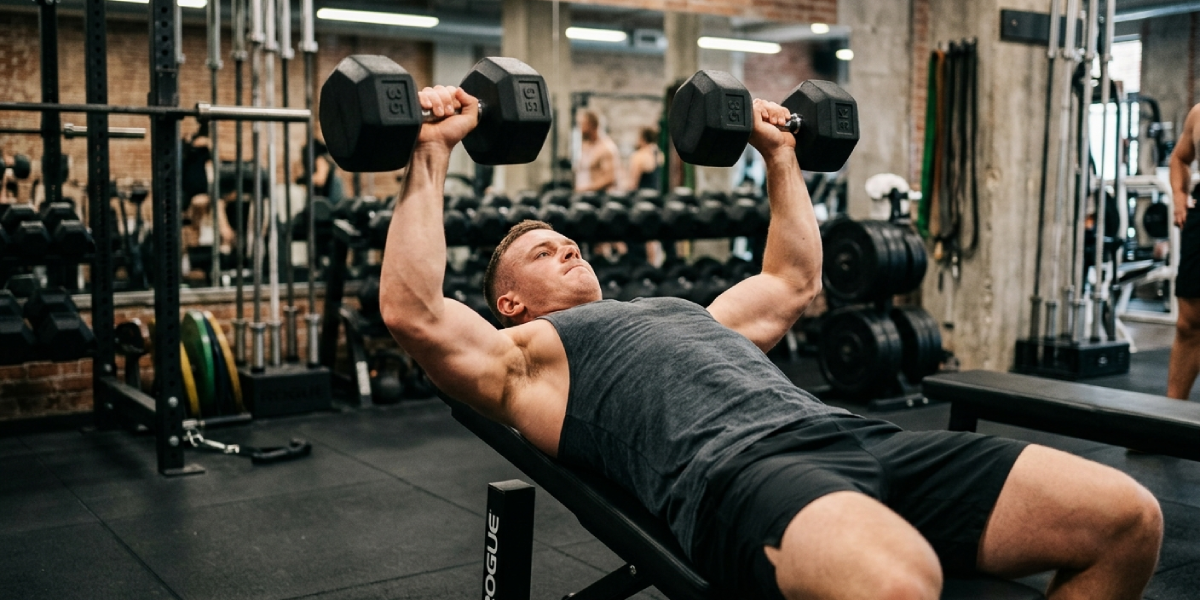
Compound movements — exercises that involve multiple joints and muscle groups — form the foundation of any effective chest program. They allow you to lift heavier loads, recruit more total muscle fiber, and stimulate stronger hormonal responses compared to isolation exercises alone.
The bench press family (flat, incline, and decline) has been the gold standard for chest development for decades, and for good reason. These movements engage not only the pecs but also the anterior deltoids, triceps, and serratus anterior, making them extraordinarily efficient for upper-body development.
Isolation exercises like cable flyes and dumbbell flyes are valuable too, but they work best as accessories to compound work rather than replacements. Think of your program as a pyramid: compound lifts at the base, isolation work at the top.
The Best Chest Exercises, Explained
1. Barbell Bench Press
The barbell bench press is arguably the most well-known strength exercise in the world, and it earns that reputation. It allows you to lift maximal loads, making it the primary driver of chest strength and size for most lifters.
To perform it correctly, lie flat on a bench with your feet planted firmly on the floor. Grip the bar slightly wider than shoulder-width. Before unracking, create tension through your upper back by squeezing your shoulder blades together and slightly arching your lower back.
Lower the bar under control to the mid-chest, pause briefly, then press back to the starting position. Avoid letting your elbows flare excessively — a 45 to 75-degree angle relative to the torso is generally recommended for shoulder safety.
Progressive overload on the barbell bench press is one of the most reliable predictors of long-term chest development. Adding small increments of weight over time, combined with good technique, produces measurable gains.
2. Incline Dumbbell Press
The incline dumbbell press is one of the best chest exercises specifically for developing the upper chest — the clavicular head of the pectoralis major. A well-developed upper chest gives the pecs a full, three-dimensional look and contributes significantly to overall upper-body strength.
Set a bench to an angle between 30 and 45 degrees. Higher than 45 degrees shifts the emphasis too much toward the shoulders. Hold a dumbbell in each hand at shoulder height, palms facing forward, and press upward and slightly inward so the dumbbells converge at the top. Lower slowly, feeling a controlled stretch at the bottom before pressing again.
Dumbbells have a unique advantage over barbells here: they allow each arm to move independently, which helps correct muscular imbalances and provides a slightly greater range of motion.
3. Push-Up Variations
The push-up is one of the most underrated chest exercises available. It is bodyweight, requires no equipment, and — when performed with proper technique and meaningful progression — it builds real chest strength and muscle.
Standard push-ups engage the entire chest, triceps, and anterior deltoids. To maximize chest activation, focus on keeping your elbows at roughly 45 degrees from your body rather than directly out to the sides. A wider hand placement increases pec engagement, while a closer grip emphasizes the triceps more.
For more advanced lifters, elevated feet push-ups mimic the angle of an incline press, targeting the lower chest. Decline push-ups (feet elevated on a bench or box) shift emphasis to the upper chest. Ring push-ups and weighted push-ups add progressive overload for seasoned trainees.
Push-ups are particularly useful for exploring a wider variety of exercise patterns and for training on days when equipment is unavailable. They also reinforce proper scapular mechanics, which supports shoulder health over time.
4. Dumbbell Chest Fly
The dumbbell fly is a classic isolation exercise that stretches the pec major under load — a stimulus that some research suggests is particularly effective for muscle hypertrophy. Unlike pressing movements, which involve significant tricep and shoulder contribution, the fly keeps tension almost exclusively on the chest throughout the range of motion.
Lie on a flat bench with a dumbbell in each hand, arms extended above the chest with a slight bend at the elbows. Lower the dumbbells out to the sides in a wide arc, feeling a deep stretch across the chest at the bottom. Then, using a hugging motion, bring the dumbbells back together at the top. Avoid going so heavy that your form deteriorates — the fly is a feel exercise, not a max-load exercise.
5. Cable Chest Press and Cable Fly
Cable machines offer a unique advantage: they maintain consistent tension throughout the entire range of motion. With free weights, tension naturally decreases at certain points in the movement (such as the lockout position in a press). Cables eliminate this dead zone.
The cable chest press, performed at a cable station with handles set at chest height, closely mimics a bench press while keeping the pecs under continuous load. The cable fly, with handles set at varying heights, is excellent for targeting specific regions of the chest. Low-to-high cable flyes emphasize the lower chest; high-to-low cable flyes hit the upper chest and clavicular head.
Adding cable work toward the end of a chest session, after heavy compound movements, is an excellent way to maximize muscle fatigue and stimulate growth.
6. Dips (Chest-Focused Variation)
Parallel bar dips are one of the most powerful compound exercises for the lower chest and overall pressing strength. To emphasize the chest over the triceps, lean your torso slightly forward as you perform the movement and allow your elbows to flare outward slightly rather than staying pinned to your sides.
Dips are a high-intensity exercise that should be approached with care, particularly if you have existing shoulder issues. Build up gradually using assisted dip machines before progressing to full bodyweight dips, and add weight via a dipping belt only once your form is solid and your shoulders feel healthy.
How to Structure a Chest Workout
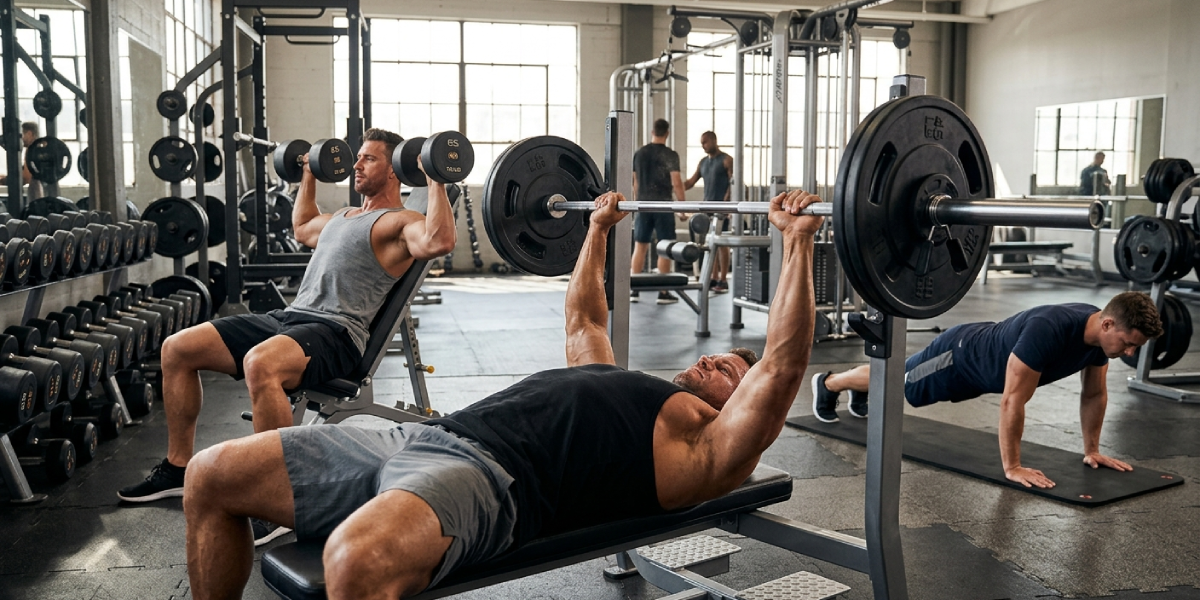
Knowing the individual exercises is only part of the picture. How you organize them into a session matters just as much.
A well-structured chest workout typically follows this order:
- Activation and warm-up: Light bodyweight push-ups or band pull-aparts to activate the chest and warm the shoulder joints (5 to 10 minutes).
- Primary compound movement: Barbell bench press or incline dumbbell press for 3 to 5 sets in the 4 to 8 rep range, focusing on progressive overload.
- Secondary compound movement: A different angle or implement — for example, if you started with flat barbell press, follow with incline dumbbell press or weighted dips.
- Isolation work: Cable flyes, dumbbell flyes, or push-up variations for 3 sets in the 10 to 15 rep range, prioritizing the mind-muscle connection.
- Cool-down: Light stretching of the chest and anterior shoulder to reduce tightness and support recovery.
Most trainees benefit from training the chest directly two times per week with at least 48 hours of rest between sessions. Training frequency, volume, and intensity should be adjusted based on your experience level, recovery capacity, and overall program design.
Common Mistakes That Hold Back Chest Development
Even experienced lifters make technique errors that limit their chest gains. Here are the most common ones to watch for:
- Neglecting the upper chest: Many lifters default to flat pressing and skip incline work entirely. This leaves the clavicular head underdeveloped and creates a less balanced appearance.
- Bouncing the bar off the chest: Using momentum instead of muscle defeats the purpose of the movement. Lower under control and use a brief pause at the bottom to eliminate the stretch reflex.
- Going too heavy too soon: Ego lifting compromises form and significantly increases injury risk. The chest grows best when you can feel it working — not when you are grinding out half-reps with excessive weight.
- Ignoring full range of motion: Partial reps reduce the total stimulus to the muscle. Pressing through the full range, from a deep stretch at the bottom to full extension at the top, maximizes muscle fiber recruitment.
- Skipping the mind-muscle connection: Actively squeezing and contracting the pec throughout the movement, rather than just moving the weight from point A to B, has been shown to improve muscle activation in training research.
Nutrition and Recovery: The Other Half of the Equation
Exercise alone is not enough to build a stronger chest. Muscle growth happens during recovery, not during the workout itself. Training creates the stimulus; nutrition and rest provide the raw materials for adaptation.
Protein intake is the most critical nutritional variable for muscle development. Most research supports a target of 1.6 to 2.2 grams of protein per kilogram of body weight per day for those seeking muscle hypertrophy. Distribute this across multiple meals throughout the day for optimal muscle protein synthesis.
Sleep is equally important. Growth hormone secretion peaks during deep sleep, and sleep deprivation has been shown to impair muscle recovery, reduce training performance, and increase injury risk. Aim for 7 to 9 hours of quality sleep per night.
Monitoring your overall health alongside your training is smart practice. Tools like a BMI calculator can give you a basic reference point for where you stand in terms of body composition as your training progresses, though keep in mind that BMI does not account for muscle mass and should be interpreted alongside other health markers.
Sample Weekly Chest Training Plan
| Day | Exercise | Sets | Reps |
|---|---|---|---|
| Day 1 (Primary) | Barbell Bench Press | 4 | 5–6 |
| Day 1 | Incline Dumbbell Press | 3 | 8–10 |
| Day 1 | Cable Fly (low to high) | 3 | 12–15 |
| Day 4 (Secondary) | Weighted Dips | 3 | 6–8 |
| Day 4 | Flat Dumbbell Fly | 3 | 10–12 |
| Day 4 | Push-Up Variation | 3 | To near failure |
Tailoring Chest Training to Your Goals
Your specific goals should influence how you approach chest training. Someone training primarily for strength will emphasize lower rep ranges (3 to 6 reps) with heavier loads on compound movements. Someone focused on muscle hypertrophy will benefit most from moderate rep ranges (6 to 15 reps) and higher total volume. Someone training for general fitness and health can benefit from a flexible mix of both.
Age, injury history, and mobility also affect exercise selection. Older lifters or those with shoulder issues may find dumbbell variations gentler on the joints than barbell work. Those with limited shoulder mobility may need to adjust grip width or bench angle to find positions that feel safe and effective.
There is no single “correct” chest program. The best chest exercises for you are the ones you can perform consistently, with good technique, and with progressive overload over time. Consistency and intelligent programming beat any single trendy exercise or technique.
For more guidance on structuring your overall fitness approach, exploring trusted health resources can help you make well-informed decisions that support your long-term training and wellbeing.
Frequently Asked Questions
What are the best chest exercises for beginners?
Beginners benefit most from push-ups, the flat dumbbell press, and the machine chest press. These movements teach proper pressing mechanics with manageable loads before progressing to barbell work. Focus on form over weight during the first few months of training.
How often should I train my chest each week?
Most evidence supports training the chest two times per week for optimal muscle development. This frequency allows enough volume to stimulate growth while giving the muscles adequate time to recover between sessions. Beginners may see results with once-a-week training initially.
Can I build my chest without a gym or equipment?
Yes. Push-up variations, including incline push-ups, decline push-ups, wide-grip push-ups, and ring push-ups, can effectively build chest strength and size without any equipment. The key is progressive overload — making the exercise harder over time through increased reps, more challenging variations, or added resistance.
Why is my upper chest not developing?
The most common reason is insufficient incline pressing work. Many lifters focus exclusively on flat pressing movements and neglect the clavicular head of the pectoralis major. Adding incline dumbbell or barbell presses and high-to-low cable flyes to your routine, along with patience and consistent progressive overload, will address this imbalance over time.
Is the bench press enough to build a full chest?
The flat bench press is an excellent foundational exercise but is not sufficient on its own for complete chest development. To target all regions of the chest, you need to incorporate incline pressing for the upper chest, fly movements for stretch-based stimulation, and ideally dip variations for the lower chest and overall thickness.
How many sets per week do I need for chest growth?
Current hypertrophy research generally recommends 10 to 20 working sets per muscle group per week for intermediate lifters. Beginners may respond well to fewer sets — around 6 to 10 per week — while advanced lifters may need more. Start on the lower end, track your progress, and increase volume gradually as needed.
What is the best way to feel my chest working during exercises?
Focus on squeezing the pec muscle throughout the movement, particularly at the point of peak contraction. Before lifting, try a brief warm-up set of light dumbbell flyes with full attention on feeling the chest stretch and contract. Slowing down the eccentric (lowering) phase of each rep also increases time under tension and improves the mind-muscle connection.
Are chest dips better than bench press for chest development?
Both exercises are effective and serve different purposes. The bench press allows for greater loading and is the most tested movement for overall chest and pressing strength. Chest-focused dips excel at targeting the lower pec and are an excellent complement to pressing work. For most lifters, using both movements produces better results than relying on either one alone.
Should I use free weights or machines for chest training?
Both have a place in an effective chest program. Free weights — barbells and dumbbells — require more stabilizer muscle activation and are better suited for building foundational strength. Machines and cables are excellent for maintaining constant tension, reducing injury risk under fatigue, and isolating the chest at the end of a session. Combining both gives you the full benefit of each.
How long does it take to see chest development results?
With consistent training, proper nutrition, and adequate sleep, most beginners begin to notice increased chest strength within 3 to 4 weeks and visible muscle development within 8 to 12 weeks. Advanced lifters progress more slowly. Results depend heavily on training consistency, diet, recovery quality, and individual genetics.