

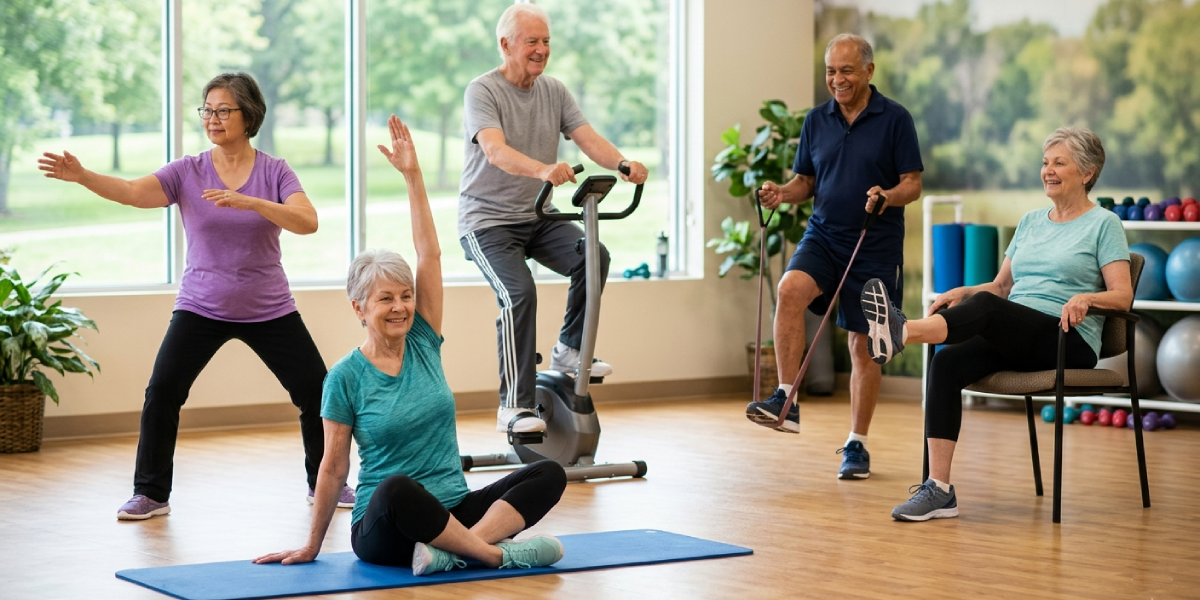
Low-impact exercises for seniors are one of the most effective and safest ways for older adults to maintain strength, flexibility, and independence as they age. Whether you are returning to movement after a health setback or simply looking for gentler alternatives to high-intensity training, the exercises covered in this guide are grounded in evidence-based fitness principles and designed to work with your body, not against it.
Staying physically active in your 60s, 70s, and beyond is not just about looking fit. It is about preserving the quality of daily life. Research consistently shows that regular physical activity in older adults reduces the risk of chronic conditions such as heart disease, type 2 diabetes, osteoporosis, and cognitive decline.
The key is choosing movements that deliver maximum benefit while minimizing the risk of injury, and that is exactly where low-impact exercise shines.
Why Low-Impact Exercise Is Ideal for Older Adults
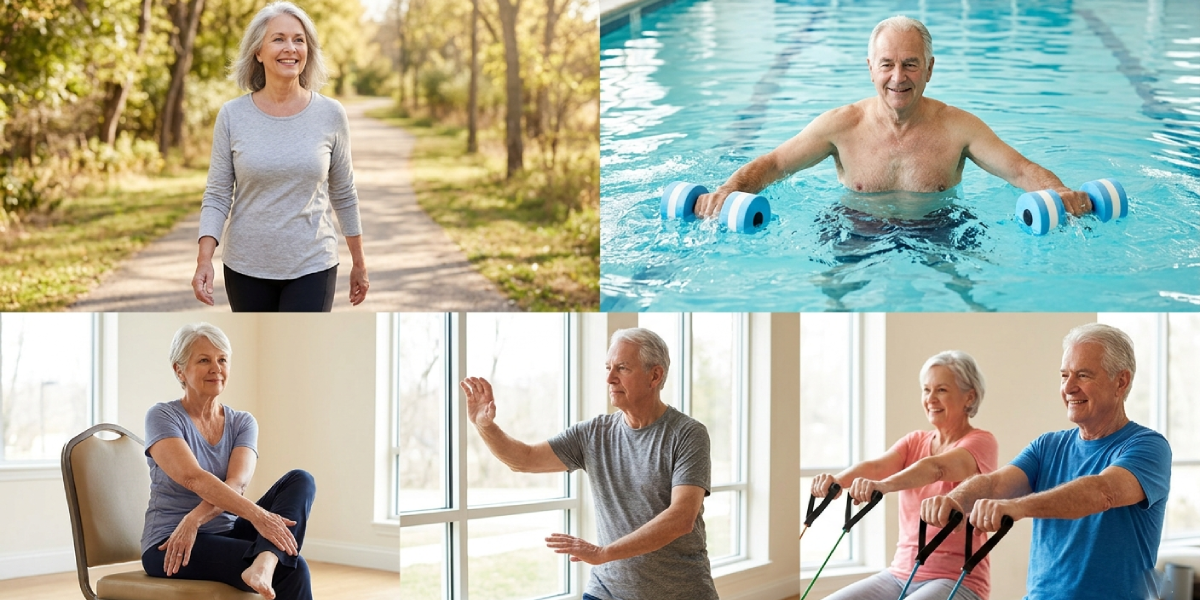
Low-impact exercise refers to movement where at least one foot remains in contact with the ground at all times, significantly reducing the force placed on joints, bones, and connective tissue. For seniors dealing with arthritis, joint replacements, reduced bone density, or balance challenges, this distinction is not just helpful — it is essential.
High-impact activities like running or jumping generate forces several times a person’s body weight with each stride. Over time, and especially in aging bodies where cartilage has thinned and recovery is slower, this stress accumulates. Low-impact alternatives achieve the same cardiovascular, muscular, and mental health benefits without exposing the body to that repeated mechanical load.
Beyond injury prevention, low-impact exercise tends to be more sustainable. People stick with it longer, build consistent habits more easily, and report higher satisfaction with their routines. Consistency is the cornerstone of any fitness program, and choosing activities you genuinely enjoy and can do safely is the most reliable path to long-term health.
Walking: The Gold Standard of Low-Impact Fitness
Walking remains one of the most universally recommended exercises for older adults for good reason. It requires no equipment, no gym membership, and no prior fitness experience. It is accessible virtually everywhere, adaptable to any fitness level, and its benefits are extensive and well-documented.
A regular walking routine supports cardiovascular health, helps manage blood pressure, strengthens the muscles of the legs and core, and promotes bone density. Studies published in leading medical journals have found that walking for just 30 minutes a day, five days a week, is associated with significant reductions in the risk of cardiovascular events, improved mood, and better sleep quality in older adults.
Tips for Starting a Walking Routine
- Start with 10 to 15 minutes per session and gradually increase duration over several weeks.
- Wear supportive footwear with adequate cushioning and a firm heel counter to reduce joint stress.
- Choose flat, even surfaces initially, such as indoor tracks, parks, or smooth pavements, before moving to uneven terrain.
- Use walking poles if balance is a concern — they activate the upper body and provide stability.
- Aim for a pace where you can hold a conversation without gasping. This is your aerobic sweet spot.
Swimming and Water Aerobics: Movement Without Joint Pressure
Water-based exercise is frequently described by fitness professionals as close to a perfect low-impact workout for seniors. The buoyancy of water supports up to 90 percent of your body weight when submerged to shoulder depth, which dramatically reduces the load on arthritic knees, hips, and the spine.
At the same time, water provides natural resistance in every direction, making movements more effective for muscle strengthening than they appear.
Swimming laps engages the entire body, improving cardiovascular endurance, upper and lower body strength, and lung capacity. Water aerobics classes, often offered at community pools and senior fitness centers, combine cardio intervals with resistance training in a social, encouraging environment.
Many seniors report that water-based classes are the first form of exercise that felt truly pain-free in years.
Who Benefits Most from Aquatic Exercise
Aquatic exercise is particularly well-suited for seniors with osteoarthritis, those recovering from joint replacement surgery (once cleared by a physician), individuals with chronic back pain, and anyone for whom weight-bearing movement has become uncomfortable.
The water’s thermal properties also help relax tight muscles, making post-exercise recovery faster.
Chair Yoga and Gentle Stretching
Flexibility and mobility are frequently overlooked components of fitness, yet they are critical for seniors. Tight hip flexors, shortened hamstrings, and reduced spinal mobility are among the leading contributors to poor posture, limited range of motion, and increased fall risk in older adults. Yoga, and especially chair-based adaptations, directly addresses all of these issues.
Chair yoga allows seniors to experience the full benefits of traditional yoga postures — improved flexibility, better breathing, reduced stress, and enhanced body awareness — without requiring the ability to get down onto and up from a mat. Sequences can be performed entirely while seated, or using the chair as a balance support for standing poses.
Regular stretching, even outside of formal yoga classes, should be a daily habit for seniors. Spending five to ten minutes each morning on gentle full-body stretches primes the joints for the day ahead, reduces morning stiffness, and signals to the nervous system that the body is safe to move freely.
Tai Chi: Balance, Grace, and Fall Prevention
Tai Chi is a centuries-old Chinese practice combining slow, deliberate movements with focused breathing and mindfulness. For seniors, it has become one of the most evidence-backed low-impact exercise modalities available. Numerous clinical trials — including research published by the Centers for Disease Control and Prevention — have demonstrated that regular Tai Chi practice significantly reduces fall frequency and fall-related injuries in older adults.
The benefits extend well beyond balance. Tai Chi has been shown to improve lower limb strength, enhance joint proprioception (the body’s sense of its own position in space), reduce anxiety and depression, lower blood pressure, and support immune function. Its meditative quality also makes it deeply restorative, providing both physical and psychological renewal in a single practice.
Most community centers, senior activity hubs, and online platforms now offer beginner Tai Chi classes specifically designed for older adults. Classes are typically held in groups, which adds a valuable social dimension to the physical benefits.
Resistance Training with Light Weights or Bands
Muscle mass declines at a rate of roughly three to five percent per decade after age 30, with the rate accelerating significantly after age 60. This process, known as sarcopenia, is one of the primary reasons older adults experience reduced strength, slower metabolism, increased frailty, and greater difficulty with everyday tasks such as carrying groceries or climbing stairs.
Resistance training is the most effective intervention for reversing sarcopenia, and it can be done safely at any age.
For seniors, resistance training does not mean heavy barbells or crowded weight rooms. Light dumbbells (two to five pounds to start), resistance bands, or even body weight exercises provide sufficient stimulus to build and maintain meaningful muscle mass.
The key variables are consistency and progressive overload — gradually increasing resistance or repetitions over time as the body adapts.
Safe Resistance Exercises for Seniors
| Exercise | Target Muscles | Equipment Needed |
|---|---|---|
| Seated leg press with band | Quadriceps, hamstrings, glutes | Resistance band |
| Bicep curls | Biceps, forearms | Light dumbbells |
| Wall push-ups | Chest, shoulders, triceps | None |
| Standing hip abduction | Glutes, hip stabilizers | Resistance band or chair |
| Seated row with band | Upper back, rear shoulders | Resistance band |
| Calf raises | Calves, ankle stabilizers | None (wall for balance) |
A well-designed strength routine for seniors targets all major muscle groups two to three times per week, with at least one rest day between sessions. Tracking progress supports both motivation and informed training decisions — and maintaining a healthy body composition using tools like a BMI calculator can help you monitor overall wellness alongside your fitness improvements.
Cycling: Indoor and Outdoor Options
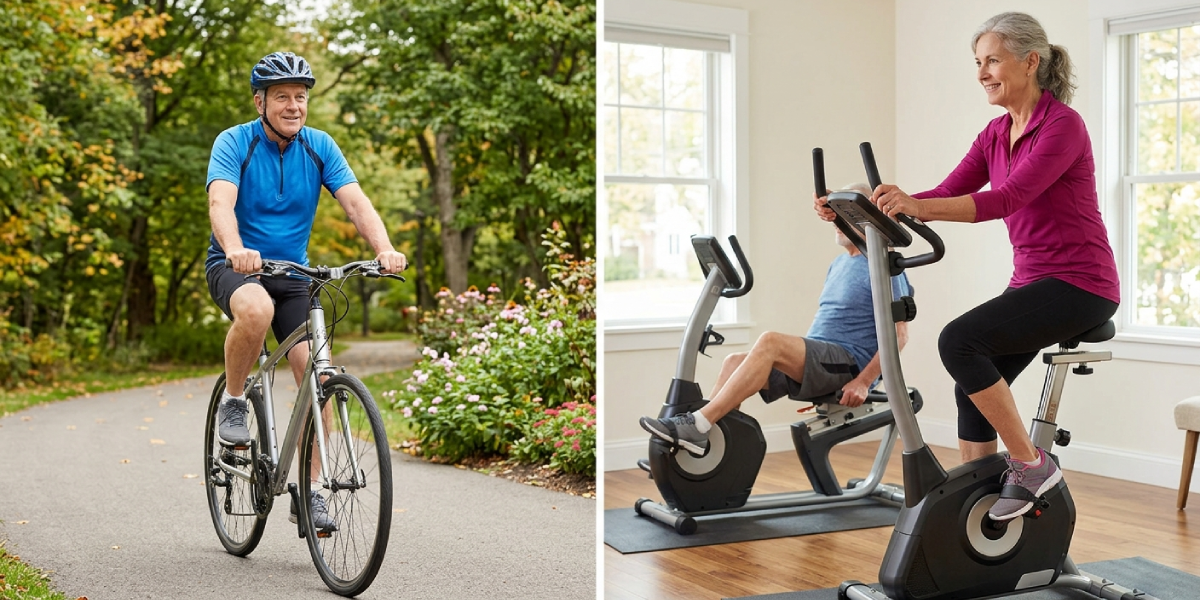
Cycling, whether outdoors on a traditional bike or indoors on a stationary or recumbent cycle, is an excellent low-impact cardiovascular exercise for seniors. It loads the cardiovascular and muscular systems effectively while placing minimal stress on the knees, hips, and ankles compared to running or even brisk walking on hard pavement.
Stationary bikes are a particularly good option for seniors who have balance concerns, live in areas with traffic or uneven terrain, or want a consistent workout regardless of weather. Recumbent bikes, which feature a reclined seat with back support, are ideal for those with lower back issues or hip discomfort, as the seated position reduces spinal compression.
Twenty to thirty minutes of cycling at a moderate pace elevates the heart rate into the aerobic training zone, burns calories efficiently, and strengthens the quadriceps, hamstrings, and calves. Many seniors find it an enjoyable solitary or social activity — cycling clubs for older adults are common in many communities.
Pilates: Core Strength and Postural Alignment
Pilates focuses on controlled, precise movements designed to strengthen the deep core muscles that support the spine and pelvis. For seniors, this translates into better posture, reduced back pain, improved pelvic floor function, and a stronger foundation for all other physical activities.
Many Pilates exercises can be performed lying down or seated, making them highly accessible regardless of fitness level.
A consistent Pilates practice also improves body awareness and neuromuscular control — the communication between the brain and muscles. This is directly relevant to fall prevention, as many falls occur not because of muscle weakness alone, but because of delayed or imprecise motor responses.
By training slow, intentional movement patterns, Pilates sharpens the reflexes and coordination that help seniors react quickly when balance is challenged.
How to Build a Balanced Weekly Routine
A well-rounded exercise program for seniors should incorporate four components: cardiovascular endurance, muscular strength, flexibility, and balance. The World Health Organization recommends that adults aged 65 and over accumulate at least 150 minutes of moderate-intensity aerobic activity per week, perform strength training on two or more days, and include balance and coordination activities three or more times per week.
A practical weekly template might look like this: walking or cycling on three days for cardiovascular benefit, resistance training with bands or light weights on two days, and Tai Chi, yoga, or dedicated stretching on the remaining two days.
Rest and recovery are as important as the exercise itself — sleep, hydration, and nutrition all play a role in how well the body adapts to physical training.
Before beginning any new exercise program, seniors should consult with their physician, especially if they have existing cardiovascular conditions, musculoskeletal concerns, or are managing chronic health conditions.
A certified personal trainer with experience in older adult fitness can also provide tremendous value in designing a safe, progressive, and enjoyable routine. You can explore a wide range of beginner-friendly health and wellness resources to support your journey alongside physical training.
Motivation, Consistency, and the Social Side of Exercise
One of the most underappreciated elements of long-term fitness success for seniors is the social dimension of exercise. Group classes, walking clubs, swimming groups, and partner workouts significantly increase adherence to exercise programs.
The accountability, encouragement, and simple enjoyment of shared activity transform exercise from a chore into a highlight of the day.
Setting realistic, meaningful goals also matters. Instead of focusing solely on weight or physical appearance, seniors often find greater motivation in functional goals: climbing stairs without difficulty, playing with grandchildren on the floor, carrying shopping bags independently, or traveling without fatigue. These goals are personally meaningful, measurable, and directly connected to the daily joys of life.
Frequently Asked Questions
What are the safest low-impact exercises for seniors with arthritis?
Swimming, water aerobics, chair yoga, and Tai Chi are among the most joint-friendly options for seniors with arthritis. These activities improve range of motion and reduce stiffness without placing excessive mechanical stress on affected joints. Always consult a rheumatologist or physical therapist for personalized guidance.
How often should seniors exercise each week?
Current guidelines from the World Health Organization recommend at least 150 minutes of moderate-intensity aerobic activity per week, spread across multiple days, along with muscle-strengthening activities on two or more days. Even shorter sessions of 10 to 15 minutes deliver real health benefits when performed consistently.
Can seniors build muscle through low-impact exercise?
Yes. Resistance training using light dumbbells, resistance bands, or body weight is highly effective for building and preserving muscle mass in older adults, even into the 80s and 90s. The key is progressive overload — gradually increasing the difficulty of exercises over time as strength improves.
Is it safe to start exercising after age 70?
Absolutely. Research strongly supports the benefits of beginning an exercise program at any age. Older adults who begin exercising in their 70s and beyond still show significant improvements in strength, cardiovascular health, balance, and quality of life. A medical check-up and guidance from a qualified fitness professional are recommended before starting.
What is the best exercise to prevent falls in older adults?
Tai Chi has the strongest evidence base for fall prevention in seniors, with multiple controlled trials showing reductions of 25 to 45 percent in fall rates among regular practitioners. Balance training, lower body strengthening, and proprioceptive exercises also contribute meaningfully to fall prevention.
How long does it take to see results from low-impact exercise?
Most seniors begin noticing improvements in energy levels, mood, and sleep quality within two to four weeks of consistent exercise. Visible changes in strength and endurance typically emerge within six to eight weeks. Structural adaptations such as increased bone density or significant muscle growth may take three to six months of consistent training.
Do seniors need to warm up before low-impact exercise?
Yes. A five to ten minute warm-up is important for older adults to gradually increase heart rate, improve blood flow to working muscles, and reduce injury risk. Gentle walking, slow marching in place, or seated range-of-motion movements are effective warm-up strategies before any workout.
Can low-impact exercise help with weight management in seniors?
Yes. While diet plays a critical role in weight management, regular low-impact exercise contributes by burning calories, preserving lean muscle mass (which supports a higher resting metabolic rate), and improving insulin sensitivity. A combination of cardiovascular exercise and resistance training provides the best outcomes for healthy body composition in older adults.
Are there low-impact exercises seniors can do at home without equipment?
Many highly effective exercises require no equipment at all. Wall push-ups, seated leg raises, standing calf raises, chair-supported squats, gentle neck and shoulder rolls, and full-body stretching routines can all be performed safely at home. Online video platforms and senior fitness apps also offer guided workouts tailored to home-based training.
What role does nutrition play alongside low-impact exercise for seniors?
Nutrition is a critical partner to exercise for older adults. Adequate protein intake supports muscle repair and growth, calcium and vitamin D are essential for bone health, and staying well-hydrated helps prevent dizziness and fatigue during workouts. Working with a registered dietitian alongside a fitness program can significantly enhance overall results.