


If you are searching for how to get a good night’s sleep, you are far from alone. Millions of people worldwide lie awake each night struggling to fall asleep, stay asleep, or wake feeling genuinely rested. Sleep is not a passive process — it is one of the most biologically active and restorative things your body does, and getting it right can transform your health, mood, energy, and even your longevity.
This guide covers everything you need to know about achieving deep, restorative sleep using strategies grounded in sleep science, behavioral medicine, and real-world practicality.
Whether you are dealing with chronic insomnia, occasional restless nights, or simply want to optimize your existing routine, you will find actionable steps here that actually work.
Why Quality Sleep Matters More Than You Think
Sleep is not just rest — it is the period during which your brain consolidates memories, your immune system repairs cells, your hormones reset, and your cardiovascular system recovers. Adults generally need between seven and nine hours of sleep per night, according to the American Academy of Sleep Medicine.
Yet studies consistently show that a significant portion of adults regularly fall short of this target. Chronic sleep deprivation is linked to a wide range of health problems including increased risk of obesity, type 2 diabetes, cardiovascular disease, depression, anxiety, and impaired cognitive function.
Poor sleep is also associated with a weakened immune response, hormonal imbalances, and reduced physical performance. On the other hand, people who consistently sleep well tend to have better mental clarity, more stable moods, healthier body weight, and a significantly lower risk of chronic disease.
Understanding what disrupts sleep — and what supports it — puts you in control of one of the most powerful health levers available to you.
Understanding Your Sleep Architecture
Before diving into tips, it helps to understand what good sleep actually looks like from the inside. Sleep occurs in cycles, each lasting roughly 90 minutes, and each cycle contains distinct stages:
- Stage 1 (NREM 1): Light sleep, the transition between wakefulness and sleep. Easy to wake from.
- Stage 2 (NREM 2): Body temperature drops, heart rate slows, and the brain produces sleep spindles. This is where you spend the most total sleep time.
- Stage 3 (NREM 3): Deep, slow-wave sleep. This is the most physically restorative stage, critical for muscle repair, immune function, and growth hormone release.
- REM Sleep: Rapid Eye Movement sleep, where vivid dreaming occurs. This stage is essential for emotional regulation, memory consolidation, and cognitive performance.
When sleep is interrupted or insufficient, you shortchange these stages — especially the deep and REM stages that deliver the most benefit. That is why both duration and continuity of sleep matter.
The Science of Your Circadian Rhythm
Your body runs on a roughly 24-hour internal clock called the circadian rhythm, regulated largely by the hormone melatonin and cues from your environment — particularly light. When this rhythm is aligned with your sleep schedule, falling asleep and waking up feel natural and effortless.
When it is disrupted — by irregular schedules, artificial light at night, or shift work — sleep quality suffers dramatically.
The single most powerful thing you can do for your circadian rhythm is to go to bed and wake up at the same time every day, including weekends. This consistency reinforces your internal clock and makes it significantly easier to fall asleep at your target bedtime over time.
Morning light exposure is equally important. Getting bright natural light in your eyes within the first hour of waking — by going outside, opening a window, or using a light therapy lamp — signals to your brain that the day has begun and anchors your sleep-wake cycle for the entire 24-hour period.
How to Build a Sleep-Promoting Bedtime Routine
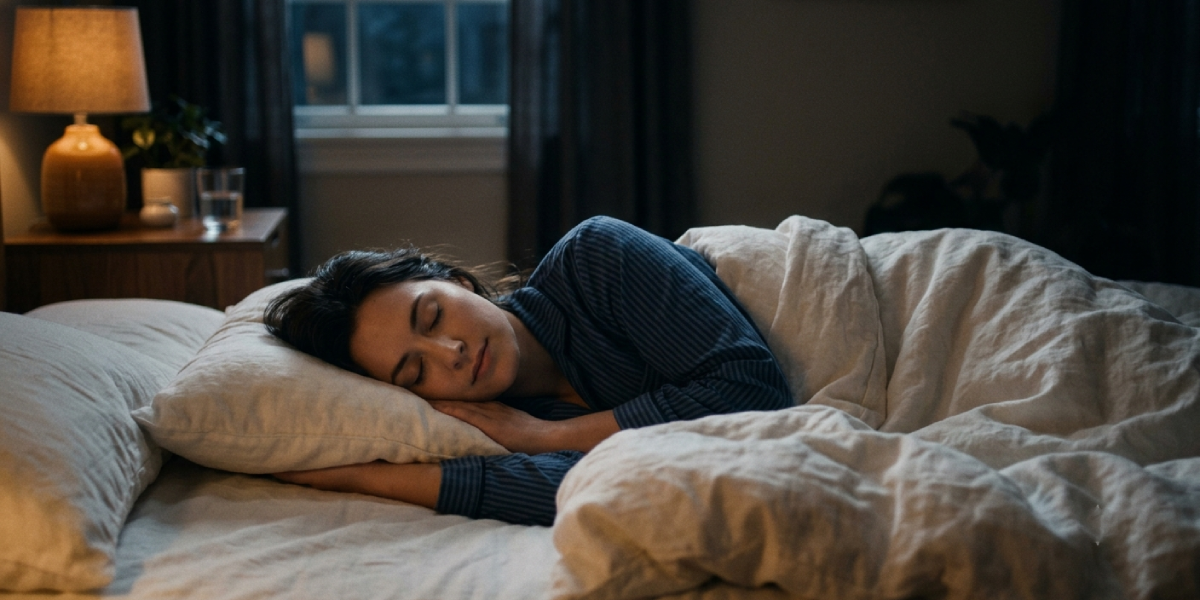
Your brain needs a wind-down signal before it can transition smoothly into sleep. A consistent pre-sleep routine — done in the same order each night — conditions your nervous system to shift from alert, high-arousal wakefulness into the calm, low-arousal state necessary for sleep onset.
Dim the Lights an Hour Before Bed
Bright overhead lighting suppresses melatonin production. Switching to dim, warm-toned lighting in the evening sends a biological cue that darkness — and therefore sleep — is approaching. Avoid fluorescent and LED lights with high blue-light content in the final hour before bed.
Limit Screen Time in the Evening
Smartphones, tablets, laptops, and televisions emit blue-spectrum light that delays melatonin release and increases mental arousal. Ideally, set a screen cutoff 60 to 90 minutes before your target sleep time. If you must use screens in the evening, enable a warm color filter or use blue-light-blocking glasses, though these are not a complete substitute for simply reducing screen exposure.
Cool Down Your Environment
Core body temperature naturally drops during the first half of the night to initiate and maintain sleep. A bedroom environment between 65 and 68 degrees Fahrenheit (roughly 18 to 20 degrees Celsius) supports this process.
A warm bath or shower 90 minutes before bed is a counterintuitive but effective trick — the subsequent drop in body temperature after you exit mimics the cooling process associated with sleep onset.
Engage in Relaxing Activities
Reading a physical book, light stretching, journaling, meditation, or listening to calm music are all effective pre-sleep activities. Avoid emotionally stimulating content, stressful work tasks, or heated conversations in the hour before bed.
Diet, Caffeine, and Alcohol: What You Eat Affects How You Sleep
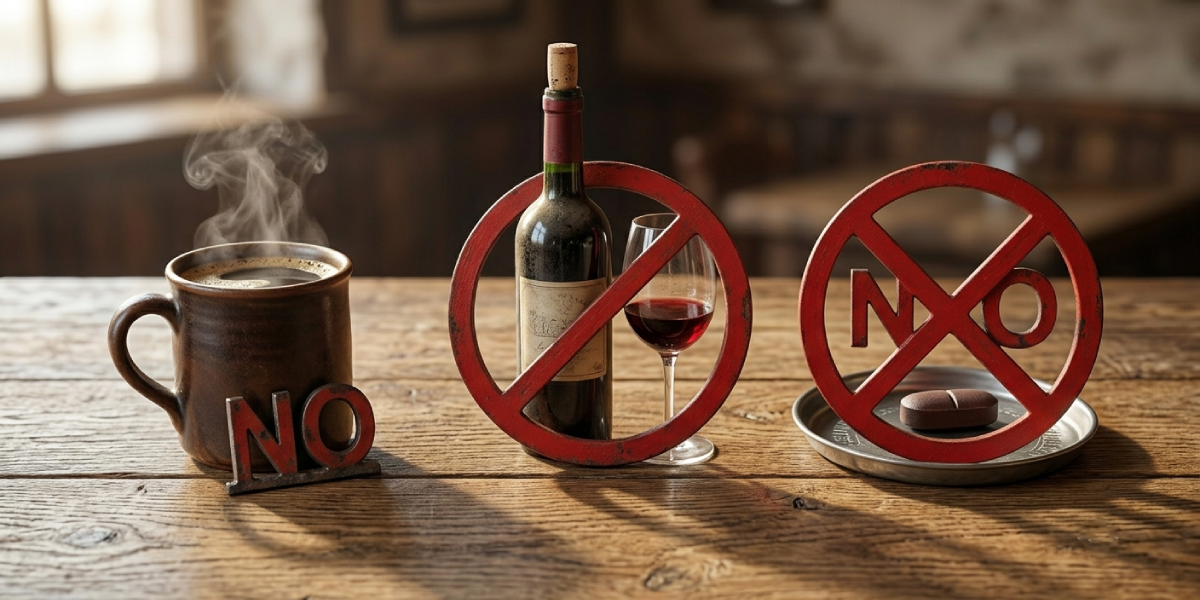
What goes into your body during the day — and especially in the hours before bed — has a significant influence on sleep quality.
Caffeine Has a Long Half-Life
Caffeine blocks adenosine receptors in the brain — adenosine is the chemical that builds sleep pressure throughout the day. The half-life of caffeine in the average adult is approximately five to six hours, meaning that a cup of coffee consumed at 3 p.m. still has half its stimulant effect in your system at 9 p.m.
For sensitive individuals, cutting off caffeine by noon or early afternoon makes a noticeable difference in sleep onset and deep sleep quality.
Alcohol Disrupts Sleep Architecture
Alcohol is often mistaken for a sleep aid because it can accelerate sleep onset. In reality, alcohol suppresses REM sleep in the first half of the night and causes fragmented, lighter sleep in the second half. Regular use of alcohol as a sleep aid leads to worsening sleep quality over time.
If you drink, finishing at least three to four hours before bedtime minimizes its impact on sleep.
Avoid Heavy Meals Close to Bedtime
Eating a large, calorie-dense meal within two to three hours of sleep raises your core body temperature, triggers digestive activity, and can cause acid reflux — all of which interfere with sleep. Light snacks that combine complex carbohydrates with a small amount of protein (such as oatmeal with a handful of nuts) are generally better tolerated if you feel hungry before bed.
Exercise and Sleep: A Two-Way Relationship
Regular physical activity is one of the most well-documented and effective non-pharmaceutical interventions for improving sleep quality. People who exercise consistently fall asleep faster, spend more time in deep slow-wave sleep, and report fewer nighttime awakenings than sedentary individuals.
Even moderate aerobic activity — such as a 30-minute walk — has been shown to improve sleep the same night for people with insomnia.
Exercise influences sleep through multiple pathways: it reduces stress hormones like cortisol over time, increases adenosine (the sleep-pressure chemical), raises core body temperature with a subsequent cooling effect, and improves mood and anxiety levels that often interfere with sleep.
Exploring a variety of exercise routines and movement practices can help you find the consistency that supports long-term sleep improvement.
Timing matters somewhat, though it is less rigid than commonly assumed. High-intensity exercise within about an hour of bedtime raises adrenaline and core temperature in ways that can delay sleep onset for some people. Morning or early afternoon workouts tend to be ideal, though evening exercise at moderate intensity is fine for most people and is far better than not exercising at all.
Stress, Anxiety, and the Racing Mind
A busy, anxious mind is one of the most common reasons people struggle to fall or stay asleep. Stress activates the sympathetic nervous system — the fight-or-flight response — which is physiologically incompatible with sleep. Elevated cortisol levels, fast heart rate, and heightened alertness are all hallmarks of stress-driven sleeplessness.
Building resilient habits around overall physical and mental health creates a compounding benefit for sleep. Some evidence-backed approaches to managing a racing mind at night include:
- Cognitive shuffling: A technique where you visualize random, unrelated objects or scenes to disrupt the ruminative thought patterns that keep you awake.
- Progressive muscle relaxation: Systematically tensing and releasing muscle groups from feet to head reduces physical tension and shifts focus away from anxious thoughts.
- 4-7-8 breathing: Inhale for four counts, hold for seven, exhale for eight. This activates the parasympathetic nervous system and measurably lowers heart rate.
- Journaling: Writing down worries, tomorrow’s to-do list, or unresolved thoughts before bed offloads mental clutter and reduces nighttime rumination.
For persistent or severe sleep anxiety, cognitive behavioral therapy for insomnia (CBT-I) is considered the gold-standard treatment by sleep medicine specialists. It consistently outperforms sleep medication in long-term outcomes and has no side effects.
Optimizing Your Sleep Environment
Your bedroom environment plays a larger role in sleep quality than most people realize. The three key variables are temperature, light, and sound.
Darkness
Even low levels of light during sleep can suppress melatonin and reduce sleep depth. Blackout curtains, an eye mask, and covering any light-emitting electronics in your room are simple but effective interventions. Streetlights, standby indicator lights, and even a glowing alarm clock display can be enough to impact sleep quality over time.
Sound
A quiet sleep environment is ideal, but complete silence is not always achievable or even preferable. White noise, pink noise, or nature sounds can mask unpredictable environmental sounds — like traffic or a snoring partner — and reduce the number of nighttime awakenings.
Consistent background sound creates a stable acoustic environment that is less likely to trigger the brain’s alerting response.
The Bed Is for Sleep
Stimulus control — the practice of reserving your bed exclusively for sleep and sex — is a core behavioral principle in sleep medicine. When you regularly watch TV, scroll your phone, work, or eat in bed, your brain begins to associate the bed with wakefulness rather than sleep.
Over time, this makes falling asleep in bed harder. Keep your bed a sleep-only zone.
Understanding Your Body Weight and Sleep Health
There is a well-established bidirectional relationship between sleep and body composition. Poor sleep disrupts the hormones ghrelin and leptin — which regulate hunger and satiety — making overeating more likely the following day.
At the same time, excess body weight, particularly central obesity, increases the risk of obstructive sleep apnea, a common but frequently undiagnosed condition that causes repeated breathing disruptions during sleep. If you frequently snore loudly, wake gasping, or feel unrefreshed despite adequate time in bed, speaking with a doctor about a sleep study is strongly advised.
Tracking your body mass index alongside your sleep habits can provide useful context as part of a broader health picture.
When to Seek Professional Help
Self-help strategies are highly effective for most cases of mild to moderate sleep difficulty. However, if you have been experiencing significant sleep problems for more than three months, if sleep difficulties are severely affecting your daytime functioning, or if you suspect an underlying condition like sleep apnea, restless legs syndrome, or a mood disorder, professional evaluation is essential.
A board-certified sleep medicine physician or a licensed clinical psychologist specializing in behavioral sleep medicine can provide targeted, evidence-based treatment.
Frequently Asked Questions
How many hours of sleep do adults actually need?
Most adults need between seven and nine hours of sleep per night for optimal health and performance. Individual variation exists — some people function well on seven hours while others need closer to nine — but consistently sleeping fewer than six hours is associated with measurable declines in health and cognitive function. True short sleepers who thrive on less than six hours are rare and represent a very small genetic minority.
What is the best time to go to bed for a good night’s sleep?
The best bedtime is one that allows you to get your required amount of sleep and wake up naturally at your desired time. For most people with standard daytime schedules, a bedtime between 10 p.m. and midnight aligns well with natural melatonin release patterns. Consistency matters more than the exact hour — going to bed and waking at the same time every day is more important than the specific time you choose.
Does melatonin actually help you sleep?
Melatonin supplements can be helpful for adjusting your sleep schedule — such as when traveling across time zones or shifting your bedtime earlier or later. However, they are not a sleep medication and are not typically effective for treating insomnia. They work best taken at low doses (0.5 to 1 mg) one to two hours before your target sleep time. For most people, optimizing sleep hygiene and addressing behavioral patterns is more effective than supplementation.
Why do I wake up at 3 a.m. and cannot get back to sleep?
Early morning awakening is a common form of insomnia often linked to stress, anxiety, depression, or cortisol dysregulation. It can also be a sign that your sleep is being disrupted by alcohol consumed the night before, a blood sugar dip, or an underlying sleep disorder. If it happens consistently, cognitive behavioral therapy for insomnia (CBT-I) is the most evidence-supported treatment. Avoid checking the clock when you wake, as this can increase anxiety and make it harder to return to sleep.
Is napping good or bad for nighttime sleep?
Short naps of 10 to 20 minutes taken before 3 p.m. can restore alertness and performance without significantly affecting nighttime sleep for most people. Longer naps — particularly those lasting 60 to 90 minutes — and naps taken late in the afternoon can reduce sleep pressure and make it harder to fall asleep at your intended bedtime. If you are dealing with insomnia, sleep specialists often recommend avoiding naps entirely while working to consolidate and improve nighttime sleep.
How does stress affect sleep quality?
Stress activates the hypothalamic-pituitary-adrenal (HPA) axis and the sympathetic nervous system, raising cortisol and adrenaline levels and creating a state of physiological alertness that directly opposes the conditions needed for sleep. Elevated evening cortisol delays sleep onset, reduces slow-wave sleep, and increases the likelihood of early morning awakening. Managing stress through exercise, mindfulness, therapy, and relaxation techniques is one of the most impactful things you can do for long-term sleep health.
Can exercise improve sleep quality?
Yes — regular moderate exercise is one of the most robustly supported non-pharmaceutical interventions for sleep improvement. It increases deep sleep, reduces the time it takes to fall asleep, and decreases nighttime awakenings. Benefits are seen with aerobic exercise, resistance training, and even low-intensity movement like yoga or walking. The key is consistency; improvements in sleep quality from exercise tend to compound over weeks rather than appearing after a single session.
What foods or drinks should I avoid before bed?
Caffeine, alcohol, large high-fat meals, and spicy foods are the primary dietary sleep disruptors. Caffeine should ideally be avoided after early afternoon for sensitive individuals. Alcohol, while it may feel relaxing, suppresses REM sleep and causes lighter, more fragmented sleep in the second half of the night. A light snack pairing carbohydrates with protein — such as whole-grain crackers with nut butter — is generally fine if you are hungry before bed and unlikely to disrupt sleep.
What is sleep hygiene and why does it matter?
Sleep hygiene refers to a set of behavioral and environmental practices that support consistent, high-quality sleep. It includes maintaining a regular sleep schedule, creating a cool and dark sleep environment, limiting caffeine and alcohol, avoiding screens before bed, and using the bed only for sleep. Good sleep hygiene works by aligning your biological rhythms, reducing stimulation before bed, and reinforcing strong associations between your bed and sleep. It is the foundation upon which all other sleep interventions build.