

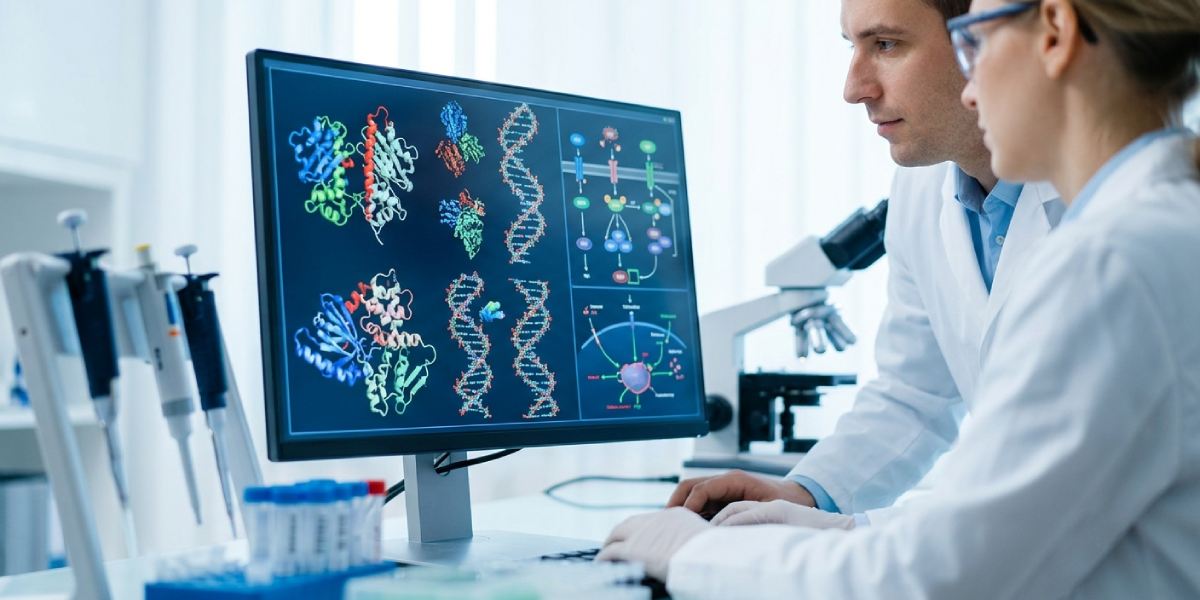
The latest advances in cancer treatment are reshaping how oncologists detect, target, and defeat one of the most complex diseases in human history. From personalized mRNA vaccines and precision immunotherapy to artificial intelligence-guided diagnostics and next-generation liquid biopsies, the pace of progress has never been faster.
If you or a loved one has been touched by cancer, understanding these breakthroughs can help you ask better questions, make more informed decisions, and feel grounded in a landscape that is constantly evolving.
This article walks through the most significant developments currently transforming cancer care, explains what each one means in practical terms, and points to how these innovations fit into a broader picture of long-term health management.
Maintaining a strong foundation of general health remains one of the most evidence-backed strategies for cancer prevention and recovery, and the science behind these new treatments only reinforces that connection.
Why Cancer Treatment Is Changing So Rapidly
For most of the twentieth century, cancer treatment relied heavily on three pillars: surgery, radiation, and chemotherapy. Each approach has saved millions of lives, but all three carry significant limitations, including collateral damage to healthy tissue, drug resistance, and high rates of recurrence in certain cancer types.
The shift toward precision oncology over the past two decades has fundamentally changed the conversation. Instead of attacking cancer broadly, researchers are now targeting it at the molecular level, exploiting the specific genetic mutations and immune vulnerabilities unique to each patient’s tumor.
This evolution is being accelerated by massive leaps in genetic sequencing, computing power, and our understanding of the immune system. The result is a generation of treatments that are more targeted, less toxic, and in many cases, producing outcomes that would have seemed impossible just ten years ago.
Immunotherapy: Turning the Immune System Into a Cancer Fighter
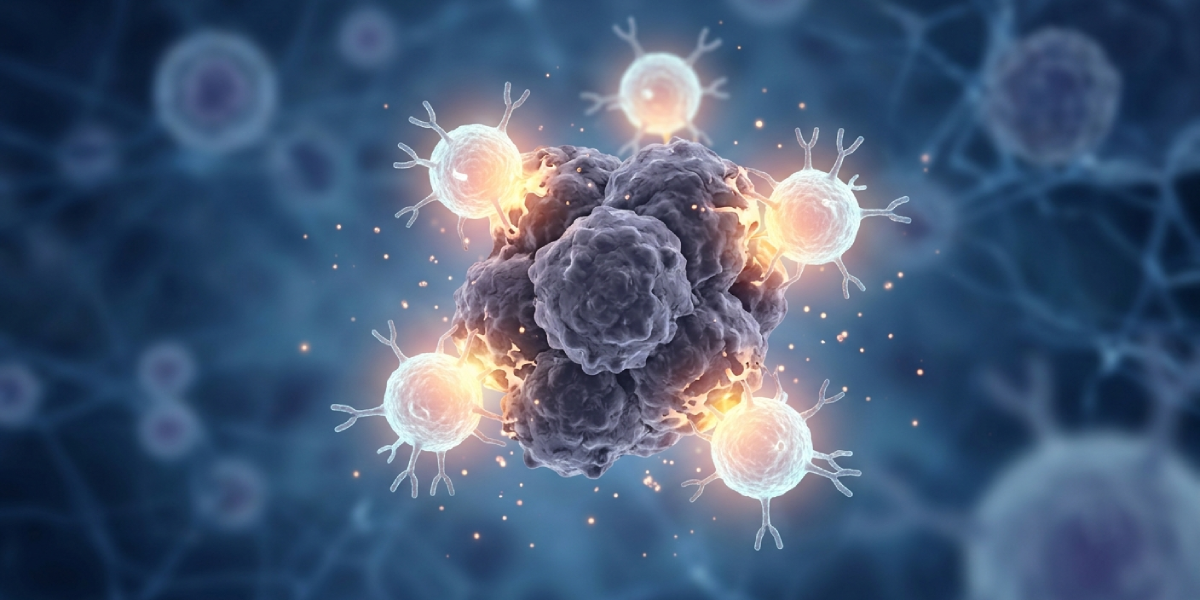
Immunotherapy has become one of the most transformative categories in modern oncology. Rather than directly killing cancer cells with drugs or radiation, immunotherapy works by equipping the body’s own immune system to recognize and destroy malignant cells. Several distinct immunotherapy strategies are now showing strong clinical results.
Checkpoint Inhibitors
Checkpoint inhibitors are drugs that block proteins cancer cells use to hide from immune surveillance. Drugs targeting the PD-1 and PD-L1 pathways have produced remarkable outcomes in cancers like melanoma, lung cancer, and bladder cancer.
For metastatic melanoma specifically, patients who would have survived less than a year a decade ago now have approximately a 50 percent chance of living five or more years with modern immunotherapy regimens.
Researchers at the 2026 American Association for Cancer Research conference highlighted a growing focus on understanding why immune responses fail in some patients, with combination strategies being explored to overcome resistance.
CAR-T Cell Therapy
Chimeric antigen receptor T-cell therapy, known as CAR-T, is one of the most exciting developments in oncology. The process involves removing T-cells from a patient’s blood, genetically engineering those cells in a laboratory to recognize cancer-specific antigens, and infusing them back into the patient’s body where they act as highly targeted hunters.
In blood cancers such as B-cell leukemia, CAR-T therapy has demonstrated cure rates exceeding 80 percent in patients who had exhausted all other treatment options.
The technology is now being extended to solid tumors, and experts at City of Hope predict that by the end of 2026 CAR-T treatments will increasingly be administered in outpatient settings, reducing hospital stays by at least 60 percent and making these therapies accessible to a far broader population.
Bispecific Antibodies
Bispecific antibodies are engineered proteins designed to simultaneously bind to two different targets, typically a cancer cell antigen and a T-cell protein. By physically bridging immune cells to tumor cells, they force the immune system to attack the cancer directly.
Promising results have emerged for advanced gastroesophageal cancers and certain pancreatic malignancies, with new agents being presented at major oncology conferences throughout 2025 and 2026.
The mRNA Cancer Vaccine Revolution
The success of mRNA vaccines during the COVID-19 pandemic demonstrated that this technology could be rapidly developed, safely deployed at scale, and precisely engineered to trigger immune responses. Oncologists quickly recognized the implications for cancer.
Personalized mRNA cancer vaccines work by identifying the unique genetic mutations, called neoantigens, present on a patient’s tumor cells, encoding those targets into an mRNA sequence, and delivering that sequence to prime the immune system specifically against the patient’s cancer.
The most advanced program to date is mRNA-4157, also known as V940, developed by Moderna in collaboration with Merck.
In combination with the checkpoint inhibitor pembrolizumab, this vaccine has shown a 44 percent reduction in recurrence risk for high-risk melanoma patients compared to pembrolizumab alone, with three-year follow-up data confirming sustained benefit.
Phase 3 trials are now underway globally, with regulatory submissions anticipated as early as 2026. Parallel programs targeting colorectal, lung, and prostate cancers are advancing toward late-stage trials.
Memorial Sloan Kettering Cancer Center and BioNTech have also published striking results for personalized mRNA vaccines in pancreatic ductal adenocarcinoma, a cancer historically resistant to almost every treatment. Vaccine-induced immune responses persisted for nearly four years after treatment in some patients, and those with strong immune responses showed meaningfully lower recurrence rates. These findings represent a potential turning point for one of oncology’s most challenging diseases.
Artificial Intelligence Transforms Cancer Detection and Care
Artificial intelligence is no longer a futuristic concept in oncology. It is already changing how cancers are found, staged, and treated. Machine learning models trained on vast repositories of imaging data can now detect tumors in mammograms, CT scans, and pathology slides with accuracy that matches or exceeds experienced radiologists.
More importantly, AI is accelerating drug discovery by predicting how specific molecular compounds will interact with cancer targets, compressing timelines that once took decades into years.
In clinical settings, AI models are being used to predict which patients are most likely to respond to immunotherapy with a reported accuracy of 70 to 80 percent, enabling oncologists to avoid ineffective treatments and tailor care more precisely.
Single-cell spatial transcriptomics, a technology that maps gene expression at the level of individual cells within a tumor, is revealing how tumors grow, evolve, and interact with their surrounding microenvironment. These insights are guiding the development of therapies that target not just the cancer cell itself but the ecosystem that sustains it.
Liquid Biopsies: Earlier Detection Without Surgery
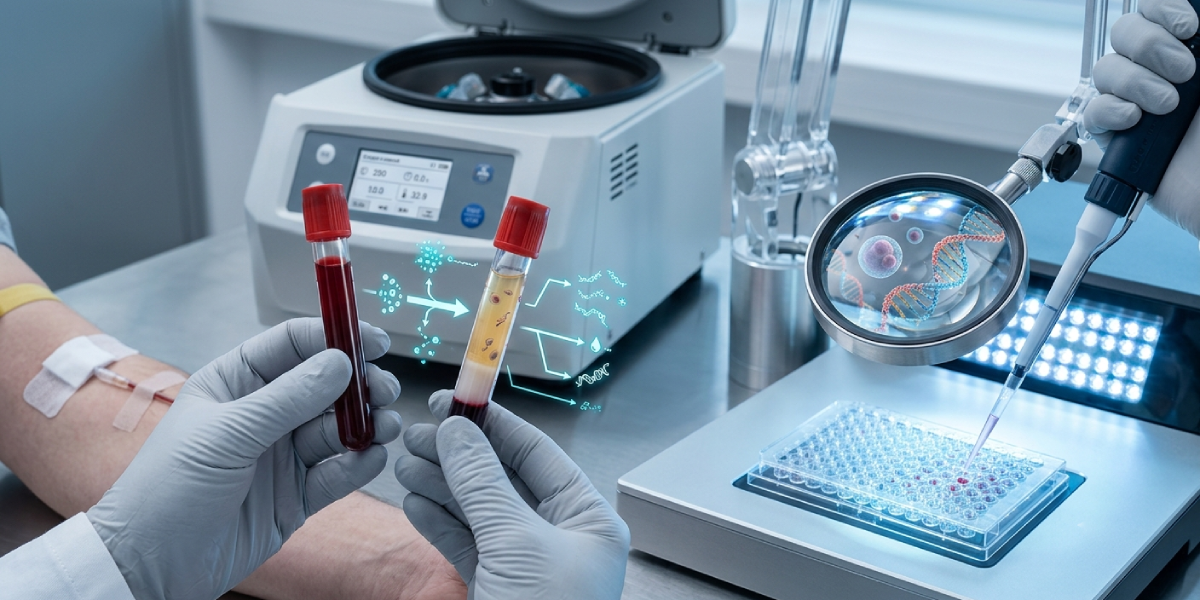
Traditional cancer biopsies require surgeons to physically remove tissue from a tumor, a procedure that carries risk, cost, and patient discomfort. Liquid biopsies change that equation by detecting circulating tumor DNA, or ctDNA, fragments shed by cancer cells into the bloodstream.
A simple blood draw can now reveal the presence of cancer, the specific mutations driving it, and how the tumor is responding to treatment, all without a needle near the tumor itself.
Multi-cancer early detection tests, which screen a single blood sample for signals associated with dozens of cancer types simultaneously, are among the most discussed innovations in oncology.
While clinical guidelines currently recommend these tests alongside rather than instead of standard screening, they hold enormous potential for catching cancers at stages when treatment is most effective.
Institutions worldwide are rapidly integrating liquid biopsy data with AI-driven analytics to optimize diagnostic workflows and guide real-time treatment decisions.
Radiopharmaceuticals: Targeted Radiation With Surgical Precision
Radiopharmaceuticals represent a category of cancer treatment that combines the targeting precision of molecular medicine with the cell-killing power of radiation. These agents pair a radioactive isotope with a molecule that binds selectively to cancer cells, delivering a lethal dose of radiation directly to the tumor while largely sparing surrounding healthy tissue.
The drug lutetium-177 PSMA-617, marketed as Pluvicto, has transformed the treatment landscape for metastatic prostate cancer. It targets the PSMA protein expressed on prostate cancer cells, and clinical trials have shown significant improvements in survival for patients who no longer respond to hormone therapies.
Advances in isotope production, radiochemistry, and delivery methods are making radiopharmaceuticals more scalable and accessible, with the global market projected to reach nearly 14 billion dollars by the end of the decade.
Precision Oncology: Matching Treatments to Tumor Genetics
Precision oncology uses next-generation sequencing to identify the specific genetic mutations driving a patient’s cancer and matches those findings to targeted therapies designed to exploit them. This approach moves away from treating cancer by organ of origin, for example lung cancer or breast cancer, and toward treating it by molecular subtype regardless of where it occurs.
A landmark example is the CROWN study, which demonstrated a median overall survival exceeding five years for patients with ALK-positive non-small cell lung cancer treated with the targeted therapy lorlatinib. That milestone reflects how dramatically outcomes can improve when treatment aligns with a tumor’s genetic fingerprint.
New targeted agents for KRAS mutations, long considered undruggable, are also advancing rapidly through clinical trials, opening doors for patients with pancreatic and lung cancers that were previously without good options.
Managing a healthy body weight, staying physically active, and monitoring key health markers like body composition through tools such as the BMI calculator can complement cancer treatment strategies by supporting immune function, reducing inflammation, and improving treatment tolerance.
Repurposed Drugs and Combination Strategies
One of the more practical and cost-effective trends in cancer research is the systematic investigation of existing approved drugs for anti-cancer properties. Medications originally developed for cardiovascular disease, diabetes, and infectious conditions are being studied in oncology contexts, often showing meaningful synergy when combined with conventional or targeted therapies.
This approach reduces development costs and timelines significantly because safety profiles are already well established. Leading oncologists categorize these advances not by novelty alone but by whether they meaningfully change survival, remission rates, or quality of life for patients.
Addressing Global Cancer Equity
As treatment options grow more sophisticated, the gap between high-income and low-income countries in cancer outcomes is a pressing concern. Survival rates remain dramatically lower in resource-limited settings due to inadequate infrastructure, limited access to newer therapies, and diagnostic delays.
Research institutions and international health organizations are placing increasing emphasis on ensuring that breakthroughs in immunotherapy, mRNA vaccines, and precision medicine translate into real-world benefits for all patients globally, not just those in well-resourced healthcare systems.
Living Well Alongside Treatment
The science of supportive cancer care has also advanced substantially. Exercise oncology, the study of physical activity as a therapeutic tool during and after cancer treatment, is now well supported by clinical evidence. Regular movement helps manage treatment side effects, reduce fatigue, preserve muscle mass, and improve psychological well-being.
Exploring the right types of exercise routines for your fitness level and treatment status, ideally in consultation with a physician or certified exercise physiologist, can meaningfully improve quality of life throughout the cancer journey.
Nutrition, sleep quality, stress management, and strong social support networks also play documented roles in treatment outcomes and recovery. These factors are increasingly integrated into comprehensive cancer care plans at leading institutions.
What to Discuss With Your Oncologist
If you or someone close to you is navigating a cancer diagnosis, the volume of new information can feel overwhelming.
A few questions worth raising with your care team include whether comprehensive genomic profiling of your tumor is appropriate, whether any clinical trials involving immunotherapy, mRNA vaccines, or targeted agents might apply to your situation, and whether your treatment center has integrated AI-assisted diagnostics or liquid biopsy monitoring into its protocols.
Being an informed and proactive participant in your care is one of the most powerful things you can do.
Frequently Asked Questions
What are the most significant recent advances in cancer treatment?
The most significant recent advances include CAR-T cell therapy for blood cancers, personalized mRNA cancer vaccines, checkpoint inhibitor immunotherapy, AI-driven diagnostics, liquid biopsies for early detection, precision oncology guided by genomic sequencing, radiopharmaceuticals like lutetium PSMA therapy, and bispecific antibodies targeting hard-to-treat tumors.
How do mRNA cancer vaccines work?
Personalized mRNA cancer vaccines identify the unique mutations present on a patient’s tumor cells, encode those targets into an mRNA sequence, and instruct the patient’s immune system to recognize and attack cells displaying those markers. Unlike preventive vaccines, therapeutic mRNA cancer vaccines are designed to treat existing cancer and reduce recurrence risk.
What is CAR-T cell therapy and who is eligible for it?
CAR-T therapy involves harvesting a patient’s T-cells, genetically engineering them in a lab to recognize cancer-specific proteins, and infusing them back into the body. It has shown cure rates above 80 percent in certain blood cancers. Eligibility depends on cancer type, prior treatments, and overall health, and it is typically considered when other therapies have been exhausted.
What is a liquid biopsy and how is it different from a standard biopsy?
A liquid biopsy detects fragments of tumor DNA circulating in the bloodstream through a simple blood draw, while a standard biopsy requires surgically removing tissue from the tumor. Liquid biopsies can detect cancer early, monitor treatment response, and identify emerging drug resistance in a minimally invasive way.
How is artificial intelligence being used in cancer treatment?
AI is being used to detect tumors in imaging scans with high accuracy, predict which patients will respond to immunotherapy, accelerate drug discovery, analyze genetic data from tumors, and integrate multi-source data to guide personalized treatment decisions. AI models predicting immunotherapy response currently achieve 70 to 80 percent accuracy in clinical settings.
Can lifestyle changes improve cancer treatment outcomes?
Yes. Evidence shows that regular physical activity, maintaining a healthy body weight, eating a nutrient-dense diet, and managing stress all support immune function, reduce inflammation, improve treatment tolerance, and enhance quality of life during and after cancer treatment. These interventions are increasingly integrated into formal cancer care plans.
What is precision oncology and how is it different from traditional cancer treatment?
Traditional cancer treatment is largely based on where in the body the cancer originated, such as lung or breast cancer. Precision oncology sequences the genetic mutations driving a specific tumor and matches therapy to those mutations, regardless of tumor location. This approach produces significantly better outcomes in cancers with well-defined targetable mutations.
What are radiopharmaceuticals and which cancers do they treat?
Radiopharmaceuticals combine a radioactive isotope with a molecule that binds selectively to cancer cells, delivering targeted radiation directly to the tumor with minimal damage to surrounding tissue. The best-known current example is lutetium-177 PSMA-617 for metastatic prostate cancer. Research into radiopharmaceuticals for other solid tumors is actively expanding.
Are personalized mRNA cancer vaccines available to patients right now?
Personalized mRNA cancer vaccines are still in clinical trials for most cancer types. The most advanced program, mRNA-4157 in combination with pembrolizumab for melanoma, is in Phase 3 trials with regulatory submissions anticipated in 2026. Patients may be able to access these treatments through clinical trial enrollment depending on their cancer type and eligibility.
How can I find out if a clinical trial for a new cancer treatment is right for me?
Speak directly with your oncologist about your tumor’s genomic profile, as many trials enroll based on specific mutations rather than cancer type. Resources like ClinicalTrials.gov list active trials by cancer type, location, and eligibility criteria. Major cancer centers often have dedicated clinical trial navigation teams to help patients identify appropriate options.