


If you think you have the flu, the first 48 hours matter most: rest, hydrate, monitor your symptoms closely, and know which warning signs mean it’s time to call a doctor. Influenza hits fast, and how you respond in the early stages can shape how quickly you recover and whether complications develop.
I’ve spent years watching patients walk into clinics unsure whether they’re dealing with a bad cold or the real thing, and the uncertainty itself often causes more stress than the illness. This guide walks through how to recognize flu symptoms, what to do at home, when home care isn’t enough, and how to protect the people around you while you recover.
How to Tell If It’s the Flu and Not Just a Cold
One of the clearest signals doctors look for is how quickly symptoms appear. A cold tends to creep in gradually, with a scratchy throat one day and a runny nose the next. The flu is different. It often hits within hours, leaving you feeling fine in the morning and flattened by afternoon.
Classic flu symptoms include:
- Sudden high fever, typically 100.4°F (38°C) or higher
- Severe body aches and muscle pain
- Extreme fatigue that makes even small tasks feel exhausting
- Dry, persistent cough
- Headache and chills
- Sore throat and nasal congestion, though usually less prominent than with a cold
Fever is a useful clue but not a requirement. Some people, especially older adults, get the flu without ever spiking a noticeable temperature, so don’t rule it out just because your thermometer reads normal.
A Note on This Season’s Flu Strains
It’s also worth knowing that flu seasons vary year to year depending on which strains are circulating. Public health authorities track these patterns closely and update vaccines annually to try to match the dominant strains, though the match isn’t always perfect.
This is one more reason why symptom awareness and prompt action matter regardless of vaccination status.
What to Do in the First 24 to 48 Hours
The early window after symptoms start is the most important stretch of the illness. Most healthy adults can manage the flu safely at home, but how you handle these first couple of days affects how fast you bounce back.
Stay Home and Rest
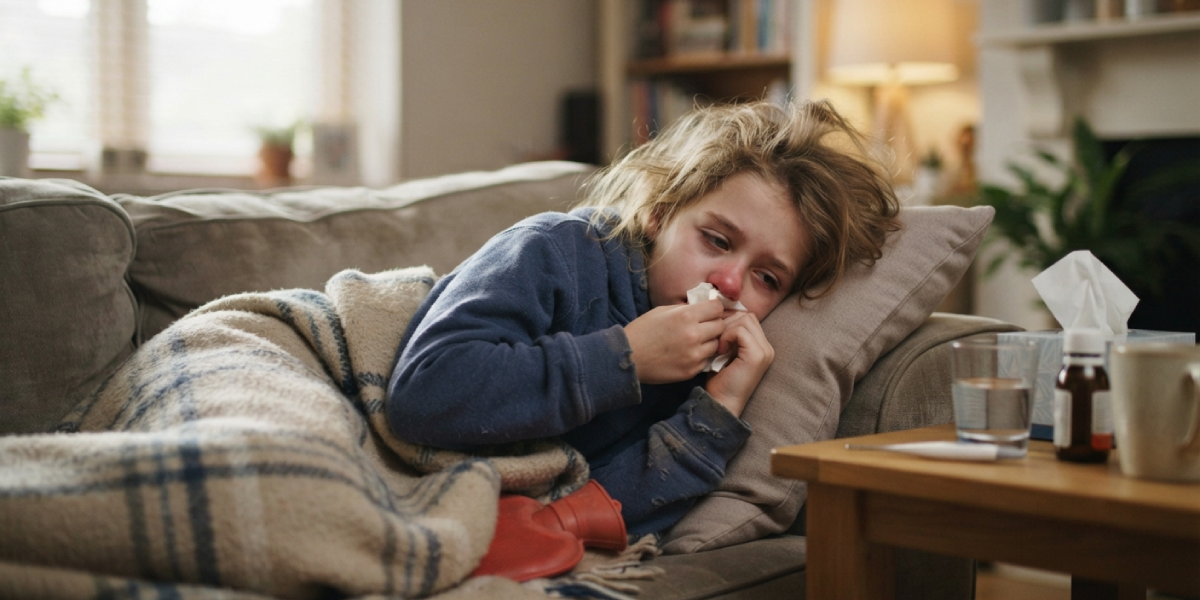
Your body needs energy to fight the infection, and pushing through a workday or a workout diverts resources away from recovery. Plan to stay home, away from others, except when you need medical care. If you’re someone who normally stays active, this is a temporary pause, not a long-term setback. Once you’re back on your feet, our exercise guides can help you ease back into your routine without overdoing it.
Hydrate Consistently
Fever and congestion both increase fluid loss. Water, broth, and electrolyte drinks all help. A simple way to check your hydration is the color of your urine, pale yellow generally means you’re doing fine; dark yellow means drink more.
Manage Symptoms With Over-the-Counter Medication
Acetaminophen or ibuprofen can bring down fever and ease body aches. Always follow dosing instructions on the label, and avoid combining multiple products that contain the same active ingredient, which is a common and avoidable mistake.
Children and teenagers should never be given aspirin or products containing salicylates for flu-like symptoms, due to the risk of a rare but serious condition called Reye’s syndrome.
Talk to a Doctor Early If You’re in a Higher-Risk Group

This is the piece I want to emphasize most. If you’re 65 or older, pregnant, a young child, or living with a chronic condition like asthma, diabetes, or heart disease, don’t wait to see if symptoms improve on their own.
Antiviral medications work best when started within the first two days of symptom onset, and the benefit is greatest the earlier treatment begins. Doctors can often start treatment based on symptoms alone, without waiting for test results, particularly when someone is at higher risk.
When Home Care Isn’t Enough: Warning Signs to Watch For
Most flu cases resolve with rest and supportive care, and the emergency room isn’t the right move for mild illness. But certain symptoms signal that the infection is progressing in a way that needs urgent attention. In adults, seek emergency care for:
- Difficulty breathing or shortness of breath
- Persistent chest pain or pressure
- Sudden dizziness or confusion
- Severe or persistent vomiting
- Symptoms that improve, then suddenly return with a worse fever or cough
In children, additional warning signs include fast or labored breathing, bluish lips or face, ribs pulling in with each breath, not waking up or interacting normally, and being unable to keep fluids down.
| Situation | Recommended Action |
|---|---|
| Mild symptoms, healthy adult, no high-risk conditions | Rest and manage symptoms at home |
| Symptoms in a higher-risk individual (young children, 65+, pregnant, chronic illness) | Contact a doctor promptly, ideally within the first two days |
| Worsening symptoms or any emergency warning sign | Seek emergency medical care immediately |
| Uncertainty about severity or persistent worry | Call your healthcare provider for guidance |
Understanding Antiviral Treatment
Antiviral drugs, most commonly oseltamivir, are prescription medications that work directly against the influenza virus. They are not the same as antibiotics, which treat bacterial infections and have no effect on viruses like influenza. A doctor needs to prescribe antivirals; they aren’t available over the counter.
These medications work best when started within 48 hours of symptom onset, where they can shorten the illness by about a day and reduce the risk of complications. Starting later can still provide benefit, particularly for people who are hospitalized or at higher risk, so it’s worth asking your doctor about treatment even if a day or two has already passed.
Protecting the People Around You
Flu is contagious before you even notice symptoms, and remains so for several days afterward. While you’re sick:
- Stay home and limit close contact with others as much as possible
- Cover coughs and sneezes with a tissue or your elbow
- Wash your hands frequently, especially after blowing your nose
- Consider wearing a mask if you must be around others, which reduces the spread of respiratory particles in both directions
- Disinfect frequently touched surfaces like doorknobs and phones
Supporting Your Recovery and Long-Term Health
Recovering well from the flu isn’t just about getting through the illness, it’s about giving your body what it needs to bounce back fully. Nutrition, sleep, and a gradual return to activity all play a role. If you’re working on broader wellness goals once you’re feeling better, our health resources cover practical strategies for building resilience against future illness. And if you’re tracking your overall health metrics as part of your recovery plan, the BMI calculator is a useful starting point for understanding where you stand.
Frequently Asked Questions
How long does the flu typically last?
Most healthy adults recover within one to two weeks, though fatigue and a lingering cough can persist a bit longer. Fever and the most intense symptoms usually improve within three to five days.
Can I have the flu without a fever?
Yes. Some people, particularly older adults, experience flu without a noticeable fever. Body aches, fatigue, and respiratory symptoms can still indicate influenza even when your temperature stays normal.
Is it safe to exercise with the flu?
It’s best to avoid exercise while you have fever, body aches, or fatigue, since intense activity can strain your immune system and delay recovery. Light walking once you’re feeling better is fine; save more vigorous activity for after you’ve fully recovered.
Should I get tested, or can my doctor treat me without a test?
Doctors can often diagnose and treat flu based on symptoms alone, especially if you’re at higher risk for complications. Testing isn’t always necessary before starting treatment, and waiting for results shouldn’t delay care if your doctor suspects flu.
What’s the difference between flu and COVID-19 symptoms?
The two conditions overlap significantly, including fever, cough, and fatigue, which makes them hard to tell apart by symptoms alone. Loss of taste or smell is more commonly associated with COVID-19, but testing is the only reliable way to distinguish between them.
Can children take the same flu medications as adults?
Dosing for antivirals and over-the-counter medications differs by age and weight, so always follow a pediatrician’s guidance for children. Aspirin should never be given to children or teenagers with flu-like symptoms due to the risk of Reye’s syndrome.
How soon after exposure can I get sick?
Flu symptoms typically appear one to four days after exposure to the virus, with two days being the most common incubation period.
When can I go back to work or school after having the flu?
A common guideline is to wait until you’ve been fever-free for at least 24 hours without using fever-reducing medication, and you feel well enough to resume normal activities.
Does getting a flu vaccine mean I definitely won’t get the flu?
No vaccine offers complete protection, since circulating strains can vary in how closely they match the vaccine each season. Vaccination still meaningfully reduces your risk of severe illness and hospitalization even in years with a less-than-perfect match.
Are antiviral drugs the same as antibiotics?
No. Antivirals target viruses like influenza, while antibiotics treat bacterial infections and have no effect on the flu virus. Taking antibiotics for flu won’t help and can contribute to antibiotic resistance.