
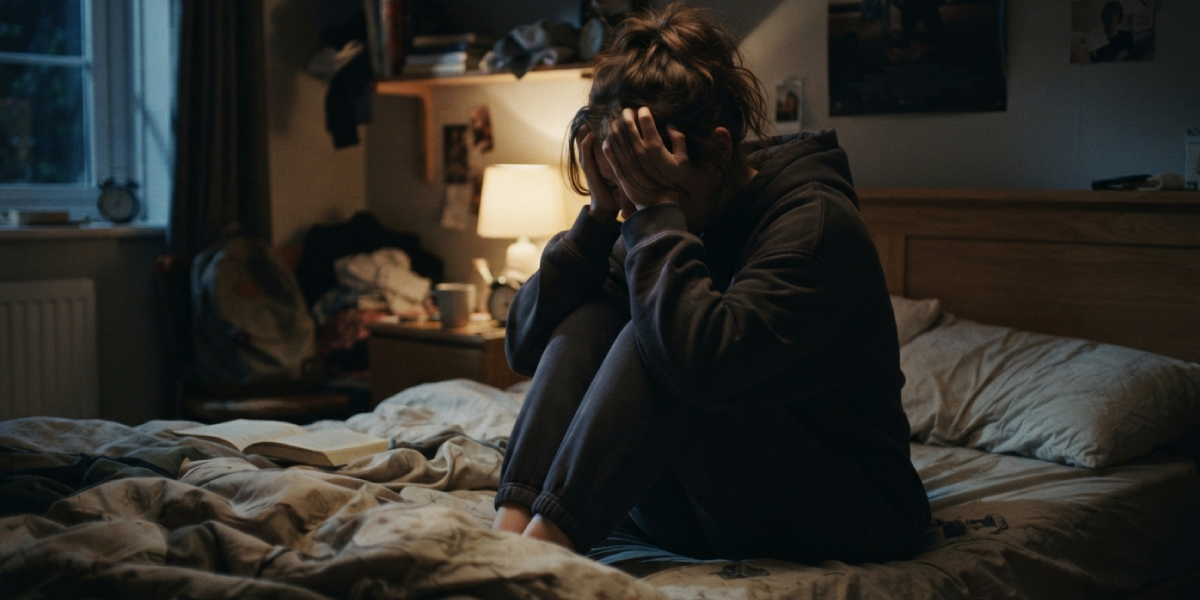
Anxiety can feel like a storm that builds without warning, and learning how to manage anxiety is one of the most valuable skills you can develop for your mental and physical wellbeing. Whether it shows up as racing thoughts before a big meeting or a tight chest on a quiet evening, anxiety is manageable once you understand what’s driving it and which tools actually work.
This guide draws on widely recognized clinical approaches, including cognitive behavioral therapy (CBT) principles endorsed by the World Health Organization, alongside practical, everyday strategies that real people use to calm their nervous system and regain a sense of control.
What Anxiety Really Is (And Why It Happens)
Anxiety is your body’s natural alarm system. It evolved to protect you from danger by triggering the “fight or flight” response: a surge of adrenaline, a faster heartbeat, and heightened alertness. The problem is that this system doesn’t always distinguish between a genuine threat, like a car swerving toward you, and a perceived one, like an overflowing inbox or an upcoming presentation.
When anxiety becomes frequent, disproportionate, or hard to switch off, it starts interfering with daily life. According to the World Health Organization, a significant majority of people with anxiety disorders worldwide still don’t receive adequate care, which makes self-management strategies and accessible information more important than ever.
Common Signs of Anxiety
- Persistent worry that feels difficult to control
- Muscle tension, restlessness, or a racing heart
- Trouble concentrating or a mind that goes blank
- Sleep disturbances, including difficulty falling or staying asleep
- Avoidance of situations that trigger worry
- Digestive discomfort or unexplained physical symptoms
Proven Techniques to Manage Anxiety
Effective anxiety management isn’t about eliminating anxiety completely. It’s about reducing its intensity and frequency so it no longer runs the show. The following techniques are grounded in established clinical research and are commonly recommended by mental health professionals.
1. Practice Controlled Breathing
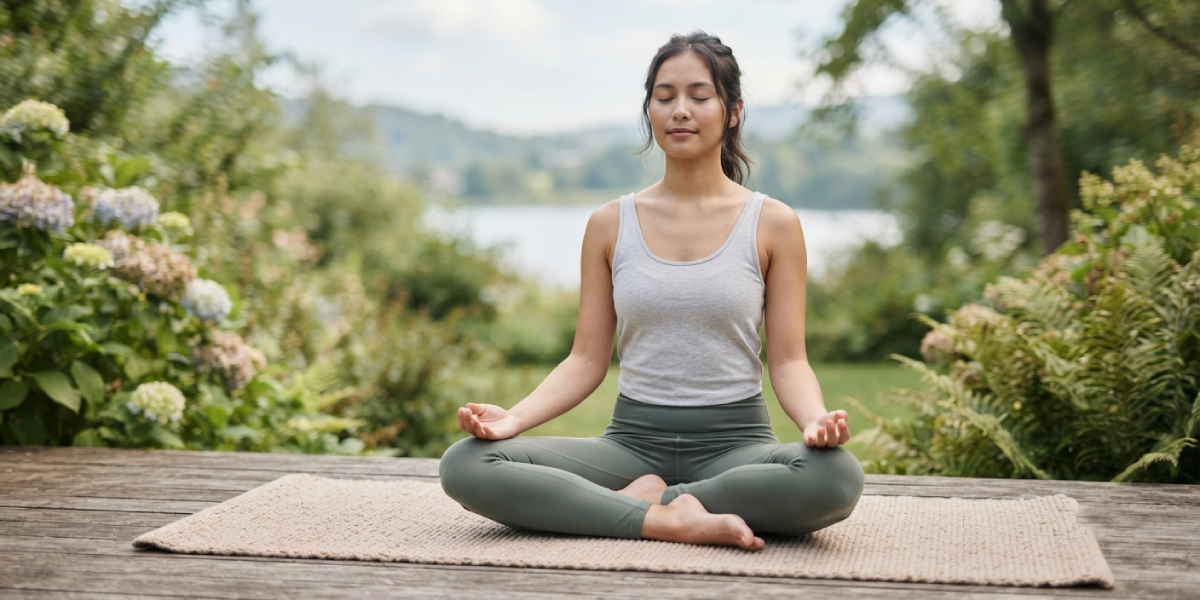
Slow, deliberate breathing activates the parasympathetic nervous system, which counteracts the fight-or-flight response. A simple method: sit comfortably, place a hand on your belly, inhale slowly through your nose for a count of four, hold briefly, then exhale through your mouth for a count of six. Repeating this for just a few minutes can measurably lower heart rate and ease physical tension.
2. Challenge Anxious Thoughts with CBT Principles
Cognitive behavioral therapy remains one of the most well-supported approaches for anxiety, recommended by major health bodies including the WHO. At its core, CBT teaches you to notice anxious thought patterns, such as catastrophizing or all-or-nothing thinking, and gently question whether they’re accurate.
Ask yourself: What’s the actual evidence for this fear? What would I tell a friend in this situation? This isn’t about dismissing your feelings; it’s about giving your thoughts a fair, balanced hearing.
3. Use Gradual Exposure Instead of Avoidance
Avoiding what makes you anxious provides short-term relief but reinforces anxiety long-term. Gradual exposure, where you face a feared situation in small, manageable steps, helps retrain your brain to recognize that the situation is safer than it feels.
For example, someone anxious about public speaking might start by speaking up in small group settings before working toward larger audiences.
4. Move Your Body Regularly
Physical activity is one of the most consistently supported lifestyle interventions for anxiety. Exercise burns off excess stress hormones, boosts mood-regulating neurotransmitters, and gives your mind a structured outlet for restless energy. You don’t need an intense routine.
A brisk daily walk, swimming, or a home workout can make a meaningful difference. Browsing a variety of exercise routines can help you find an activity that genuinely fits your lifestyle and that you’ll actually stick with.
5. Prioritize Sleep Hygiene
Anxiety and poor sleep feed each other in a frustrating cycle. Sleep deprivation heightens emotional reactivity, while anxiety makes it harder to fall and stay asleep. Protect your sleep by keeping a consistent bedtime, limiting screens an hour before bed, and avoiding caffeine in the afternoon and evening.
6. Limit Stimulants and Mind Your Diet
Caffeine and high-sugar foods can mimic or intensify anxiety symptoms by spiking heart rate and blood sugar fluctuations. A balanced diet rich in whole foods, lean protein, and steady blood sugar levels supports a calmer nervous system.
Exploring broader health and wellness resources can give you a fuller picture of how nutrition, sleep, and movement work together to support emotional resilience.
7. Try Grounding Techniques in the Moment
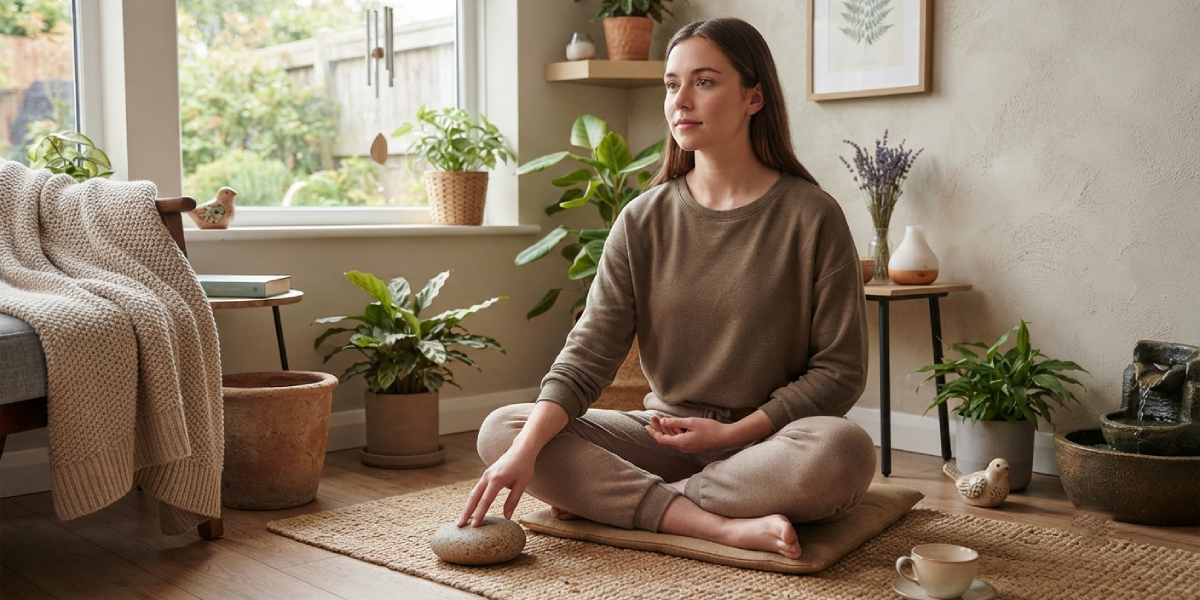
When anxiety spikes suddenly, grounding techniques bring your attention back to the present. The “5-4-3-2-1” method is a popular example: name five things you can see, four you can touch, three you can hear, two you can smell, and one you can taste. This interrupts spiraling thoughts by anchoring your senses in the here and now.
8. Maintain a Healthy Weight and Track Your Wellbeing
Physical health and mental health are deeply connected. Carrying excess weight or experiencing significant weight fluctuations can sometimes contribute to fatigue, poor sleep, and lowered self-esteem, all of which can amplify anxious feelings.
Using a tool like a BMI calculator can offer a useful starting point for understanding your overall health baseline as part of a broader self-care routine.
Building a Long-Term Anxiety Management Plan
Quick techniques help in the moment, but lasting relief comes from consistency. Consider building a personal toolkit that includes:
- A daily stress-reduction habit, such as breathing exercises or journaling
- Regular physical activity, even in short bursts
- A consistent sleep schedule
- Mindful awareness of caffeine, alcohol, and sugar intake
- Open conversations with a trusted friend, family member, or therapist
- Professional support when anxiety significantly disrupts daily functioning
When to Seek Professional Help
Self-management strategies are powerful, but they aren’t a substitute for professional care when anxiety becomes severe, persistent, or disabling. Consider reaching out to a doctor or licensed mental health professional if anxiety:
- Interferes with work, relationships, or daily responsibilities
- Causes panic attacks or physical symptoms that concern you
- Persists for most days over several weeks
- Leads to avoidance of important activities or social situations
- Comes with low mood, hopelessness, or thoughts of self-harm
A licensed therapist can help determine whether evidence-based therapy, lifestyle adjustments, or in some cases medication, would best support your situation. There is no shame in seeking help. Anxiety disorders are among the most common and most treatable mental health conditions.
| Strategy | Best Used For |
|---|---|
| Controlled breathing | Sudden anxiety spikes or panic |
| CBT-based thought challenging | Persistent worry and rumination |
| Gradual exposure | Avoidance behaviors and phobias |
| Regular exercise | Ongoing stress and tension |
| Sleep hygiene | Anxiety linked to fatigue or insomnia |
| Grounding techniques | In-the-moment overwhelm |
Frequently Asked Questions
What is the fastest way to calm anxiety?
Slow, controlled breathing is one of the fastest ways to calm anxiety because it directly activates your body’s relaxation response within minutes.
Can anxiety be completely cured?
Anxiety can be effectively managed and significantly reduced, though it’s a normal human emotion that may resurface during stressful periods. The goal is manageable, not zero, anxiety.
Does exercise really help with anxiety?
Yes. Physical activity reduces stress hormones and boosts mood-regulating brain chemicals, making it one of the most consistently effective natural tools for anxiety relief.
Is anxiety the same as stress?
Not exactly. Stress is typically a response to an external pressure, while anxiety can persist even without a clear external trigger and often involves ongoing worry.
Can diet affect anxiety levels?
Yes. Excess caffeine, sugar, and alcohol can intensify anxiety symptoms, while a balanced diet supports steadier energy and mood throughout the day.
How does sleep affect anxiety?
Poor sleep increases emotional sensitivity and makes it harder to manage stress, while anxiety itself can make falling and staying asleep more difficult, creating a cycle that’s important to break.
When should I see a doctor about anxiety?
You should consider professional support if anxiety persists for weeks, disrupts daily life, causes physical symptoms, or leads to avoidance of important responsibilities or relationships.
What is the 5-4-3-2-1 grounding technique?
It’s a sensory exercise where you identify five things you see, four you touch, three you hear, two you smell, and one you taste to anchor yourself in the present moment.
Can anxiety cause physical symptoms?
Yes. Anxiety commonly causes physical symptoms such as a racing heart, muscle tension, digestive discomfort, fatigue, and shortness of breath.