


Learning how to track your exercise progress is one of the most reliable ways to stay motivated, avoid plateaus, and actually see results from the time you put into your workouts. After years of working with people who start strong but lose steam by week three, I’ve found that the difference between those who stick with fitness and those who quit almost always comes down to one thing: tracking.
Tracking is not just about logging numbers in a notebook. It’s about understanding your body’s response to training, recognizing patterns, and making small adjustments before frustration sets in. Whether you’re lifting weights, running, doing yoga, or following a mix of everything, a structured tracking system turns guesswork into a clear, data-backed plan.
Why Tracking Exercise Progress Matters
Many people quit workout routines not because the program failed, but because they couldn’t see the progress that was actually happening. Strength gains, improved endurance, and better mobility often happen gradually, and without a record, it’s easy to feel like nothing is changing even when your body is improving in measurable ways.
Tracking also helps you catch warning signs early. A sudden drop in performance, a stalled weight on the bar, or a resting heart rate that won’t come down can all signal overtraining, poor recovery, or the need to adjust your plan. You can explore a wide range of structured routines in our exercises section to find programs that match your current fitness level and goals.
Setting Clear, Measurable Goals First
Before you can track progress, you need a target. Vague goals like “get fit” or “lose weight” don’t give you anything concrete to measure against. Instead, aim for specificity.
- Increase squat weight by 10 percent in eight weeks
- Run a 5K in under 28 minutes
- Complete three strength sessions per week for two months
- Reduce body fat percentage by 3 points in 90 days
Specific, time-bound goals give your tracking system a purpose. They also make it easier to evaluate whether your current plan is working or whether changes are needed.
Methods for Tracking Exercise Progress
Workout Journals and Apps
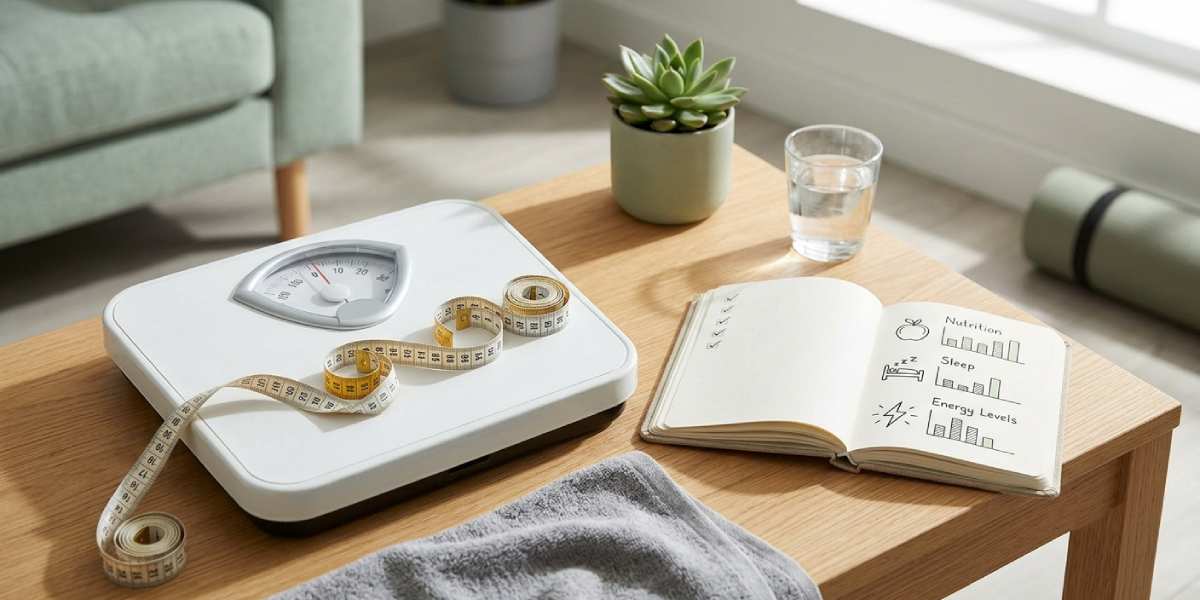
A simple notebook or a fitness app can capture sets, reps, weight used, rest periods, and how a session felt. Apps add the benefit of automatic charts and reminders, but a paper journal works just as well if you’re consistent with it. The key is recording the same data points every session so comparisons are meaningful over time.
Body Measurements
The scale tells only part of the story. Taking measurements of your waist, hips, chest, and limbs every two to four weeks gives a fuller picture of body composition changes, especially when strength training is involved and muscle is replacing fat.
Progress Photos
Photos taken in consistent lighting, clothing, and poses every few weeks often reveal changes that scales and tape measures miss. Visual comparisons can be powerful motivators during plateaus when other numbers seem stuck.
Performance Benchmarks
Periodically retesting key markers, such as how many push-ups you can do in a minute, your one-rep max on major lifts, or your mile time, gives you concrete proof of improvement. Schedule these benchmark tests every four to six weeks rather than constantly, since too-frequent testing can interfere with training and recovery.
Wearable Technology
Fitness trackers and smartwatches monitor heart rate, calories burned, sleep quality, and daily activity levels. These devices are useful for spotting trends in recovery and overall activity, though the calorie estimates should be treated as approximate rather than exact.
Using a BMI Calculator as a Starting Reference Point
Body Mass Index is not a perfect measure of fitness, since it doesn’t distinguish between muscle and fat, but it remains a useful starting reference point, especially when paired with other tracking methods. Checking your number with our BMI calculator can help you understand where you currently stand and set realistic, health-based goals rather than relying on appearance alone.
For a more complete picture of your health beyond exercise tracking, our health section covers nutrition, recovery, and lifestyle factors that directly influence how well your training translates into results.
Building a Sustainable Tracking Routine
Choose One Primary System
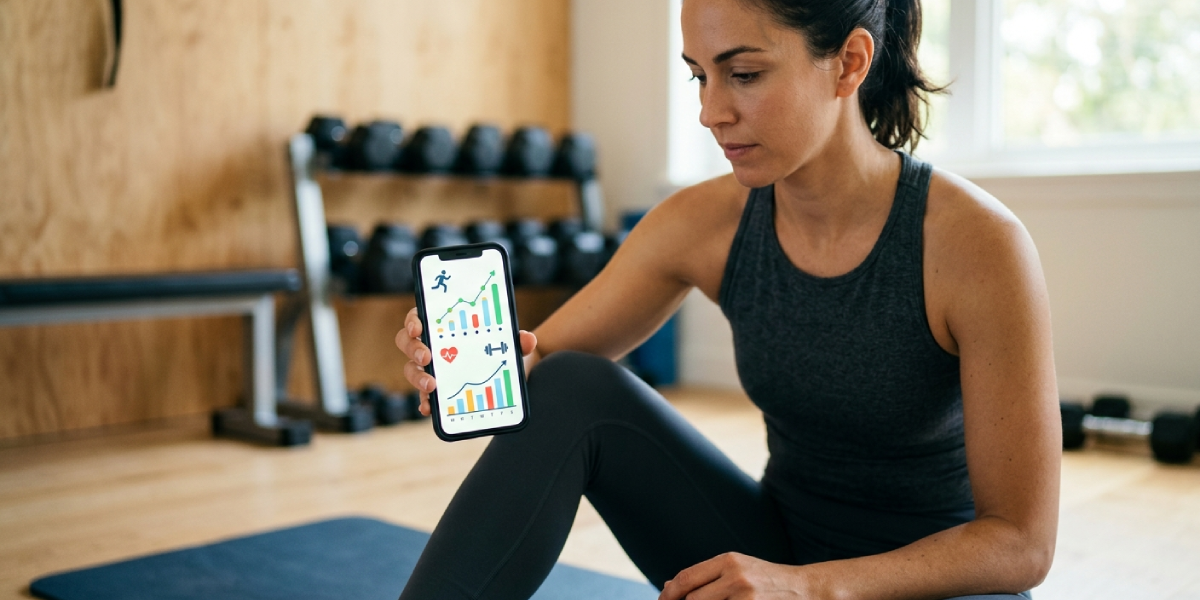
Trying to track everything across five different apps usually leads to abandoning all of them. Pick one primary method, whether that’s an app, spreadsheet, or journal, and commit to it for at least a month before adding anything else.
Track Consistently, Not Obsessively
Daily weigh-ins or constant performance testing can create unnecessary stress and mask the natural fluctuations that happen with hydration, sleep, and hormones. Weekly or biweekly check-ins are usually sufficient for most goals.
Review Your Data Regularly
Set aside time every two to four weeks to actually look back at your records. Identify what’s working, what’s stalled, and what needs adjusting. This review process is where tracking turns into actionable improvement rather than just a pile of numbers.
Common Tracking Mistakes to Avoid
| Mistake | Better Approach |
|---|---|
| Relying only on the scale | Combine weight with measurements, photos, and performance metrics |
| Comparing yourself to others’ progress | Track your own baseline and personal trends over time |
| Skipping rest day tracking | Log recovery, sleep, and how you feel, not just workouts |
| Changing programs too frequently | Give a plan at least four to six weeks before judging results |
Staying on Course When Progress Slows
Plateaus are a normal part of any fitness journey and don’t necessarily mean something is wrong. When progress slows, your tracking data becomes especially valuable because it helps you pinpoint whether the issue is training intensity, recovery, nutrition, or simply a natural plateau that will pass with consistency. Small adjustments, such as changing rep ranges, increasing protein intake, or adding an extra rest day, are often more effective than overhauling an entire routine.
Frequently Asked Questions
How often should I track my exercise progress?
Weekly tracking for workouts and biweekly to monthly tracking for measurements and photos strikes a good balance between useful data and avoiding obsessive monitoring.
What is the best way to track strength training progress?
Recording sets, reps, and weight lifted for each exercise in a journal or app is the most direct way to see strength gains over time.
Do I need expensive equipment to track my progress?
No. A notebook, a tape measure, and a smartphone camera are enough to track most fitness goals effectively.
Why isn’t the scale moving even though I feel stronger?
Muscle gain and fat loss can happen simultaneously, which may keep your weight steady while your body composition improves. Measurements and photos often reveal this better than the scale.
Is BMI a reliable measure of fitness?
BMI is a useful general health reference but doesn’t account for muscle mass, so it works best alongside other tracking methods rather than as a standalone measure.
How long should I follow a workout plan before checking results?
Most fitness plans need four to six weeks before meaningful changes show up in performance or body composition.
What should I do if my progress has stalled?
Review your tracking data for clues, then make one small adjustment at a time, such as changing intensity, improving sleep, or adjusting nutrition.
Can wearable fitness trackers replace manual tracking?
Wearables are helpful for monitoring activity and heart rate trends, but manual logs for strength, measurements, and goals still provide more precise and personalized data.
What is the most common reason people stop tracking their progress?
Choosing a system that’s too complicated or time-consuming is the most common reason people abandon tracking within the first few weeks.