

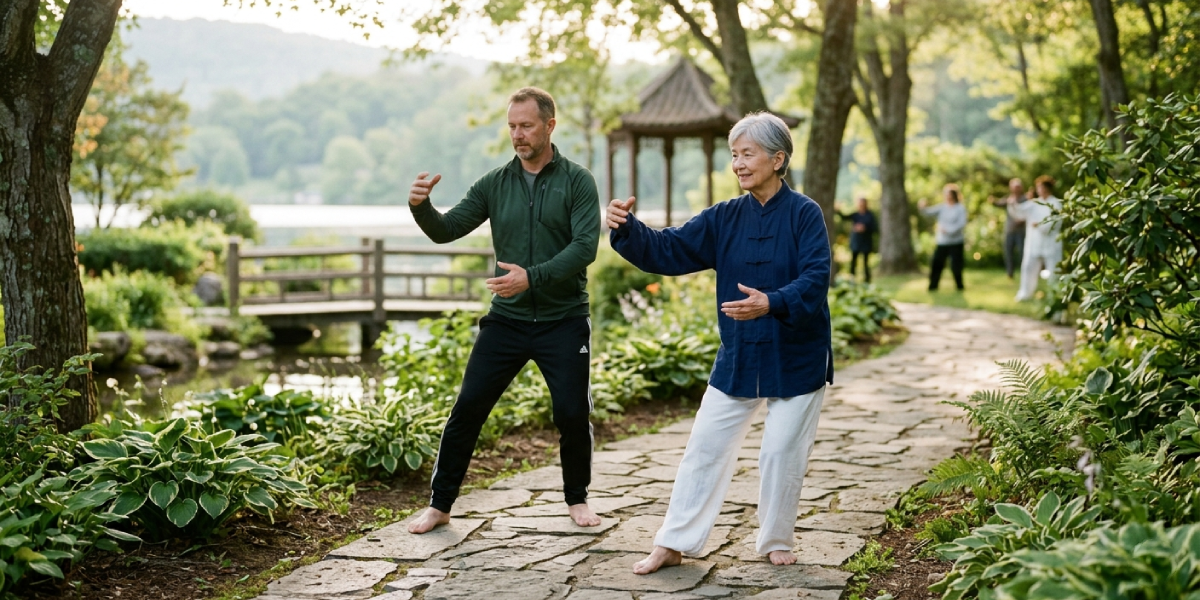
Tai Chi Exercise has emerged as one of the most accessible and effective movement practices for improving overall wellness and quality of life. Whether you are seeking better balance, reduced stress, or improved cardiovascular health, Tai Chi offers a low-impact solution that works for people of all ages and fitness levels.
This comprehensive guide explores the real-world health benefits of Tai Chi Exercise, examines what scientific research tells us about its effectiveness, and provides practical steps to begin your practice today.
What Is Tai Chi Exercise and Its Ancient Origins
Tai Chi Exercise, also known as Tai Chi Chuan, is a Chinese martial art that has been practiced for centuries. Rather than focusing on aggressive movements or combat, Tai Chi emphasizes slow, controlled, and flowing motions combined with deep breathing and mental focus.
The name itself translates to “supreme ultimate fist,” reflecting the philosophy of balance and harmony that underpins the practice.
The roots of Tai Chi Exercise trace back to ancient China, where it developed from both martial traditions and Taoist philosophy. Traditional practitioners viewed Tai Chi as a way to cultivate qi, or life energy, and to achieve physical and spiritual balance.
Today, Tai Chi Exercise is practiced worldwide, with millions of people incorporating it into their daily wellness routines. The practice has evolved into several distinct styles, including Yang, Chen, Wu, and Sun styles, each with subtle variations in movement and emphasis.
Key Health Benefits of Regular Tai Chi Exercise

The health benefits of practicing Tai Chi Exercise are well-documented through decades of observation and modern scientific study. Here are the most significant advantages:
Improved Balance and Fall Prevention
One of the most proven benefits of Tai Chi Exercise is enhanced balance and stability. The practice requires practitioners to shift their weight carefully from one leg to another while maintaining awareness of their body in space.
For older adults, this improved proprioception and balance translates directly into a lower risk of falls and related injuries. Regular Tai Chi practitioners typically show measurable improvements in their ability to stand on one leg, walk without assistance, and recover from near-falls.
Cardiovascular and Respiratory Health
Although Tai Chi Exercise appears gentle, it provides meaningful cardiovascular benefits. The continuous flowing movements elevate heart rate gently but consistently, promoting better blood circulation and oxygen uptake.
When combined with the deep abdominal breathing that characterizes the practice, Tai Chi Exercise strengthens respiratory capacity. Many practitioners report improved endurance, lower resting heart rate, and better overall cardiovascular function after several months of regular practice.
Stress Reduction and Mental Clarity
The meditative aspect of Tai Chi Exercise cannot be overstated. The focus required to maintain proper form while executing flowing movements creates a state of mindfulness that naturally reduces anxiety and mental clutter. Practitioners often describe Tai Chi Exercise as a moving meditation, allowing the mind to settle while the body engages in purposeful activity.
This dual benefit addresses both physical wellness and mental health, two crucial components of comprehensive fitness.
Increased Flexibility and Range of Motion
The slow, deliberate movements of Tai Chi Exercise gently stretch and lengthen muscles throughout the entire body. Unlike static stretching routines, Tai Chi maintains continuous motion that gradually improves flexibility over time. Regular practitioners find that their joints become more mobile, their muscles more supple, and their overall range of motion expands significantly.
Muscle Strength and Bone Health
Despite its appearance, Tai Chi Exercise builds functional strength, particularly in the core, legs, and lower back. The practice requires practitioners to support their own body weight in various positions and transitions, providing resistance training benefits.
This becomes especially important for aging adults concerned about maintaining muscle mass and bone density, both critical factors in long-term health and independence.
Understanding the Science Behind Tai Chi Exercise Benefits
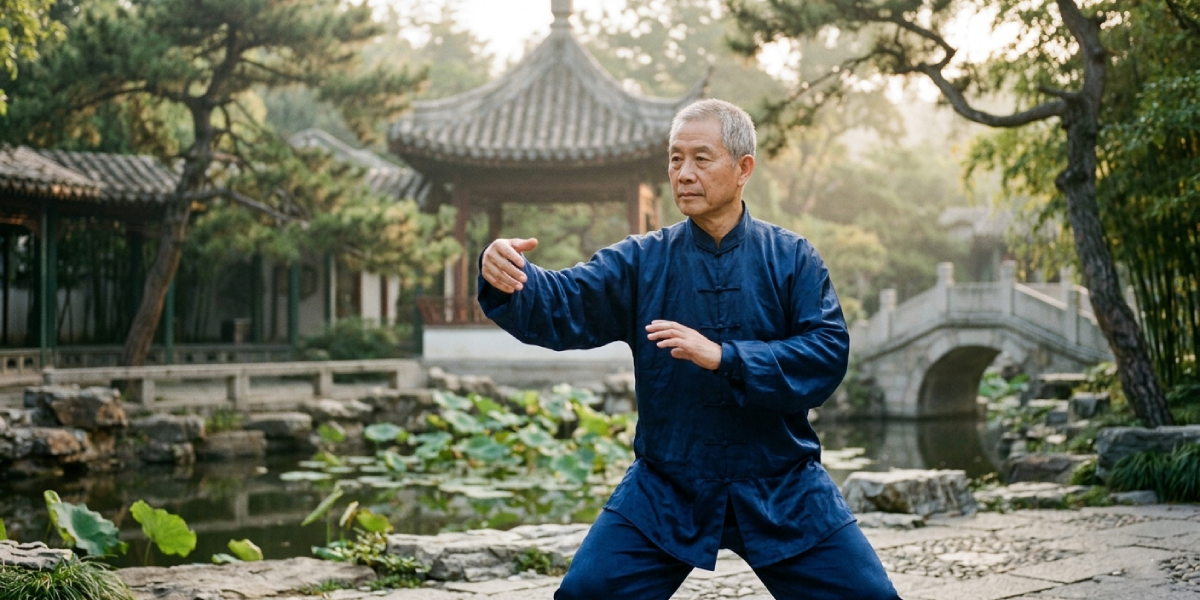
Modern research has increasingly validated what practitioners have known for centuries. Studies examining the effects of Tai Chi Exercise demonstrate improvements in multiple health markers. Research institutions worldwide have documented positive impacts on balance, flexibility, strength, and psychological well-being.
The gentle nature of Tai Chi Exercise makes it suitable for individuals with various health conditions, from arthritis to heart disease, provided they work with qualified instructors.
The neurological benefits of Tai Chi Exercise are particularly fascinating. The practice activates multiple brain regions simultaneously, enhancing cognitive function and potentially improving memory. The requirement to coordinate complex movements while breathing rhythmically and maintaining mental focus creates a comprehensive brain workout that supports long-term cognitive health.
Getting Started with Tai Chi Exercise: A Beginner’s Guide
If you are considering starting Tai Chi Exercise, the good news is that the practice welcomes people at every fitness level. You do not need special equipment, exceptional strength, or years of training to begin benefiting from Tai Chi Exercise.
Finding the Right Class and Instructor
Your first step in starting Tai Chi Exercise should be finding a qualified instructor. Local community centers, gyms, yoga studios, and martial arts schools often offer Tai Chi classes. When evaluating an instructor, look for someone with formal training in Tai Chi and experience working with students at various levels. Many instructors offer beginner-friendly classes specifically designed for those new to Tai Chi Exercise.
Creating the Ideal Environment
Tai Chi Exercise requires minimal space, but choosing the right environment matters. Ideally, practice in a quiet, distraction-free area where you have enough room to extend your arms fully in all directions without hitting obstacles.
Many practitioners prefer outdoor settings, which connect them with nature while practicing. Wear comfortable, loose-fitting clothing that allows free movement, and practice Tai Chi Exercise on a firm but not hard surface.
Establishing a Consistent Practice Schedule
Consistency matters more than intensity when starting Tai Chi Exercise. Begin with sessions of 15 to 20 minutes, three to four times per week. As your familiarity with the movements grows, gradually extend your practice to 30 to 45 minutes. Many experienced practitioners practice Tai Chi Exercise daily, but even two to three sessions weekly delivers measurable health benefits.
Learning Basic Principles of Movement
All styles of Tai Chi Exercise share fundamental principles. Maintain an upright but relaxed posture, with your spine naturally aligned. Keep your knees slightly bent throughout the practice, never locking them straight. Allow your movements to flow smoothly from your core, rather than initiating motion from your limbs.
Breathe deeply and naturally, coordinating your breath with your movements. These foundational principles guide all Tai Chi Exercise practice and help prevent injury while maximizing benefits.
Common Styles of Tai Chi Exercise Explained
Different Tai Chi styles offer slightly different experiences, though they share common foundational principles.
Yang Style Tai Chi Exercise
The Yang style represents the most popular form of Tai Chi Exercise worldwide. It features larger, more expansive movements performed at a moderate pace. Yang style emphasizes clarity of movement and accessibility for beginners, making it an excellent choice for people just starting Tai Chi Exercise. The flowing sequences look graceful and meditative.
Chen Style Tai Chi Exercise
Chen style, the original form from which other styles evolved, incorporates more vigorous and explosive movements mixed with slower sequences. This style of Tai Chi Exercise demands greater physical engagement and suits practitioners seeking a more challenging workout. The alternating tempo creates a more dynamic experience of Tai Chi Exercise practice.
Wu and Sun Styles
Wu style Tai Chi Exercise features smaller, more compact movements suitable for those with limited space. Sun style incorporates high stances and higher stepping movements, often appealing to martial artists exploring Tai Chi Exercise from a different perspective.
Tai Chi Exercise for Specific Health Conditions
Tai Chi Exercise offers benefits for people managing specific health concerns. Individuals recovering from illness or injury can practice modified versions under professional guidance. People with arthritis find that Tai Chi Exercise improves joint function while minimizing pain.
Those managing diabetes or high blood pressure have reported improvements through consistent Tai Chi Exercise practice. Always consult with your healthcare provider before beginning Tai Chi Exercise if you have significant health concerns.
For comprehensive health information and fitness assessments, consider exploring additional health resources and evaluating your current fitness level. You might also find value in understanding your body composition through tools like a BMI calculator to establish baseline measurements before beginning your Tai Chi Exercise journey.
Integration with Overall Fitness and Wellness Programs
Tai Chi Exercise works beautifully as a standalone practice, but it also complements other fitness activities. Many people combine Tai Chi Exercise with strength training for comprehensive fitness. Others practice Tai Chi Exercise as their primary exercise regimen, finding it sufficient for their health goals. The key is finding an approach that feels sustainable and enjoyable for your lifestyle.
Overcoming Common Obstacles to Starting Tai Chi Exercise
Many people hesitate to begin Tai Chi Exercise because of misconceptions or perceived barriers.
Age and Physical Limitations
Tai Chi Exercise is specifically designed to be accessible regardless of age. Elderly practitioners and those with physical limitations adapt the practice to their current abilities. The beauty of Tai Chi Exercise is its scalability, allowing practitioners to work within their capabilities while still reaping significant health benefits.
Concerns About Complexity
While Tai Chi Exercise forms include many movements, beginners start with simplified versions. Modern instructors teach Tai Chi Exercise progressively, building complexity as competency grows. Most students find that what initially seemed complicated becomes natural through regular practice.
Time and Cost Constraints
Group classes remain affordable in most communities, and many free or low-cost Tai Chi Exercise videos and online resources exist for home practice. You can begin Tai Chi Exercise with minimal financial investment while still receiving quality instruction.
Creating Your Personal Tai Chi Exercise Practice
Once you have learned basic movements from an instructor, you can establish a personal daily practice. Many practitioners find that morning practice energizes them for the day ahead, while evening practice promotes relaxation and better sleep.
Your personal Tai Chi Exercise practice becomes a form of moving meditation, a time when daily stresses fade and you reconnect with your body and breath.
Track your progress in Tai Chi Exercise by noting improvements in balance, flexibility, and energy levels. Some practitioners keep journals documenting how their practice evolves over months and years. These records reinforce the value of consistent Tai Chi Exercise practice and motivate continued engagement.
Frequently Asked Questions
Is Tai Chi Exercise suitable for people with arthritis?
Yes, Tai Chi Exercise is excellent for people managing arthritis. The gentle, flowing movements improve joint function without jarring impact. Many arthritis sufferers report reduced pain and improved mobility through regular Tai Chi Exercise practice. Work with an instructor experienced in modifying movements for arthritic joints.
How long before I see health benefits from Tai Chi Exercise?
Many people notice improvements in balance and stress levels within two to four weeks of regular Tai Chi Exercise practice. More significant benefits in strength, flexibility, and cardiovascular health typically develop over two to three months of consistent practice. Long-term practitioners experience continuously deepening benefits.
Can I practice Tai Chi Exercise if I have never exercised before?
Absolutely. Tai Chi Exercise is designed as an entry point to physical activity for sedentary individuals. The low-impact nature and customizable intensity make Tai Chi Exercise perfect for people just beginning their fitness journey. Start slowly and allow your body to adapt gradually.
How often should I practice Tai Chi Exercise?
For meaningful health benefits, aim for three to four sessions weekly, with each session lasting 20 to 45 minutes. Many experienced practitioners practice daily. However, even two sessions per week provide noticeable improvements in balance and flexibility.
What should I wear while practicing Tai Chi Exercise?
Wear loose, comfortable clothing that allows free movement in all directions. Many practitioners choose traditional Tai Chi exercise clothing, but regular athletic wear works perfectly. Wear soft shoes or practice barefoot if your environment permits. The key is comfort that allows full range of motion.
Can Tai Chi Exercise help with weight management?
While Tai Chi Exercise alone may not create dramatic weight loss, it supports weight management as part of a comprehensive wellness approach. The practice improves metabolism, builds lean muscle, and often reduces stress-related overeating. Combined with proper nutrition, Tai Chi Exercise contributes meaningfully to healthy weight maintenance.
Is Tai Chi Exercise a form of martial arts?
Tai Chi Exercise originated as a martial art, and traditional forms do contain martial applications. However, modern Tai Chi Exercise practice emphasizes health, wellness, and meditation rather than combat. You can practice Tai Chi Exercise purely for its health and wellness benefits without any martial focus.
Can I learn Tai Chi Exercise from videos instead of in-person classes?
While videos provide valuable supplementary learning, in-person instruction offers significant advantages for beginners. An experienced instructor corrects form, prevents injury, and provides personalized modifications. After learning from a qualified teacher, you can maintain and deepen your practice using video resources.