


Regular exercise for long-term health is one of the most well-documented and powerful investments you can make in your body and mind. Whether you are just starting out or returning to an active lifestyle, understanding the full scope of benefits that consistent physical activity provides can be the turning point that keeps you motivated for years to come.
This article draws on established scientific findings, practical real-world experience, and current best practices to give you a trustworthy, comprehensive guide to why exercise matters so much and how you can make it a sustainable part of your daily life.
What the Science Says About Exercise and Longevity
The relationship between physical activity and a longer, healthier life is not a new discovery. Decades of research consistently show that individuals who engage in regular moderate-to-vigorous physical activity have significantly lower rates of cardiovascular disease, type 2 diabetes, certain cancers, and metabolic disorders compared to sedentary individuals.
The World Health Organization recommends that adults aged 18 to 64 accumulate at least 150 to 300 minutes of moderate-intensity aerobic activity per week, or 75 to 150 minutes of vigorous-intensity aerobic activity, along with muscle-strengthening exercises on two or more days per week.
These are not arbitrary numbers. They are thresholds derived from large-scale epidemiological studies tracking populations over many years.
What makes these findings particularly compelling is the dose-response relationship: the more consistently you exercise within safe limits, the greater the protective effect. Even small increases in physical activity among previously sedentary individuals produce measurable improvements in health markers within weeks.
How Regular Exercise Protects Your Heart
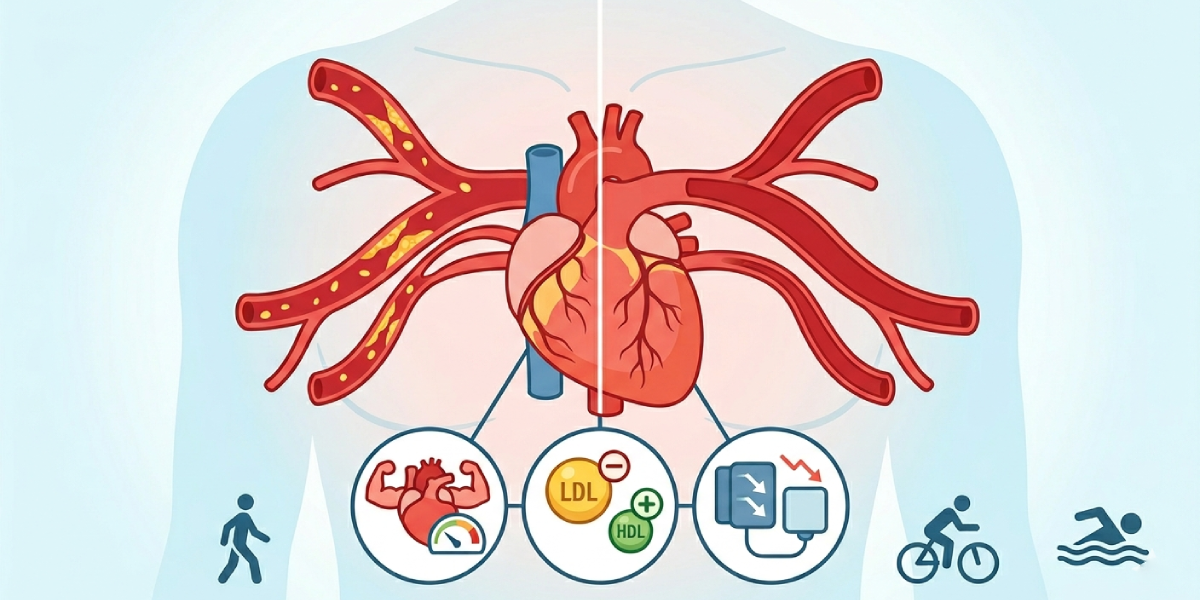
Cardiovascular disease remains the leading cause of death globally, and regular aerobic exercise is one of the most effective non-pharmacological tools for reducing this risk. When you engage in sustained aerobic activity, your heart becomes more efficient at pumping blood, your resting heart rate typically decreases over time, and your blood vessels become more elastic and responsive.
Regular exercise helps lower LDL (low-density lipoprotein) cholesterol while raising HDL (high-density lipoprotein) cholesterol, creating a more favorable lipid profile. It also reduces resting blood pressure in individuals with hypertension, decreases systemic inflammation, and improves insulin sensitivity.
For people who want to explore structured exercise routines tailored to cardiovascular fitness, starting with walking, cycling, or swimming three to five times per week provides a solid foundation. The key is consistency over intensity, especially in the beginning.
The Role of Strength Training in Long-Term Health
Aerobic exercise often dominates the conversation, but resistance training is equally critical for long-term health and deserves the same level of attention. As we age, we naturally lose muscle mass through a process called sarcopenia, which typically begins in our thirties and accelerates after fifty.
Left unaddressed, this muscle loss contributes to frailty, increased fall risk, reduced metabolic rate, and diminished quality of life.
Resistance training two to three times per week effectively counteracts sarcopenia. It builds and preserves lean muscle mass, strengthens bones by stimulating bone density, improves joint stability, and enhances functional capacity, meaning your ability to perform everyday tasks without pain or difficulty.
Beyond the physical benefits, strength training has been shown to significantly improve insulin sensitivity, making it a powerful tool in the prevention and management of type 2 diabetes. It also supports hormonal health, particularly in both men and women as they navigate the changes of midlife.
Exercise and Mental Health: A Bidirectional Relationship
One of the most profound and perhaps underappreciated benefits of regular exercise is its impact on mental health. Physical activity triggers the release of endorphins, serotonin, dopamine, and brain-derived neurotrophic factor (BDNF), a protein that supports the growth and maintenance of neurons.
This neurochemical environment is associated with improved mood, reduced anxiety, better sleep quality, and enhanced cognitive function.
Numerous clinical studies have demonstrated that regular exercise is as effective as antidepressant medication for mild to moderate depression in many individuals. It also plays a meaningful role in reducing symptoms of anxiety disorders and improving resilience to stress.
From a practical standpoint, people who exercise regularly often report better focus, sharper memory, and greater emotional regulation in their daily lives. These cognitive benefits accumulate over time, and research suggests that lifelong physical activity significantly reduces the risk of developing dementia and Alzheimer’s disease in later years.
Weight Management and Metabolic Health

Maintaining a healthy body weight is important not because of aesthetics but because excess body fat, particularly visceral fat stored around the abdominal organs, is strongly associated with a cluster of metabolic risk factors including high blood pressure, elevated blood sugar, and abnormal cholesterol levels, collectively known as metabolic syndrome.
Regular exercise supports healthy weight management through multiple mechanisms. It increases total energy expenditure, preserves lean muscle mass (which keeps resting metabolism higher), and improves hormonal signaling related to hunger and satiety.
Exercise also positively affects gut microbiome diversity, which plays an emerging role in metabolic health.
If you are looking to understand where you currently stand in terms of body composition, using a BMI calculator can provide a useful starting reference point. While BMI is not a perfect measure of health, it is a widely used screening tool that can inform conversations with healthcare providers about lifestyle goals.
Combining regular exercise with a balanced, nutrient-dense diet produces the most durable results for weight management. Neither element works as effectively in isolation.
Building a Sustainable Exercise Habit: Practical Strategies
Knowledge of exercise’s benefits is only half the equation. The other half is building a habit that actually sticks. Research on behavior change consistently shows that sustainability depends on several key factors.
Start Small and Progress Gradually
One of the most common mistakes people make when starting an exercise program is doing too much too soon. This leads to injury, burnout, or excessive soreness that discourages continuation. A smarter approach is to begin with manageable sessions, even 20 to 30 minutes three times per week, and gradually increase duration, frequency, and intensity as your fitness improves.
Choose Activities You Genuinely Enjoy
There is no single best form of exercise. The best exercise is the one you will actually do consistently. Whether that is dancing, hiking, swimming, martial arts, group fitness classes, or strength training in a gym, finding activities that bring some degree of enjoyment dramatically increases long-term adherence.
Schedule Exercise Like an Appointment
People who treat exercise as a fixed appointment in their calendar, rather than something they will do “if there is time,” are far more likely to maintain the habit. Identify time blocks that work within your lifestyle, protect them, and treat them as non-negotiable.
Track Progress and Celebrate Milestones
Monitoring your progress, whether through a fitness app, a journal, or wearable technology, provides objective feedback that reinforces your commitment. Celebrating milestones, no matter how modest, reinforces positive behavior and builds momentum.
Exercise Across Different Life Stages
Physical activity needs and appropriate exercise types vary across the lifespan, but the importance of staying active never diminishes.
In childhood and adolescence, exercise supports healthy bone development, cardiovascular fitness, and mental well-being. In early and middle adulthood, it becomes a primary preventive strategy against chronic disease. In older adulthood, exercise focuses increasingly on maintaining functional independence, balance, flexibility, and cognitive health.
Older adults benefit enormously from a combination of aerobic activity, resistance training, and balance exercises such as tai chi or yoga. These activities together reduce the risk of falls, which are a leading cause of serious injury and loss of independence in people over 65.
Regardless of age or current fitness level, it is never too late to begin. Studies have shown meaningful health improvements in individuals who begin regular exercise even in their seventies and eighties.
Common Barriers to Exercise and How to Overcome Them
- Lack of time: Break exercise into shorter sessions throughout the day. Three 10-minute walks produce similar cardiovascular benefits to one 30-minute walk.
- Low motivation: Exercise with a friend or join a group class to add social accountability and make sessions more enjoyable.
- Physical limitations or pain: Work with a physiotherapist or certified trainer to identify safe and appropriate modifications. There is almost always a form of exercise accessible to any physical condition.
- Cost: Bodyweight training, walking, running, and cycling require little to no equipment. Many community centers offer affordable or free fitness programs.
- Fear of judgment: Remember that most people in gyms are focused on their own workouts. Starting at home or in outdoor environments can also help ease this concern.
The Interconnection Between Exercise, Diet, and Overall Health
Exercise does not operate in a vacuum. Its benefits are amplified or diminished by the broader lifestyle context in which it occurs. Sleep, nutrition, stress management, and hydration all interact with physical activity in meaningful ways.
Adequate sleep, for example, is essential for muscle recovery, hormonal regulation, and the cognitive consolidation that reinforces new motor patterns learned during exercise. Chronic sleep deprivation undermines many of the benefits of an otherwise solid exercise routine.
Nutrition provides the raw materials for energy production, muscle repair, and recovery. Consuming adequate protein supports muscle protein synthesis following resistance training. Carbohydrates fuel high-intensity aerobic work. Hydration maintains performance and prevents heat-related illness during prolonged exercise.
For those seeking broader health and wellness guidance that complements an active lifestyle, integrating evidence-based nutritional practices alongside regular physical activity produces outcomes far superior to either approach alone.
Setting Realistic Long-Term Health Goals
One of the most important mindset shifts for anyone embarking on or recommitting to a regular exercise program is thinking in terms of years and decades rather than days and weeks. The most transformative benefits of physical activity, reduced disease risk, preserved cognitive function, maintained independence, and enhanced quality of life, emerge over the long term through consistent effort.
This does not mean results are slow to appear. Many people notice improvements in energy, mood, and sleep within the first two to four weeks of starting a regular routine. Blood pressure and blood glucose often begin to normalize within eight to twelve weeks. These early wins provide the motivation to continue building the habit.
Setting SMART goals, those that are Specific, Measurable, Achievable, Relevant, and Time-bound, helps translate good intentions into concrete action. Rather than saying “I want to get healthier,” a SMART goal might be: “I will walk for 30 minutes five days a week for the next eight weeks and then reassess my cardio routine.”
Frequently Asked Questions
How much exercise do I need each week for long-term health benefits?
Health authorities recommend at least 150 to 300 minutes of moderate-intensity aerobic activity per week, or 75 to 150 minutes of vigorous-intensity activity, combined with muscle-strengthening exercises on two or more days per week. Even smaller amounts provide meaningful benefits compared to being completely sedentary.
Is walking enough exercise to improve long-term health?
Yes, brisk walking is an excellent form of moderate-intensity exercise and can produce significant cardiovascular, metabolic, and mental health benefits when done consistently. Aiming for at least 30 minutes of brisk walking on most days of the week is a highly effective starting point for most adults.
Can I exercise every day, or do I need rest days?
Rest days are important for recovery, particularly if you are doing high-intensity or resistance training. Most exercise scientists recommend at least one to two rest or active recovery days per week. Active recovery, such as gentle yoga or a light walk, keeps circulation going without adding significant stress to muscles.
What is the best type of exercise for weight loss?
A combination of aerobic exercise and resistance training produces the best results for sustainable weight management. Aerobic activity burns calories during the session, while resistance training builds muscle that raises resting metabolic rate over time. Diet quality and consistency are also essential components of any effective weight management strategy.
At what age should I start exercising regularly?
Physical activity is beneficial at every age, from childhood through late adulthood. Children and teenagers benefit from at least 60 minutes of activity daily, while adults benefit from following the WHO guidelines. It is never too late to start, and research confirms meaningful health improvements even in people who begin exercising in their seventies or eighties.
Does exercise help with stress and anxiety?
Yes, regular exercise is one of the most effective natural tools for managing stress and anxiety. Physical activity reduces levels of stress hormones like cortisol and adrenaline, while stimulating the production of endorphins and serotonin. Even a single session of moderate exercise can produce immediate improvements in mood and anxiety levels.
How long does it take to see results from regular exercise?
Many people notice improvements in energy levels, sleep quality, and mood within two to four weeks of starting a consistent routine. Cardiovascular fitness typically improves within four to eight weeks. Visible changes in body composition generally take longer, often eight to twelve weeks or more, depending on the type and intensity of training and dietary habits.
Is it safe to exercise with a chronic health condition?
In most cases, yes, and exercise is often specifically recommended as part of managing chronic conditions such as type 2 diabetes, hypertension, heart disease, and arthritis. However, it is important to consult a healthcare provider before beginning a new exercise program if you have a diagnosed condition, so that appropriate modifications and safe intensity levels can be identified for your situation.
What should I eat before and after exercise?
Before exercise, a light meal or snack containing carbohydrates and a moderate amount of protein, consumed one to two hours beforehand, provides energy without causing digestive discomfort. After exercise, particularly resistance training, consuming protein within one to two hours supports muscle repair and recovery. Staying well-hydrated before, during, and after exercise is also essential.
Can regular exercise improve sleep quality?
Yes, regular physical activity is strongly associated with improved sleep quality and duration. Exercise helps regulate circadian rhythms, reduces symptoms of insomnia, and decreases the time it takes to fall asleep. Morning or afternoon exercise tends to be most beneficial for sleep, while intense exercise very close to bedtime may interfere with falling asleep in some individuals.