

Infections remain one of the most common reasons people visit a doctor, and knowing how to prevent and treat them can save you from unnecessary pain, lost workdays, and complications. After years of researching health and wellness content, one thing becomes clear: most infections are preventable with consistent habits, and most are treatable when caught early.
This guide breaks down practical, evidence-based strategies for preventing infections, recognizing early warning signs, and treating them effectively, whether you’re dealing with a minor skin cut or a more serious respiratory illness.
What Counts as an Infection?
An infection occurs when harmful microorganisms, such as bacteria, viruses, fungi, or parasites, invade the body and multiply, triggering an immune response. Some infections stay localized, like an infected cut on the hand. Others spread systemically, affecting multiple organs and requiring urgent medical attention.
Common categories include:
- Bacterial infections – strep throat, urinary tract infections, bacterial skin infections
- Viral infections – influenza, common cold, COVID-19
- Fungal infections – athlete’s foot, yeast infections, ringworm
- Parasitic infections – less common in developed countries but still relevant for travelers
Why Prevention Matters More Than Treatment
Treating an infection after it takes hold often costs more time, money, and physical discomfort than preventing it in the first place. A strong immune system, supported by good nutrition, regular movement, and proper hygiene, is your first line of defense.
If you’re working on building overall resilience, browsing through general health resources can help you understand how diet, sleep, and lifestyle choices reduce your susceptibility to illness.
Practical Infection Prevention Strategies
1. Hand Hygiene Done Right
Washing hands with soap and water for at least 20 seconds remains one of the most effective infection-prevention tools available. Alcohol-based hand sanitizers with at least 60 percent alcohol are a good backup when soap isn’t accessible, though they aren’t a full substitute for handwashing, especially after using the restroom or before eating.
2. Keep Wounds Clean and Covered
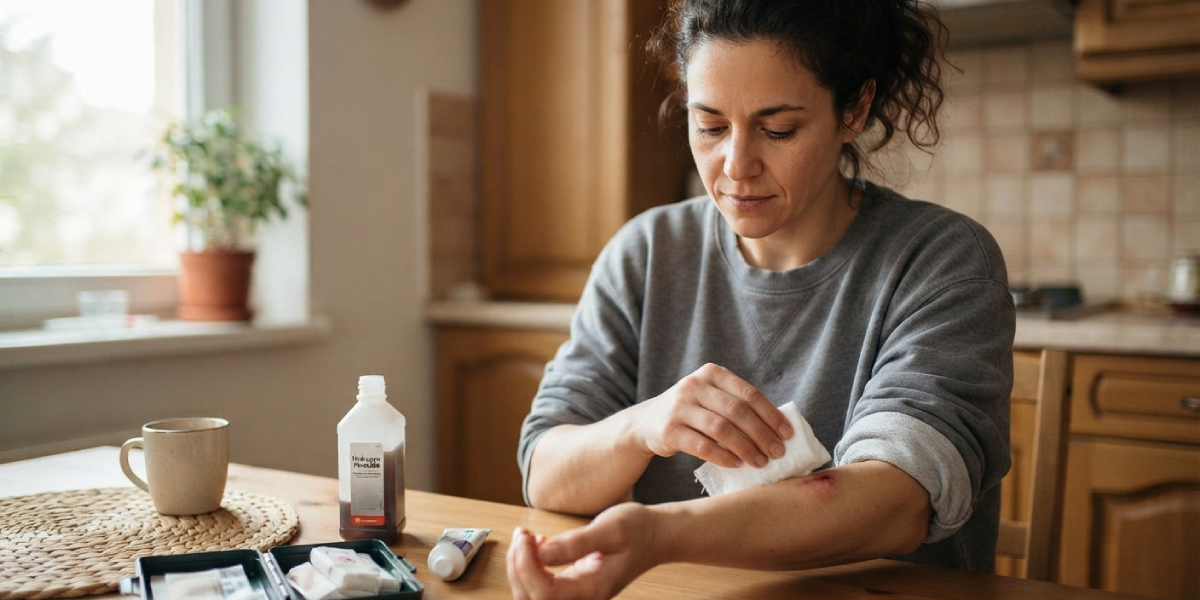
Even small cuts and scrapes can become entry points for bacteria. Clean wounds promptly with water, apply an antiseptic if available, and cover with a sterile bandage. Watch for redness, warmth, swelling, or pus, which are signs of a developing infection that may need medical attention.
3. Stay Current on Vaccinations
Vaccines train your immune system to recognize and fight specific pathogens before you ever get sick. Staying up to date on recommended vaccines, including seasonal flu shots and boosters as advised by your healthcare provider, significantly lowers your risk of serious infection.
4. Support Your Immune System Through Movement
Regular physical activity improves circulation, which helps immune cells move through the body more efficiently. Moderate exercise, such as brisk walking or strength training a few times a week, has been linked to fewer upper respiratory infections compared to a sedentary lifestyle.
If you’re looking for structured routines, our exercise resources offer a good starting point for building consistency.
5. Practice Food Safety
Foodborne infections like salmonella and E. coli are preventable through proper food handling. Cook meat to safe internal temperatures, avoid cross-contaminating raw and cooked foods, refrigerate leftovers promptly, and wash produce thoroughly before eating.
6. Maintain a Healthy Body Weight
Carrying excess weight can affect immune function and increase the risk of certain infections, including skin and surgical site infections. Tracking your progress with a tool like the BMI calculator can give you a quick reference point as you work toward a healthier weight range alongside your doctor’s guidance.
Recognizing the Early Signs of Infection

Catching an infection early often means the difference between a quick recovery and a complicated one. Common warning signs include:
- Fever or chills
- Redness, swelling, or warmth around a wound
- Persistent fatigue beyond what’s typical
- Unusual discharge or odor
- Pain that worsens instead of improving
- Swollen lymph nodes
If symptoms persist beyond a few days or worsen rapidly, it’s time to consult a healthcare provider rather than waiting it out.
How Infections Are Typically Treated
Bacterial Infections
Antibiotics remain the standard treatment for bacterial infections, but they must be prescribed appropriately and taken exactly as directed. Stopping antibiotics early, even when symptoms improve, contributes to antibiotic resistance, a growing public health concern. Always finish the full course unless your doctor advises otherwise.
Viral Infections
Most viral infections, like the common cold, run their course as the immune system clears the virus naturally. Rest, hydration, and symptom management (fever reducers, decongestants) are usually sufficient. Certain viral infections, including influenza and COVID-19, may have antiviral treatment options if caught early, particularly for higher-risk individuals.
Fungal Infections
Topical or oral antifungal medications treat most fungal infections. Keeping affected areas clean and dry, such as feet after sweating, helps prevent recurrence.
When Hospitalization Becomes Necessary
Severe infections, including sepsis, can develop when an infection spreads into the bloodstream. Warning signs requiring emergency care include confusion, rapid heartbeat, difficulty breathing, extremely high or low body temperature, and a sense that something is seriously wrong. Sepsis is a medical emergency and should never be managed at home.
Building Long-Term Resistance to Infection
Beyond day-to-day prevention habits, long-term infection resistance comes down to consistent lifestyle choices: balanced nutrition rich in vitamins C, D, and zinc, adequate sleep (7 to 9 hours for most adults), stress management, and avoiding tobacco use, which impairs immune function and respiratory defenses.
When to See a Doctor

Self-care works well for minor, localized infections. However, you should seek medical attention if you notice a fever above 103°F (39.4°C), an infection that spreads or worsens despite home care, symptoms lasting more than a week, or any signs of a systemic reaction like confusion or difficulty breathing.
Frequently Asked Questions
What is the fastest way to prevent infection in a cut?
Clean the wound immediately with water, apply an antiseptic, and cover it with a sterile bandage. Change the dressing daily and monitor for redness or swelling.
Can infections heal without antibiotics?
Yes, many infections, particularly viral and mild bacterial ones, resolve on their own with rest, hydration, and immune support. Antibiotics are reserved for confirmed bacterial infections.
How long does it take for an infection to heal?
Minor infections often clear within a few days to two weeks, depending on the type and treatment. More serious infections can take several weeks with proper medical care.
What foods help fight infections?
Foods rich in vitamin C (citrus, bell peppers), zinc (nuts, seeds, lean meats), and probiotics (yogurt, fermented foods) support immune function and recovery.
Is it normal for a wound to be red after a few days?
Mild redness during early healing is normal, but increasing redness, warmth, swelling, or pus after a few days suggests infection and warrants medical evaluation.
Can exercise help prevent infections?
Yes, moderate regular exercise improves immune cell circulation and has been associated with fewer respiratory infections, though overtraining can have the opposite effect.
What’s the difference between a virus and a bacterial infection?
Bacteria are living organisms that can often be treated with antibiotics, while viruses are not living cells and require the immune system or antiviral medications to clear them.
When should I worry about a fever?
A fever above 103°F (39.4°C), one lasting more than three days, or one accompanied by confusion, difficulty breathing, or severe pain should be evaluated by a doctor promptly.
Does weight affect infection risk?
Yes, excess body weight can impair immune response and increase risk for certain infections, including skin and post-surgical infections. Maintaining a healthy weight supports overall immune resilience.
Can I prevent infections through diet alone?
Diet plays a major role but works best combined with good hygiene, regular exercise, adequate sleep, and vaccination where appropriate.