

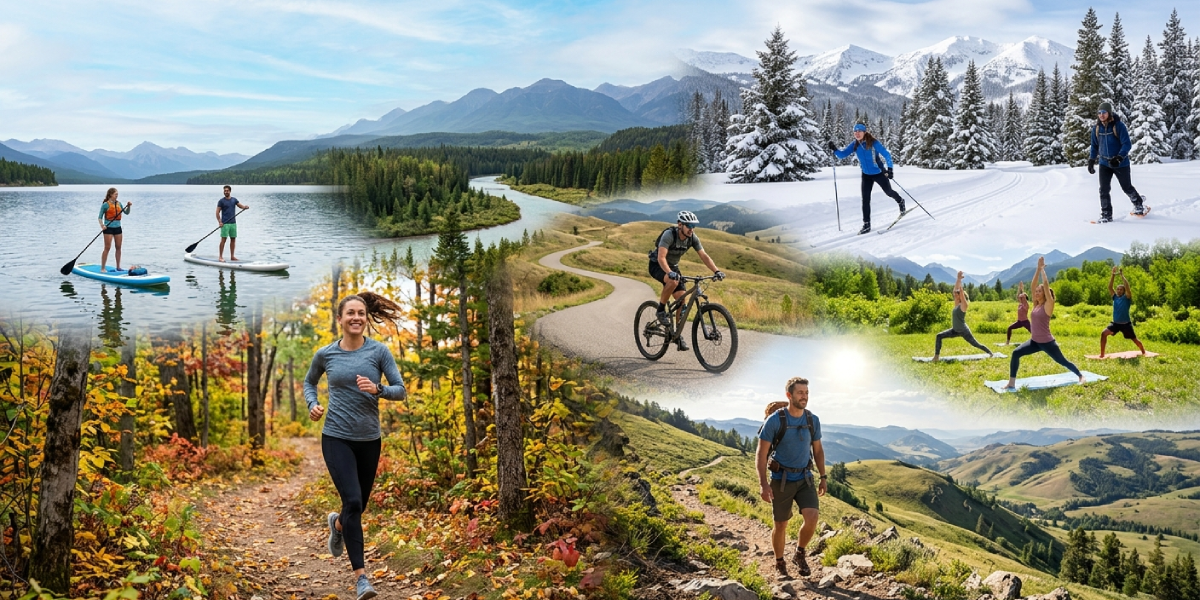
Outdoor fitness activities offer one of the most effective and enjoyable ways to maintain a healthy, active lifestyle no matter the season. Whether you are a seasoned athlete or just beginning your wellness journey, stepping outside to exercise delivers benefits that no indoor gym can fully replicate fresh air, natural terrain, vitamin D exposure, and a meaningful connection to the environment around you.
This guide covers the most effective, accessible, and research-backed outdoor fitness activities for every season, fitness level, and goal. From high-intensity interval training in the park to low-impact winter hiking, you will find practical strategies to keep moving all year long.
Why Outdoor Fitness Activities Are Worth Prioritizing
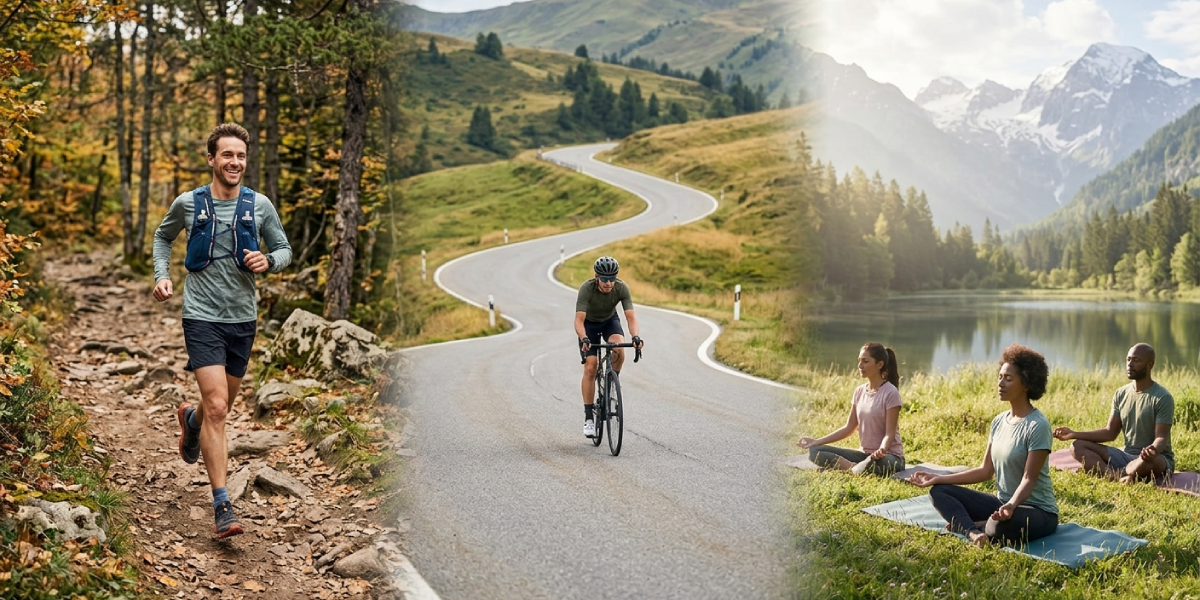
The science behind exercising outdoors is compelling. Studies from environmental psychology and sports medicine consistently show that outdoor exercise reduces cortisol levels, improves mood more effectively than indoor workouts, and increases exercise adherence over time.
People who train outdoors tend to work out longer and with greater perceived enjoyment compared to those who exercise exclusively in gyms.
Beyond mental wellness, outdoor environments naturally introduce varied terrain, wind resistance, and temperature challenges that engage stabilizing muscles and improve functional fitness. Running on trails, for example, recruits more muscle groups than treadmill running.
Cycling on open roads engages your core and balance in ways that a stationary bike simply cannot replicate.
If you are trying to understand where your current fitness level stands before choosing the right activities, using a tool like the BMI calculator can help you establish a baseline and set realistic, personalized goals for your outdoor training program.
The Best Outdoor Fitness Activities Broken Down by Season
Spring: Reset and Rebuild with Trail Running and Cycling
Spring is ideal for rebuilding aerobic capacity after winter. The moderate temperatures, blooming landscapes, and longer daylight hours make it one of the best seasons to reintroduce higher-intensity outdoor workouts.
Trail Running is a standout spring activity. Unlike road running, trails demand lateral movement, quick foot placement, and constant terrain adaptation. These demands strengthen ankles, improve proprioception, and burn significantly more calories per mile. Beginners should start on flat, well-maintained paths and gradually incorporate inclines as their endurance builds.
Road and Mountain Cycling is another excellent choice. Cycling is low-impact on the joints while delivering impressive cardiovascular and lower-body conditioning. A consistent 45-minute ride at moderate intensity burns between 400 and 600 calories depending on speed and body weight. Spring cycling also lends itself well to progressive overload — you can track distance, speed, and elevation over weeks to monitor measurable improvement.
Outdoor Boot Camps and Group Fitness experience a natural resurgence in spring. Community parks become open-air gyms where bodyweight circuits, resistance band workouts, and partner training sessions thrive. The social element of group outdoor fitness significantly improves accountability and long-term exercise consistency.
Summer: High-Intensity Options and Water-Based Workouts
Summer opens the widest range of outdoor fitness activities, though exercising in heat requires smart planning. Prioritize early morning or evening sessions, stay well-hydrated, and protect your skin from sun exposure.
Open Water Swimming is one of the most complete full-body workouts available. Swimming engages the arms, shoulders, core, and legs simultaneously while offering near-zero joint impact. Lakes, rivers, and ocean beaches provide natural settings for lap swimming, interval training, and recreational swim fitness. Always swim in designated areas with proper supervision.
Beach Volleyball and Sand Training turns recreational sport into serious conditioning. The instability of sand increases muscle activation in the calves, quads, glutes, and core. Running, jumping, and lateral movement on sand burns up to 1.5 times more calories than the same movements on firm ground.
Sand workouts are also excellent for active recovery because they reduce joint stress compared to pavement.
Stand-Up Paddleboarding (SUP) has grown rapidly as a fitness activity because it develops core strength, balance, and upper-body endurance simultaneously. A one-hour moderate SUP session burns approximately 300 to 430 calories and engages muscles from the feet through the shoulders in every stroke.
Outdoor HIIT Circuits using park benches, stairs, and open grass spaces offer maximum calorie burn and metabolic conditioning in short time windows. A well-designed 20-minute outdoor HIIT session can elevate your metabolism for hours after training, making it one of the most time-efficient outdoor fitness activities available.
Autumn: Endurance Focused Activities for Cooler Weather
Autumn brings cooler temperatures that are physiologically ideal for endurance exercise. Core body temperature regulation becomes easier, which allows athletes to sustain higher intensities for longer periods.
Long-Distance Running and Race Preparation reaches its peak season in autumn. Many of the world’s most popular road races and marathons are scheduled between September and November precisely because cool, dry air supports better performance.
If you have been building your aerobic base through spring and summer, autumn is the time to apply it in structured distance runs.
Hiking and Hill Walking is one of the most underrated outdoor fitness activities for people of all ages and fitness levels. A moderate 90-minute hike on varied terrain engages the glutes, hamstrings, and calves while delivering cardiovascular conditioning comparable to a steady-state run.
Autumn foliage makes hiking visually rewarding, which increases the likelihood of repeat sessions.
Outdoor Yoga and Mobility Training finds a natural home in the cooler, quieter autumn landscape. Practicing yoga in open spaces encourages deeper breathing, improved focus, and a mind-body connection that indoor studios often struggle to replicate.
Flexibility and mobility work supports every other form of outdoor fitness by reducing injury risk and improving movement quality.
Winter: Cold-Weather Activities That Keep You Consistent
Winter is where many fitness routines break down, but it does not have to be that way. Cold weather exercise has its own set of physiological advantages, including increased calorie burn as the body works to maintain core temperature, and heightened mental resilience from training in challenging conditions.
Cross-Country Skiing and Snowshoeing are elite full-body outdoor workouts that combine cardiovascular endurance with significant upper and lower body strength demands. Cross-country skiing in particular has one of the highest calorie burn rates of any sustained aerobic activity experienced skiers can expend over 600 calories per hour.
Snowshoeing is more accessible for beginners and doubles as a peaceful way to explore winter landscapes.
Cold-Weather Running remains entirely viable with proper layering. The key is moisture-wicking base layers, an insulating mid-layer, and a wind-resistant outer shell. Running in cold air actually strengthens the respiratory system over time and can boost cardiovascular efficiency. Footwear with adequate traction is essential on wet or icy paths.
Outdoor Bodyweight Training continues year-round for those willing to dress appropriately. Push-ups, pull-ups on park bars, dips, squats, and lunges require no equipment and can be performed in virtually any outdoor space. Cold weather motivates faster, more intense sessions, which naturally shortens rest periods and increases training density.
Year-Round Outdoor Fitness Activities for Every Level
Some outdoor fitness activities transcend seasonal limitations and deserve a permanent place in your routine regardless of the time of year.
| Activity | Fitness Level | Primary Benefits | Calories Burned (60 min) |
|---|---|---|---|
| Walking / Brisk Walking | Beginner | Cardiovascular health, joint mobility | 200–350 |
| Running | Intermediate | Endurance, fat loss, mental health | 500–700 |
| Cycling | Beginner–Advanced | Leg strength, aerobic capacity | 400–600 |
| Hiking | Beginner–Intermediate | Glute and leg strength, endurance | 350–500 |
| Outdoor HIIT | Intermediate–Advanced | Fat loss, metabolic conditioning | 500–750 |
| Swimming | All levels | Full-body strength, low joint impact | 400–700 |
| Yoga (Outdoor) | All levels | Flexibility, stress reduction, balance | 150–300 |
How to Build a Sustainable Outdoor Fitness Routine

Consistency is the single most important factor in long-term fitness success. The best outdoor workout is ultimately the one you will actually do. Here are evidence-based strategies to build and maintain a year-round outdoor fitness habit.
Set Seasonal Goals with Measurable Outcomes
Rather than vague intentions like “exercise more,” establish concrete, time-bound goals tied to specific outdoor activities. Examples include completing a 5K run in 10 weeks, hiking a local mountain trail by end of month, or cycling 100 kilometers cumulatively over four weeks. Measurable goals provide direction and a sense of achievement that sustains long-term motivation.
Progress Gradually and Respect Recovery
The principle of progressive overload applies equally outdoors. Increase your training volume — distance, duration, or intensity — by no more than 10 percent per week to reduce injury risk. Equally important, schedule at least one to two rest or active recovery days per week.
Recovery is when fitness adaptations actually occur, and neglecting it is one of the most common reasons for burnout and injury in outdoor athletes.
Dress Appropriately for the Conditions
Gear is not an excuse to skip a workout — it is the enabler that makes outdoor fitness sustainable across all seasons. Invest in moisture-wicking fabrics for warm weather, insulating layers for cold, and waterproof outer shells for rain.
Proper footwear designed for your specific activity surface — trail running shoes, hiking boots, cycling shoes — dramatically reduces injury risk and improves performance.
Pair Outdoor Exercise with a Nutritious Diet
Physical performance outdoors is directly tied to the quality of your nutrition. Endurance activities like running and hiking deplete glycogen stores and require carbohydrate-rich fueling strategies before and after training. Strength-focused outdoor workouts benefit from adequate protein intake to support muscle repair.
Staying hydrated is non-negotiable in both warm and cold conditions, as cold air is dehydrating despite the absence of obvious sweat. For deeper guidance on how diet intersects with your fitness outcomes, explore the health resources available to help you make informed nutritional decisions.
Track Your Progress and Adjust Accordingly
Use a fitness tracker, GPS watch, or smartphone app to log your outdoor sessions. Data on distance, pace, heart rate, and elevation provides objective feedback that helps you refine your training. If progress stalls, examine whether you are overtraining, under-recovering, or simply ready for a new challenge.
Periodically rotating between different outdoor fitness activities also prevents adaptation plateaus and keeps exercise mentally engaging.
The Mental Health Benefits of Outdoor Fitness Activities
Physical gains are only part of the story. The mental health impact of regular outdoor exercise is substantive and well-documented. Exposure to green spaces and natural light during exercise has been shown to reduce symptoms of depression and anxiety more effectively than indoor exercise alone.
The combination of rhythmic movement, fresh air, and natural scenery creates a state of relaxed alertness that is difficult to achieve indoors.
Many outdoor athletes describe training in nature as meditative — a time when mental clutter recedes and clarity improves. This psychological dimension of outdoor fitness is particularly valuable in high-stress modern lifestyles and is a primary reason why so many people who adopt outdoor exercise routines report dramatic improvements in overall life satisfaction.
For those interested in exploring a broader range of exercise strategies to complement their outdoor training, combining indoor and outdoor modalities can offer a comprehensive approach to year-round fitness.
Safety Tips for Outdoor Exercise in Any Season
- Warm up before every session — cold muscles are more susceptible to strains and tears. Five to ten minutes of light movement and dynamic stretching prepares the body for more intense effort.
- Carry water and a phone — dehydration and unexpected circumstances are real risks in outdoor environments, especially during solo training or remote hiking.
- Be visible — wear reflective clothing when training in low light or on roads. Bright colors improve visibility during cloudy or dawn and dusk sessions.
- Know your limits — weather conditions can change rapidly outdoors. Lightning, flash flooding, and extreme heat or cold are genuine dangers. Always check the forecast before heading out.
- Use sunscreen year-round — UV radiation reaches the skin even on overcast days and during winter when snow reflects sunlight upward toward your face.
- Train with a buddy when possible — especially for activities like trail running, open water swimming, or mountain hiking where isolation increases risk.
Frequently Asked Questions
What are the best outdoor fitness activities for beginners?
Brisk walking, gentle hiking on flat trails, and beginner cycling are ideal starting points. These activities are low-impact, require minimal equipment, and can be easily scaled in duration and intensity as fitness improves. The key is starting at a comfortable pace and building consistency before increasing challenge.
How many days per week should I exercise outdoors?
Most health authorities recommend at least 150 minutes of moderate-intensity aerobic activity per week, which translates to five 30-minute sessions or three to four longer workouts. For outdoor fitness, spreading activity across four to five days per week with rest days in between supports recovery and long-term adherence.
Can I maintain outdoor fitness activities during winter?
Absolutely. Cold-weather running, snowshoeing, cross-country skiing, and outdoor bodyweight circuits are all effective winter training options. The primary consideration is appropriate clothing — layering moisture-wicking base layers, insulation, and wind protection allows comfortable training in temperatures well below freezing.
What outdoor fitness activity burns the most calories?
High-intensity activities like trail running, cross-country skiing, and outdoor HIIT circuits burn the most calories per hour, typically ranging from 500 to over 750 calories depending on body weight and intensity. Swimming and cycling also rank highly. The most effective calorie-burning activity is ultimately one you enjoy and can sustain regularly.
Are outdoor workouts better than gym workouts?
Neither is objectively superior — both have distinct advantages. Outdoor workouts provide psychological benefits, natural terrain variety, and vitamin D exposure that gyms cannot offer. Gyms provide climate control, equipment variety, and structured environments. Many fitness professionals recommend combining both for optimal physical and mental results.
How do I stay motivated to exercise outdoors in bad weather?
Invest in quality weather-appropriate gear, set a specific workout schedule rather than deciding day-by-day, and remind yourself that consistency through adversity is what separates those who achieve long-term fitness goals from those who do not. Training in challenging conditions also builds mental resilience, which carries over into other areas of life.
Is outdoor fitness suitable for older adults?
Yes, and it is highly recommended. Low-impact outdoor activities such as walking, gentle hiking, swimming, and cycling are excellent for older adults because they support cardiovascular health, bone density, balance, and cognitive function simultaneously.
Always consult a healthcare provider before beginning a new exercise program, especially when managing existing health conditions.
Do I need special equipment for outdoor fitness activities?
Many outdoor fitness activities require minimal equipment. Walking, running, bodyweight training, and hiking need little beyond appropriate footwear and clothing. Activities like cycling, swimming, and paddleboarding require specific gear, but entry-level options are accessible at a range of price points. Starting simple and upgrading equipment as commitment grows is a smart approach for new outdoor exercisers.
How does outdoor fitness affect mental health?
Research consistently shows that outdoor exercise reduces anxiety and depression symptoms, improves mood, lowers cortisol levels, and enhances overall psychological well-being. The combination of physical movement, natural light exposure, and green environment creates compounding mental health benefits beyond what indoor exercise alone provides.
What should I eat before an outdoor workout?
For moderate sessions lasting under an hour, a small carbohydrate-rich snack such as a banana or a handful of oats 30 to 60 minutes before exercise provides adequate fuel. For longer endurance activities like hiking or long-distance cycling, a more substantial meal two to three hours prior is advisable. Hydration should begin before training, not just during it.