

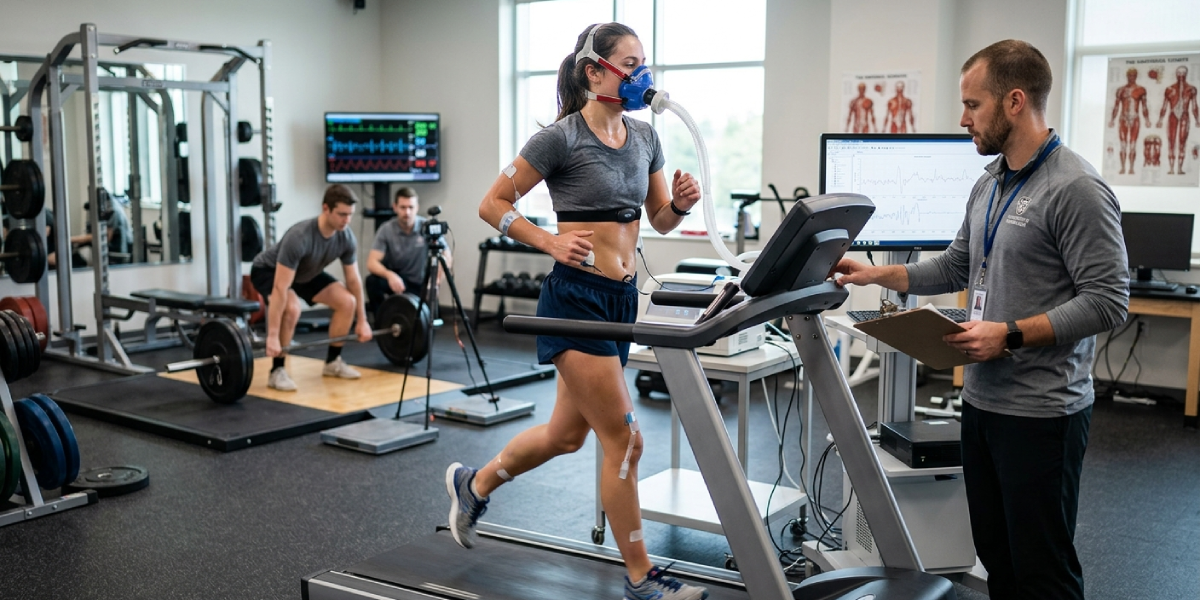
Exercise science is a multidisciplinary field that examines how the human body responds to physical activity, movement, and exercise. If you have ever wondered why your muscles burn during a workout, how athletes recover faster from injuries, or what makes a personalized training plan truly effective, exercise science holds the answers.
This degree blends biology, physiology, biomechanics, and behavioral science into a practical, career-ready program that prepares graduates for roles across healthcare, fitness, sports performance, and public health.
Defining Exercise Science as a Field of Study
At its core, exercise science is the systematic study of how physical activity affects the human body across the lifespan. It draws from disciplines including anatomy, physiology, kinesiology, nutrition, and psychology to create a comprehensive understanding of human movement.
Unlike a general physical education degree, exercise science emphasizes scientific research, laboratory skills, and clinical application.
Students in an exercise science program learn to assess physical fitness, design evidence-based training interventions, understand how chronic diseases interact with physical activity, and apply biomechanical principles to improve movement efficiency.
The degree is grounded in measurable outcomes and scientific rigor, making it distinct from less technical health and wellness programs.
Core Subjects Covered in an Exercise Science Degree
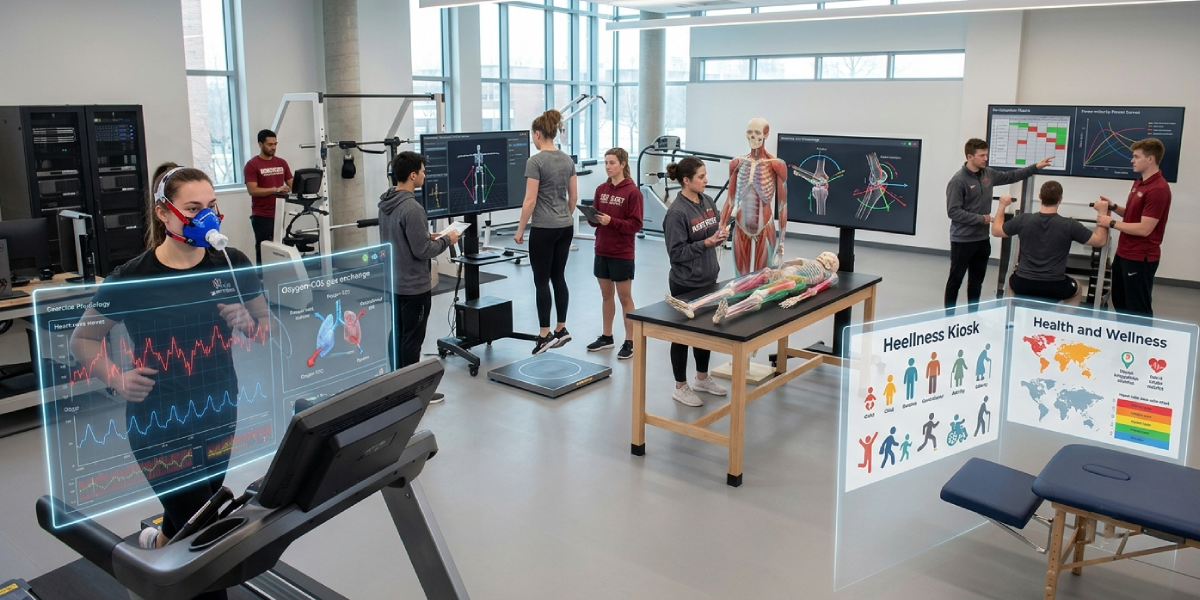
A bachelor’s degree in exercise science typically covers a broad range of subjects that build from foundational science toward applied practice. Most programs require coursework in the following areas.
Exercise Physiology
Exercise physiology is the centerpiece of most exercise science programs. It examines how the cardiovascular, respiratory, muscular, and metabolic systems adapt to acute and chronic physical activity. Students learn how aerobic and anaerobic energy systems function, how VO2 max is measured and improved, and how the body responds to different training intensities.
Biomechanics
Biomechanics applies the principles of physics and mechanics to human movement. Students analyze movement patterns, joint forces, and muscle activation to understand injury risk, performance optimization, and rehabilitation strategies. Coursework often includes motion capture analysis and force plate assessments.
Anatomy and Kinesiology
A thorough knowledge of human anatomy and kinesiology is essential for any exercise science graduate. These courses cover musculoskeletal structure, joint mechanics, and the neuromuscular control of movement. Understanding how muscles, bones, tendons, and ligaments interact allows professionals to design safer and more effective exercise programs for diverse populations.
Strength and Conditioning
Strength and conditioning coursework teaches students how to develop periodized training plans for athletic and non-athletic populations. Topics include resistance training principles, plyometrics, speed and agility development, and recovery strategies. Many programs incorporate hands-on laboratory sessions where students practice assessment techniques and program design.
Health and Wellness Promotion
Exercise science graduates are often involved in promoting physical activity for long-term health outcomes. This area of study explores the relationship between sedentary behavior, chronic disease risk, and preventive exercise. Students learn to communicate the health benefits of regular physical activity to diverse audiences, from corporate wellness programs to clinical patient populations.
Research Methods and Statistics
Because exercise science is an evidence-based field, research literacy is a required competency. Students learn to read and critically evaluate peer-reviewed literature, design experiments, and apply statistical methods to data analysis. This foundation is especially important for graduate study and clinical practice.
Career Paths with an Exercise Science Degree
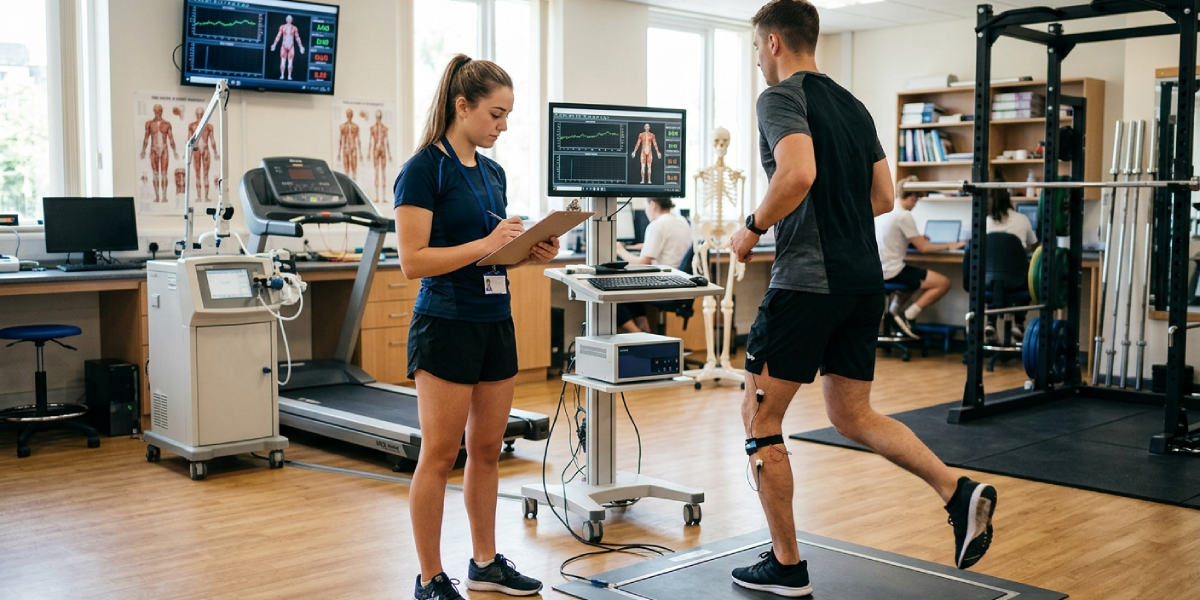
One of the most compelling aspects of studying exercise science is the range of career opportunities it unlocks. Graduates work in clinical, educational, performance, and corporate settings. The specific role often depends on the level of education attained, professional certifications earned, and any specialization pursued.
Personal Trainer or Strength and Conditioning Coach
Many exercise science graduates begin their careers as personal trainers or strength coaches. With a degree background, these professionals stand apart from those with only a certification, offering deeper scientific knowledge of physiology, program design, and injury prevention. Strength and conditioning coaches typically work with athletic teams at the high school, collegiate, or professional level.
Exercise Physiologist
Exercise physiologists work in clinical settings, designing supervised exercise programs for patients with chronic conditions such as heart disease, diabetes, obesity, and pulmonary disease. This role often requires additional certification through organizations such as the American College of Sports Medicine (ACSM) and may benefit from graduate-level training.
Physical Therapy Assistant or Pre-PT Pathway
Exercise science is a popular undergraduate foundation for students planning to pursue a Doctor of Physical Therapy (DPT) degree. The coursework in anatomy, biomechanics, and physiology aligns well with DPT prerequisites at most accredited programs. Working as a physical therapy aide or assistant during undergraduate study further strengthens clinical experience.
Athletic Trainer
Athletic trainers provide prevention, emergency care, clinical diagnosis, and rehabilitation services for injuries sustained by athletes and active individuals. While athletic training is often a separate degree pathway, exercise science graduates can pursue graduate programs or additional credentialing to enter this field. Athletic trainers are employed by schools, universities, sports organizations, and hospitals.
Cardiac Rehabilitation Specialist
Working under physician supervision, cardiac rehabilitation specialists guide patients recovering from heart attacks, surgeries, or other cardiovascular events through structured exercise programs. This is a meaningful and growing career field given the prevalence of heart disease. A strong background in exercise physiology and clinical assessment is essential.
Corporate Wellness Coordinator
Many large companies now invest in employee wellness programs to reduce healthcare costs and improve productivity. Exercise science graduates in this role design fitness challenges, coordinate health screenings, develop physical activity programming, and assess workforce wellness metrics. It is a growing field that blends public health knowledge with organizational behavior.
Sports Performance Analyst
With growing interest in data-driven sports performance, analysts who understand both exercise physiology and sports technology are in increasing demand. These professionals use wearable technology, video analysis, and performance testing to assess athlete readiness, monitor training loads, and reduce injury risk.
Academic or Research Roles
Students who continue to a master’s or doctoral degree in exercise science or a related field can pursue academic research positions or faculty roles at universities. Research in exercise science spans everything from the molecular mechanisms of muscle adaptation to the social determinants of physical activity participation.
Professional Certifications That Complement the Degree
An exercise science degree provides strong academic preparation, but professional certifications are often required by employers and help graduates specialize in specific practice areas.
The most widely recognized certifications include those offered by the ACSM, the National Strength and Conditioning Association (NSCA), the National Academy of Sports Medicine (NASM), and the American Council on Exercise (ACE).
Graduate-level credentials such as the Certified Strength and Conditioning Specialist (CSCS) and the Registered Clinical Exercise Physiologist (RCEP) carry particular weight in competitive job markets.
Understanding Body Composition in Exercise Science Practice
A practical skill that exercise science graduates use regularly is body composition assessment. Whether working with athletes optimizing performance or individuals managing chronic disease, understanding body composition metrics goes well beyond weight alone.
Tools such as hydrostatic weighing, DEXA scans, skinfold calipers, and bioelectrical impedance analysis are standard assessments. For clients wanting to understand their baseline health metrics, a BMI calculator can serve as an accessible starting point before more detailed assessments are performed in clinical or fitness settings.
Graduate Education in Exercise Science
Many exercise science professionals pursue graduate education to advance their expertise and career opportunities. Master’s programs typically allow specialization in areas such as sports nutrition, biomechanics, strength and conditioning, physical activity epidemiology, or clinical exercise physiology.
Doctoral programs prepare graduates for research faculty positions and contribute to the scientific literature that informs best practices across the field.
Graduate admissions in exercise science-related health fields such as physical therapy, physician assistant studies, or medicine are highly competitive. A strong undergraduate GPA, research experience, and hands-on clinical hours significantly strengthen applications.
Is an Exercise Science Degree Worth It?
The value of an exercise science degree depends heavily on the career path pursued and the professional certifications obtained alongside it. Graduates who complement their degree with reputable certifications, hands-on internship experience, and graduate education typically find strong employment prospects across a growing range of health-related industries.
The broader landscape of preventive health, sports medicine, corporate wellness, and rehabilitation is expanding as the importance of physical activity for chronic disease prevention becomes increasingly well established.
Exercise science graduates are positioned at the intersection of this public health priority, equipped with knowledge that is practical, evidence-based, and in growing demand.
| Career Role | Typical Setting | Additional Credentials Often Needed |
|---|---|---|
| Personal Trainer | Gym, private studio | NASM-CPT, ACE, or NSCA-CPT |
| Strength and Conditioning Coach | Collegiate or professional sports | NSCA-CSCS |
| Exercise Physiologist | Hospital, rehabilitation clinic | ACSM-CEP or RCEP, often graduate degree |
| Cardiac Rehab Specialist | Hospital, outpatient clinic | ACSM certification, clinical experience |
| Corporate Wellness Coordinator | Corporate environment | WELCOA or CWWPM |
| Physical Therapy (DPT pathway) | Clinical setting | Graduate DPT degree, NPTE licensure |
Frequently Asked Questions
What is exercise science in simple terms?
Exercise science is the study of how physical activity affects the human body. It combines physiology, anatomy, biomechanics, and behavioral science to understand movement, health, and athletic performance from a scientific perspective.
Is exercise science a good degree to pursue?
Yes, for individuals passionate about health, fitness, and helping others improve physical well-being. The degree offers versatile career pathways in clinical settings, sports performance, corporate wellness, and healthcare, especially when paired with professional certifications or graduate education.
What is the difference between exercise science and kinesiology?
Kinesiology is the broader study of human movement, while exercise science focuses specifically on the physiological and health-related aspects of physical activity. Many universities use the terms interchangeably, though some institutions offer them as distinct programs with different coursework emphases.
Can you work in healthcare with an exercise science degree?
Yes. Exercise science graduates work in cardiac rehabilitation, clinical exercise physiology, and physical therapy support roles. Many also use the degree as a stepping stone to graduate programs in physical therapy, physician assistant studies, or medicine.
What certifications should an exercise science graduate pursue?
The most recognized certifications include the ACSM Certified Exercise Physiologist, the NSCA Certified Strength and Conditioning Specialist (CSCS), the NASM Certified Personal Trainer, and the ACE Health Coach credential. The right certification depends on the specific career path pursued.
How long does it take to earn an exercise science degree?
A bachelor’s degree in exercise science typically takes four years of full-time study. Graduate programs range from one to three years depending on whether a thesis is required and the specialization chosen. Doctoral programs usually require an additional three to five years beyond the master’s level.
What subjects are hardest in an exercise science program?
Students commonly find exercise physiology, anatomy, biomechanics, and statistics to be the most challenging coursework. These subjects require strong foundational knowledge in biology and chemistry, as well as quantitative reasoning skills for data analysis.
Does exercise science require knowledge of nutrition?
Most exercise science programs include at least one nutrition course, and many professionals in the field benefit from a solid understanding of sports nutrition and dietary principles. However, providing individualized nutrition counseling typically requires additional credentials such as a Registered Dietitian Nutritionist (RDN) license.
What is the job outlook for exercise science graduates?
Job prospects are generally positive and growing. The U.S. Bureau of Labor Statistics reports steady demand for fitness trainers, exercise physiologists, and health educators. Growth is driven by an aging population, rising rates of chronic disease, and increased awareness of preventive health strategies.
Can exercise science graduates work with athletes?
Yes. Exercise science graduates who earn the CSCS credential and gain experience in sport-specific training regularly work as strength and conditioning coaches, sports performance analysts, and athletic trainers at the high school, collegiate, and professional levels.