

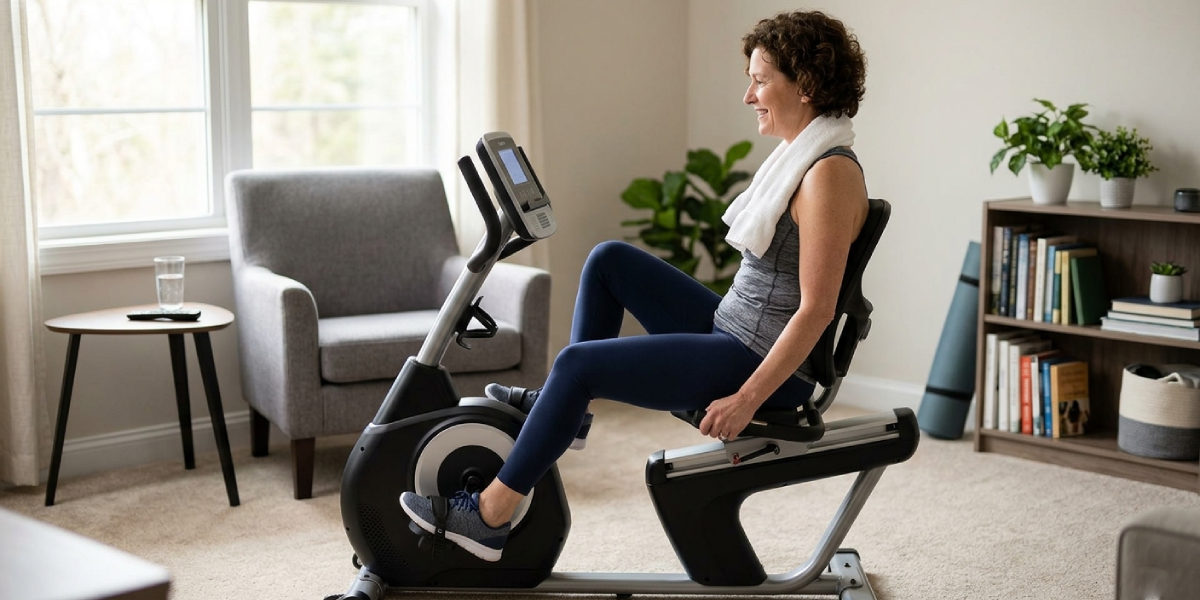
If you are searching for the best recumbent exercise bikes for home use, you already know the appeal: a low-impact, joint-friendly cardio workout that you can do in your living room, garage, or spare bedroom without the pounding stress of a treadmill or the awkward posture of a traditional upright bike.
Whether you are recovering from a knee injury, managing chronic back pain, or simply looking for a sustainable way to build cardiovascular fitness, a recumbent bike delivers comfort and performance in one ergonomic package.
This guide covers everything you need to make a confident, well-informed purchase. From understanding the key features that separate a mediocre machine from an exceptional one, to detailed breakdowns of the top models available today, you will walk away with the clarity to choose a bike that matches your body, your goals, and your budget.
What Is a Recumbent Exercise Bike and Why Does It Matter for Home Fitness?
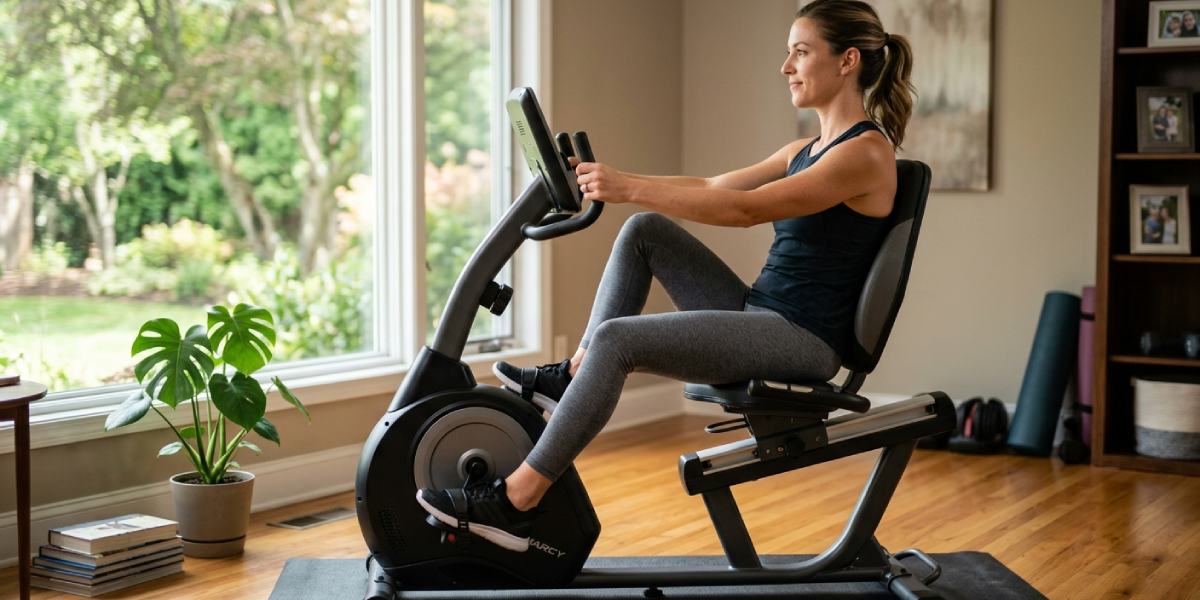
A recumbent exercise bike positions the rider in a reclined, seat-back-supported posture with the pedals extended in front of the body rather than directly below. This geometry shifts the center of gravity lower and distributes body weight across a larger seat surface, dramatically reducing pressure on the lower back, hips, and knees compared to upright cycling.
The benefits are well-established in rehabilitation and general fitness literature. Because the backrest handles much of the torso support, the rider can sustain longer sessions without the upper-body fatigue or saddle discomfort that often cuts upright cycling short.
This makes recumbent bikes especially valuable for older adults, individuals with arthritis or osteoporosis, postoperative patients in cardiac or orthopedic recovery, and anyone who has found traditional exercise equipment simply too uncomfortable to use consistently.
From a cardiovascular standpoint, recumbent cycling is just as effective as upright cycling when resistance and duration are matched. Research consistently shows that it elevates heart rate, improves aerobic capacity, supports healthy weight management, and strengthens the quadriceps, hamstrings, glutes, and calves.
Linking your cycling routine with a broader understanding of your body mass index and overall health metrics can help you set smarter fitness targets and track meaningful progress over time.
Key Features to Evaluate Before You Buy
Resistance System
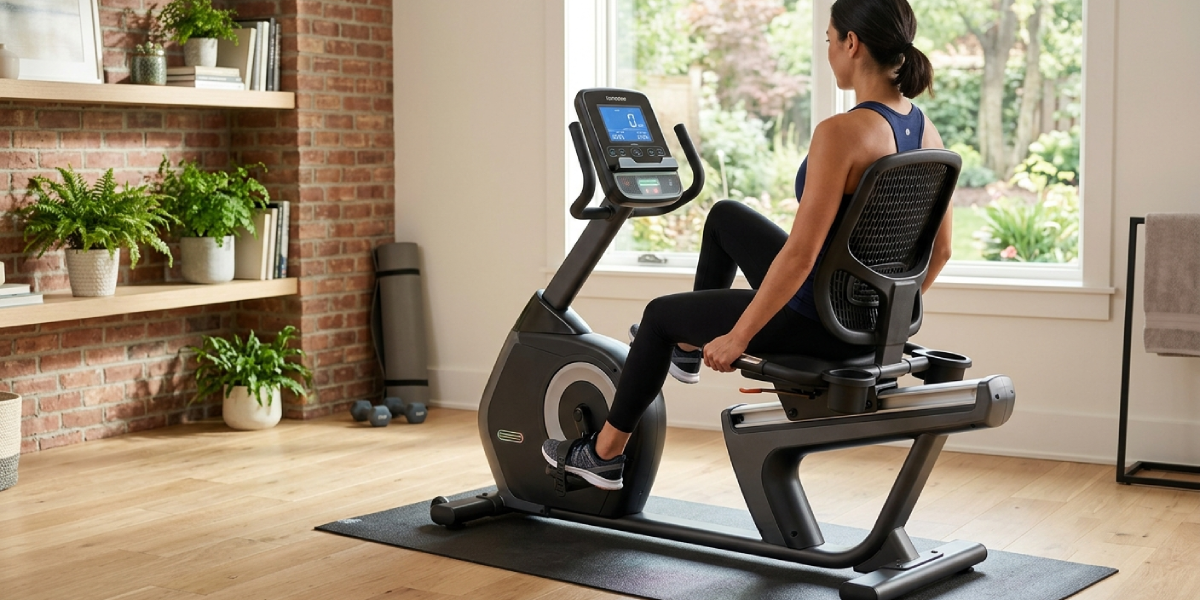
Most home recumbent bikes use one of two resistance types: magnetic or electromagnetic. Magnetic resistance uses a fixed or adjustable magnet near a flywheel to create friction-free drag. It is quiet, maintenance-free, and consistent, making it ideal for home environments.
Electromagnetic resistance, found on higher-end models, allows the machine or a connected app to automatically adjust difficulty during programmed workouts. If you plan to follow structured training programs or want a smart bike experience, electromagnetic resistance is worth the premium.
Seat Design and Adjustability
The seat is arguably the most important component on any recumbent bike. Look for a wide, padded, contoured seat with a ventilated mesh or firm foam back support.
Seat rails should allow enough forward and backward travel to accommodate users ranging from shorter to taller frames, ideally covering inseam lengths from roughly 25 to 35 inches. Some premium models also offer seat height adjustment, which is especially beneficial for users with limited hip mobility.
Console and Display
Entry-level bikes include basic LCD consoles showing time, speed, distance, and calories. Mid-range and premium models add heart rate monitoring via handlebar sensors or wireless chest strap compatibility, preset workout programs, and Bluetooth connectivity for syncing data to fitness apps.
High-end smart bikes feature large touchscreen displays with streaming classes, real-time metrics, and multi-user profiles.
Weight Capacity and Frame Stability
Most residential recumbent bikes support user weights between 250 and 350 pounds. If you are near or above the lower end of that range, prioritize models with heavier-gauge steel frames and a rated capacity of 300 pounds or higher.
A heavier flywheel, typically between 15 and 30 pounds, also contributes to smoother pedal stroke and better overall stability during vigorous sessions.
Footprint and Storage
Recumbent bikes are longer than upright bikes, usually measuring between 50 and 70 inches in length. Measure your available floor space before purchasing. Some models include transport wheels for repositioning, though most are not designed for true vertical storage.
If square footage is a concern, look for compact models with a smaller footprint and a light enough frame to move between rooms.
The Best Recumbent Exercise Bikes for Home Use: Top Picks Reviewed
Best Overall: Schwinn 270 Recumbent Bike
The Schwinn 270 consistently earns top marks across fitness communities, and for good reason. It offers 25 levels of magnetic resistance, 29 preset workout programs, a dual-display backlit console, and Bluetooth connectivity for pairing with popular fitness apps including Zwift and Peloton Digital.
The padded, contoured seat adjusts on a horizontal rail to fit a wide range of users, and the ventilated back support keeps things comfortable during longer rides. With a 300-pound weight capacity and a relatively smooth 18-pound flywheel, it handles moderate to vigorous workouts well.
For riders who want a feature-rich bike without stepping into commercial-grade pricing, the Schwinn 270 is the benchmark.
Best Budget Pick: Marcy ME-709 Recumbent Exercise Bike
The Marcy ME-709 proves that effective low-impact cardio does not require a large investment. It uses 8 levels of magnetic resistance controlled by a simple tension knob, which keeps the mechanism quiet and reliable. The step-through frame design makes mounting and dismounting easy for users with limited mobility.
The LCD monitor tracks time, speed, distance, and calories burned. It supports up to 300 pounds and fits neatly into smaller spaces. For beginners, casual users, or those on a strict budget, this bike offers solid fundamental performance.
Best for Seniors: NordicTrack R35 Recumbent Bike
NordicTrack designed the R35 with comfort and accessibility as primary goals. The oversized, adjustable seat with a high-back lumbar support cushion is among the most accommodating in its class. An AutoAdjust feature allows iFIT coaches to automatically control resistance during live and on-demand classes, removing the guesswork from structured training.
The 14-inch HD touchscreen provides clear, easy-to-read metrics and workout guidance. It includes a front-mounted fan, water bottle holder, and a step-through frame. For older adults who want guided workouts without the complexity of a gym environment, the R35 delivers genuinely thoughtful engineering.
Best Smart Bike: Bowflex VeloCore 16 (Recumbent Mode)
The Bowflex VeloCore is primarily known as a leaning bike, but its recumbent mode option makes it a unique dual-function machine. The 16-inch interactive console streams JRNY app content, adapts resistance to your fitness level using AI, and tracks detailed performance data.
While its price point is higher, the versatility and interactive coaching experience justify the cost for dedicated cyclists who want both variety and accountability in their home training.
Best Compact Option: ProForm 235 CSX Recumbent Bike
The ProForm 235 CSX strikes a useful balance between features and floor space. It includes 18 resistance levels, 18 workout apps, a small but functional LCD display, and an iFIT-compatible Bluetooth connection. Its transport wheels make it easy to slide into a corner when not in use.
The padded seat and adjustable recline position make it comfortable for moderate daily use, and its 250-pound capacity suits most household users.
Side-by-Side Comparison of Top Recumbent Bikes
| Model | Resistance Levels | Weight Capacity | Display | Bluetooth | Best For |
|---|---|---|---|---|---|
| Schwinn 270 | 25 | 300 lbs | Dual LCD | Yes | Overall Best |
| Marcy ME-709 | 8 | 300 lbs | Basic LCD | No | Budget Users |
| NordicTrack R35 | 26 | 300 lbs | 14″ HD Touch | Yes | Seniors |
| Bowflex VeloCore 16 | 100 | 325 lbs | 16″ HD Touch | Yes | Smart Bike Fans |
| ProForm 235 CSX | 18 | 250 lbs | LCD | Yes | Small Spaces |
Who Benefits Most from a Recumbent Exercise Bike at Home?
Recumbent bikes serve an exceptionally broad range of users, but certain groups find them particularly transformative. Individuals managing lower back conditions benefit from the lumbar support that removes spinal compression forces common on upright bikes.
Those with knee osteoarthritis report significantly less joint discomfort during recumbent cycling compared to walking, running, or stair climbing, making it one of the few cardio tools that genuinely suits arthritic joints.
Cardiac rehabilitation patients are routinely placed on recumbent bikes during supervised recovery because the reclined posture reduces venous return stress on the heart during early recovery phases.
Similarly, individuals returning from hip or knee replacement surgery often use recumbent bikes as one of the first active recovery tools prescribed by physiotherapists.
Beyond rehabilitation, recumbent bikes are excellent tools for weight management. A 155-pound person cycling at moderate intensity burns approximately 260 calories in 30 minutes, comparable to brisk walking but with far less joint impact.
Pairing consistent cycling sessions with evidence-based exercise strategies and movement programming accelerates results and reduces the risk of overuse injuries.
How to Get the Most Out of Your Recumbent Bike Workouts
Set the Seat Position Correctly
A proper fit prevents knee strain and maximizes pedaling efficiency. When the pedal is at its furthest point from the seat, your knee should have a slight bend, around 5 to 10 degrees. A fully extended or hyperextended knee during pedaling is a common setup error that leads to joint discomfort over time.
Use Heart Rate Zones for Structured Training
Rather than cycling at a single steady pace every session, incorporate heart rate zone training. Zone 2, roughly 60 to 70 percent of your maximum heart rate, builds aerobic base and fat oxidation. Zone 4 intervals, at 80 to 90 percent of maximum heart rate, improve cardiovascular efficiency and caloric burn.
Most mid-range and premium bikes include handlebar heart rate sensors to make zone training accessible without additional equipment.
Add Variety with Preset Programs
Bikes with multiple preset programs offer automatic resistance variation that mimics hills, intervals, and endurance courses. Using these programs prevents training plateaus and keeps sessions mentally engaging, which is one of the most underrated factors in long-term adherence to any fitness routine.
Track Progress Consistently
Log your workouts, even informally. Noting duration, resistance level, distance, and perceived exertion once or twice per week helps you identify trends, celebrate progress, and catch signs of overtraining. Many connected bikes sync automatically to apps like Apple Health, Google Fit, and MyFitnessPal, removing the friction from record-keeping entirely.
Maintenance Tips to Extend the Life of Your Recumbent Bike
Most magnetic recumbent bikes require minimal upkeep, but a few consistent habits will significantly extend the machine’s functional lifespan. Wipe down the frame, seat, and console after each session to prevent sweat corrosion on metal components.
Check pedal threads and seat adjustment bolts monthly, as vibration can loosen hardware over time. Keep the area beneath the bike clear of dust and debris, and store the machine indoors away from humidity extremes. For bikes with belt-driven drivetrains, inspect the belt annually for cracking or fraying.
If your bike uses a display that runs on batteries rather than a direct power source, replace them proactively when readings begin to flicker. Consulting the manufacturer’s manual for model-specific lubrication schedules is also worthwhile, particularly for older belt or chain drives.
Understanding the Role of Recumbent Cycling in Broader Health Goals
Cardiovascular exercise is only one component of a well-rounded health strategy. Recumbent cycling addresses aerobic fitness and lower-body muscular endurance effectively, but it benefits from being paired with resistance training, mobility work, and sound nutritional habits.
Monitoring relevant health indicators and adopting evidence-based lifestyle practices creates the full picture that any single piece of equipment alone cannot provide.
For individuals managing conditions such as type 2 diabetes, hypertension, or metabolic syndrome, regular low-impact aerobic activity like recumbent cycling has documented clinical benefits including improved insulin sensitivity, lower resting blood pressure, and favorable changes in lipid profiles.
Always consult a qualified healthcare provider before beginning a new exercise regimen if you have an existing medical condition.
Frequently Asked Questions
Are recumbent exercise bikes good for losing weight?
Yes. Recumbent bikes burn a meaningful number of calories per session, particularly when resistance and duration are progressively increased. Combined with a balanced diet, consistent cycling sessions contribute to a sustainable caloric deficit that supports gradual, healthy weight loss.
Is a recumbent bike better than an upright bike for bad knees?
For most people with knee pain or osteoarthritis, a recumbent bike is more comfortable because the extended leg position reduces the compressive load on the knee joint compared to the more vertical pedaling angle on an upright bike. However, individual anatomy varies, so consulting a physiotherapist before making a final decision is advisable.
How much should I spend on a recumbent exercise bike for home use?
Entry-level models start around $200 to $350 and offer basic resistance and display functionality. Mid-range bikes between $500 and $900 add more resistance levels, Bluetooth connectivity, and better build quality. Premium and smart bikes range from $1,000 to $2,500 and include touchscreen displays, interactive coaching, and advanced performance tracking.
How long should I ride a recumbent bike each day?
The American Heart Association recommends at least 150 minutes of moderate-intensity aerobic exercise per week for general cardiovascular health. For most users, this translates to 30-minute sessions five times per week. Beginners can start with 15 to 20 minutes and build gradually over four to six weeks.
Can elderly people use recumbent exercise bikes safely?
Recumbent bikes are among the safest cardio options for older adults. The step-through frame design, low seat height, and back support reduce fall risk and postural strain. Many models specifically target older users with large print displays, simple controls, and soft-start resistance programs.
Do recumbent bikes work the core muscles?
Recumbent bikes engage the core muscles less intensively than upright bikes because the backrest provides postural support. However, they do activate the lower abdominals and hip flexors during the pedaling motion. For dedicated core strengthening, supplementary floor exercises should be incorporated alongside cycling.
What is the difference between magnetic and electromagnetic resistance on recumbent bikes?
Magnetic resistance uses a physical magnet adjusted manually or by a dial to create drag. It is quiet, reliable, and found on most mid-range bikes. Electromagnetic resistance uses an electrically controlled magnet that can be adjusted by a motor, allowing the bike or a connected app to change resistance automatically during programmed workouts. It is smoother, more precise, and typically found on premium machines.
How much space does a recumbent exercise bike take up at home?
Most home recumbent bikes measure between 50 and 68 inches long and 22 to 26 inches wide. As a practical rule of thumb, plan for at least 24 inches of clearance on all sides of the bike for safe access and comfortable movement during pedaling. Compact models are available for users with limited floor space.
Can I use a recumbent bike after hip or knee surgery?
Recumbent bikes are frequently used in post-surgical rehabilitation protocols for hip and knee replacement patients. However, timing, resistance levels, and range of motion restrictions must be determined by your surgeon or physiotherapist. Never begin post-operative exercise without explicit clearance from your medical team.
Do recumbent exercise bikes require assembly?
Most home recumbent bikes require partial assembly, typically involving attaching the base stabilizers, seat, console mast, and pedals. The process usually takes 30 to 60 minutes with basic tools. Many manufacturers include illustrated instructions, and some offer in-home assembly services for premium models.