

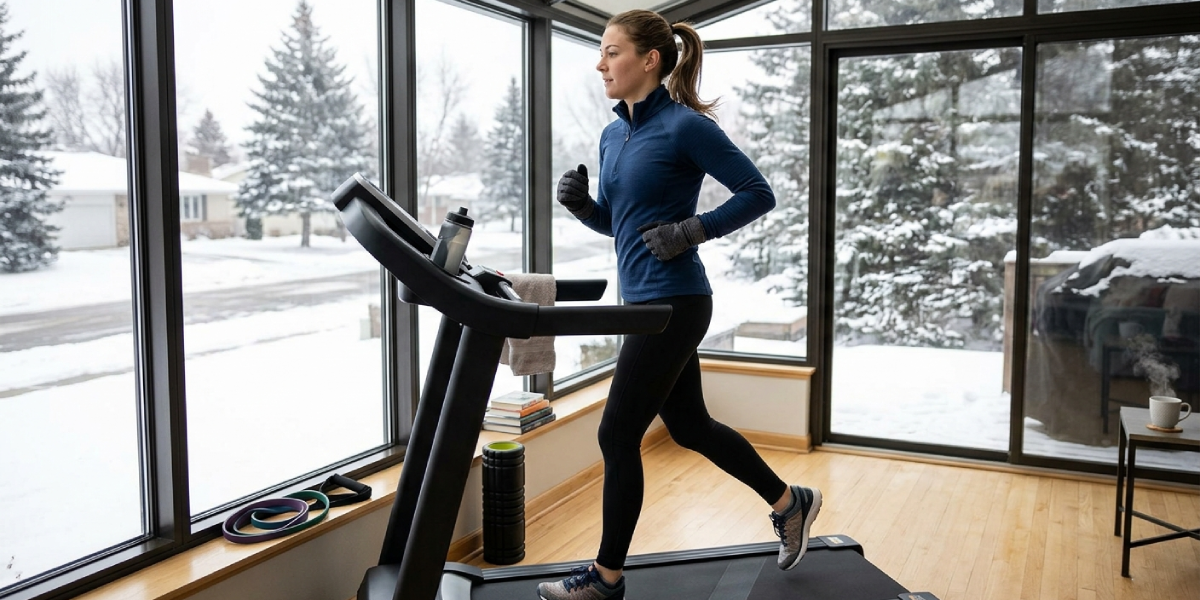
Exercising regularly during cold weather is one of the most effective ways to protect your health, energy, and mental well-being throughout the winter months. Yet for millions of people, a drop in temperature becomes the most common reason to skip workouts, break routines, and lose the fitness gains they worked hard to build.
The good news is that with the right strategies, staying active in the cold is not only possible — it can actually become one of the most rewarding fitness experiences of your year.
This guide brings together practical, experience-backed advice rooted in exercise science to help you stay consistent no matter how cold it gets outside. Whether you prefer outdoor runs, gym sessions, or home workouts, there is a strategy here that fits your lifestyle and fitness level.
Why Cold Weather Disrupts Exercise Routines
Before building solutions, it helps to understand why the cold derails consistency in the first place. When temperatures fall, the body’s natural response is to conserve heat and energy. You feel less motivated to leave a warm environment, and the perceived effort of exercise feels higher than it actually is. Daylight shrinks, social cues to exercise disappear, and comfort foods become more appealing.
According to research in sports medicine, physical activity levels in most populations decline by 15 to 30 percent during winter months. This is not simply laziness — it is a physiological and psychological response to environmental change. Recognizing it as a real challenge rather than a personal failing is the first step toward overcoming it.
The Health Benefits of Staying Active in Winter

Understanding what you stand to gain makes it far easier to stay motivated. Exercising regularly during cold weather delivers a unique set of benefits that go beyond what warm-weather training provides.
- Immune system support: Moderate, consistent exercise has been shown to reduce the frequency and severity of respiratory infections — exactly the kind that peak in winter. A sedentary winter lifestyle, by contrast, weakens immune defenses.
- Mood and mental health: Cold, dark months are strongly associated with seasonal mood dips and Seasonal Affective Disorder (SAD). Exercise stimulates serotonin and endorphin production, both of which counteract these effects more powerfully than most people realize.
- Metabolic advantages: The body burns slightly more calories in cold environments as it works to regulate core temperature. Combined with regular exercise, this creates a meaningful metabolic advantage during a season when weight gain is common.
- Cardiovascular conditioning: Exercising in cooler temperatures can improve cardiovascular efficiency, as the heart does not have to work as hard to cool the body compared to hot weather training.
- Fitness continuity: Maintaining a base level of fitness through winter means you enter spring stronger, rather than starting over from scratch each year.
If you are curious how your current fitness level compares to healthy benchmarks, checking your BMI using a reliable calculator can serve as one useful starting metric, though overall fitness, muscle composition, and cardiovascular health give a fuller picture.
Dress Strategically for Cold Weather Exercise
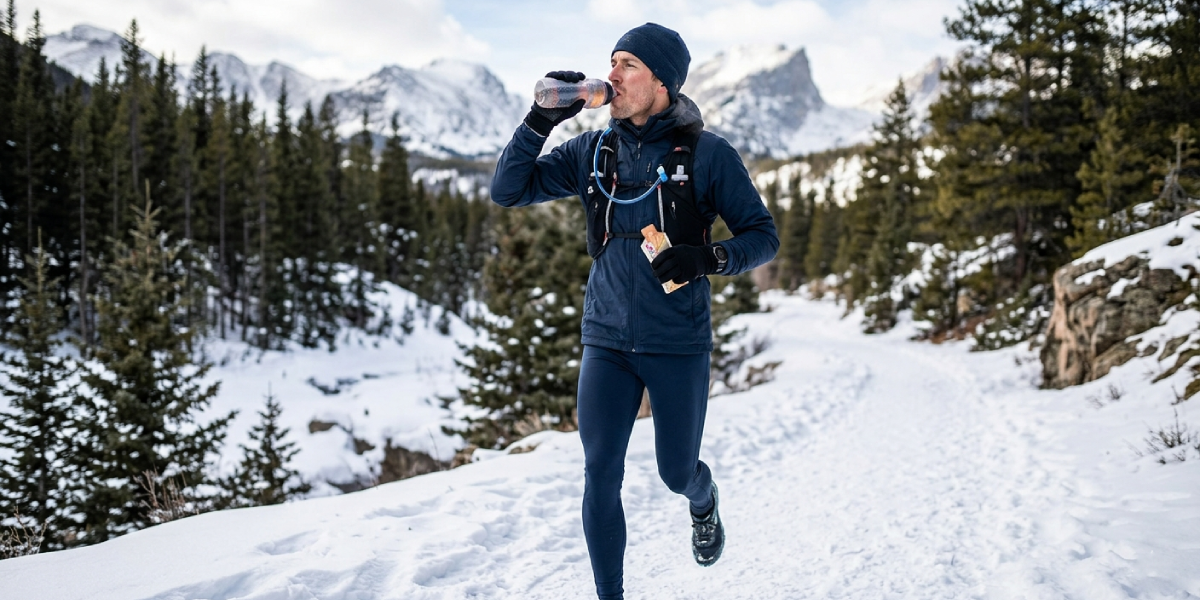
Improper clothing is one of the biggest reasons people abandon outdoor workouts as temperatures fall. The body generates significant heat during exercise, so the goal is not to dress as warmly as you would for standing still — it is to dress in a way that manages moisture, retains warmth, and allows ventilation as your body heats up.
The Three-Layer System
Exercise physiologists and outdoor fitness professionals consistently recommend a three-layer approach for cold weather training.
- Base layer: This sits directly against your skin and must wick moisture away from the body. Synthetic fabrics like polyester or polypropylene, or natural merino wool, are ideal. Never use cotton as a base layer — it retains moisture and rapidly accelerates heat loss.
- Middle layer: This provides insulation and traps body heat. A lightweight fleece or thermal mid-layer works well. For temperatures above freezing, some athletes skip this layer entirely.
- Outer layer: This shields you from wind and precipitation. A lightweight, wind-resistant, and breathable shell jacket is ideal — not a heavy waterproof coat that will cause overheating within minutes of exercise.
Do Not Neglect Extremities
Up to 30 percent of body heat is lost through the head. Wearing a moisture-wicking beanie or thermal headband makes a significant difference in perceived comfort during cold weather exercise. Light running gloves protect the hands, and thermal socks prevent the discomfort of cold feet, which can prematurely end an outdoor session.
Warm Up More Thoroughly Than Usual
Cold muscles are stiffer, less pliable, and more susceptible to strains and tears. A warm-up that might take five minutes in summer should be extended to ten to fifteen minutes in cold conditions. Start indoors if possible with dynamic movements such as leg swings, arm circles, high knees, and hip rotations.
This raises core temperature and prepares joints and connective tissue for the demands of exercise before you step outside.
Never skip the warm-up and jump straight into high-intensity cold-weather exercise. This is one of the most common causes of cold-weather exercise injuries, including hamstring pulls, calf strains, and even cardiac stress in individuals with underlying conditions.
Adjust Your Training Plan for the Season
Flexibility in your programming is a sign of fitness intelligence, not weakness. Winter is not the optimal time to push for personal records in outdoor endurance sports. It is, however, an excellent time to build strength, work on mobility, improve technique, and maintain aerobic base fitness.
Shift Some Training Indoors
Having a parallel indoor training option removes the dependency on weather and ensures consistency. Gym-based exercise routines such as weight training, indoor cycling, rowing, swimming, and functional fitness classes all translate directly into improved outdoor performance when conditions improve.
Many athletes find that a winter of focused strength work elevates their spring and summer performance to new levels.
Embrace Short, High-Intensity Sessions
When motivation is low and daylight is limited, a 20-minute high-intensity interval training (HIIT) session is far more effective than skipping the gym entirely. Research consistently shows that shorter, more intense workouts produce meaningful cardiovascular and metabolic adaptations. They are also easier to commit to psychologically when energy is lower.
Use Cold Weather as a Running Advantage
Experienced runners know that cooler temperatures between 5°C and 10°C (41°F to 50°F) are actually optimal for distance running performance. The cardiovascular system is less stressed by heat, perceived effort is lower, and personal bests are more accessible in mild cold than in summer heat.
Embracing outdoor running in these conditions — with proper clothing — can actually accelerate your progress rather than hinder it.
Build and Protect Your Motivation
Motivation is not a fixed resource — it is cultivated through systems, habits, and environment. Cold weather challenges motivation specifically because the cues and rewards of exercise feel less immediate. Here is how to engineer an environment that makes consistency easier.
Anchor Exercise to a Fixed Time
Workouts that are scheduled at a consistent time of day become habitual far more quickly than ad hoc sessions. Morning exercise works particularly well in winter because motivation tends to degrade throughout the day as fatigue and competing priorities accumulate. Laying out workout clothes the night before reduces friction and makes it easier to follow through.
Use Social Accountability
Training with a partner or group dramatically increases adherence in cold weather. When someone is expecting you, the cost of skipping feels higher. Running clubs, group fitness classes, and even virtual workout challenges with friends provide the social commitment that makes cold mornings feel more manageable.
Set a Short-Term Winter Goal
A specific, time-bound goal gives you a reason to train that is independent of how you feel on any given day. A winter 5K race, a strength benchmark, or a monthly step count target all serve this purpose effectively. Goals that connect to your broader health and wellbeing journey tend to be the most sustainable because the motivation is intrinsic rather than purely aesthetic.
Safety Guidelines for Outdoor Cold Weather Exercise
Staying safe is a prerequisite for staying consistent. Cold weather training carries specific risks that are easy to manage with basic awareness.
| Condition | Risk | Precaution |
|---|---|---|
| Temperature below -15°C (5°F) | Frostbite on exposed skin within 30 minutes | Cover all exposed areas; limit outdoor duration |
| Icy or wet surfaces | Slips, falls, and joint injuries | Wear trail shoes with grip; reduce pace on uneven ground |
| Wind chill | Rapid heat loss, hypothermia risk | Start runs heading into the wind; return with wind at your back |
| Cold, dry air | Exercise-induced bronchoconstriction, throat irritation | Breathe through a buff or scarf; warm up before intense effort |
| Reduced visibility | Traffic and collision hazards | Wear reflective gear and a headlamp; choose lit routes |
Individuals with cardiovascular conditions, asthma, or Raynaud’s disease should consult a healthcare professional before significantly increasing cold weather exercise intensity. Cold air places additional demand on the heart and respiratory system, and personalized guidance matters.
Nutrition and Hydration in Cold Weather Training
Two common mistakes derail cold weather exercisers: underfueling and underhydrating. In cold conditions, appetite signals can be blunted, and you may not feel thirsty even when your fluid needs are elevated from breathing cold, dry air and from exercise-induced perspiration.
Prioritize carbohydrate-rich pre-workout meals to fuel performance and maintain body temperature. Post-workout, emphasize protein to support muscle repair and warm, nutrient-dense foods to assist recovery. For sessions lasting longer than 60 minutes outdoors, carry water or a sports drink — thirst is not a reliable hydration cue in winter.
Recovery Matters More in Winter
Cold weather places additional physiological demands on the body. The immune system works harder, joints recover more slowly, and sleep quality can be disrupted by shortened daylight exposure and vitamin D deficiency. Prioritizing recovery is not optional — it is what makes consistent training sustainable.
Ensure adequate sleep, incorporate regular mobility work, and consider having your vitamin D levels checked, as deficiency is extremely common in winter and directly impacts energy, mood, muscle function, and immune resilience. A proactive approach to recovery makes the difference between a winter that builds fitness and one that leads to illness and burnout.
Frequently Asked Questions
Is it safe to exercise outside in freezing temperatures?
Yes, for most healthy individuals it is safe to exercise outdoors in freezing temperatures, provided you dress appropriately in moisture-wicking, insulating, and wind-resistant layers, cover exposed skin in extreme cold, and warm up properly. In temperatures below -15°C (5°F) or with significant wind chill, it is advisable to shorten outdoor sessions or move training indoors.
How should I warm up before exercising in cold weather?
Warm up indoors for 10 to 15 minutes using dynamic movements such as leg swings, arm circles, hip rotations, and light jogging in place. Cold muscles are stiffer and more injury-prone, so a longer warm-up than you would perform in warmer conditions is essential before any outdoor cold weather exercise session.
What is the best clothing to wear for cold weather exercise?
Use a three-layer system: a moisture-wicking base layer to keep sweat off your skin, an insulating mid-layer such as fleece, and a wind-resistant breathable outer shell. Add a thermal hat, gloves, and moisture-wicking socks. Avoid cotton in any layer, as it retains moisture and accelerates heat loss.
Does exercising in cold weather burn more calories?
Yes, the body does expend additional energy to maintain core temperature in cold environments, which slightly increases caloric burn. However, the effect is modest and should not be relied upon as a primary weight management strategy. The greater benefit is maintaining overall metabolic health and activity levels through a season when sedentary behavior typically increases.
Can cold weather exercise cause breathing problems?
Cold, dry air can trigger exercise-induced bronchoconstriction in susceptible individuals, causing coughing, wheezing, or shortness of breath. Wearing a buff or scarf over your nose and mouth helps warm and humidify inhaled air. People with asthma should consult their physician before increasing cold weather exercise intensity and ensure their rescue inhaler is readily accessible.
How do I stay motivated to exercise when it is cold and dark?
Schedule workouts at a fixed time, preferably in the morning before decision fatigue sets in. Use social accountability by training with a partner or group. Set a specific short-term winter fitness goal. Keep workout clothes and gear ready the night before to reduce friction, and remind yourself that motivation consistently follows action rather than preceding it.
What indoor exercises are best for maintaining fitness in winter?
Strength training, indoor cycling, rowing, swimming, yoga, HIIT circuits, and functional fitness classes are all highly effective for maintaining and building fitness during winter. Strength work in particular translates directly into improved outdoor performance when warmer weather returns, making winter an excellent time to invest in building a stronger physical foundation.
How much water should I drink when exercising in cold weather?
Hydration needs do not diminish in cold weather — they may actually increase because breathing cold, dry air causes significant moisture loss from the respiratory tract. Aim to drink water before, during, and after exercise regardless of whether you feel thirsty. For sessions longer than one hour, a sports drink or electrolyte supplement helps replace sodium and support sustained performance.
Is it okay to exercise when I have a cold?
The general medical guidance is the “neck check” rule: if symptoms are above the neck, such as a runny nose or mild sore throat without fever, light to moderate exercise is typically safe. If symptoms are below the neck — chest congestion, body aches, fatigue, or fever — rest is recommended until symptoms resolve. Exercising with a fever or systemic infection can prolong illness and in rare cases lead to complications.
How do I prevent slipping when running outside in winter conditions?
Wear trail running shoes or shoes with enhanced grip specifically designed for wet and icy surfaces. Shorten your stride, reduce your pace, and keep your center of gravity lower when running on slippery ground. Running cleats or ice grips that attach to existing shoes are a practical and affordable solution for icy conditions, and choosing routes that are well-lit and regularly cleared of snow or ice significantly reduces risk.