

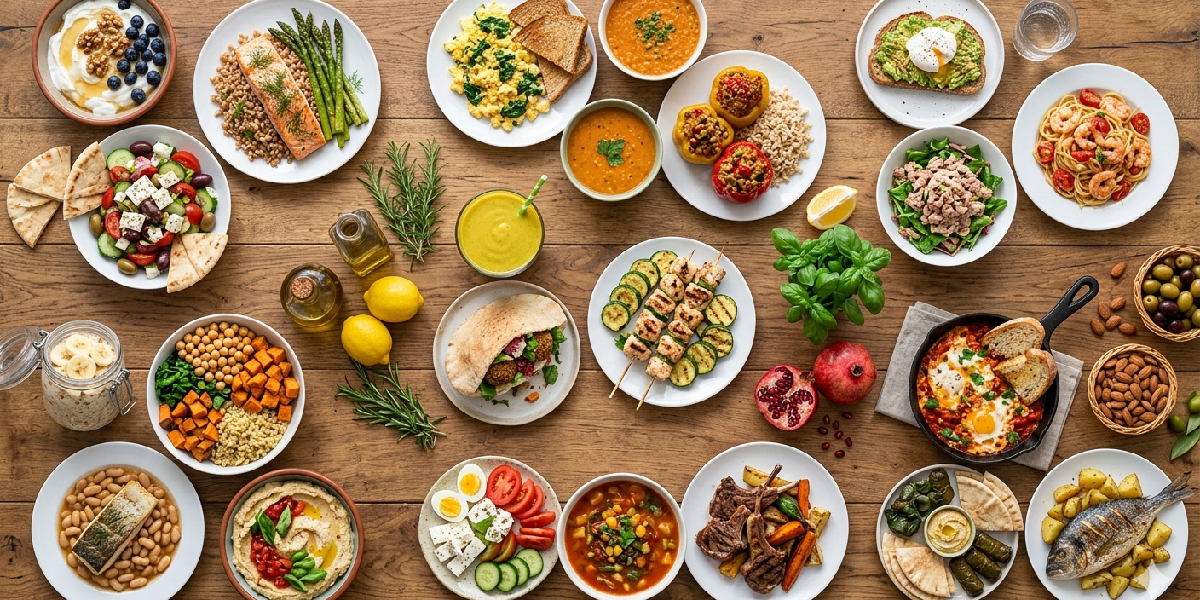
A Mediterranean diet meal plan for beginners is one of the most research-backed, sustainable, and genuinely enjoyable ways to transform how you eat. Whether you are looking to improve your heart health, manage your weight, or simply eat more wholesome food, this seven-day guide gives you everything you need to start confidently today.
What Is the Mediterranean Diet and Why Does It Work?
The Mediterranean diet is inspired by the traditional eating habits of people living in countries bordering the Mediterranean Sea, including Greece, Italy, Spain, and Turkey. It is not a rigid calorie-counting plan. Instead, it is a lifestyle pattern centered on whole, minimally processed foods that taste incredible and nourish the body deeply.
Decades of peer-reviewed research, including the landmark PREDIMED study published in the New England Journal of Medicine, have shown that this eating pattern significantly reduces the risk of cardiovascular disease, type 2 diabetes, cognitive decline, and certain cancers. The secret lies not in a single superfood but in the cumulative effect of an entire food ecosystem working together.
The foundation of this diet includes abundant vegetables, fruits, legumes, whole grains, nuts, seeds, and olive oil. Fish and seafood appear several times a week, while poultry, eggs, and dairy are enjoyed in moderation. Red meat and sweets are reserved for occasional treats. This balance delivers fiber, healthy fats, antioxidants, and lean protein in proportions that support long-term health without deprivation.
Core Principles Before You Begin
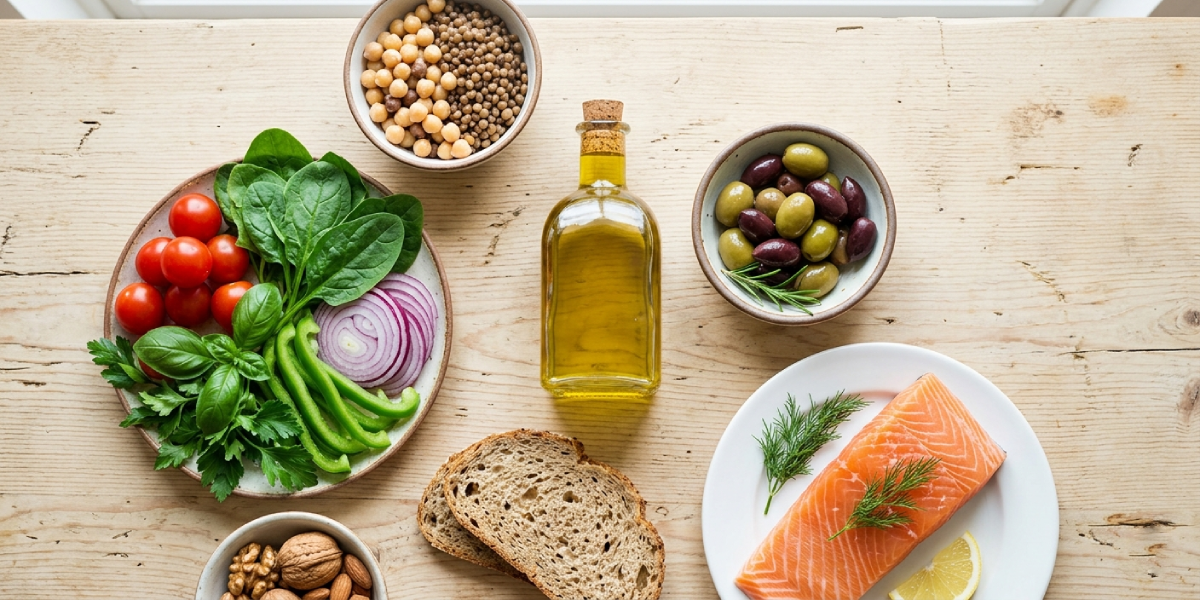
Before diving into the daily meal plan, it helps to understand a few guiding principles that make this approach distinct from fad diets.
- Olive oil is your primary fat: Replace butter, margarine, and vegetable oil with extra-virgin olive oil for cooking and dressings. It is rich in monounsaturated fats and polyphenols with potent anti-inflammatory properties.
- Eat the rainbow: Aim for at least five servings of colorful vegetables and fruits daily. Each color represents a different class of phytonutrients your body needs.
- Make legumes a staple: Lentils, chickpeas, cannellini beans, and fava beans are affordable, filling, and loaded with plant-based protein and fiber.
- Choose whole grains: Swap white bread and white rice for whole wheat pita, farro, barley, bulgur, or brown rice to stabilize blood sugar and support gut health.
- Fish twice a week minimum: Fatty fish like salmon, sardines, mackerel, and trout provide omega-3 fatty acids that protect the cardiovascular system.
- Enjoy meals slowly and socially: Eating with others, without screens, and without rushing is part of the Mediterranean lifestyle and supports better digestion and satiety.
If you want to complement this dietary approach with physical activity, exploring a consistent exercise routine alongside your new eating habits can dramatically accelerate improvements in energy, mood, and body composition.
Your Complete 7-Day Mediterranean Diet Meal Plan for Beginners
The following plan is designed for one person. Each day provides approximately 1,600 to 2,000 calories, though this varies based on portion sizes. You can adjust quantities to match your specific energy needs.
Day 1: A Classic Start
Breakfast: Greek yogurt with a drizzle of honey, a handful of walnuts, and fresh berries. This combination delivers probiotics, healthy fats, and natural antioxidants to start the day with steady energy.
Lunch: A large salad of mixed greens, cherry tomatoes, cucumber, kalamata olives, red onion, and crumbled feta cheese. Dress with extra-virgin olive oil and fresh lemon juice. Add a slice of whole wheat pita on the side.
Dinner: Baked salmon fillet seasoned with garlic, lemon, and fresh dill, served alongside roasted asparagus and a small portion of farro cooked in vegetable broth.
Snack: A small handful of almonds and an apple.
Day 2: Legume-Focused
Breakfast: Two scrambled eggs with sautéed spinach and tomatoes in olive oil, served with a slice of whole grain toast.
Lunch: Lentil soup made with red lentils, cumin, coriander, onion, garlic, and a squeeze of lemon. Pair with a side of cucumber slices and whole wheat bread.
Dinner: Stuffed bell peppers filled with a mixture of ground turkey, brown rice, tomatoes, and herbs like oregano and parsley, baked until tender.
Snack: Hummus with carrot and celery sticks.
Day 3: Plant-Forward Power
Breakfast: Overnight oats made with rolled oats, almond milk, chia seeds, sliced banana, and a pinch of cinnamon. Prepare the night before for a grab-and-go morning.
Lunch: A warm grain bowl with roasted sweet potato, chickpeas tossed in cumin and paprika, baby spinach, cherry tomatoes, and a tahini-lemon drizzle over a bed of bulgur wheat.
Dinner: Pan-seared sea bass with a side of braised white beans in a tomato and garlic sauce, finished with fresh basil and a drizzle of olive oil.
Snack: A small bunch of grapes and a few walnuts.
Day 4: Midweek Refresh
Breakfast: A smoothie blended with frozen mango, spinach, banana, plain Greek yogurt, and a tablespoon of flaxseed for omega-3 fatty acids.
Lunch: Whole wheat pita stuffed with falafel (baked is fine), shredded lettuce, diced tomato, cucumber, and a generous spoonful of tzatziki sauce.
Dinner: Chicken souvlaki marinated in lemon, garlic, and oregano, grilled and served with a side of roasted zucchini and a Greek salad.
Snack: A small bowl of mixed olives and a few whole grain crackers.
Day 5: Seafood Focus
Breakfast: Whole grain toast topped with smashed avocado, a poached egg, and a sprinkle of red pepper flakes and fresh herbs.
Lunch: Tuna salad made with canned tuna in olive oil, chopped celery, red onion, capers, and a light lemon-Dijon dressing, served over mixed greens.
Dinner: Shrimp sautéed with garlic, cherry tomatoes, capers, and white wine, served over whole wheat spaghetti with a generous handful of fresh parsley.
Snack: Plain yogurt with a teaspoon of honey and a few pumpkin seeds.
Day 6: Weekend Comfort
Breakfast: A leisurely spread of whole grain bread, sliced tomatoes, cucumber, feta cheese, a boiled egg, and a small glass of fresh orange juice. This is breakfast as the Greeks enjoy it on weekends.
Lunch: Minestrone soup packed with zucchini, carrots, celery, cannellini beans, diced tomatoes, and small whole wheat pasta. Make a large pot and enjoy leftovers throughout the week.
Dinner: Lamb chops marinated in rosemary, garlic, and lemon, served with roasted root vegetables and a side of tzatziki.
Snack: Fresh fruit salad with melon, oranges, and pomegranate seeds.
Day 7: A Relaxed Finish
Breakfast: Shakshuka, a popular North African and Middle Eastern dish where eggs are poached directly in a spiced tomato and bell pepper sauce. Serve with crusty whole grain bread for dipping.
Lunch: A mezze platter with hummus, baba ganoush, stuffed grape leaves, whole wheat pita, sliced raw vegetables, and a small plate of olives.
Dinner: Whole roasted sea bream or snapper stuffed with lemon, garlic, and fresh herbs, served with roasted potatoes tossed in olive oil and rosemary, alongside a fresh tomato and onion salad.
Snack: A small square of dark chocolate (70 percent cocoa or higher) and a handful of pistachios.
Sample Weekly Grocery List
| Category | Items to Buy |
|---|---|
| Produce | Spinach, mixed greens, tomatoes, cucumbers, zucchini, bell peppers, asparagus, sweet potatoes, carrots, lemons, oranges, berries, bananas, apples, grapes |
| Proteins | Salmon fillets, sea bass or bream, shrimp, canned tuna in olive oil, chicken thighs or breast, ground turkey, lamb chops, eggs, plain Greek yogurt |
| Legumes and Grains | Red lentils, chickpeas (canned or dry), cannellini beans, farro, bulgur wheat, brown rice, rolled oats, whole wheat pasta, whole wheat pita bread |
| Pantry Staples | Extra-virgin olive oil, kalamata olives, capers, tahini, feta cheese, canned diced tomatoes, vegetable broth, honey, walnuts, almonds, pistachios, pumpkin seeds, flaxseed, chia seeds |
| Herbs and Spices | Oregano, cumin, coriander, paprika, rosemary, dill, parsley, basil, red pepper flakes, cinnamon |
Key Health Benefits Backed by Science
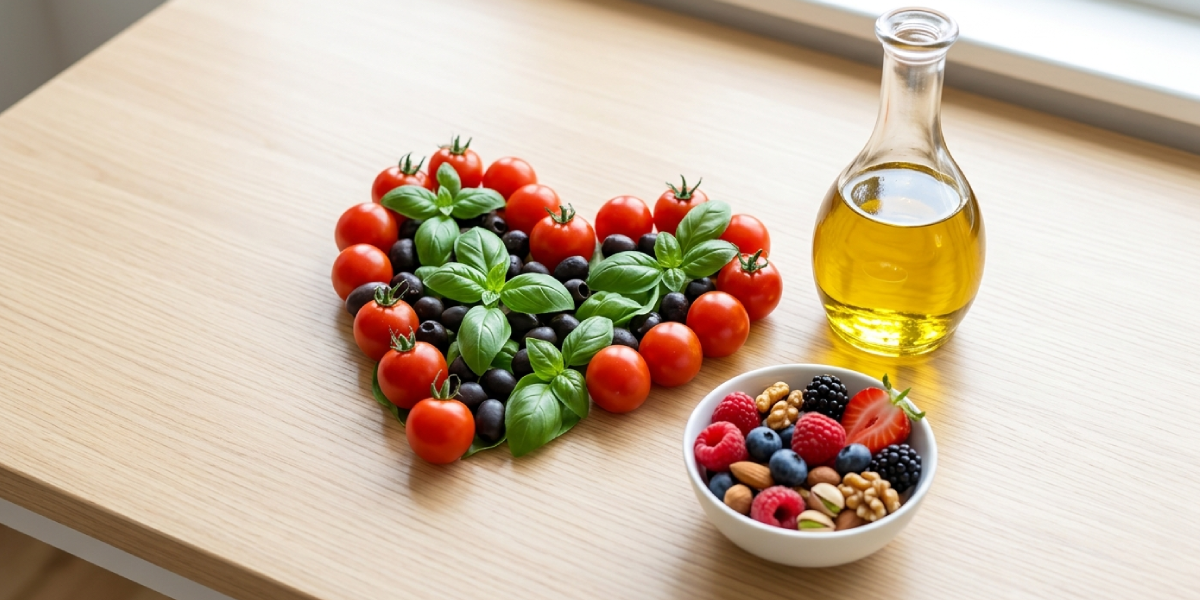
The Mediterranean diet has been the subject of thousands of clinical studies, and the evidence supporting its benefits is among the strongest of any dietary pattern in nutritional science.
Heart health is perhaps the most well-documented benefit. This way of eating reduces LDL cholesterol, lowers blood pressure, decreases inflammation, and reduces the risk of heart attack and stroke. The combination of olive oil, omega-3 rich fish, fiber from legumes and whole grains, and antioxidant-rich produce creates a synergistic protective effect on the cardiovascular system.
Weight management is another significant advantage. Because meals are high in fiber and protein and rich in healthy fats, satiety is high without the need for calorie restriction. Most people who adopt this pattern naturally reduce their overall calorie intake without feeling deprived.
Cognitive health is an exciting emerging area of research. Studies suggest that following a Mediterranean-style diet is associated with a slower rate of cognitive decline, reduced risk of Alzheimer’s disease, and better mood and mental health outcomes. The brain-protective effects are thought to come from the anti-inflammatory properties of the diet as a whole.
Monitoring your overall health regularly while following this plan is a wise practice. Tracking your blood pressure, cholesterol, and other biometric markers gives you concrete data on how the diet is working for your unique body. Using a tool like a BMI calculator can also help you set realistic goals and measure progress over time.
Practical Tips for Long-Term Success
The biggest barrier most beginners face is not knowing how to make the switch feel effortless rather than overwhelming. Here are practical strategies that make the transition sustainable.
- Batch cook on Sundays: Prepare a large pot of grains, roast a sheet pan of vegetables, cook a batch of legumes, and portion them into containers. This takes less than two hours and makes weeknight meals nearly effortless.
- Keep pantry staples stocked: With canned legumes, canned tomatoes, extra-virgin olive oil, dried herbs, and whole grain pasta always available, you are never more than 20 minutes from a Mediterranean-style meal.
- Use the plate method: Fill half your plate with vegetables, one quarter with whole grains or legumes, and one quarter with lean protein. Drizzle olive oil generously over the whole plate.
- Transition gradually: If switching everything at once feels daunting, start by making one Mediterranean meal a day and expanding from there. Small, consistent changes compound into lasting habits.
- Eat seasonally and locally: Fresh, seasonal produce is not only more nutritious but also more affordable. Visit a local farmers market when possible.
- Drink water and herbal tea as your default: Limit sugary drinks, and if you consume alcohol, red wine in moderate amounts (one glass per day for women, up to two for men) is considered part of the traditional pattern, though abstaining is always a valid choice.
Frequently Asked Questions
Is the Mediterranean diet suitable for complete beginners with no cooking experience?
Absolutely. Many Mediterranean meals are simple by design. A classic Greek salad, hummus with vegetables, or a piece of baked fish with roasted vegetables requires minimal technique. Start with the simplest recipes in Week 1 and build your skills naturally as you go.
How quickly can I expect to see results on the Mediterranean diet?
Many people report feeling more energized and experiencing improved digestion within the first two weeks. Visible changes in weight and measurable improvements in blood cholesterol or blood pressure typically become apparent after four to twelve weeks of consistent adherence.
Can I follow a Mediterranean diet meal plan for beginners on a budget?
Yes, very comfortably. The bulk of the diet relies on legumes, whole grains, seasonal vegetables, and eggs, which are among the most affordable foods available. Canned sardines and frozen fish are budget-friendly alternatives to fresh seafood without sacrificing nutritional quality.
Is this diet appropriate for people with type 2 diabetes?
The Mediterranean diet is widely recommended by diabetes specialists and dietitians for people with type 2 diabetes or prediabetes. Its emphasis on fiber-rich foods, healthy fats, and low-glycemic-index carbohydrates helps stabilize blood sugar levels effectively. Always consult your healthcare provider before making significant dietary changes if you are managing a chronic condition.
Do I need to give up bread and pasta entirely?
Not at all. In fact, bread and pasta are part of the traditional Mediterranean diet. The key is choosing whole grain versions and consuming them in appropriate portions. Whole wheat pasta, sourdough from whole grain flour, and whole wheat pita are all compatible with this eating pattern.
How much olive oil should I use daily?
Most Mediterranean dietary guidelines recommend two to four tablespoons of extra-virgin olive oil per day. Use it for cooking, drizzling over salads, dipping bread, and finishing dishes. Do not be afraid of its caloric content. The fat in olive oil is associated with cardiovascular protection, not weight gain, when used in place of less healthy fats.
Can vegetarians or vegans follow the Mediterranean diet?
The Mediterranean diet is naturally well-suited to vegetarians and can be adapted for vegans with ease. Plant-based protein sources like lentils, chickpeas, tofu, tempeh, edamame, and a wide variety of nuts and seeds can fully replace animal proteins. Remove dairy and eggs for a fully vegan version.
Should I count calories on the Mediterranean diet?
Calorie counting is generally not part of the Mediterranean approach. The focus is on food quality and eating patterns rather than strict numerical tracking. Because the diet naturally promotes satiety through fiber, protein, and healthy fats, most people find that portion control takes care of itself when they eat mindfully and slowly.
What should I drink on the Mediterranean diet?
Water is the primary beverage. Herbal teas, coffee in moderate amounts, and freshly squeezed fruit juice in small quantities are all acceptable. The traditional pattern includes moderate red wine consumption with meals, but this is entirely optional and should never be started for health reasons if you do not already drink.
Is it necessary to exercise alongside this diet?
While the Mediterranean diet delivers significant benefits on its own, pairing it with regular physical activity amplifies all of those benefits considerably. The traditional Mediterranean lifestyle naturally includes a great deal of walking, gardening, and other moderate daily movement, which is an integral part of why populations following this pattern enjoy such remarkable longevity and health.