
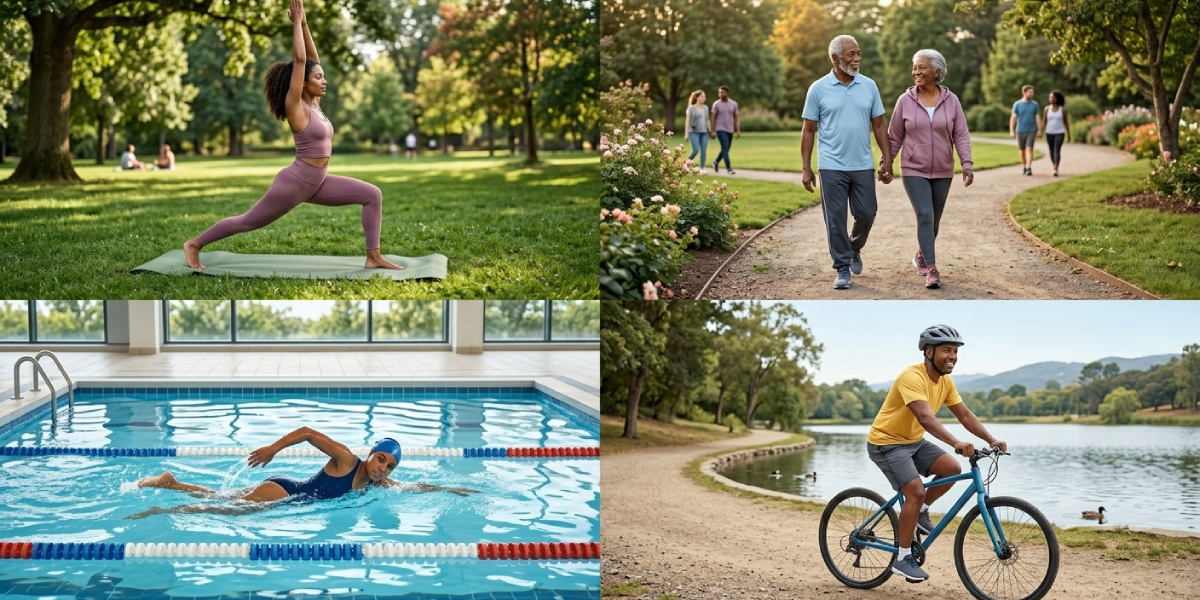
If you are looking for low impact exercise routines for beginners, you have come to the right place. Starting a fitness journey does not have to mean jumping into high-intensity workouts that leave your joints aching and your motivation crushed.
Low impact exercise is one of the most effective, sustainable, and science-backed ways to build a healthier body — especially when you are just getting started.
Whether you are recovering from an injury, managing a chronic condition, returning to fitness after a long break, or simply want a gentler entry point into regular movement, low impact routines deliver real results without the physical toll that high-impact workouts can impose. This guide walks you through everything you need to know to get moving safely, smartly, and consistently.
What Is Low Impact Exercise?
Low impact exercise refers to any physical activity in which at least one foot remains in contact with the ground at all times, or in which the body experiences minimal jarring forces. Unlike running or jumping, low impact movement significantly reduces stress on the joints, bones, and connective tissue. This makes it ideal for beginners, older adults, people with arthritis, those who are overweight, and anyone returning from injury.
It is important to clarify that low impact does not mean low intensity. Many low impact exercises can be highly challenging and effective for building cardiovascular fitness, muscular strength, and flexibility. The difference lies in how the body handles the mechanical load — not in how hard you work.
Why Low Impact Exercise Is Perfect for Beginners
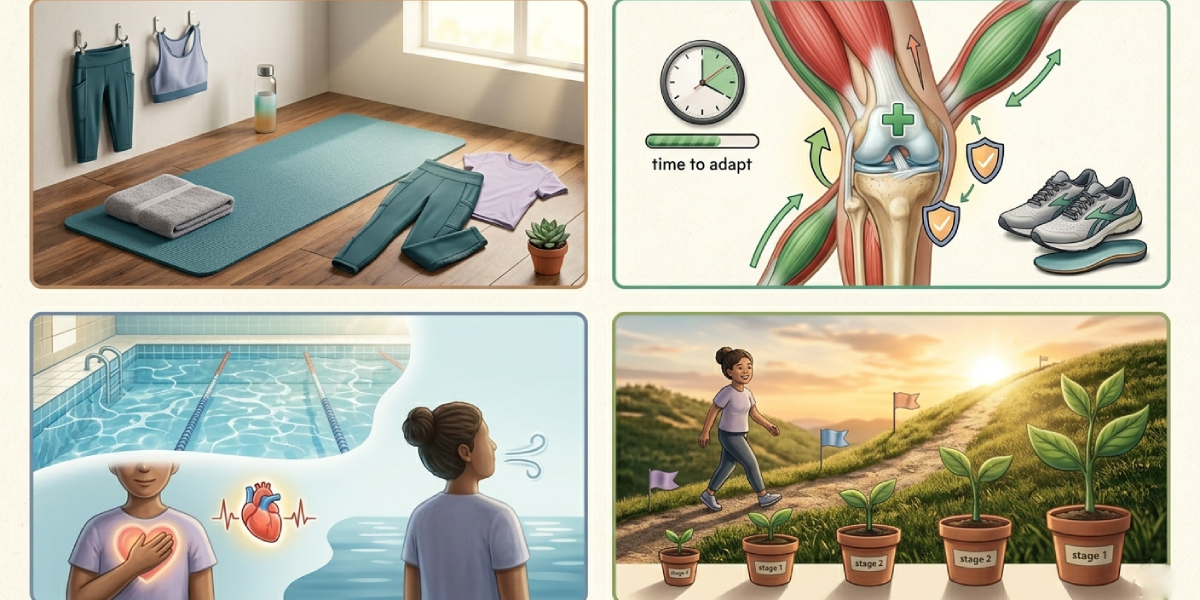
When you are new to exercise, your muscles, tendons, and ligaments need time to adapt. Throwing yourself into high-impact activities too quickly is one of the most common reasons beginners experience injuries and drop out of fitness programs. Low impact routines allow your body to strengthen progressively, reduce the risk of overuse injuries, and build the aerobic base you need for long-term health.
Beyond the physical benefits, low impact workouts are accessible. You do not need expensive equipment, a gym membership, or hours of free time. Many of the most effective beginner routines can be done at home with nothing more than a mat and comfortable clothing. Consistency is the real key to fitness, and low impact movement makes it easier to stay consistent because it is gentler on the body and easier to recover from.
Understanding your current fitness level is a smart first step. You can use a BMI calculator to get a baseline picture of your body composition, which can help you set realistic goals and track progress over time.
The Best Low Impact Exercise Routines for Beginners
1. Walking
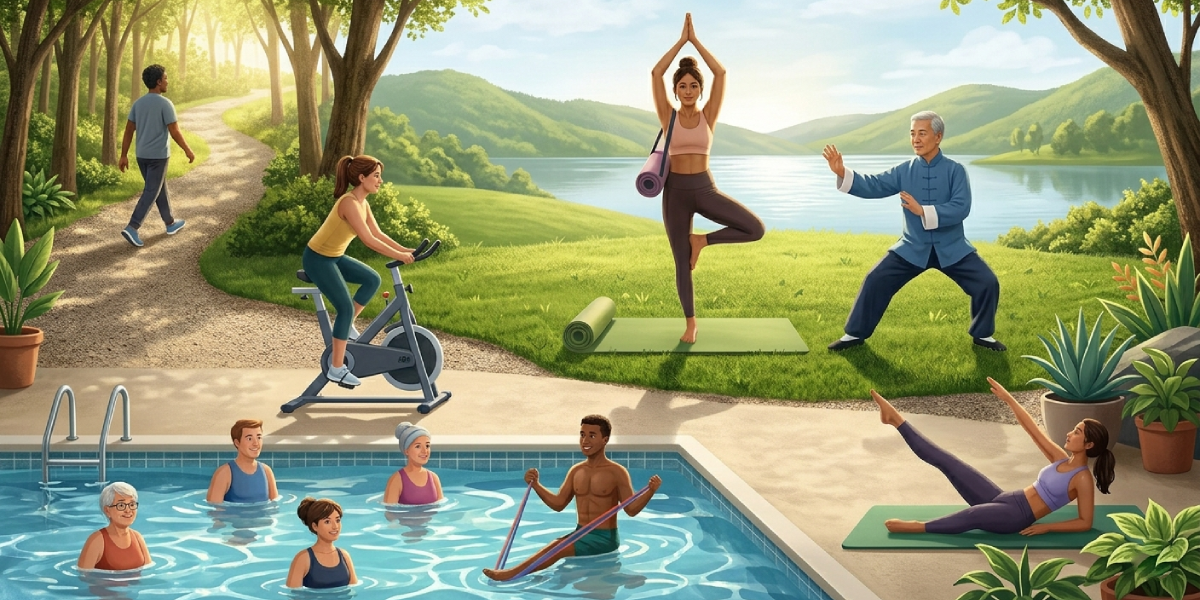
Walking is arguably the most accessible and underrated form of low impact exercise available. It requires no equipment, no special skills, and can be done virtually anywhere. Research consistently shows that regular brisk walking improves cardiovascular health, supports weight management, reduces the risk of type 2 diabetes, and boosts mood through endorphin release.
For beginners, aim to start with 20 to 30 minutes of brisk walking three to five days per week. Focus on maintaining good posture — head up, shoulders back, core lightly engaged, and arms swinging naturally. As your fitness improves, gradually increase your duration or pace. Adding small inclines, whether outdoors or on a treadmill, increases intensity without increasing impact.
2. Swimming and Water Aerobics
Water-based exercise is one of the most joint-friendly forms of movement available. The buoyancy of water supports up to 90 percent of your body weight, dramatically reducing the load on hips, knees, and ankles. Swimming engages virtually every major muscle group simultaneously, building both cardiovascular endurance and muscular strength in a single session.
Water aerobics classes are particularly well-suited for beginners because they are typically structured, social, and guided by an instructor. Even if you are not a strong swimmer, shallow-water classes provide an excellent full-body workout. Aim for two to three sessions per week, each lasting 30 to 45 minutes.
3. Cycling (Stationary or Outdoor)
Cycling is a highly effective low impact exercise that strengthens the quadriceps, hamstrings, glutes, and calves while providing substantial cardiovascular benefits. A stationary bike is especially beginner-friendly because it eliminates the balance and traffic concerns that come with outdoor riding.
Begin with 15 to 20 minute sessions at a comfortable resistance level, focusing on smooth, controlled pedaling. Gradually increase duration before increasing resistance. Cycling at a moderate pace for 150 minutes per week aligns with the physical activity guidelines established by major health organizations for improving overall health in adults.
4. Yoga
Yoga combines movement, breathwork, and mindfulness to improve flexibility, balance, core strength, and mental well-being. For beginners, styles such as Hatha yoga and Yin yoga are gentle, slow-paced, and highly adaptable to different fitness levels and body types.
Regular yoga practice has been shown to reduce lower back pain, improve joint mobility, lower stress hormone levels, and enhance sleep quality. Start with two to three sessions per week using beginner-friendly videos or classes. Focus on listening to your body and never pushing into pain. Props such as blocks and straps can make poses more accessible and safe.
5. Pilates
Pilates is a low impact discipline that emphasizes core strength, postural alignment, and controlled movement. Originally developed as a rehabilitation method, Pilates has been widely adopted as a fitness practice for people of all ages and abilities. It is particularly effective for strengthening the deep stabilizing muscles of the back and abdomen, which supports better posture and reduces injury risk in daily life.
Mat-based Pilates requires only a yoga mat and is an excellent starting point for beginners. Aim for two to three sessions per week, working through foundational exercises such as the hundred, leg circles, and the bridge. If possible, working with a certified instructor for your first few sessions helps ensure proper form.
6. Resistance Band Training
Resistance bands are inexpensive, portable, and remarkably effective for building muscular strength and endurance with minimal joint stress. Unlike free weights, bands provide variable resistance throughout a movement, which can be easier on joints while still delivering a strong training stimulus.
A basic beginner resistance band routine might include banded squats, rows, chest presses, bicep curls, and lateral walks. Start with a lighter resistance band and focus on controlled, full-range-of-motion repetitions. Perform two to three sets of 12 to 15 repetitions per exercise, two to three times per week, with at least one rest day between sessions.
7. Tai Chi
Tai chi is a traditional Chinese practice that involves slow, flowing movements performed in a meditative state. It is exceptionally gentle on the joints and has been well-studied for its benefits in older adults, including improvements in balance, fall prevention, flexibility, and cognitive function. However, it is equally valuable for younger beginners seeking a mindful, stress-reducing form of movement.
Many community centers and senior wellness programs offer beginner tai chi classes, and a wide variety of quality instructional videos are available online. Even 20 minutes of tai chi practice daily can produce measurable benefits in balance and stress reduction within a few weeks.
Building Your Weekly Low Impact Exercise Plan
One of the most common mistakes beginners make is doing too much too soon. A sustainable beginner plan should include three to five workout sessions per week, with adequate rest built in. Variety is your friend — combining cardiovascular exercises like walking or cycling with strength-focused work like resistance bands or Pilates, and flexibility-focused practices like yoga, provides a well-rounded fitness foundation.
Here is a sample beginner weekly structure:
| Day | Activity | Duration |
|---|---|---|
| Monday | Brisk walking | 30 minutes |
| Tuesday | Beginner Pilates or yoga | 30 minutes |
| Wednesday | Rest or gentle stretching | 15–20 minutes |
| Thursday | Stationary cycling | 25–30 minutes |
| Friday | Resistance band training | 30 minutes |
| Saturday | Swimming or water aerobics | 30–40 minutes |
| Sunday | Rest or leisurely walk | 20 minutes |
Key Tips for Getting the Most Out of Low Impact Workouts
- Warm up every session. Spend five minutes doing gentle marching in place, arm circles, or light dynamic stretching before increasing your intensity.
- Cool down and stretch. After each session, spend five to ten minutes in light stretching to support recovery and flexibility.
- Stay hydrated. Drink water before, during, and after exercise, even when workouts feel gentle.
- Track your progress. Keeping a simple exercise log helps you see improvements and stay motivated.
- Listen to your body. Some muscle soreness is normal when starting out, but sharp or joint pain is a signal to stop and rest.
- Prioritize consistency over intensity. Four moderate sessions per week done consistently will produce far better results than occasional intense efforts followed by long breaks.
How Low Impact Exercise Supports Long-Term Health
The benefits of regular low impact exercise extend far beyond physical fitness. Consistent movement supports cardiovascular health by lowering blood pressure and improving cholesterol profiles. It plays a meaningful role in maintaining a healthy weight, managing blood sugar levels, and reducing the risk of metabolic conditions. Exploring health resources alongside your exercise routine can help you build a fuller picture of your wellness habits and how they interact with your overall well-being.
Mental health is another significant beneficiary of regular movement. Exercise stimulates the release of endorphins, serotonin, and dopamine — neurotransmitters associated with improved mood, reduced anxiety, and better stress resilience. Even moderate activity performed at low impact levels has been shown to reduce symptoms of mild to moderate depression in numerous clinical studies.
For those interested in exploring a wider range of movement options and structured programs, browsing a library of exercise guides can provide additional inspiration and practical direction as you build your routine.
Common Beginner Mistakes to Avoid
Starting your fitness journey with the right habits makes a significant difference in long-term success. Skipping warm-ups is one of the most frequent mistakes beginners make, and it increases the risk of muscle strains and joint discomfort. Neglecting rest days is another common pitfall — muscle growth and adaptation happen during recovery, not during the workout itself.
Comparing your progress to others, particularly on social media, can undermine motivation and lead to unrealistic expectations. Focus on your own journey. Every step forward, no matter how small, is progress. Celebrate consistent effort and gradual improvement rather than fixating on where you want to be in the future.
Frequently Asked Questions
What makes an exercise low impact?
A low impact exercise is one in which at least one foot remains in contact with the ground at all times, or the activity takes place in a supportive medium like water. This minimizes the jarring force placed on joints, bones, and connective tissue, making it safer and more sustainable for a wide range of individuals.
Can low impact exercise help with weight loss?
Yes. Low impact exercise burns calories, supports muscle development, and improves metabolic function — all of which contribute to weight management. When combined with a balanced diet, consistent low impact activity is an effective and sustainable approach to losing or maintaining weight.
How often should a beginner exercise each week?
Most health guidelines recommend beginners aim for at least 150 minutes of moderate-intensity aerobic activity per week, spread across three to five sessions. Starting with three days per week and gradually increasing frequency and duration is a safe and practical approach.
Is low impact exercise good for older adults?
Absolutely. Low impact exercise is especially well-suited for older adults because it reduces injury risk while still delivering meaningful cardiovascular, muscular, and balance benefits. Activities like walking, swimming, tai chi, and yoga are particularly popular and beneficial in this age group.
Can I build muscle with low impact workouts?
Yes. Resistance-based low impact exercises such as Pilates, resistance band training, and bodyweight exercises effectively build muscular strength and endurance. While low impact training may not produce the same level of muscle mass as heavy weightlifting, it delivers significant functional strength improvements that support daily activities and injury prevention.
Do I need equipment to start a low impact routine?
No. Many highly effective low impact exercises require no equipment at all. Walking, yoga, Pilates mat work, tai chi, and bodyweight exercises can all be performed at home with no financial investment beyond comfortable clothing and a yoga mat. Resistance bands and a stationary bike are affordable additions if you want more variety.
How long before I see results from low impact exercise?
Most beginners notice improved energy levels, better sleep, and a more positive mood within two to four weeks of consistent exercise. Visible physical changes such as improved muscle tone and weight changes typically become more apparent after six to eight weeks of consistent effort, depending on individual factors like diet and starting fitness level.
Is low impact exercise safe during pregnancy?
Many low impact exercises, such as walking, swimming, and prenatal yoga, are generally considered safe during uncomplicated pregnancies. However, it is essential to consult with a qualified healthcare provider before beginning or continuing any exercise program during pregnancy to ensure the chosen activities are appropriate for your individual circumstances.
What is the difference between low impact and low intensity?
Low impact refers to the mechanical force placed on joints and bones during movement, while low intensity refers to the effort level of an activity. A low impact exercise can still be high intensity — cycling at a fast pace, for example, is low impact but can be very intense. Beginners can adjust both variables independently depending on their fitness level and goals.
How do I stay motivated to exercise as a beginner?
Setting small, achievable goals, tracking your progress, exercising with a friend or community, and choosing activities you genuinely enjoy are among the most effective ways to build lasting exercise habits. Focus on how regular movement makes you feel, rather than purely on physical outcomes, to sustain long-term motivation.