

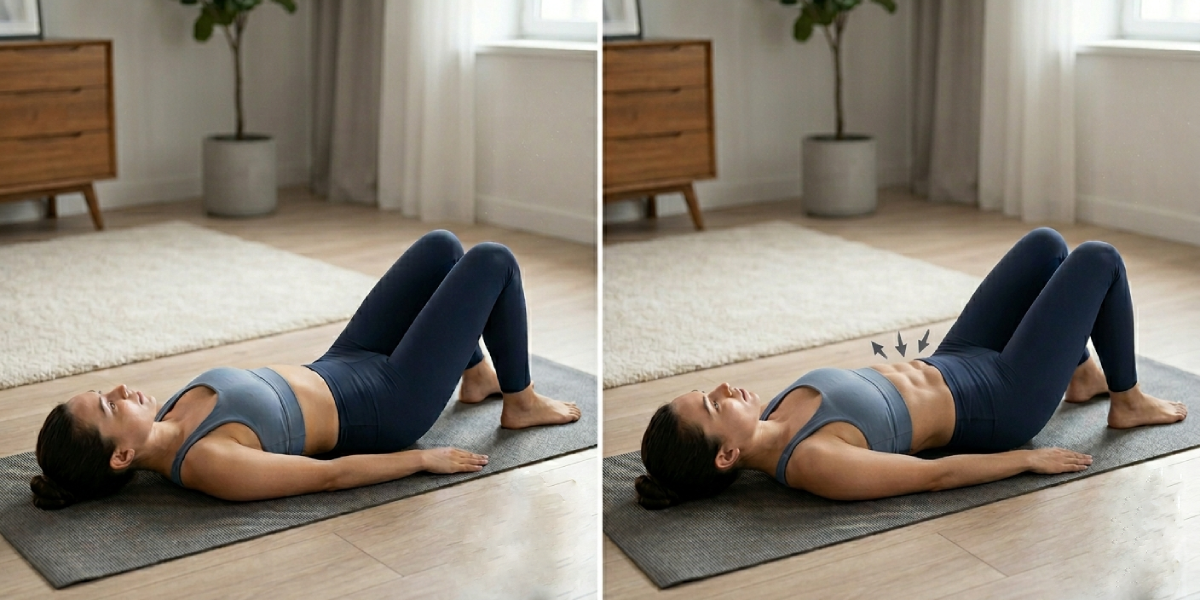
Kegel exercises are simple yet powerful movements that strengthen your pelvic floor muscles, improving bladder control and sexual function. In this comprehensive guide, we explore the science, benefits, and proper techniques for performing Kegel exercises effectively.
What Are Kegel Exercises?
Kegel exercises, also known as pelvic floor exercises, are targeted contractions of the muscles that support your bladder, uterus, and bowel. Named after gynecologist Dr. Arnold Kegel who developed them in the 1940s, these exercises have become a cornerstone of pelvic health for both men and women.
The pelvic floor is a group of muscles that form a sling at the base of your pelvis. These muscles control the flow of urine and stool, support pelvic organs, and play an important role in sexual function. Over time, due to aging, pregnancy, or other factors, these muscles can weaken, leading to various health concerns that Kegel exercises can address.
Understanding your pelvic floor anatomy is the first step toward success. The pelvic floor muscles include the pubococcygeus and ischiocavernosus muscles, which are the primary targets when performing Kegels. These muscles are often referred to as the “muscles of continence” because they directly control bladder and bowel function.
Who Can Benefit From Kegel Exercises?
Kegel exercises aren’t just for one group of people. They offer benefits across a wide range of ages and life circumstances. Women who are pregnant, postpartum, or experiencing menopausal symptoms often find Kegels particularly helpful. Men dealing with prostate issues or erectile dysfunction can also see significant improvements.
Anyone experiencing urinary incontinence, whether it’s stress incontinence from coughing or exercising, or urgency incontinence from sudden urges, may benefit from strengthening their pelvic floor. Additionally, people who have experienced pelvic trauma, had pelvic surgery, or are aging often see improvements in quality of life through consistent Kegel practice.
Athletes and fitness enthusiasts should also consider incorporating Kegels into their routines, as strong pelvic floor muscles can enhance athletic performance and reduce injury risk. Whether you’re looking to improve your overall health or address a specific concern, Kegel exercises are accessible to almost everyone.
Health Benefits of Kegel Exercises

Improved Bladder Control
One of the most significant benefits of Kegel exercises is improved urinary control. Stress incontinence, which affects millions of people worldwide, occurs when activities like sneezing, laughing, or exercising cause urine leakage. By strengthening the pelvic floor muscles, you can significantly reduce or even eliminate these embarrassing incidents.
Studies show that consistent Kegel practice can improve continence in 30 to 60 percent of people with stress incontinence.
Enhanced Sexual Function
Stronger pelvic floor muscles can lead to improved sexual function for both men and women. In women, Kegels may increase sexual satisfaction and arousal. In men, these exercises can help with erectile dysfunction and premature ejaculation.
The improved muscle tone and blood flow to the genital area contribute to these benefits, making Kegels a non-invasive option for sexual wellness.
Bowel Control
Beyond bladder control, Kegel exercises can improve bowel control and reduce fecal incontinence. This is particularly valuable for people who have experienced childbirth or have aging-related weakening of the pelvic floor. Many individuals report significant quality-of-life improvements after several weeks of consistent practice.
Better Pelvic Health During Pregnancy and Postpartum
Pregnant women who perform Kegel exercises regularly often experience easier labor and faster postpartum recovery. The strengthened pelvic floor can support the growing baby more effectively and may reduce the risk of perineal tearing during delivery.
Postpartum women use Kegels to restore muscle strength and address any incontinence issues that developed during pregnancy.
Reduced Pelvic Pain
For some individuals, proper pelvic floor strengthening through Kegels can reduce chronic pelvic pain. When performed correctly and combined with proper relaxation techniques, Kegels can address both tension and weakness in the pelvic floor, leading to pain reduction.
How to Perform Kegel Exercises Correctly
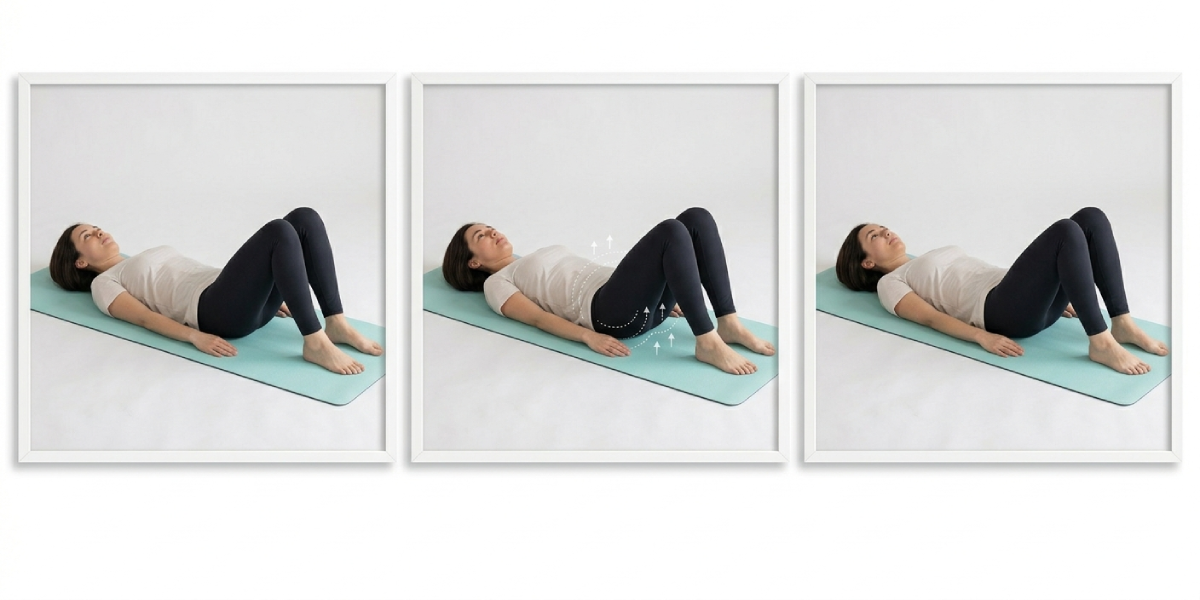
Identifying Your Pelvic Floor Muscles
Before you begin, you need to identify the correct muscles to exercise. The easiest way is during urination: try to stop the flow of urine midstream. The muscles you use to do this are your pelvic floor muscles. However, don’t regularly interrupt your urine stream for exercise, as this can interfere with normal bladder function. Use this technique only to identify the muscles initially.
Another method is to imagine you’re trying to prevent yourself from passing gas. Squeeze the muscles you would use for this action. Those are your pelvic floor muscles. Once you’ve identified them, you can perform Kegels anywhere, anytime, without anyone knowing.
Basic Kegel Exercise Steps
Follow these steps for proper Kegel execution:
- Find a comfortable position, whether sitting, standing, or lying down
- Contract your pelvic floor muscles and hold for 3 seconds initially
- Relax the muscles and rest for 3 seconds
- Repeat this cycle 10 to 15 times in one session
- Perform three sessions daily for optimal results
- Gradually increase your hold time to 5, then 10 seconds as you build strength
Progression and Variation
As your pelvic floor muscles strengthen, increase the difficulty of your Kegel routine. After a few weeks, you should be able to hold contractions for 10 seconds comfortably. Eventually, work toward sets of longer holds, such as 10-second contractions with 10-second rests, repeated 10 to 20 times.
You can also vary your approach by performing quick pulses: rapidly contract and release your pelvic floor muscles 20 to 30 times, rest, and repeat. Mixing long holds with quick pulses provides a more comprehensive workout for your pelvic floor. As with any exercise program, consistency matters more than intensity.
Common Mistakes When Doing Kegel Exercises
Many people perform Kegels incorrectly, which reduces their effectiveness and may even cause problems. Understanding these common mistakes can help you maximize your results.
Contracting the Wrong Muscles
One of the most frequent mistakes is engaging your abdomen, buttocks, or thigh muscles instead of your pelvic floor. When performing Kegels, only your pelvic floor should be working. Keep your stomach relaxed and avoid holding your breath. If you feel tension in your lower abdomen or buttocks, you’re likely contracting the wrong muscles.
Holding Your Breath
It’s important to continue breathing normally throughout Kegel exercises. Holding your breath can tense your entire body and reduce the effectiveness of the exercise. Breathe slowly and naturally while maintaining your pelvic floor contraction.
Exercising on a Full Bladder
Performing Kegels with a very full bladder can interfere with proper muscle contraction and may lead to incomplete bladder emptying. Try to have an empty or relatively empty bladder when doing your exercises. This also prevents potential urinary tract infections that could result from retained urine.
Overdoing It
More is not always better with Kegel exercises. Overdoing Kegels can lead to muscle fatigue and discomfort, similar to overtraining any muscle group. Stick to the recommended routine of three sessions daily, and don’t feel obligated to exceed the suggested number of repetitions unless your healthcare provider advises otherwise.
Neglecting the Rest Phase
The relaxation phase is just as important as the contraction phase. Muscles grow stronger when they’re given time to rest and recover. Ensuring adequate rest between contractions allows your pelvic floor muscles to build strength more effectively.
Timeline for Seeing Results
Most people notice improvements in their symptoms after 4 to 6 weeks of consistent Kegel practice. Some may see benefits as early as 2 to 3 weeks, while others may need 8 to 12 weeks. The timeline depends on several factors, including the severity of your condition, your age, overall fitness level, and how consistently you perform the exercises.
For urinary incontinence, many people report significant improvement with regular Kegels. For sexual dysfunction, improvements often develop gradually and may continue to improve for several months. Remember that consistency is key, so establishing a daily routine will help you achieve results faster.
When to Consult a Healthcare Provider
While Kegel exercises are generally safe, certain situations warrant professional guidance. If you experience pain during or after Kegels, have severe incontinence, or are unable to locate your pelvic floor muscles, consult a healthcare provider or pelvic floor physical therapist.
They can assess your condition, provide personalized guidance, and ensure you’re performing the exercises correctly.
Pregnant women, people recovering from childbirth, and those with certain pelvic conditions should discuss Kegel exercises with their obstetrician or healthcare provider. Additionally, if you have persistent pelvic pain, difficulty urinating, or other concerning symptoms, professional evaluation is important before starting any exercise program.
A pelvic floor physical therapist can use biofeedback devices to help you identify and strengthen your pelvic floor muscles more effectively. This professional guidance can significantly improve outcomes, especially for those with more complex conditions.
Combining Kegels With Other Health Practices
While Kegel exercises are valuable on their own, combining them with other healthy habits enhances their effectiveness. Regular exercise routines improve overall pelvic health and blood flow to the area. Maintaining proper hydration and a balanced diet supports bladder health. Avoiding excessive caffeine and alcohol can reduce urinary urgency and incontinence.
Weight management also plays a role in pelvic health, as extra weight increases pressure on the pelvic floor. If you’re looking to improve your overall health and fitness, consider using tools like our BMI calculator to establish baseline measurements.
Additionally, staying informed about broader health topics ensures you’re taking a comprehensive approach to your wellbeing.
Stress management and adequate sleep also support pelvic health. Chronic stress can lead to pelvic floor tension, while poor sleep quality may impair muscle recovery. Incorporating relaxation techniques like yoga, meditation, or deep breathing can complement your Kegel routine.
Kegel Exercises for Different Populations
For Women
Women often benefit significantly from Kegel exercises, particularly after childbirth or during menopause. The hormonal changes during menopause can weaken the pelvic floor, making Kegels especially valuable during this life stage. Women with stress incontinence find that Kegels provide noticeable relief within weeks.
For Men
Men often overlook Kegel exercises, but they can be highly beneficial for prostate health and erectile function. Men who have had prostate surgery or experience erectile dysfunction often see improvements with consistent Kegel practice. Stronger pelvic floor muscles also improve sexual performance and satisfaction.
For Aging Adults
As people age, pelvic floor weakness becomes more common. Older adults who perform Kegels regularly often maintain better continence and quality of life. These exercises become increasingly important for maintaining independence and dignity in older age.
Frequently Asked Questions
How long should I do Kegel exercises?
Most healthcare providers recommend 10 to 15 repetitions per session, performed three times daily. However, your specific routine may vary based on your condition and fitness level. Consult your healthcare provider for personalized recommendations. Most routines take only 5 to 10 minutes total daily.
Can I overdo Kegel exercises?
Yes, overtraining your pelvic floor muscles can lead to fatigue and discomfort. Stick to recommended guidelines and avoid excessive exercise. If you experience pain or discomfort, reduce the frequency and intensity of your routine and consult a healthcare provider.
Can men do Kegel exercises?
Absolutely. Kegel exercises are equally beneficial for men, offering improvements in erectile dysfunction, premature ejaculation, prostate health, and urinary control. The technique is identical, with men contracting the same pelvic floor muscles.
Do I need any special equipment for Kegel exercises?
No, Kegels require no special equipment. However, some people find pelvic floor trainers or biofeedback devices helpful for learning proper technique. Apps and timers can also help you stay consistent with your routine, but they’re not necessary.
Can pregnant women do Kegel exercises?
Yes, pregnant women should typically do Kegel exercises, as they help prepare the pelvic floor for labor and reduce the risk of incontinence. However, pregnant women should consult their obstetrician before starting any exercise program to ensure it’s appropriate for their specific situation.
How often should I do Kegel exercises?
For optimal results, perform Kegel exercises at least three times daily. Many people find it convenient to do one set in the morning, one at midday, and one in the evening. Consistency is more important than frequency, so finding a routine you’ll stick with is essential.
What if I can’t find my pelvic floor muscles?
If you have difficulty identifying your pelvic floor muscles, don’t hesitate to seek help from a healthcare provider or pelvic floor physical therapist. They can use biofeedback or other techniques to help you locate and activate these muscles correctly.
How long does it take for Kegel exercises to work?
Most people notice some improvement within 4 to 6 weeks of consistent practice. For some, benefits appear within 2 to 3 weeks, while others may need 8 to 12 weeks. Continued practice leads to sustained improvements, and many people continue seeing enhancements for several months.
Are Kegel exercises safe?
Kegel exercises are generally very safe when performed correctly. However, people with certain pelvic conditions or those recovering from pelvic surgery should consult their healthcare provider first. If you experience pain during Kegels, stop immediately and seek professional guidance.
Can Kegels cure incontinence?
Kegels can significantly improve or resolve urinary incontinence, particularly stress incontinence. However, the degree of improvement varies depending on the cause of incontinence and individual factors. For some people, Kegels provide complete relief, while others experience partial improvement. Discuss realistic expectations with your healthcare provider.