
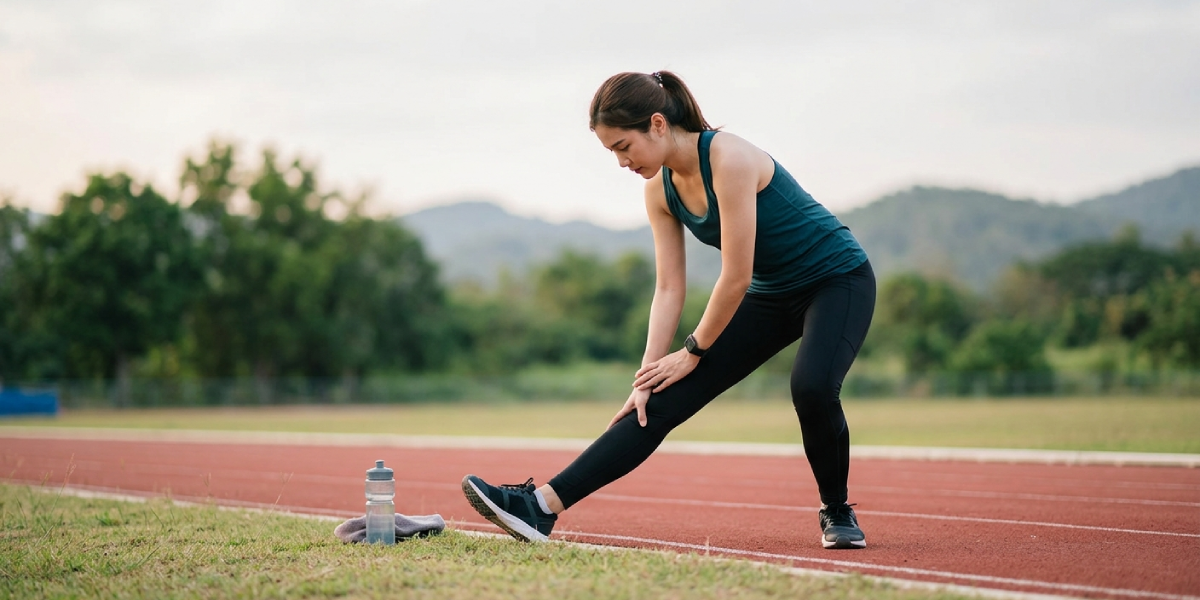
Knowing how to cool down after exercise is one of the most overlooked components of any fitness routine, yet it plays a critical role in how quickly and fully your body recovers. Whether you have just finished a high-intensity interval session, a long run, or a strength training workout, what you do in the minutes immediately following your effort can significantly influence your next performance, your injury risk, and your overall well-being.
This guide walks you through everything you need to know about post-exercise cooldowns, from the physiological reasons they matter to step-by-step techniques you can apply starting today.
Why Cooling Down After Exercise Actually Matters
During vigorous physical activity, your heart rate climbs, blood vessels in your muscles dilate to deliver oxygen-rich blood, and your core body temperature rises. Abruptly stopping that activity does not give your cardiovascular and muscular systems enough time to transition back to a resting state safely.
When you stop exercising suddenly, blood can pool in the lower extremities because your leg muscles, which act as a secondary pump, are no longer contracting to push blood back up to the heart. This can cause dizziness, lightheadedness, or even fainting. A structured cooldown keeps circulation moving in a controlled and gradual way.
Beyond cardiovascular safety, the cooldown period also plays a role in reducing delayed onset muscle soreness, which typically peaks 24 to 48 hours after intense physical activity. By gently flushing metabolic byproducts from the muscles and beginning the repair process, a proper cooldown helps you feel less stiff and more mobile the following day.
The Key Components of an Effective Post-Workout Cooldown
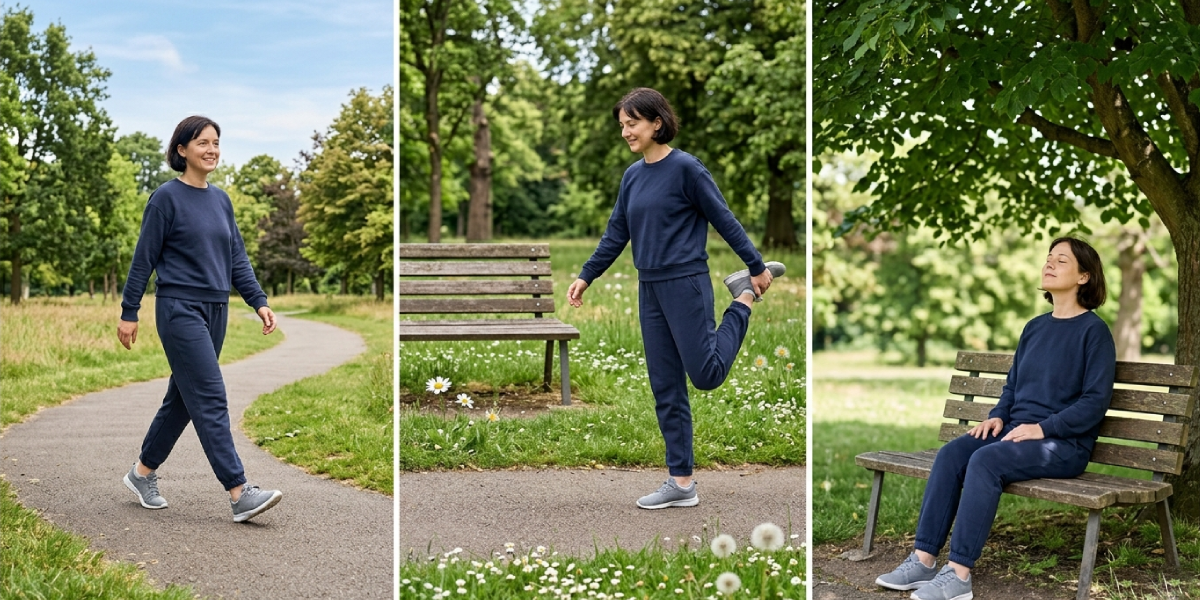
A well-structured cooldown is not just a few half-hearted stretches on the gym floor. It involves several distinct phases, each serving a specific recovery purpose. Understanding these phases helps you build a routine that works for your specific workouts and goals.
Phase 1: Low-Intensity Movement
The first five to ten minutes of your cooldown should consist of light, continuous movement that gradually reduces your heart rate. If you were running, this means slowing to a brisk walk. After cycling, it means pedaling at a relaxed pace with little or no resistance. After strength training, a slow walk or light marching in place works well.
The goal here is to keep your cardiovascular system active enough to continue circulating blood efficiently without demanding more oxygen from your muscles. Aim to bring your heart rate down to below 100 beats per minute before moving on to stretching.
Phase 2: Static Stretching
Once your heart rate has lowered and your muscles are still warm, static stretching becomes highly effective. This is the practice of holding a stretch for 20 to 45 seconds per position without bouncing or forcing the range of motion.
The warmth in your muscles after exercise makes them more pliable, which means you will achieve a deeper stretch with less risk of strain compared to stretching cold muscles before a workout.
Focus on the muscle groups you worked hardest. After a lower-body session, prioritize the quadriceps, hamstrings, hip flexors, glutes, and calves. After an upper-body workout, target the chest, shoulders, triceps, and lats. For full-body or cardio sessions, a full-body stretch routine works best.
Phase 3: Breathing and Relaxation
Controlled breathing is an underrated cooldown tool. Deep diaphragmatic breathing activates the parasympathetic nervous system, shifting your body from the sympathetic fight-or-flight state that dominates during hard exercise into a rest-and-digest state that promotes recovery.
Try inhaling for four counts, holding for two, and exhaling for six counts. Repeat this cycle for two to three minutes while lying on your back or sitting comfortably. This practice also reduces cortisol, the stress hormone that spikes during intense training, which left chronically elevated can hinder muscle repair and fat loss.
How Long Should a Cooldown Last?
The appropriate cooldown duration depends on how intense your workout was. As a general framework, consider the following:
| Workout Intensity | Recommended Cooldown Duration | Key Focus |
|---|---|---|
| Light activity (yoga, walking) | 5 minutes | Breathing and light stretching |
| Moderate cardio or strength | 10 minutes | Low-intensity movement and stretching |
| High-intensity interval training | 10 to 15 minutes | Gradual heart rate reduction plus full stretch |
| Endurance events (races, long runs) | 15 to 20 minutes | Easy walking, full-body stretch, breathing work |
If you are serious about optimizing your recovery and tracking your results over time, pairing your cooldown habits with a good understanding of your body composition and health metrics can help you measure real progress and adjust your approach as needed.
Stretches to Include in Your Post-Exercise Cooldown
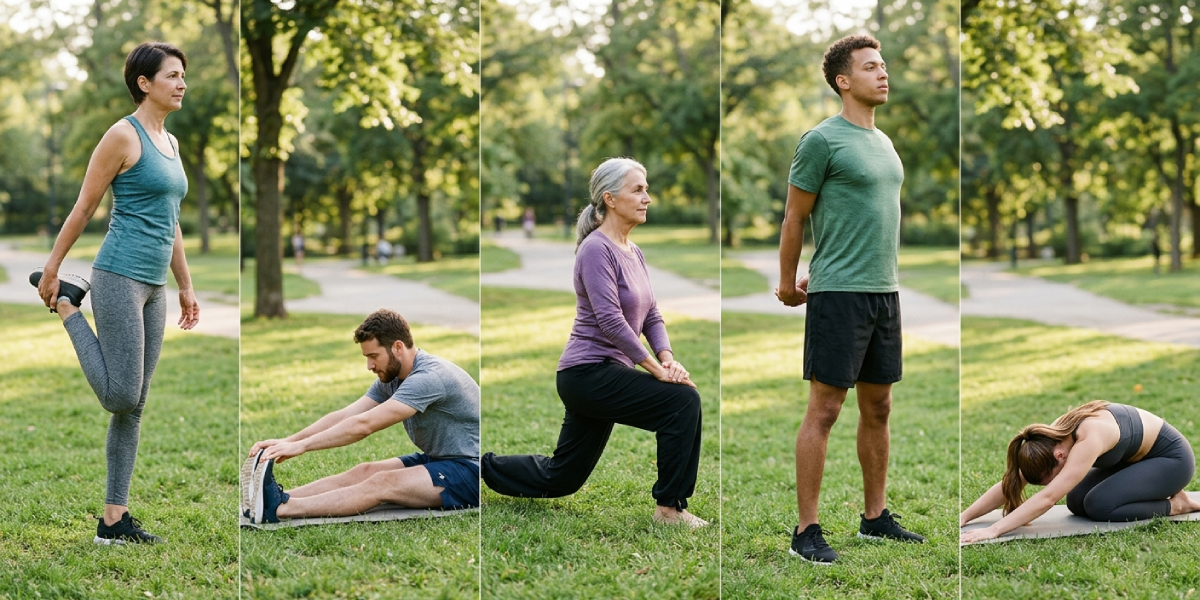
The following stretches cover the major muscle groups most commonly worked during fitness routines. Hold each one for 20 to 45 seconds and breathe steadily throughout.
Standing Quadriceps Stretch
Stand on one foot and bring your opposite heel toward your glutes, holding your ankle with your hand. Keep your knees close together and your torso upright. Switch sides. This targets the front of the thigh, which is heavily recruited during running, cycling, and squatting.
Seated Hamstring Stretch
Sit on the floor with both legs extended. Hinge forward from the hips and reach toward your feet, keeping your back long rather than rounding. This counteracts the tightness that develops in the back of the thighs during lower-body and cardio work.
Hip Flexor Lunge Stretch
Step one foot forward into a lunge position and lower your back knee to the floor. Shift your hips forward gently until you feel a stretch in the front of your rear hip. The hip flexors are chronically tight in people who sit for long periods or run frequently, making this stretch especially valuable.
Chest Opener
Clasp your hands behind your back, straighten your arms, and gently lift your chest toward the ceiling. This undoes the forward-shoulder posture that develops during pressing movements and desk work alike.
Child’s Pose
From a kneeling position, sit back onto your heels and extend both arms forward along the floor. This gentle spinal decompression stretch also opens the lats and hip flexors simultaneously, making it one of the most efficient cooldown positions available.
The Role of Hydration and Nutrition in Post-Workout Recovery
Your cooldown does not end the moment you finish stretching. What you put into your body in the 30 to 60 minutes after exercise directly influences how well your muscles repair and how prepared you are for your next session.
Start by rehydrating. During a typical workout, you can lose between half a liter and two liters of fluid depending on the intensity, duration, and ambient temperature. Sipping water consistently after exercise, rather than drinking a large amount at once, helps your body absorb fluid more effectively.
If your workout lasted longer than 60 minutes or involved heavy sweating, consider a drink containing electrolytes, particularly sodium and potassium, to restore what was lost.
On the nutrition side, consuming a meal or snack containing both protein and carbohydrates within an hour of finishing exercise helps kick-start muscle protein synthesis and replenish glycogen stores. A ratio of roughly one part protein to three parts carbohydrates is a practical starting point for most people. Good examples include a banana with Greek yogurt, eggs on whole-grain toast, or a protein shake with fruit.
Additional Recovery Techniques That Complement Your Cooldown
For those who train regularly or at high intensity, building a broader recovery toolkit beyond the standard cooldown can make a meaningful difference in performance and injury prevention. These strategies pair well with structured exercise programming and can be integrated into your weekly routine without much added time.
Foam Rolling and Self-Myofascial Release
Using a foam roller on worked muscle groups after stretching can help release tight spots in the fascia, the connective tissue surrounding your muscles. Spend 30 to 60 seconds on each major area, rolling slowly and pausing on any tender spots. The calves, IT band, thoracic spine, and glutes respond particularly well to this technique.
Cold Water Immersion
Cold exposure after training, whether through a cold shower, ice bath, or contrast therapy alternating between hot and cold, has been used for decades by athletes to manage post-exercise inflammation and soreness. While the evidence around its effect on muscle hypertrophy is nuanced, it is well-supported for reducing perceived soreness and accelerating recovery of function, making it especially useful for those who train on consecutive days.
Sleep and Active Recovery Days
No cooldown technique substitutes for adequate sleep, which is when the majority of muscle repair and hormonal restoration occurs. Prioritizing seven to nine hours of quality sleep is among the highest-return recovery investments you can make.
Active recovery days, where you engage in low-intensity movement such as walking, swimming, or yoga rather than complete rest, also help maintain circulation and mobility without adding to your training load.
Common Cooldown Mistakes to Avoid
Even people who know they should cool down often do it in ways that limit its effectiveness. Being aware of these pitfalls can help you get the most from the time you invest.
- Stopping abruptly: Going from full effort to sitting or lying down immediately can cause blood pooling and dizziness. Always transition gradually.
- Skipping stretching because you feel fine: Soreness and tightness often do not appear until hours later. Stretching preventively is more effective than trying to address stiffness after it has set in.
- Bouncing during stretches: Ballistic or bouncing stretches during cooldown can cause microtears in cold or fatigued muscle tissue. Keep all post-workout stretching slow and controlled.
- Rushing through the process: A cooldown done in 90 seconds provides minimal benefit. Give your body the full five to fifteen minutes it needs to transition properly.
- Neglecting the upper body after lower-body workouts: Even when your legs did the majority of the work, your cardiovascular system, core, and supporting muscles throughout the body need attention too.
Supporting your recovery through consistent health-focused habits makes a compounding difference over months and years of training. A cooldown is not just a post-workout ritual but a practical investment in long-term athletic longevity.
Building a Cooldown Habit That Actually Sticks
The biggest challenge with cooldowns is not knowledge but consistency. After a hard workout, the temptation to simply grab your bag and head home is real. Here are a few practical strategies to make your cooldown a non-negotiable part of every session.
Schedule it into your workout time rather than treating it as optional extra time. If your workout is 45 minutes, plan for a 55-minute block so the cooldown is built in from the start. Create a repeatable routine, using the same stretches in the same order after similar workouts, so it becomes automatic rather than something you have to think about.
Some people find it helpful to use a short playlist or a specific guided stretching video as a cue to begin the cooldown phase.
Track how your body feels on days when you cool down properly versus when you skip it. Most people notice enough of a difference in next-day soreness and energy that the habit becomes self-reinforcing within a few weeks.
Frequently Asked Questions
How long should you cool down after exercise?
For most moderate-intensity workouts, a cooldown of 10 minutes is sufficient. High-intensity sessions or endurance events benefit from 15 to 20 minutes. Light workouts may need only five minutes of gentle movement and stretching.
Is it okay to skip the cooldown if I am short on time?
While occasionally skipping a cooldown is unlikely to cause harm, making it a habit increases your risk of injury, delayed soreness, and cardiovascular stress. Even a five-minute abbreviated cooldown is significantly better than stopping abruptly.
Should I stretch before or after exercise?
Dynamic stretching, where you move through a range of motion, is best before exercise to prepare your muscles. Static stretching, holding a position, is most effective after exercise when muscles are warm and pliable. Doing static stretches before exercise on cold muscles can actually reduce power output.
Does cooling down prevent muscle soreness?
A cooldown can reduce the severity of delayed onset muscle soreness by helping flush metabolic waste products and beginning the recovery process. It does not eliminate soreness entirely, but consistent cooldowns tend to result in less stiffness compared to abruptly stopping activity.
What is the best thing to eat after a workout to aid recovery?
A combination of protein and carbohydrates consumed within 30 to 60 minutes of finishing your workout is ideal. Protein supports muscle repair, while carbohydrates replenish glycogen stores. Examples include Greek yogurt with fruit, a protein shake, or eggs on whole-grain toast.
Can I take a cold shower as part of my cooldown?
Yes. Cold water exposure after your cool-down stretches can help reduce inflammation and perceived muscle soreness. It is most useful for athletes training on consecutive days or those recovering from particularly intense sessions. However, if your goal is maximizing muscle growth, very cold immersion directly after strength training may slightly blunt hypertrophy signaling, so timing and context matter.
Is foam rolling the same as stretching?
No, they serve complementary but distinct purposes. Foam rolling targets the fascia and soft tissue surrounding muscles, releasing adhesions and improving tissue quality. Stretching lengthens the muscle fibers and improves range of motion. Using both in combination after a workout produces better results than either alone.
How does cooling down affect heart rate recovery?
A structured cooldown that includes low-intensity movement keeps the cardiovascular system gradually returning to resting state, preventing the blood pooling that occurs when exercise stops suddenly. Heart rate recovery, meaning how quickly your heart rate drops after exercise, is also a marker of cardiovascular fitness, and those who cool down consistently tend to show better recovery curves over time.
Can beginners benefit from a cooldown as much as experienced athletes?
Yes, often even more so. Beginners are more likely to experience significant soreness and cardiovascular stress after training, making the cooldown an especially important protective measure. Starting a fitness journey with good cooldown habits also builds the foundation for sustainable long-term training.
What happens to your body if you never cool down after workouts?
Over time, consistently skipping cooldowns can lead to chronic muscle tightness, reduced flexibility, a higher risk of overuse injuries, and potentially increased cardiovascular stress immediately post-exercise. While a single missed cooldown is not harmful, the cumulative effect of regularly omitting this recovery phase can impair performance and increase injury rates.