

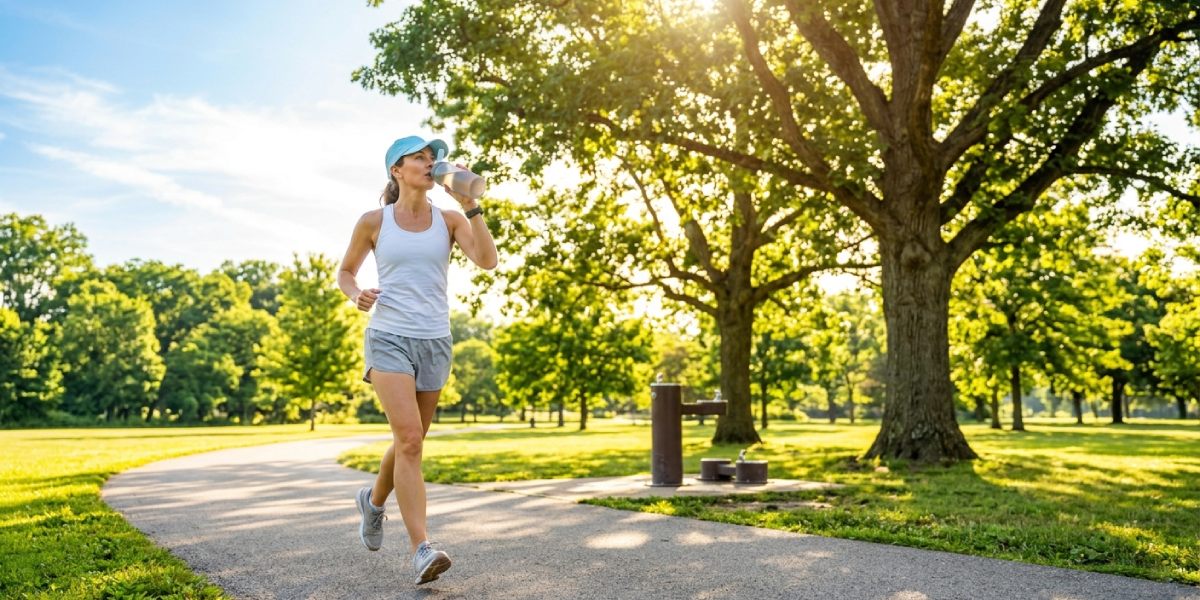
Knowing how to exercise safely in hot weather is one of the most important skills any active person can develop. Whether you run, cycle, play sports, or train outdoors, heat adds a layer of physiological stress that demands respect and preparation.
Ignoring the heat does not make you tougher — it puts you at real risk of heat exhaustion, heat stroke, and serious cardiovascular strain. The good news is that with the right strategies, you can stay active, keep progressing toward your fitness goals, and protect your health even on the hottest days of the year.
Why Heat Makes Exercise More Demanding
When you exercise, your muscles generate heat as a byproduct of energy production. Under normal conditions, your body dissipates this heat through sweating and increased blood flow to the skin. In hot and humid environments, this cooling process becomes far less efficient.
Your cardiovascular system must work harder to pump blood to both your working muscles and your skin simultaneously, which elevates heart rate at any given intensity. Humidity compounds the problem because sweat cannot evaporate effectively when the air is already saturated with moisture.
This combination drives up your core body temperature faster than usual. Research from exercise physiology consistently shows that performance declines, perceived exertion rises, and the risk of heat-related illness climbs sharply once the wet-bulb globe temperature — a measure accounting for both heat and humidity — crosses certain thresholds. Understanding this physiology is the foundation of exercising safely when temperatures rise.
Hydration: The Non-Negotiable Priority
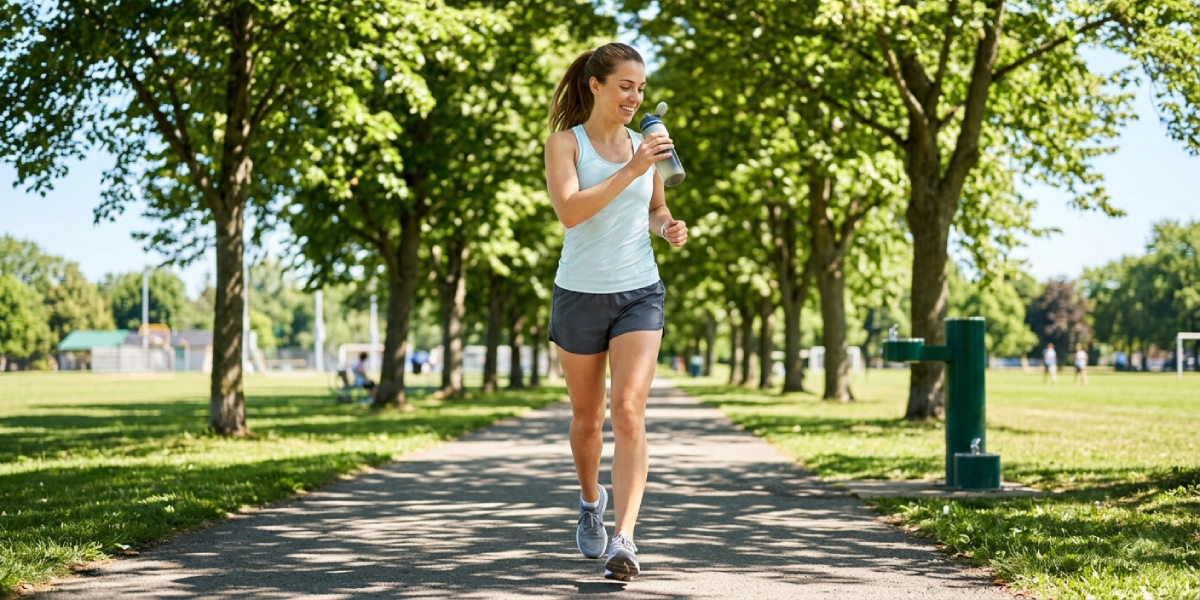
Dehydration is the single most preventable contributor to heat illness during exercise. Fluid losses of even one to two percent of body weight can measurably impair endurance performance and cognitive function. At higher levels of dehydration, the risks become dangerous.
How Much to Drink
There is no universal formula, because sweat rates vary enormously between individuals and across environments. A practical approach is to drink enough that your urine is pale yellow — not clear, which can indicate overhydration, and not dark amber, which signals dehydration.
For workouts lasting under an hour in moderate heat, water is generally sufficient. For longer sessions or very high temperatures, you should also replace electrolytes, particularly sodium, which is lost heavily through sweat. Sports drinks, electrolyte tablets, or salty snacks consumed alongside water are all practical options.
Before, During, and After Exercise
Begin your hydration effort well before you start exercising. Drinking sixteen to twenty ounces of water in the two hours before a hot-weather workout gives your kidneys time to clear excess fluid and helps you begin in a well-hydrated state.
During exercise, aim to drink regularly every fifteen to twenty minutes rather than waiting until you feel thirsty, because thirst is a lagging indicator of dehydration. After finishing, weigh yourself if possible — each pound lost during exercise represents approximately sixteen ounces of fluid that needs to be replaced.
Timing Your Workouts Around the Heat
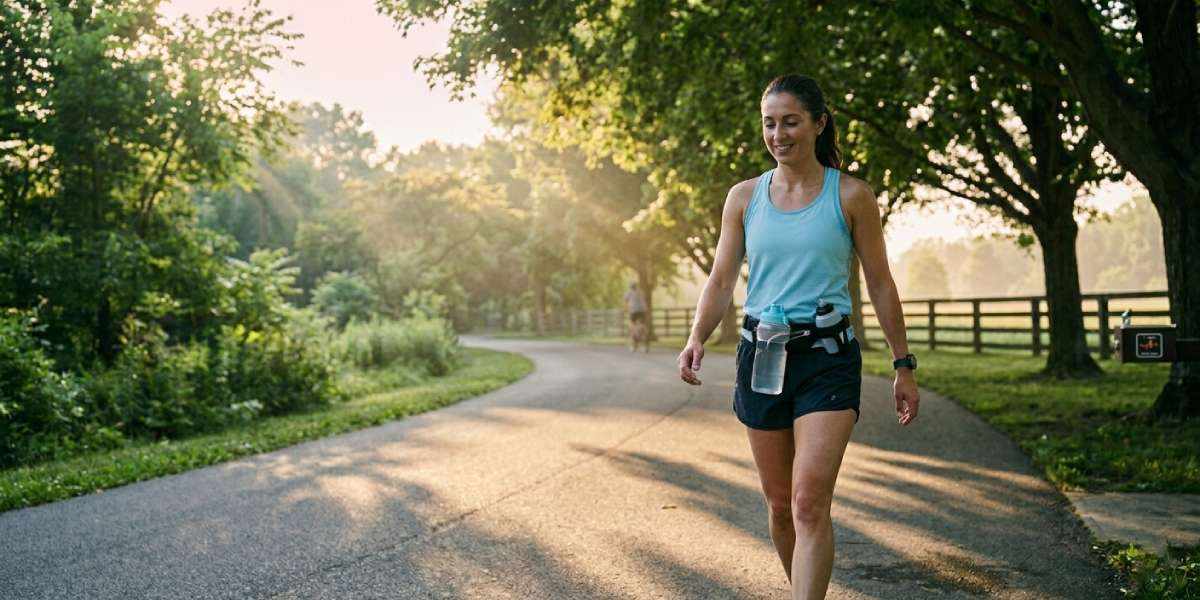
One of the simplest and most effective strategies is choosing when you train. The hottest part of the day typically falls between noon and four in the afternoon, when solar radiation peaks and air temperature is highest. Scheduling your workouts for early morning or after sunset dramatically reduces heat exposure without requiring any change to your training program.
Early morning offers an additional advantage: ground-level ozone, which can irritate airways and reduce exercise capacity, is lower before the day heats up. If your schedule requires midday training, seek shade whenever possible and reduce intensity proportionally.
A heart rate monitor is a useful tool here — maintaining your target heart rate zone, rather than your usual pace, allows you to train at a physiologically equivalent effort even as the heat forces your body to work harder.
Dress for the Conditions
Clothing choices have a meaningful impact on thermoregulation during hot-weather exercise. Lightweight, moisture-wicking fabrics in light colors are far superior to cotton, which absorbs sweat, becomes heavy, and can cause chafing. Light colors reflect solar radiation rather than absorbing it, which can reduce skin surface temperature noticeably on sunny days.
A breathable cap or visor protects your face and helps prevent direct sun exposure on your head, where a significant amount of heat is absorbed. Sunscreen is essential not only for skin protection but also because sunburn impairs your skin’s ability to regulate temperature effectively.
Apply a broad-spectrum SPF 30 or higher product to all exposed skin before heading out.
Heat Acclimatization: Building Your Tolerance
The human body is remarkably adaptable. With consistent exposure to exercise in the heat over a period of seven to fourteen days, it undergoes a series of beneficial physiological changes collectively known as heat acclimatization. These adaptations include increased plasma volume, earlier onset of sweating, greater sweat volume, lower exercise heart rate, and reduced core temperature at a given workload.
To acclimatize safely, begin with shorter, lower-intensity sessions in the heat and gradually increase both duration and intensity over one to two weeks. This is not the time to set personal records. The goal is adaptation, not peak performance.
Athletes who attempt to jump straight into full-effort hot-weather training without acclimatization face the highest risk of heat illness.
Modify Your Intensity and Expectations
Heat is a legitimate environmental stressor, and adjusting your effort accordingly is not a sign of weakness — it is evidence of good athletic judgment. A pace or intensity that feels moderate in cool conditions will feel considerably harder in high heat, and forcing yourself to maintain it regardless invites serious consequences.
Use perceived exertion alongside objective metrics. If you track pace, power, or distance, understand that slower times or reduced output in hot conditions are entirely normal and do not represent fitness regression.
Many elite athletes and coaches deliberately reduce training loads during peak summer heat and schedule higher-quality sessions for cooler weather. This kind of periodization protects both health and long-term performance.
If you are tracking your overall health and fitness progress, remember that hot-weather performance fluctuations are temporary and do not reflect your true fitness level — they reflect smart adaptation to environmental conditions.
Recognizing the Warning Signs of Heat Illness
Even with careful preparation, heat illness can occur. Knowing the warning signs and how to respond quickly can be life-saving.
Heat Cramps
Heat cramps are painful muscle contractions typically affecting the legs, arms, or abdomen. They are usually caused by a combination of dehydration and electrolyte loss. Stop exercising, move to a cool environment, and drink fluids with electrolytes. Gentle stretching and massage can relieve the cramp.
Heat Exhaustion
Heat exhaustion is a more serious condition involving heavy sweating, weakness, cold or pale skin, a fast or weak pulse, nausea, and possible fainting. If you or someone nearby shows these symptoms, stop all activity immediately, move to a cool location, apply cool wet cloths to the skin, and drink cool fluids if conscious and not nauseated. If symptoms do not improve within fifteen minutes or worsen, seek emergency medical attention.
Heat Stroke
Heat stroke is a medical emergency. Symptoms include a body temperature above 103 degrees Fahrenheit, hot and red skin, a rapid and strong pulse, confusion, slurred speech, and possible loss of consciousness. Call emergency services immediately.
While waiting for help, cool the person rapidly using any available means — immersion in cool water, ice packs to the neck, armpits, and groin, or cold wet towels over the body.
Special Considerations for Certain Populations
Some individuals face elevated risk during hot-weather exercise and require additional caution. Older adults have a reduced ability to thermoregulate and are more vulnerable to dehydration. Children dissipate heat less efficiently than adults and may not recognize or communicate distress as clearly.
Individuals who are overweight, pregnant, or managing chronic conditions such as heart disease, diabetes, or hypertension should consult a healthcare provider before engaging in vigorous exercise in the heat.
Certain medications also impair heat tolerance, including diuretics, beta-blockers, antihistamines, and some antidepressants. If you take any prescription medication, review its potential effects on heat regulation with your doctor or pharmacist before training in hot conditions.
Indoor and Alternative Exercise Options
On days when heat and humidity reach dangerous levels, the most prudent choice is to move your workout indoors or shift to a heat-appropriate alternative. Air-conditioned gyms, indoor tracks, swimming pools, and home workout spaces are all excellent options.
Swimming is particularly valuable in summer because water conducts heat away from the body efficiently, allowing for vigorous exercise with reduced thermal stress.
Exploring a wider range of exercises — including strength training, yoga, Pilates, and dance-based workouts — gives you the flexibility to maintain consistent training regardless of outdoor conditions. Building a diverse exercise repertoire is a long-term investment in both health and resilience.
Monitoring Your Body Composition and Fitness in the Heat
One common mistake during summer training is misinterpreting weight fluctuations caused by fluid loss as changes in body composition. Temporary weight drops after a hot workout reflect sweat losses, not fat loss.
Using a tool like a BMI calculator alongside consistent hydration and recovery habits gives you a clearer, more accurate picture of your overall progress across a season of hot-weather training.
Frequently Asked Questions
What is the safest temperature range for outdoor exercise?
Most exercise physiologists consider temperatures below 80 degrees Fahrenheit with low humidity to be safe for most healthy adults. Once the heat index — which combines temperature and humidity — rises above 90 to 91 degrees Fahrenheit, the risk of heat illness increases significantly, and caution or reduced intensity is strongly recommended.
How long does it take to acclimatize to exercising in the heat?
Full heat acclimatization typically takes between ten and fourteen days of consistent heat exposure during exercise. The most significant physiological changes, such as increased plasma volume and earlier sweating onset, occur within the first week. Maintaining daily or near-daily sessions in the heat is key to a complete adaptation.
Can I exercise in the heat if I am not acclimatized?
Yes, but with significant modifications. Reduce your intensity and duration by at least twenty to thirty percent, prioritize hydration, train during the coolest parts of the day, and listen carefully to your body. Gradually increase exposure over one to two weeks rather than attempting full-intensity sessions from the start.
Does drinking cold water during exercise help cool the body?
Yes. Cold water and ice slurries consumed during exercise have been shown in research to modestly reduce core temperature and improve performance in the heat. The effect is meaningful enough that many sports medicine professionals recommend cold fluids over room-temperature drinks during hot-weather workouts.
Is it normal for my heart rate to be higher than usual during hot-weather exercise?
Completely normal. In hot conditions, your cardiovascular system must simultaneously supply blood to working muscles and to skin capillaries for cooling purposes. This dual demand elevates heart rate at any given exercise intensity. Using heart rate rather than pace as your primary effort guide in the heat is an effective and physiologically sound strategy.
What should I eat before exercising in hot weather?
Opt for easily digestible foods that are not overly heavy or high in fat, which slows gastric emptying. A light meal or snack containing carbohydrates and moderate protein two to three hours before exercise is a reasonable approach. Foods with high water content, such as fruit, can also contribute to pre-exercise hydration. Avoid large meals within ninety minutes of training in the heat.
Are there any signs that I should stop exercising immediately in the heat?
Yes. Stop immediately if you experience dizziness, confusion, sudden weakness, cessation of sweating despite feeling very hot, severe headache, nausea or vomiting, chest pain, or difficulty breathing. These symptoms suggest heat exhaustion or heat stroke and require prompt cooling and medical attention.
How does humidity affect hot-weather exercise risk?
Humidity significantly amplifies the danger of exercising in the heat. When relative humidity is high, sweat cannot evaporate efficiently from the skin, which is the body’s primary cooling mechanism. A temperature of 90 degrees Fahrenheit at eighty percent humidity is far more dangerous than the same temperature at thirty percent humidity. Always check the heat index, not just the temperature, when assessing outdoor exercise conditions.
Is it safe to exercise in the heat if I have a health condition?
It depends on the condition and its severity. Many people with well-managed chronic conditions can exercise in moderate heat with appropriate precautions. However, conditions such as heart disease, uncontrolled hypertension, diabetes, kidney disease, and multiple sclerosis can all be significantly worsened by heat stress. Always consult your healthcare provider before training in the heat if you have an existing medical condition.
What role does sodium play in hot-weather exercise?
Sodium is the primary electrolyte lost through sweat, and replacing it is critical during prolonged exercise in the heat. Low sodium levels, a condition known as hyponatremia, can occur when athletes drink large amounts of plain water without replacing sodium losses. Adding electrolyte drinks, tablets, or salty snacks to your nutrition strategy during sessions lasting over sixty to ninety minutes in the heat helps maintain fluid balance and prevents cramping.