

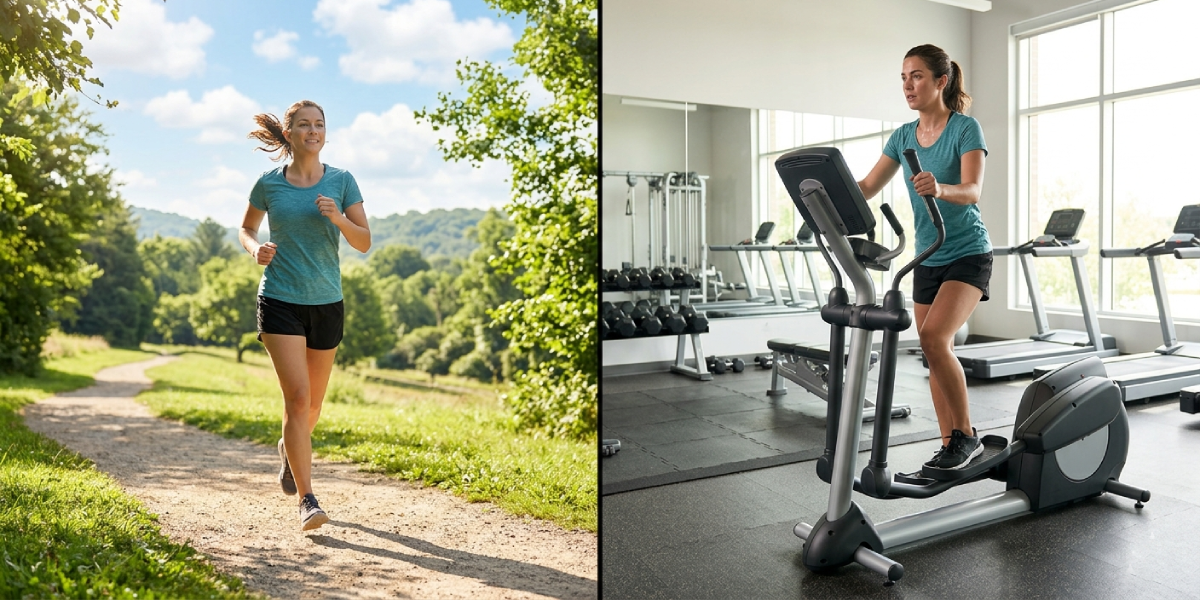
When it comes to exercising outdoors vs working out indoors, there is no one-size-fits-all answer — but understanding the science-backed differences can completely transform how you approach your fitness routine.Whether you prefer the fresh air of a morning run through the park or the controlled comfort of a gym floor, your environment plays a bigger role in your results, motivation, and long-term health than most people realize.
This guide breaks down both options with real-world perspective, current research, and practical insight so you can make the most informed decision for your body, your goals, and your lifestyle.
Why Your Exercise Environment Matters More Than You Think
Most fitness conversations center on what you do — squats, cardio, HIIT — but not nearly enough attention is paid to where you do it. Your environment shapes your mood before you even break a sweat. It affects how long you exercise, how hard you push yourself, and whether you actually enjoy the experience enough to come back tomorrow.
Research published in environmental psychology and sports science journals consistently shows that the setting of physical activity influences perceived exertion, emotional state, and adherence to exercise habits. In short, location is not just a backdrop. It is a variable in your fitness equation.
The Real Benefits of Exercising Outdoors

Mental Health and Mood Enhancement
One of the most well-documented advantages of outdoor exercise is its powerful effect on mental well-being. Studies conducted at universities in the UK and the US have found that exercising in natural environments — parks, trails, coastal paths — reduces levels of cortisol, the body’s primary stress hormone, more significantly than the same activity performed indoors.
The concept of “green exercise” refers specifically to physical activity in the presence of nature. Even a 20-minute walk in a green space has been shown to improve mood, reduce anxiety, and enhance feelings of self-esteem. For individuals managing mild to moderate depression, outdoor movement can serve as a meaningful complement to other forms of treatment.
Vitamin D Exposure and Immune Support
Sunlight exposure during outdoor exercise triggers the body’s natural production of vitamin D, a nutrient essential for bone health, immune function, and hormonal balance. Deficiency in vitamin D is surprisingly common, even in sunny climates, largely because people spend the majority of their time indoors.
A regular outdoor workout routine — even three to four sessions per week — can meaningfully address this gap without requiring supplementation.
It is worth noting that exercising in direct midday sun without sunscreen carries its own risks. The optimal window for outdoor workouts that balance vitamin D synthesis with skin protection is typically early morning or late afternoon.
Terrain Variability and Functional Strength
Uneven ground, inclines, wind resistance, and natural terrain engage stabilizer muscles that flat treadmill surfaces simply cannot replicate. Running on a trail activates the ankles, hips, and core in ways that translate directly to real-world functional movement. Cycling on actual roads develops balance and coordination alongside cardiovascular endurance.
For people interested in tracking how these workouts contribute to overall body composition and healthy weight ranges, outdoor training provides a dynamic and varied physical stimulus that can support those goals effectively.
Cost Efficiency
Parks, sidewalks, beaches, and trails are free. For individuals on a budget, or those who have not yet committed to a long-term exercise routine, the outdoors provides full access to a complete cardiovascular and bodyweight training environment at zero cost. Bodyweight workouts, running, cycling, and outdoor yoga or stretching require minimal to no equipment.
Longer Workout Duration
People who exercise outdoors tend to stay active for longer periods than those in indoor environments. The changing scenery, fresh air, and social elements of outdoor spaces contribute to reduced perceived exertion — meaning the same level of physical effort feels easier. This psychological effect can push you to go that extra mile, quite literally.
The Advantages of Working Out Indoors
Climate Control and Year-Round Consistency
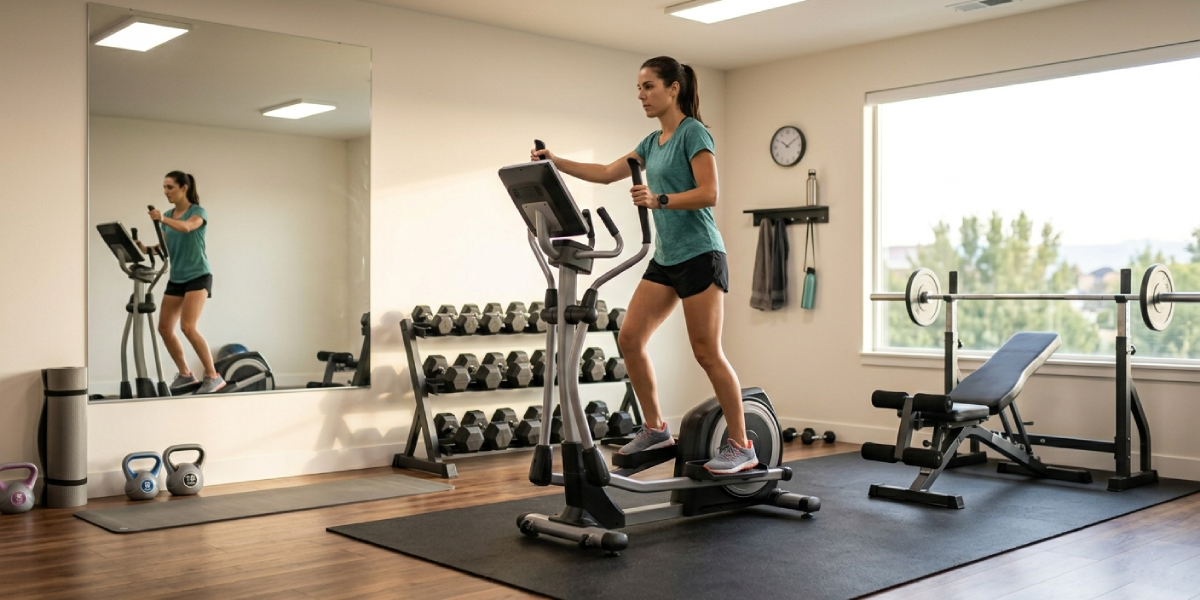
One of the most practical arguments for indoor exercise is the ability to train regardless of weather conditions. Rain, extreme heat, snow, and air quality issues are non-factors when you are working out in a gym or home fitness space.
For people who live in regions with harsh winters or intense summers, this consistency is not a luxury — it is a necessity for maintaining a reliable training schedule.
Building a consistent exercise routine is one of the most important factors in long-term fitness success, and indoor environments remove the seasonal barriers that can disrupt outdoor training habits.
Access to Specialized Equipment
Gyms provide access to equipment that would be impractical or impossible to use outdoors: cable machines, squat racks, resistance machines, rowing ergometers, and more. For those with specific strength training goals, body recomposition targets, or rehabilitation needs, access to varied resistance equipment is genuinely irreplaceable.
Home gym setups — even modest ones with a set of dumbbells, resistance bands, and a pull-up bar — offer similar flexibility on a smaller scale. The ability to customize the training environment to your specific program is a distinct advantage of indoor workouts.
Safety and Privacy
Indoor exercise offers a controlled and safe environment, particularly valuable for beginners who may feel self-conscious exercising in public, or for individuals who train late at night when outdoor safety may be a concern. Gyms also typically have staff and medical equipment on hand in the event of an emergency, adding an additional layer of security.
Personal home workouts offer the highest degree of privacy, allowing individuals to exercise at their own pace without social comparison or judgment — a factor that significantly influences gym adherence among new exercisers.
Structured Classes and Professional Guidance
Group fitness classes, personal trainers, and structured programs available in indoor gym settings provide accountability and expert coaching that outdoor settings rarely replicate. For those who struggle with self-motivation or who are new to exercise, this structure can be transformative.
A qualified fitness professional can correct form, prevent injury, and periodize training in ways that a solo outdoor session typically cannot provide.
Head-to-Head: Outdoor vs Indoor Exercise Across Key Categories
| Category | Outdoor Exercise | Indoor Exercise |
|---|---|---|
| Mental Health Benefit | Higher — nature reduces cortisol | Moderate — depends on environment |
| Vitamin D | Yes — with sun exposure | No — artificial lighting only |
| Weather Dependency | High | None |
| Equipment Access | Limited | Extensive |
| Cost | Low to free | Moderate to high |
| Functional Fitness | High — terrain variability | Moderate — depends on program |
| Consistency | Seasonal variation | Year-round |
| Social Interaction | Organic and informal | Structured classes available |
Who Benefits Most From Outdoor Exercise?
Outdoor exercise is particularly well-suited to individuals who experience high levels of work-related stress or anxiety, as the combination of physical activity and natural surroundings produces a compounded psychological benefit.
It is also ideal for those focused on running, cycling, hiking, or sports-based fitness, where terrain and environment are integral to the activity itself.
People managing mild mental health concerns, those who find gyms intimidating, and anyone seeking to reduce fitness costs will find outdoor training especially rewarding. Families, too, benefit from outdoor exercise as it models active behavior for children and integrates social connection into physical health.
Who Benefits Most From Indoor Exercise?
Indoor workouts shine for individuals pursuing hypertrophy (muscle growth) or strength sport performance, where access to progressive overload equipment is essential. They are also the better choice during extreme weather events, for those with certain skin or cardiovascular conditions that make heat or cold exposure risky, and for anyone who relies on the accountability of a coach or group class.
People interested in monitoring their health metrics closely — tracking how their training affects weight, BMI, and body composition — will find that the structured environment of a gym integrates well with health tracking tools. Pairing your training with an accurate BMI calculator can help you set realistic, evidence-based targets.
The Hybrid Approach: Getting the Best of Both Worlds
For most people, the smartest strategy is not to choose one over the other — it is to combine them. A well-rounded fitness plan might include outdoor runs or walks on weekdays for mental health and cardiovascular benefit, with two or three indoor strength training sessions per week to build muscle, improve bone density, and maintain metabolic health.
This hybrid model maximizes the psychological lift of outdoor movement while ensuring you have access to progressive resistance training and weather-proof consistency. It also prevents the boredom that can derail any long-term fitness habit by keeping the experience varied and stimulating.
Seasonal adjustments are natural and healthy. Shifting to more outdoor activity in spring and summer, then prioritizing indoor training during colder or wetter months, allows you to honor both your environment and your body’s changing needs throughout the year.
Practical Tips for Getting Started
- Start where you are: If you currently do no exercise, the best option is whichever one you will actually do consistently. Perfection is the enemy of progress.
- Layer sunscreen on outdoor workouts: Protect your skin while still capturing the mood and vitamin D benefits of natural light.
- Invest in weather-appropriate gear: Good running shoes and a moisture-wicking layer make outdoor exercise comfortable across most conditions.
- Use free outdoor spaces creatively: Park benches, stairs, and open grass areas can all serve as training tools for bodyweight workouts.
- Track your progress: Whether you’re exercising outdoors or indoors, monitoring your results against health benchmarks keeps motivation high.
- Consult a professional: If you have existing health conditions or injuries, speak with a physician or certified trainer before beginning a new exercise program.
The Bottom Line on Exercising Outdoors vs Working Out Indoors
Both outdoor and indoor exercise deliver proven health benefits — cardiovascular improvement, strength gains, metabolic support, and longevity. The evidence is clear that the best workout is the one you will do regularly and with genuine effort.
Your environment should serve your goals, your schedule, and your mental health — not the other way around.
If the outdoors calls to you, answer it. If a structured gym environment keeps you accountable and consistent, invest in it. And if you can do both, you will be giving your body and mind the richest, most complete foundation for lifelong wellness.
For more evidence-based fitness content and tools to support your health journey, explore the resources available at Diet Health Exercises.
Frequently Asked Questions
Is exercising outdoors better than working out indoors for mental health?
Yes, in most cases outdoor exercise has a stronger positive effect on mental health. Exercising in natural environments reduces cortisol levels, lowers anxiety, and improves mood more significantly than equivalent indoor exercise. This is largely attributed to the calming effects of natural light, greenery, and open spaces.
Can I build muscle effectively by exercising outdoors?
You can build foundational strength outdoors using bodyweight exercises such as push-ups, pull-ups, lunges, and dips on park equipment. However, for advanced hypertrophy or significant muscle mass gains, indoor access to progressive resistance equipment provides a clear advantage. A hybrid approach works well for most people.
Which burns more calories, outdoor or indoor exercise?
Calorie burn depends more on exercise intensity and duration than location. That said, outdoor activities involving uneven terrain, wind resistance, and natural inclines can slightly increase energy expenditure compared to the same activity on flat indoor surfaces. Running outdoors, for example, tends to burn marginally more calories than treadmill running at the same pace.
How does weather affect the safety of outdoor exercise?
Extreme heat, cold, humidity, and poor air quality can pose real health risks during outdoor workouts. High heat and humidity increase the risk of dehydration and heat stroke, while cold weather demands proper layering to prevent hypothermia and muscle injury. Always check conditions before heading out and adjust intensity accordingly.
Is outdoor exercise suitable for beginners?
Absolutely. Outdoor exercise is one of the most accessible entry points into physical activity because it requires no equipment, no membership, and no prior experience. Walking, light jogging, and outdoor bodyweight circuits are all beginner-friendly options that build habit, confidence, and fitness simultaneously.
How often should I exercise outdoors to see health benefits?
Even two to three outdoor sessions per week can produce measurable improvements in mood, stress levels, and cardiovascular fitness. Current guidelines from major health organizations recommend at least 150 minutes of moderate-intensity aerobic activity per week, which can be achieved entirely or partially through outdoor movement.
What are the main disadvantages of outdoor exercise?
The primary drawbacks of outdoor exercise include weather dependency, limited access to specialized equipment, potential safety concerns in certain environments, and exposure to allergens or air pollution. These factors make outdoor training less reliable as a standalone routine for some individuals, particularly during seasonal extremes.
Can I combine outdoor and indoor exercise in a single fitness plan?
Yes, and for most people this hybrid approach is ideal. Combining the mental health benefits of outdoor movement with the equipment access and consistency of indoor training creates a well-rounded fitness program that addresses cardiovascular health, strength, flexibility, and psychological well-being in a balanced way.
Does outdoor exercise improve sleep quality?
Research suggests that outdoor exercise, particularly in the morning, can positively influence the body’s circadian rhythm by exposing it to natural light, which regulates melatonin production. This can lead to improved sleep onset and sleep quality compared to late-day indoor exercise under artificial lighting.
What types of outdoor exercises are most effective for overall fitness?
Running and trail jogging, cycling, swimming, hiking, outdoor HIIT circuits, and sport-based activities like tennis or soccer are among the most effective outdoor exercises for overall fitness. They develop cardiovascular endurance, functional strength, coordination, and mental resilience simultaneously.