


Understanding how exercise boosts testosterone levels is one of the most practical steps you can take toward better hormonal health, more energy, and a stronger body. Testosterone is not just a male hormone — it plays a critical role in muscle development, bone density, mood regulation, libido, and metabolic function in both men and women.
The good news is that the right type of physical activity can meaningfully raise your body’s natural testosterone output without any medication or supplementation.
This article breaks down the science behind exercise and testosterone, identifies which workouts are most effective, and gives you actionable strategies to incorporate into your routine starting today.
The Relationship Between Physical Activity and Testosterone
Testosterone is a steroid hormone produced primarily in the testes in men and in smaller quantities in the ovaries and adrenal glands in women. It is regulated by the hypothalamic-pituitary-gonadal axis, a hormonal feedback loop that responds directly to physical stress — including exercise.
When you engage in intense physical activity, your body interprets the mechanical and metabolic demands as a signal to produce more anabolic hormones, including testosterone. This response is tied to muscle fiber recruitment, nervous system activation, and the release of growth hormone.
The magnitude of the testosterone response depends heavily on the type, intensity, and duration of the exercise you perform.
Research consistently shows that acute testosterone elevations occur immediately after exercise, while longer-term hormonal adaptations develop over weeks and months of consistent training. Both effects are meaningful and complement each other over time.
Which Types of Exercise Boost Testosterone the Most
Not all exercise is created equal when it comes to hormonal output. Some forms of training are significantly more effective at stimulating testosterone production than others. Here is a breakdown of the most effective categories.
Resistance Training and Weightlifting
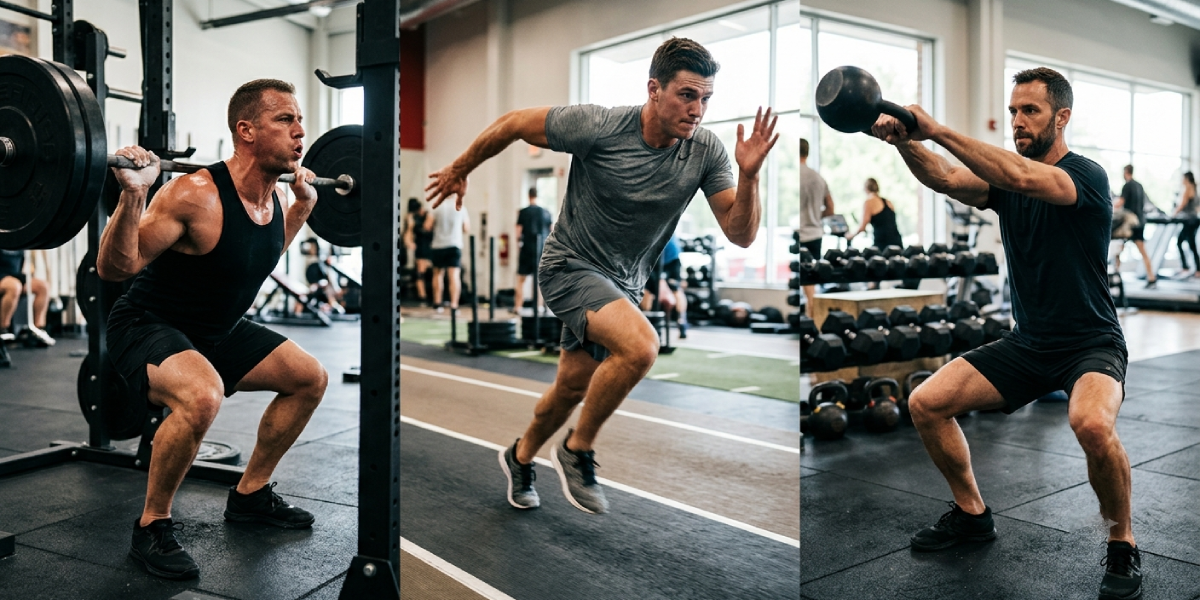
Heavy resistance training is the gold standard for naturally raising testosterone. Compound movements — exercises that involve multiple joints and large muscle groups simultaneously — produce the strongest hormonal response. Squats, deadlifts, bench presses, rows, and overhead presses are among the most effective.
The key variables that maximize testosterone response from weightlifting include using moderately heavy loads (roughly 70 to 85 percent of your one-rep maximum), performing multiple sets of 6 to 10 repetitions, keeping rest periods relatively short (60 to 90 seconds), and training large muscle groups like the legs, back, and chest.
Working through a well-designed exercise program that includes these compound lifts several times per week is one of the most reliable ways to sustain elevated testosterone over time.
High-Intensity Interval Training (HIIT)
High-intensity interval training involves alternating short bursts of maximal or near-maximal effort with brief recovery periods. Sprint intervals, cycling sprints, rowing intervals, and circuit-style bodyweight workouts all fall into this category.
HIIT has been shown to produce significant acute testosterone increases, particularly when the effort is genuinely intense. A 20 to 30 minute HIIT session performed two to three times per week can be just as effective as longer moderate-intensity sessions for hormonal benefits — with the added advantage of being time-efficient.
Sprinting and Explosive Movements
Short, all-out sprints and power-based movements like jump squats, kettlebell swings, and medicine ball throws recruit fast-twitch muscle fibers at a high rate. This type of recruitment is strongly associated with testosterone and growth hormone release.
Adding one or two sprint sessions per week can complement your strength training and add further hormonal stimulus.
Exercise Duration and Testosterone: Finding the Sweet Spot
There is an important nuance that many people overlook: more is not always better when it comes to training duration. Workouts that extend beyond 60 to 75 minutes — especially at high intensities — can cause cortisol levels to rise sharply. Cortisol is the primary stress hormone, and when chronically elevated, it suppresses testosterone production.
Keeping your strength or HIIT sessions under an hour is generally the most effective approach for maintaining a favorable testosterone-to-cortisol ratio. Focus on quality over quantity: heavier loads, better technique, and well-structured rest periods will yield better hormonal outcomes than grinding through two-hour marathon sessions.
Exercise Frequency and Long-Term Hormonal Adaptation
Consistency is what separates short-term spikes from sustained improvements. When you train with appropriate frequency — typically three to five sessions per week, depending on intensity and recovery — your body gradually adapts by becoming more efficient at producing and utilizing testosterone.
Over months of consistent training, several structural changes support this: increased lean muscle mass (which is metabolically active and supports higher baseline testosterone), lower body fat percentage (excess adipose tissue converts testosterone to estrogen via the aromatase enzyme), and improved insulin sensitivity (which reduces cortisol output and supports hormonal balance).
Tracking your BMI can be a useful starting point for understanding your body composition and identifying whether excess weight may be contributing to hormonal imbalances. While BMI has limitations, it offers a quick reference alongside other metrics.
The Role of Rest and Recovery
Testosterone is not produced during exercise — it is produced during recovery. Sleep is the most powerful natural testosterone booster available. Research has repeatedly demonstrated that men who sleep fewer than five hours per night experience significantly lower testosterone levels than those who sleep seven to nine hours.
Overtraining — training too frequently without adequate rest — leads to chronically elevated cortisol, suppressed immune function, and significantly reduced testosterone. Structuring your week to include at least one or two rest or active recovery days is essential for sustaining hormonal health. Active recovery options include walking, light stretching, yoga, and low-intensity cycling.
Lifestyle Factors That Amplify the Exercise-Testosterone Connection
Exercise is a powerful driver of testosterone, but it works best when supported by sound lifestyle habits. The following factors all interact directly with your hormonal environment.
Nutrition and Caloric Balance
Severe caloric restriction suppresses testosterone production. Your body interprets chronic undereating as a threat to survival and downregulates anabolic hormones accordingly. Eating sufficient calories — with particular attention to dietary fat and protein — is essential. Cholesterol is the raw material from which testosterone is synthesized, making healthy fats from sources like eggs, olive oil, avocados, and fatty fish especially important.
Vitamin D and Zinc
Both vitamin D and zinc are directly involved in testosterone synthesis and regulation. Deficiencies in either are strongly associated with low testosterone. Sunlight exposure, fatty fish, fortified dairy, red meat, pumpkin seeds, and shellfish are reliable dietary sources. If your diet or sun exposure is limited, supplementation under medical guidance is worth considering.
Stress Management
Chronic psychological stress keeps cortisol elevated and directly suppresses testosterone. Regular health-supporting practices like meditation, deep breathing, time in nature, and adequate social connection all help regulate the stress response and create a more favorable hormonal environment.
Alcohol and Toxin Exposure
Heavy alcohol consumption is well-documented as a suppressor of testosterone production. Similarly, chronic exposure to endocrine-disrupting chemicals found in certain plastics, pesticides, and personal care products can interfere with hormonal function.
Minimizing these exposures while supporting your liver’s detoxification capacity through a whole-food diet protects your hormonal baseline.
Practical Exercise Guidelines for Testosterone Optimization
Putting all of this together, here is a practical weekly framework for maximizing testosterone through exercise:
- Day 1: Heavy compound strength training — lower body focus (squats, deadlifts, lunges)
- Day 2: HIIT session — 20 to 30 minutes of sprint intervals or circuit training
- Day 3: Active recovery — walking, yoga, or light mobility work
- Day 4: Heavy compound strength training — upper body focus (bench press, rows, overhead press)
- Day 5: HIIT or explosive power work — sprints, kettlebell swings, jump training
- Day 6: Optional moderate session or active recovery
- Day 7: Full rest — prioritize sleep and stress reduction
This framework can be adjusted based on your current fitness level, recovery capacity, and schedule. The most important principle is progressive overload: gradually increasing the demands you place on your body over time, which sustains the hormonal adaptation process.
Who Benefits Most from Exercise-Driven Testosterone Optimization
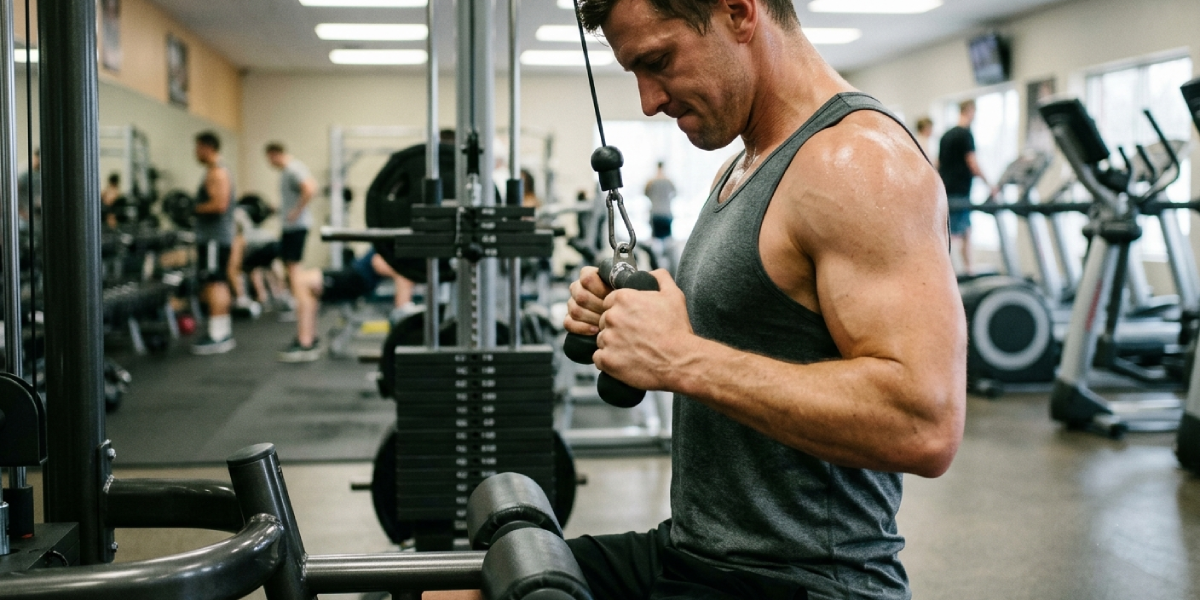
While virtually everyone can experience hormonal benefits from structured physical activity, certain groups see particularly meaningful improvements. Men over 30 experience a natural decline in testosterone of approximately one percent per year — a process that can be significantly slowed through consistent resistance training and lifestyle optimization.
Individuals with excess body fat, sedentary lifestyles, or chronic stress are also among those who see the most dramatic responses to a well-structured exercise program.
Women, too, benefit from testosterone optimization through exercise. Though women have much lower baseline levels, testosterone supports bone density, libido, cognitive function, and lean muscle mass in women as well. Resistance training is particularly valuable for women approaching and going through menopause.
When to Consult a Healthcare Professional
Exercise is a powerful and safe tool for hormonal optimization, but it is not a substitute for medical evaluation if you are experiencing symptoms of clinically low testosterone — including persistent fatigue, severe mood changes, significant loss of muscle mass, or reduced sexual function.
A physician can order a blood panel to assess your hormone levels and rule out underlying conditions that may require additional intervention.
Frequently Asked Questions
How quickly does exercise raise testosterone levels?
Acute testosterone elevations can occur within minutes of beginning an intense workout, particularly resistance training or HIIT. These immediate spikes typically return to baseline within 15 to 30 minutes after exercise ends. Sustained, long-term increases in baseline testosterone develop over weeks to months of consistent training.
What is the best exercise for raising testosterone?
Heavy compound resistance exercises — such as squats, deadlifts, and bench presses — are consistently shown to produce the greatest testosterone response. HIIT training is a close second. Both types of training should ideally be included in a well-rounded program for maximum hormonal benefit.
How many days per week should I train to boost testosterone?
Training three to five days per week is the general sweet spot for most individuals. Training more frequently than this without adequate recovery can elevate cortisol and suppress testosterone. Prioritizing recovery is just as important as the training itself.
Does cardio lower testosterone?
Moderate aerobic exercise does not significantly lower testosterone when performed in reasonable amounts. However, excessive endurance training — such as running very high weekly mileage at high intensities — has been associated with reduced testosterone in some research. Balancing cardio with strength training and adequate recovery minimizes this risk.
Can women boost testosterone through exercise?
Yes. While women naturally have much lower testosterone levels than men, resistance training and HIIT can meaningfully increase testosterone in women. This supports lean muscle development, bone health, energy, and libido — all of which are influenced by testosterone in women as well as men.
Does sleep really affect testosterone that much?
Sleep is one of the most powerful influences on testosterone levels. Studies have shown that restricting sleep to five hours or less per night can reduce testosterone levels by 10 to 15 percent in otherwise healthy young men. Prioritizing seven to nine hours of quality sleep per night is essential for anyone trying to optimize their hormonal health.
How does body fat affect testosterone levels?
Excess body fat — particularly visceral fat stored around the abdomen — increases the activity of the aromatase enzyme, which converts testosterone into estrogen. Higher body fat therefore contributes to lower testosterone and higher estrogen levels. Exercise that reduces body fat directly supports healthier testosterone levels over time.
Are testosterone-boosting supplements necessary if I exercise regularly?
For most healthy individuals, consistent structured exercise combined with adequate sleep, good nutrition, and stress management is sufficient to optimize natural testosterone production. Supplements like zinc and vitamin D may offer benefit if you are deficient, but should be evaluated with a healthcare provider rather than taken indiscriminately.
At what age do men start to see declining testosterone, and can exercise reverse it?
Testosterone levels in men typically begin declining at roughly one percent per year starting around age 30. Exercise cannot fully reverse age-related testosterone decline, but consistent resistance training has been shown to significantly slow the rate of decline and maintain higher testosterone levels compared to sedentary individuals of the same age.
Is overtraining bad for testosterone?
Yes. Overtraining — defined as training volume or intensity that exceeds the body’s ability to recover — leads to chronically elevated cortisol, which directly suppresses testosterone. Symptoms of overtraining include persistent fatigue, declining performance, mood changes, and poor sleep. Structured rest and recovery days are not optional — they are where hormonal optimization actually happens.