

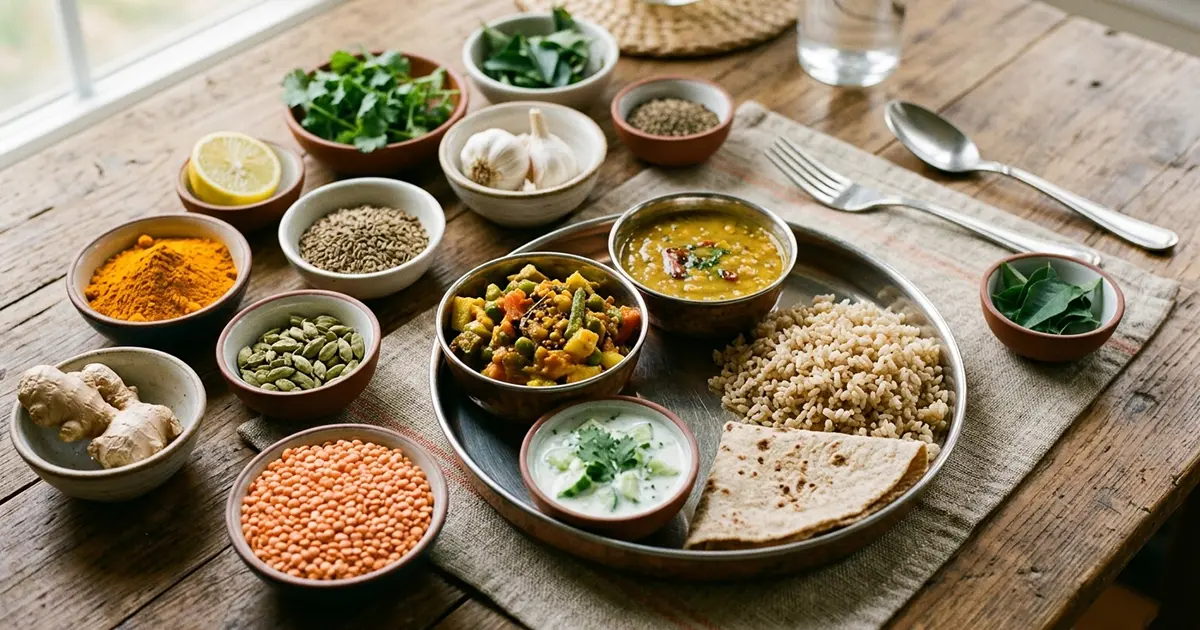
The health benefits of Indian food have fascinated nutrition researchers, integrative medicine practitioners, and food scientists for decades. Indian cuisine is one of the few culinary traditions in the world where every ingredient serves a dual purpose — flavoring the dish and protecting the body. Built on thousands of years of Ayurvedic wisdom and validated by modern nutritional science, traditional Indian cooking delivers a strikingly complete nutritional profile through its generous use of spices, legumes, whole grains, fermented dairy, and seasonal vegetables.
Whether you are new to Indian cooking or have eaten dal and sabzi your entire life, understanding what each key ingredient does for your health can genuinely change how you eat.
Why the Health Benefits of Indian Food Stand Apart from Other Cuisines
Most global cuisines are defined by their central protein or staple starch. Indian cuisine is defined by its spice complexity and its extraordinary integration of plant-based nutrition. A single bowl of dal tadka contains protein, soluble fiber, iron, folate, and a spectrum of anti-inflammatory compounds from cumin, turmeric, garlic, and ginger — all in one dish. This nutrient density per calorie is one of the primary reasons Indian food consistently ranks among the most nutritionally complete dietary patterns studied by researchers worldwide.
Ayurveda, the ancient Indian system of medicine that predates modern nutrition science by thousands of years, classifies foods and spices by their therapeutic effects on the body. Warming spices like ginger and black pepper stimulate digestion and circulation. Cooling ingredients like coriander and yogurt reduce internal heat and inflammation. This Ayurvedic logic of food-as-medicine has been largely confirmed by contemporary biochemical research, giving Indian cuisine a remarkable degree of scientific credibility alongside its cultural depth.
Understanding these benefits is especially meaningful when combined with a broader approach to personal health and wellness that includes nutrition, movement, and preventive care.
Turmeric: The Most Studied Spice in Modern Nutritional Science
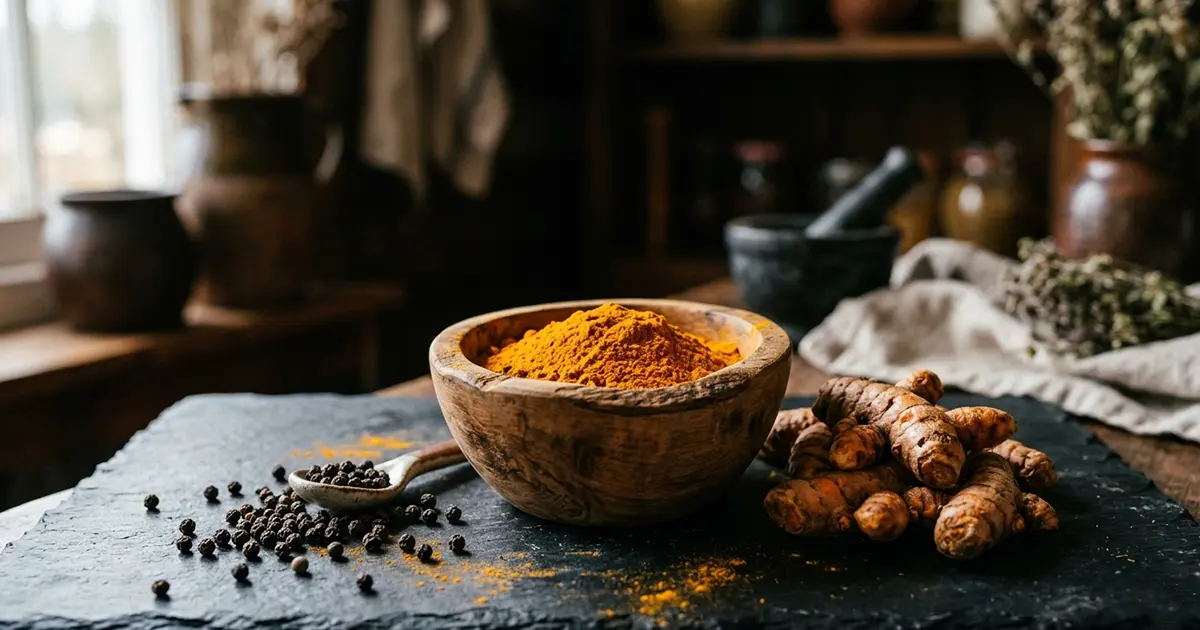
Turmeric is the defining spice of Indian cooking and, arguably, the most researched functional food ingredient on the planet. Its active compound, curcumin, is a polyphenol with potent anti-inflammatory, antioxidant, neuroprotective, and potentially anticancer properties that have been documented in thousands of peer-reviewed studies.
Chronic low-grade inflammation underlies the majority of modern non-communicable diseases — cardiovascular disease, type 2 diabetes, metabolic syndrome, Alzheimer’s disease, and many cancers. Curcumin inhibits multiple molecular targets in the inflammatory cascade, including NF-kB, a protein complex that controls the transcription of inflammatory genes. Regular dietary consumption of turmeric, as practiced in Indian households, is a natural, food-first approach to reducing this systemic inflammatory burden.
Curcumin also increases levels of Brain-Derived Neurotrophic Factor (BDNF), a protein that promotes the growth and maintenance of neurons. Higher BDNF levels are associated with improved memory, better mood, and reduced risk of neurodegenerative conditions. Importantly, combining turmeric with black pepper — standard practice in Indian cooking — increases curcumin bioavailability by up to 2,000 percent due to piperine, an alkaloid in black pepper that inhibits curcumin’s rapid metabolic breakdown.
Garlic and Ginger: The Daily Immune and Cardiovascular Allies
The base of nearly every Indian curry, dal, and masala is a foundation of ginger and garlic cooked in oil with whole spices. This is not culinary habit alone — it is a nutritional delivery mechanism that has stood the test of time.
Garlic owes most of its health effects to allicin, a sulfur compound produced when a garlic clove is crushed or finely chopped. Allicin is antimicrobial against a wide range of pathogens, antifungal, and has direct cardiovascular benefits. Multiple clinical trials have confirmed that regular garlic consumption reduces systolic blood pressure by meaningful amounts in people with hypertension, lowers LDL (bad) cholesterol, reduces total triglycerides, and enhances natural killer cell activity — an important front-line component of innate immunity.
Ginger contains gingerols in its fresh form and shogaols when dried or cooked, both of which are powerfully anti-inflammatory and analgesic. Clinical evidence supports ginger’s ability to reduce nausea — including pregnancy-related nausea and chemotherapy-induced nausea — more effectively than placebo and with comparable efficacy to some pharmaceutical antiemetics. Ginger also accelerates gastric emptying, reducing bloating, indigestion, and the discomfort of functional dyspepsia. Its anti-inflammatory compounds have demonstrated benefit for people with osteoarthritis, reducing pain and improving mobility with regular use.
Lentils and Legumes: The Heart of Indian Nutritional Strength
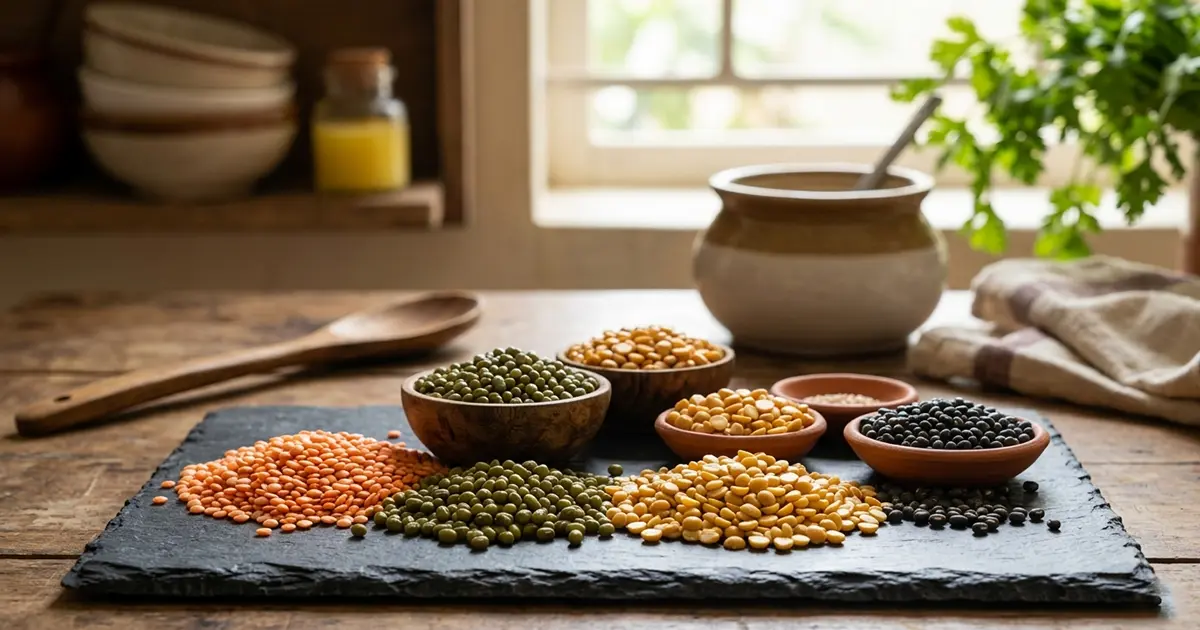
Dal is eaten daily in the majority of Indian households and constitutes one of the most nutritionally complete plant foods available. Masoor (red lentils), moong (green or split yellow mung beans), chana (chickpeas and split chickpea dal), toor (pigeon peas), and urad (black gram) each offer a slightly different micronutrient profile but share the same foundation: substantial plant protein, complex carbohydrates, and exceptional dietary fiber.
The protein quality in lentils is particularly noteworthy for plant-based diets. While lentils are not complete proteins on their own, when combined with rice or wheat — as they always are in traditional Indian meals — they form a complete amino acid profile equivalent to animal protein. This combination is not accidental; it reflects millennia of empirical nutritional wisdom encoded in Indian culinary culture.
The soluble fiber in lentils, primarily in the form of beta-glucans and resistant starch, reduces the glycemic impact of meals, feeds beneficial gut bacteria, lowers LDL cholesterol by binding to bile acids in the digestive tract, and significantly improves satiety. For anyone tracking body composition or working toward a healthier weight, using a BMI calculator alongside regular dal consumption provides a practical and measurable way to monitor progress on a plant-protein-rich diet.
Fenugreek: Powerful Blood Sugar and Hormonal Support
Fenugreek seeds and leaves (methi) are used across Indian cuisine in curries, flatbreads, spice blends, and pickles. Fenugreek contains a unique amino acid, 4-hydroxyisoleucine, which directly stimulates insulin secretion from pancreatic beta cells and improves peripheral insulin sensitivity. Multiple randomized controlled trials have confirmed that fenugreek supplementation and dietary intake significantly reduce fasting blood glucose, postprandial blood glucose, and HbA1c in people with type 2 diabetes.
Fenugreek’s high mucilaginous soluble fiber content slows gastric emptying and reduces the rate of glucose absorption into the bloodstream, making it a valuable functional food for glycemic management. Its saponin content has anti-inflammatory effects and preliminary evidence suggests benefits for reducing joint pain in people with osteoarthritis. Fenugreek has also been used in traditional Ayurvedic and Unani medicine as a galactagogue, and some clinical evidence supports its role in increasing breast milk production in nursing mothers.
Cumin, Coriander, and Cardamom: Digestive Foundations of Indian Cooking
The trio of cumin, coriander, and cardamom forms the aromatic base of countless Indian spice blends and represents three distinct families of health-promoting phytonutrients.
Cumin seeds contain thymoquinone and cuminaldehyde — compounds that stimulate the secretion of pancreatic enzymes, improve fat digestion, and reduce post-meal bloating. Cumin is also one of the richer plant sources of non-heme iron, providing meaningful support for iron status when consumed regularly. Research has also shown that cumin may improve lipid profiles and reduce oxidative stress markers in people with metabolic syndrome.
Coriander seeds and leaves are rich in quercetin, kaempferol, and other flavonoids with antioxidant and anti-inflammatory effects. Coriander has demonstrated hepatoprotective properties in animal studies and shows promising activity in supporting healthy blood glucose levels. Fresh coriander leaves (cilantro) are a meaningful source of vitamin K, vitamin C, and beta-carotene.
Cardamom, one of the most aromatic spices in Indian cooking, contains terpenes including cineole and limonene that support respiratory health, ease digestion, and combat bad breath at the source by inhibiting oral bacteria. Preliminary human studies suggest cardamom can meaningfully lower blood pressure in people with stage 1 hypertension, likely through its diuretic and antioxidant mechanisms. It also contains compounds with anxiolytic (anxiety-reducing) properties that align with its Ayurvedic use as a mood-calming spice.
Ghee: Rehabilitating a Misunderstood Traditional Fat
For decades, ghee was unfairly categorized with other saturated fats and discouraged by mainstream dietary guidelines. Current nutritional science has substantially revised this view. Ghee — butter clarified by simmering until all milk solids and water are removed — has a unique fatty acid composition that distinguishes it from other cooking fats.
Ghee is the richest dietary source of butyric acid (butyrate), a short-chain fatty acid that is the primary fuel source for colonocytes (colon lining cells). Butyrate reduces intestinal inflammation, strengthens the gut barrier, inhibits the growth of colon cancer cells in vitro, and plays a central role in maintaining the integrity of the gut-immune interface. A healthy gut lining is foundational to systemic immune function, metabolic health, and even neurological wellbeing via the gut-brain axis.
Ghee is also rich in vitamins A, D, E, and K2. Vitamin K2 is particularly underappreciated — it activates proteins that direct calcium into bones and away from arterial walls, making it protective against both osteoporosis and arterial calcification. Ghee’s high smoke point (approximately 250°C) makes it one of the most stable cooking fats at high heat, avoiding the formation of toxic oxidation products that occur when polyunsaturated vegetable oils are overheated.
Yogurt and Fermented Foods: Probiotic Richness in Every Meal
Fresh homemade dahi (yogurt) is consumed daily across India — stirred into rice, served alongside spiced dishes, blended into lassi, or eaten plain with a little salt or jaggery. Traditional Indian dahi is fermented with a live culture that delivers a meaningful dose of Lactobacillus bulgaricus and Streptococcus thermophilus, with regional variations sometimes containing additional Lactobacillus species.
The probiotic content of fresh Indian-style yogurt actively diversifies the gut microbiome, supporting immune regulation, reducing the duration and severity of gastrointestinal infections, improving lactose tolerance, and producing beneficial metabolites including B vitamins and short-chain fatty acids. Beyond yogurt, Indian cuisine includes a broad repertoire of fermented foods — idli, dosa, kanji, koozh, and various achaar (pickles) — each contributing distinct strains of beneficial bacteria and contributing to microbiome resilience in ways that cannot be replicated by single-strain probiotic capsules.
Whole Grains and Millets: Fiber-Dense Foundations for Long-Term Health
Traditional Indian diets center on whole grains that have been largely displaced by refined alternatives in modern urban settings. Whole wheat atta, brown rice, and ancient millets — including bajra (pearl millet), jowar (sorghum), ragi (finger millet), and foxtail millet — form the nutritional cornerstone of regional Indian diets and have extraordinary fiber, mineral, and micronutrient profiles.
Ragi (finger millet) is among the richest plant sources of calcium available, making it particularly valuable for bone health in vegetarian populations. Bajra is dense in magnesium, phosphorus, and zinc, and has a low glycemic index that supports stable blood sugar throughout the day. These millets are also naturally gluten-free, making them ideal for people with celiac disease or non-celiac gluten sensitivity. The global millet revival in nutritional science reflects what Indian communities in regions like Rajasthan, Maharashtra, and Karnataka have known for centuries — that these hardy, ancient grains are among the most health-protective staple foods available.
How to Maximize the Health Benefits of Indian Food Every Day
- Step 1: Cook with whole spices bloomed in hot oil before adding other ingredients — this technique releases fat-soluble bioactive compounds from cumin seeds, mustard seeds, and dried chilies that would otherwise remain locked in the spice.
- Step 2: Eat dal in some form daily, rotating between different lentils across the week to diversify your fiber types, prebiotic content, and micronutrient profile.
- Step 3: Replace maida-based breads with whole wheat roti or millet-based flatbreads to increase fiber and reduce glycemic impact without sacrificing satisfaction.
- Step 4: Include plain fresh yogurt with at least one meal daily to support gut microbiome diversity and add probiotics naturally through food rather than supplements.
- Step 5: Add black pepper to any turmeric-containing dish to dramatically increase curcumin absorption — even a small pinch increases bioavailability significantly.
- Step 6: Limit deep-frying to occasional use and switch to shallow sautéing or roasting with ghee, mustard oil, or cold-pressed coconut oil for daily cooking.
- Step 7: Pair your nutrient-dense Indian diet with consistent physical exercise and movement to multiply the metabolic and cardiovascular benefits your food already provides.
Nutritional Snapshot of Key Indian Ingredients
| Ingredient | Primary Bioactive Compounds | Key Health Benefit | Best Used As |
|---|---|---|---|
| Turmeric | Curcumin, turmerones | Anti-inflammatory, antioxidant, neuroprotective | Daily spice in curries, dals, golden milk |
| Garlic | Allicin, alliin, organosulfides | Cardiovascular protection, immune support | Base of most cooked dishes |
| Ginger | Gingerols, shogaols, paradols | Digestive health, anti-inflammatory, antiemetic | Fresh grated or dried in spice blends |
| Lentils | Soluble fiber, folate, plant protein | Heart health, blood sugar control, gut health | Daily dal in multiple varieties |
| Fenugreek | 4-Hydroxyisoleucine, mucilage, saponins | Blood sugar regulation, hormonal support | Leaves in sabzi, seeds in spice blends |
| Ghee | Butyric acid, vitamins A, D, E, K2 | Gut lining integrity, fat-soluble vitamin delivery | Cooking fat, finishing oil on dal and roti |
| Cardamom | Cineole, limonene, terpineol | Digestive aid, blood pressure support, antimicrobial | Spice blends, chai, desserts |
| Ragi | Calcium, polyphenols, resistant starch | Bone health, glycemic control, gut support | Flatbreads, porridge, flour blend |
Frequently Asked Questions
What are the top health benefits of Indian food?
Indian food provides anti-inflammatory protection, improved digestive function, blood sugar regulation, cardiovascular support, enhanced immunity, and gut microbiome diversity. These benefits arise from the combined effect of spices like turmeric and ginger, legumes, fermented foods, whole grains, and seasonal vegetables that define traditional Indian cooking.
Is Indian food good for managing weight?
Traditional Indian food is well-suited to weight management because it centers on high-fiber, high-protein, low-glycemic-index foods like dal, whole grain roti, and vegetable-based curries. These foods promote satiety, reduce calorie intake naturally, and support stable blood sugar. Tracking your body mass index using a BMI calculator alongside a balanced Indian diet can help you set meaningful goals and monitor your progress over time.
How does turmeric benefit the human body?
Turmeric contains curcumin, a polyphenol that inhibits key proteins driving chronic inflammation, neutralizes free radicals as an antioxidant, raises BDNF levels to support brain health, and has demonstrated potential in reducing risk factors associated with cardiovascular disease and neurodegenerative conditions. Its effects are significantly enhanced when consumed with black pepper and a healthy fat.
Is Indian food good for people with diabetes?
Many traditional Indian foods are actively beneficial for blood sugar management. Fenugreek, bitter gourd, whole grain rotis, and lentils all have clinically documented effects on reducing fasting glucose, improving insulin sensitivity, and lowering postprandial blood sugar spikes. Refined-carbohydrate-heavy preparations like maida naan or white rice in large portions should be limited, while the plant-based core of Indian cooking is strongly supportive of glycemic control.
What makes Indian spices healthier than regular seasonings?
Indian spices contain high concentrations of secondary plant metabolites — polyphenols, terpenes, sulfur compounds, and alkaloids — that have direct biological activity in the human body. Unlike simple salt-and-pepper seasoning, spices such as cumin, coriander, turmeric, and cardamom actively modulate inflammatory pathways, support enzyme activity, and provide antioxidant protection at the cellular level. Their combined effect in a dish is often greater than the sum of individual parts.
Is ghee actually healthy or should it be avoided?
Current nutritional evidence supports the moderate use of ghee as part of a balanced diet. Its butyric acid content nourishes the colon lining, its fat-soluble vitamin profile (A, D, E, K2) is nutritionally valuable, and its high smoke point makes it safer for cooking than many polyunsaturated vegetable oils. It should be used in moderation given its calorie density, but there is no credible evidence that traditional ghee consumption in reasonable amounts is harmful for healthy individuals.
How does Indian food support gut health?
Indian food supports gut health through multiple mechanisms: the prebiotic fiber in lentils and whole grains feeds beneficial bacteria; probiotic-rich fermented foods like dahi, idli batter, and dosa improve microbiome diversity; digestive spices like cumin, asafoetida, and ajwain reduce bloating and stimulate enzyme production; and ghee provides butyric acid that directly nourishes the colon lining and supports intestinal barrier integrity.
Can Indian food reduce the risk of heart disease?
Yes. The combination of garlic, lentils, fenugreek, turmeric, and mustard in Indian cooking creates a dietary pattern that simultaneously addresses multiple cardiovascular risk factors — lowering LDL cholesterol, reducing blood pressure, decreasing systemic inflammation, improving lipid profiles, and supporting healthy blood vessel function. Population studies consistently show that traditional plant-heavy Indian diets are associated with lower rates of cardiovascular disease compared to Western dietary patterns.
Are fermented Indian foods like idli and dosa genuinely probiotic?
Yes. Idli and dosa batters are naturally fermented through wild Leuconostoc and Lactobacillus species present on the rice and lentils, producing lactic acid and creating a genuine probiotic food. This fermentation also improves the digestibility of the grains, increases B vitamin content through microbial synthesis, and reduces phytate levels — improving mineral bioavailability. These benefits make traditional fermented Indian foods functionally superior to their unfermented equivalents.
What is the best way to start eating Indian food for health benefits?
Begin with the nutritional foundation of Indian cooking: make a simple moong or masoor dal several times a week, incorporate turmeric and black pepper into everyday cooking, add fresh ginger and garlic to sautéed dishes, and include plain yogurt with at least one meal daily. Gradually replace refined grains with whole wheat roti or millet-based options. Combining these dietary changes with consistent exercise and physical activity will produce the most significant and lasting improvements to your health.