

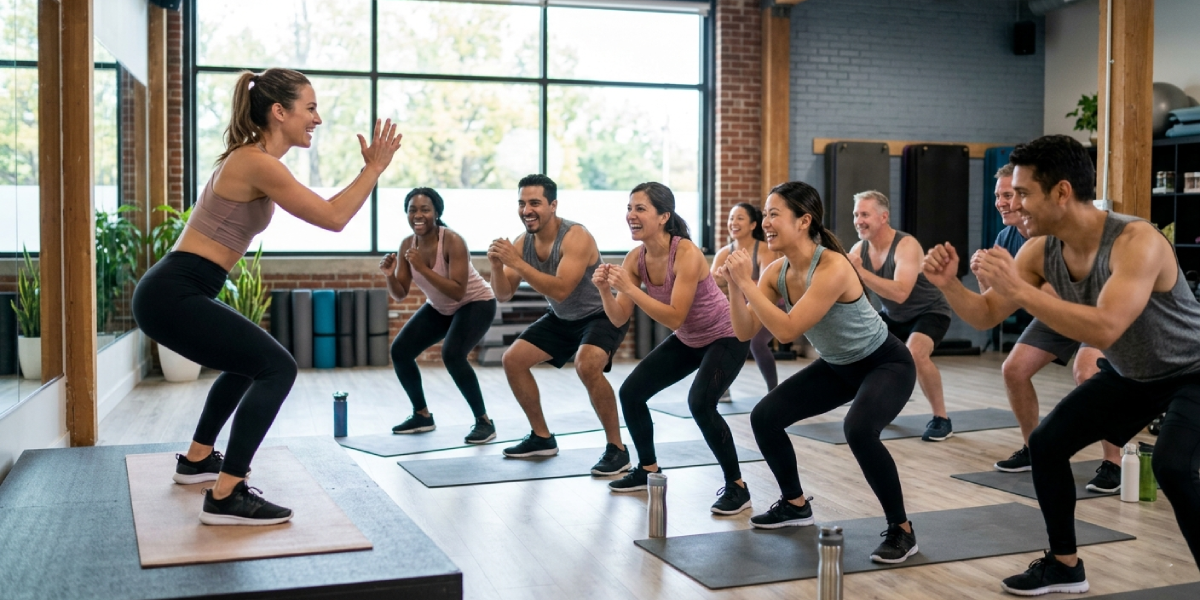
Group exercise classes are one of the most effective tools for building lasting fitness consistency. If you have ever started a solo workout routine only to abandon it weeks later, you are far from alone. Research consistently shows that social environments dramatically improve long-term exercise adherence, and group fitness formats are designed to harness exactly that power.
Whether you gravitate toward high-energy spin sessions, calming yoga flows, or strength-focused boot camps, the structure and community of a group class create conditions that make showing up feel less like a chore and more like a commitment you actually want to keep.
This article breaks down the science and practical reasons why group exercise classes lead to better consistency, and how you can use them to transform your approach to fitness.
The Science Behind Social Exercise and Motivation
Human beings are inherently social creatures. Exercise psychology research has long recognized that working out in the presence of others triggers a phenomenon called the Kohler Effect, where individuals perform better and persist longer when exercising alongside peers rather than working alone.
This effect is especially pronounced when group members are at similar or slightly higher fitness levels, creating gentle, positive competition that elevates effort without causing discouragement.
Beyond performance, the social context of group exercise classes activates accountability mechanisms that are difficult to replicate when training solo. When you sign up for a Tuesday morning spin class and your instructor knows your name, skipping becomes a conscious decision rather than a passive drift.
That small psychological shift is enormously powerful for consistency over weeks and months.
The Role of Scheduled Structure
One of the most underrated benefits of group exercise classes is the built-in schedule. A fixed class time removes the daily decision of when to work out. Decision fatigue is a real barrier to consistency. When your workout is on the calendar the same way a work meeting is, it becomes part of your routine rather than something you negotiate with yourself each day.
This structured format also prevents the most common pitfall of solo training: the abbreviated workout. Left to their own devices, many people cut sessions short when they get tired or distracted. In a group class, the instructor guides you through a full, balanced session from warm-up to cool-down, ensuring you complete the work every single time.
Accountability Is the Cornerstone of Consistency
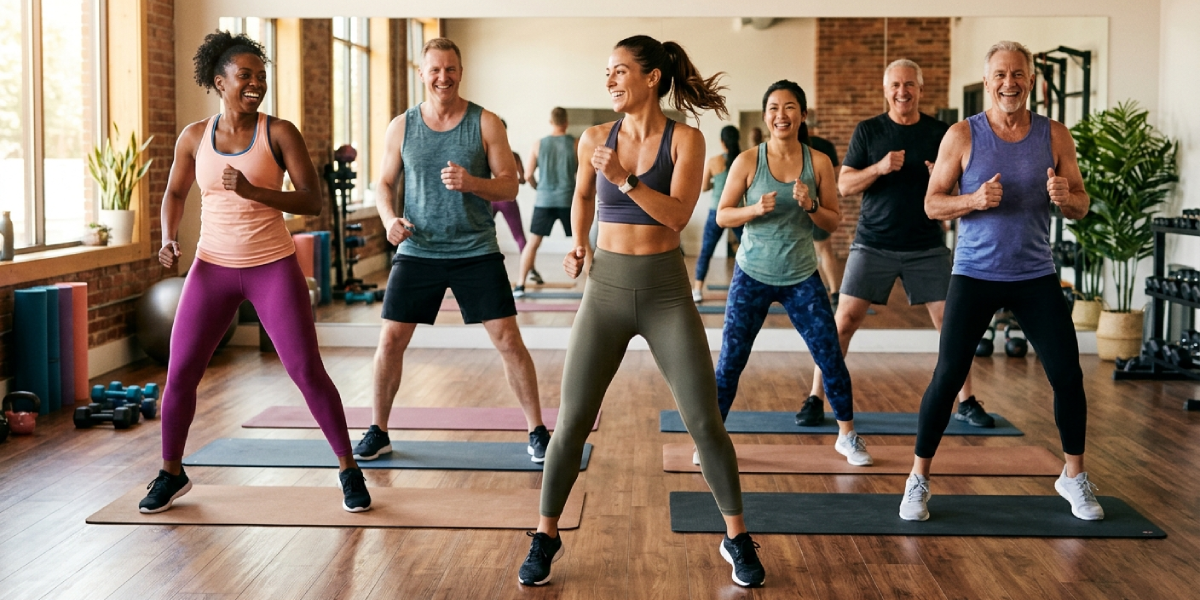
The single biggest predictor of long-term exercise consistency is accountability. Group exercise classes build accountability on multiple levels simultaneously. There is accountability to the instructor, accountability to classmates who notice your presence or absence, and accountability to yourself when you have prepaid for a session or reserved a spot.
Each layer reinforces the others, creating a net that catches you even on days when your personal motivation is running low.
Many fitness professionals who work in exercise guidance and programming note that clients who transition from solo training to group formats consistently report higher rates of weekly attendance. The sense of being expected somewhere, by someone, is a remarkably effective motivator even for experienced exercisers.
The Friend and Buddy Effect
When you attend group classes regularly, you naturally build relationships with fellow participants. These informal friendships add another dimension of accountability. You start to look forward to seeing familiar faces, and missing a class means missing a social connection, not just a workout.
This transforms exercise from a purely physical obligation into a social activity with emotional rewards, which is a much more sustainable motivation than willpower alone.
Studies published in health and behavioral science journals have found that individuals who exercise with friends or acquaintances are significantly more likely to maintain their routines for six months or longer compared to those who train alone. The group class format essentially manufactures this buddy system at scale.
Variety and Expert Programming Prevent Burnout
Monotony is one of the fastest routes to dropping a fitness routine. When you design your own workouts, it is easy to fall into the same patterns week after week, which leads to both physical plateaus and psychological boredom. Group exercise classes solve this problem by putting program design in the hands of qualified instructors who intentionally vary movements, intensity, and formats to keep sessions fresh and challenging.
A good instructor will periodize their class programming, building intensity over weeks and then backing off for recovery. This mirrors the principles used in elite athletic training and ensures that participants are always progressing without overtraining.
The variety also means your body is constantly adapting, which produces better fitness outcomes alongside the consistency gains.
Access to Professional Guidance
Many people who exercise alone have no formal training in exercise science or program design. This can lead to imbalanced routines, poor technique, and an increased risk of injury. Group exercise classes provide access to certified instructors who cue proper form, offer modifications for different fitness levels, and structure sessions to be both safe and effective.
This professional oversight is particularly valuable for those new to fitness or returning after a long break. Having someone guide you through movements correctly from the start builds confidence and reduces the fear of injury that often keeps beginners from sticking with a routine.
The Energy of the Group Elevates Your Performance
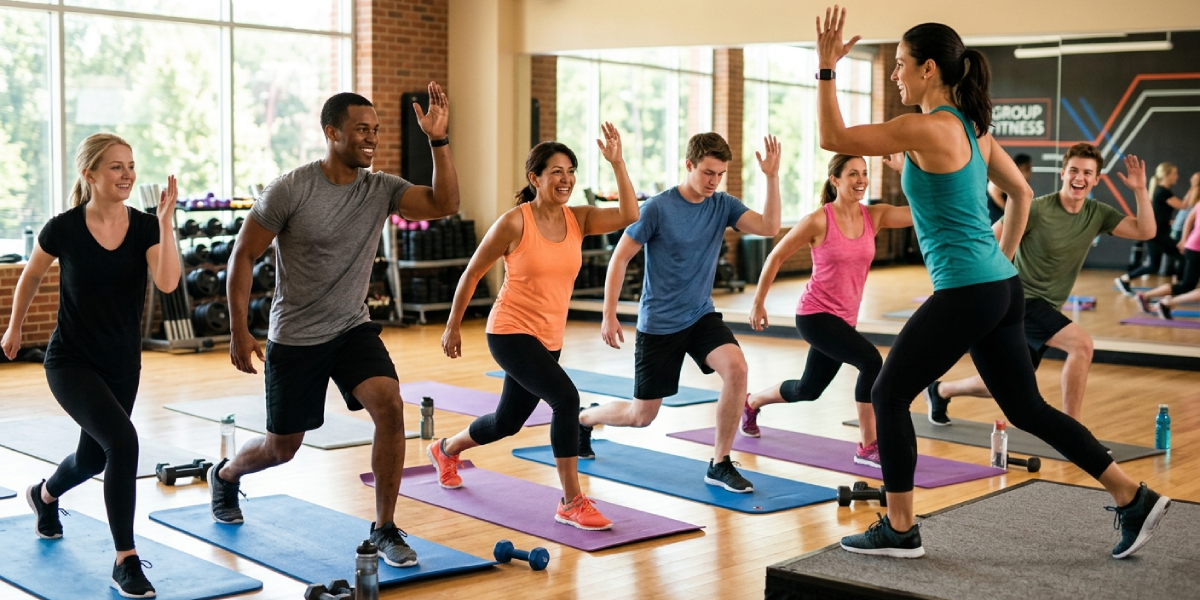
There is something undeniable about the collective energy in a room full of people working hard together. Music, movement, and shared effort create an atmosphere that is genuinely difficult to replicate alone in a home gym or running on a treadmill with headphones in.
This energized environment pushes most participants to work harder than they would on their own, a phenomenon supported by research on group dynamics and exercise output.
When you push harder in each session, you see results faster. Tangible progress, whether it is improved endurance, increased strength, or better mobility, is itself a powerful motivator that feeds continued consistency. Group classes create a virtuous cycle where social energy leads to better effort, better effort leads to better results, and better results inspire ongoing attendance.
Group Classes Support Overall Health Beyond Fitness
The benefits of regular group exercise extend well beyond physical fitness. Consistent participation has been linked to reduced symptoms of anxiety and depression, improved sleep quality, and greater overall life satisfaction. The social component adds an additional mental health dimension that solo exercise often cannot provide.
Understanding how exercise intersects with broader health and wellness outcomes helps explain why group class participants often report feeling better in all areas of life, not just in their physical conditioning. The combination of movement, social connection, and routine creates a comprehensive health habit rather than an isolated fitness behavior.
How to Choose the Right Group Exercise Class for You
Not every group class format will suit every person, and finding the right fit is important for long-term commitment. Consider your current fitness level, your preferences for music and energy level, and the types of movement you genuinely enjoy or want to learn. Trying several different formats before committing to one is a smart approach.
- Beginner-friendly options: Yoga, Pilates, low-impact aerobics, and water fitness classes tend to be welcoming and easy to modify.
- Intermediate formats: Cycling classes, dance-based workouts, and circuit training offer a balance of challenge and structure.
- High-intensity options: Boot camps, HIIT classes, and CrossFit-style formats are ideal for those ready to push their limits in a competitive group setting.
Location and schedule convenience are also critical factors. The best class is one you can actually attend regularly. If a studio requires a long commute, the friction will eventually erode your motivation. Choosing a class that fits naturally into your daily geography and timing makes consistency far more achievable.
Tracking Your Progress Alongside Group Training
Pairing your group class attendance with objective progress tracking adds another layer of motivation. Monitoring changes in body composition alongside your fitness gains is valuable, and tools like the BMI calculator can serve as one reference point in understanding how your body is responding to consistent training over time.
Combine this with tracking workout frequency, energy levels, and strength improvements for a complete picture of your progress.
| Group Class Type | Primary Benefit | Best For |
|---|---|---|
| Yoga | Flexibility and mindfulness | All levels, stress relief |
| Spin or Cycling | Cardiovascular endurance | Low-impact cardio seekers |
| HIIT | Fat burning and conditioning | Time-efficient training |
| Pilates | Core strength and posture | Rehabilitation and beginners |
| Boot Camp | Full-body strength and endurance | Competitive group energy |
Making Group Exercise a Long-Term Habit
Consistency compounds over time. The first few weeks of attending group exercise classes may feel awkward as you learn the routines and the people. Within a month, most participants report that the class feels like a natural part of their week.
Within three months, research suggests, the behavior becomes habitual and requires significantly less conscious effort to maintain.
To accelerate this habit formation, commit to a specific number of classes per week rather than going whenever it feels convenient. Start with two or three sessions per week to allow for adequate recovery while building the routine. As your fitness improves and the habit solidifies, you can increase frequency as your schedule and body allow.
Prepaying for class packages or memberships also reduces the psychological barrier to attendance. When you have already invested financially in a set of classes, the sunk-cost motivation adds a practical layer of commitment on top of the social and structural benefits already in place.
Frequently Asked Questions
Why are group exercise classes better for consistency than solo workouts?
Group exercise classes provide built-in accountability, scheduled structure, and social connections that make it significantly harder to skip a session. The combination of external expectations and community belonging sustains motivation far more reliably than internal willpower alone.
Do group exercise classes work for complete beginners?
Yes. Most group fitness formats offer beginner-friendly options or modifications for all fitness levels. Instructors are trained to provide alternatives so that participants at any starting point can join safely and progress at their own pace within the group setting.
How many group exercise classes per week should I attend?
Most fitness guidelines recommend at least 150 minutes of moderate aerobic activity per week. Attending two to four group classes per week is a practical way to meet this target while allowing adequate recovery time between sessions.
Can group exercise classes help with weight management?
Regular participation in group exercise classes contributes to caloric expenditure and metabolic improvements that support weight management. When combined with a balanced nutritional approach, consistent group training can be an effective component of a healthy weight management strategy.
What should I bring to my first group exercise class?
Bring appropriate athletic footwear, comfortable moisture-wicking clothing, a water bottle, and a small towel. Arrive five to ten minutes early to introduce yourself to the instructor, who can advise on proper form and available modifications for your fitness level.
Are online or virtual group exercise classes as effective as in-person ones?
Virtual group classes retain many of the key consistency drivers, including scheduled structure, instructor guidance, and a sense of community. While the social energy of an in-person environment is harder to replicate, research shows that virtual group formats still significantly outperform fully solo training for adherence and motivation.
How do group exercise classes reduce the risk of exercise burnout?
Qualified instructors program varied, periodized sessions that prevent physical and psychological monotony. The social environment also provides emotional rewards alongside physical ones, giving participants multiple reasons to return that are not solely dependent on discipline or willpower.
What is the Kohler Effect and how does it apply to group fitness?
The Kohler Effect is a psychological phenomenon where individuals work harder and persist longer when exercising with others, particularly those at a similar or slightly higher fitness level. In group exercise classes, this effect naturally elevates effort and endurance without requiring participants to consciously push themselves.
Can group exercise classes improve mental health as well as physical fitness?
Yes. Regular participation in group exercise is associated with reduced anxiety, lower rates of depression, improved sleep, and greater overall wellbeing. The combination of physical activity and social connection addresses mental health through multiple pathways simultaneously.
How long does it take to form a consistent group exercise habit?
Research on habit formation suggests that consistent behavior becomes automatic within approximately 60 to 90 days. Most group class participants report that attendance begins to feel natural and self-sustaining within four to eight weeks of regular participation.