

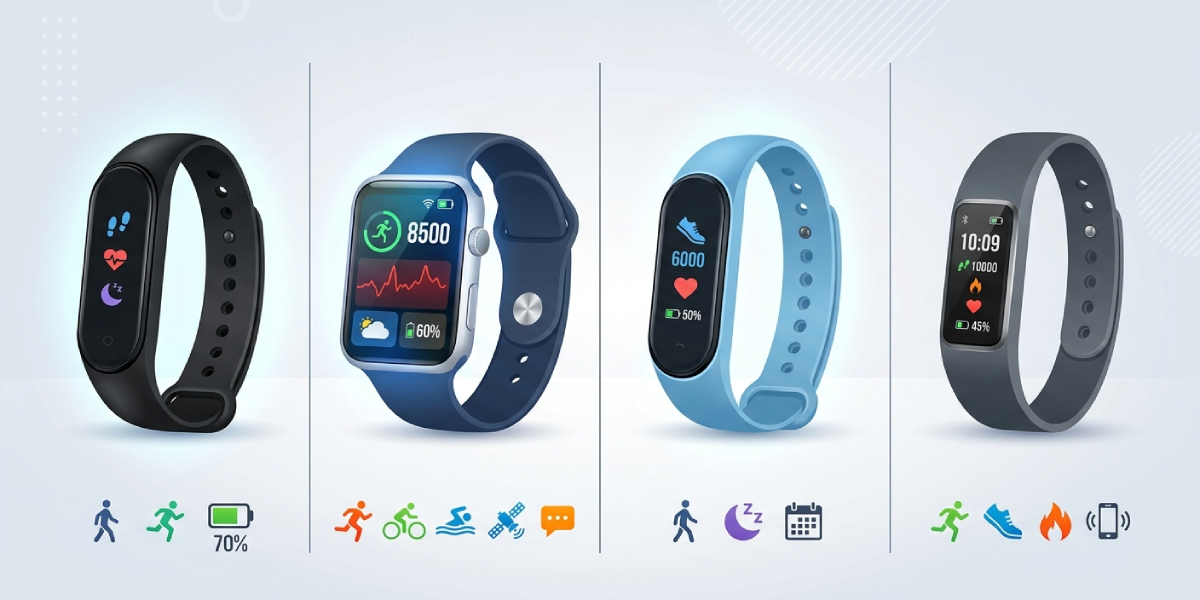
A fitness tracker comparison is the smartest first step anyone can take before investing in a wearable device. With dozens of options flooding the market, choosing the wrong tracker can mean wasted money, ignored data, and abandoned health goals.
This guide cuts through the noise with practical, experience-backed insights to help you find a tracker that actually matches how you live, move, and measure progress.
Why Fitness Trackers Are Worth the Investment
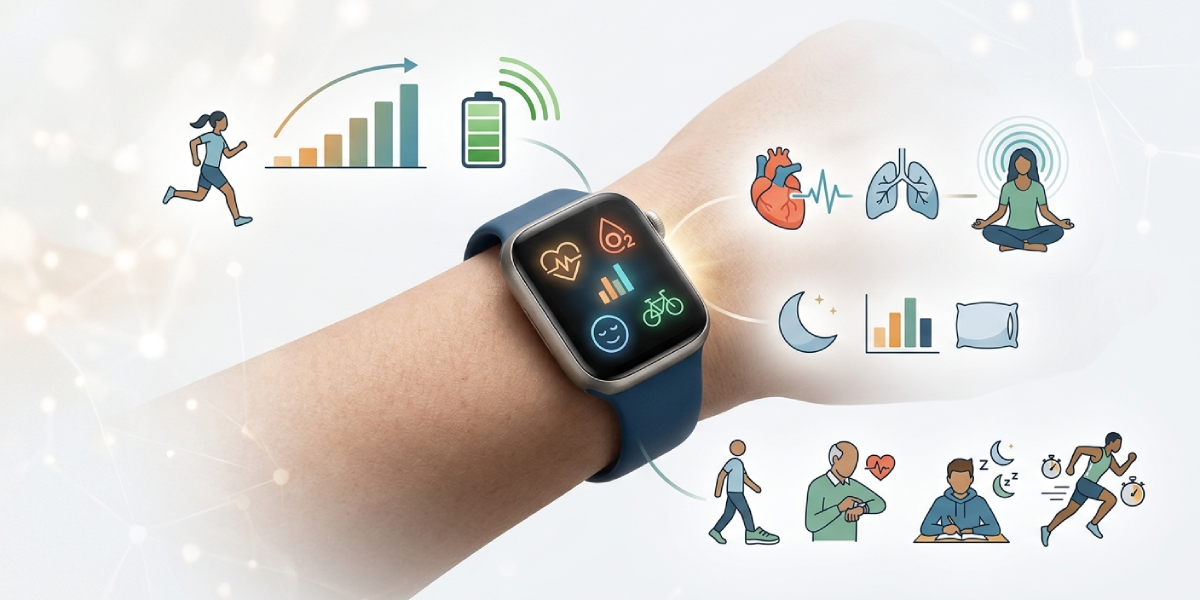
Wearable fitness technology has matured significantly over the past decade. What once amounted to a glorified pedometer now encompasses continuous heart rate monitoring, blood oxygen saturation (SpO2) tracking, sleep stage analysis, stress detection, menstrual cycle tracking, and even electrocardiogram (ECG) capabilities on select models.
Research consistently shows that individuals who track their physical activity are more likely to meet their daily movement goals and maintain healthier long-term habits.
The key is matching the right device to the right person. A casual walker has entirely different needs from a competitive triathlete, and a senior monitoring cardiovascular health needs different features than a college student tracking sleep and stress. Understanding this diversity of use cases is where any honest fitness tracker comparison must begin.
The Most Important Features to Compare
Heart Rate Monitoring Accuracy
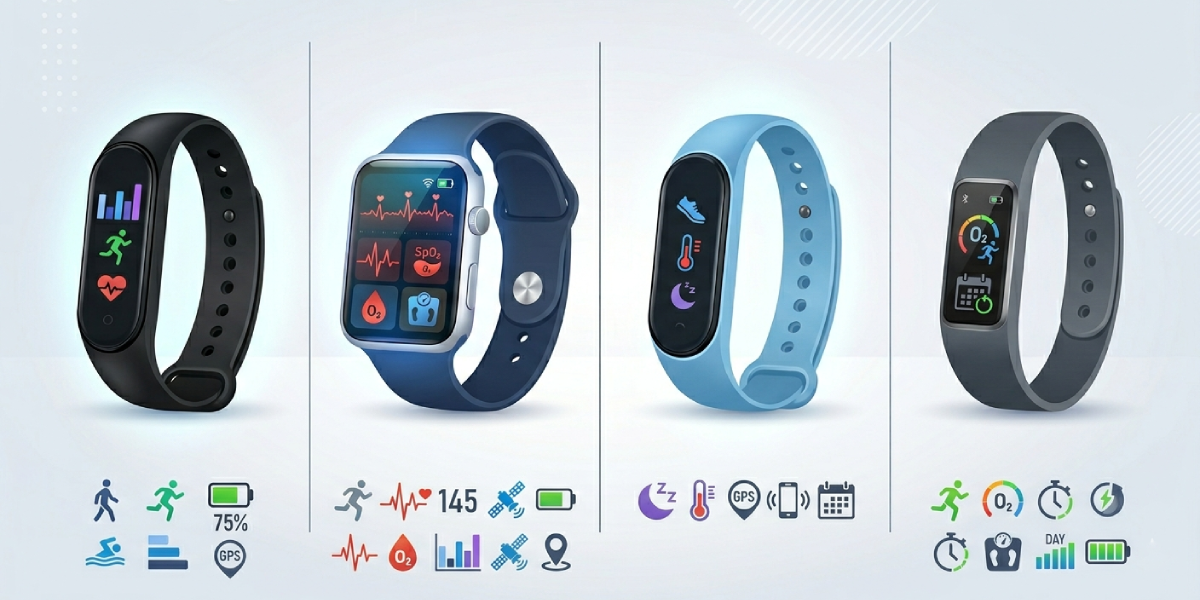
Optical heart rate sensors are now standard across virtually all fitness trackers, but accuracy varies considerably between devices and even between brands and activities. Resting heart rate readings tend to be highly accurate across most mid-range and premium devices.
Where differences emerge is during high-intensity interval training (HIIT), cycling, or activities involving significant wrist movement. For those whose primary concern is cardiovascular health monitoring, investing in a device with a validated optical sensor or an ECG feature is a worthwhile priority.
Devices like the Apple Watch Series 9, Garmin Forerunner series, and the Polar Vantage line have undergone third-party accuracy testing and consistently perform well during dynamic movement. Budget options can still deliver solid resting measurements but may lag in active tracking precision.
GPS: Built-In vs. Connected
For outdoor runners, cyclists, and hikers, GPS capability is non-negotiable. Trackers fall into two categories: those with built-in GPS (which can record routes without a phone) and those with connected GPS (which rely on a paired smartphone).
Built-in GPS offers independence and route precision but typically increases both device cost and battery drain. Connected GPS is perfectly adequate for anyone who routinely carries their phone during workouts.
Battery Life
Battery life is one of the most underappreciated factors in a fitness tracker comparison. A device that needs charging every 24 hours cannot capture overnight sleep data reliably. A tracker rated for five to seven days provides a much more seamless experience for sleep and recovery tracking.
Devices like the Fitbit Charge 6 and Garmin Vivosmart 5 offer multi-day battery life that supports around-the-clock monitoring without the burden of daily charging rituals. At the premium end, some Garmin adventure watches offer solar charging to extend battery life to weeks or even months under direct sunlight.
Sleep Tracking Quality
Sleep quality has an enormous impact on overall health, weight management, and mental performance. Top-tier trackers now break sleep into REM, light, and deep stages using a combination of heart rate variability, movement, and respiratory rate data.
Devices from Fitbit, Garmin, Oura, and Withings have invested heavily in sleep algorithm research. If sleep optimization is your primary goal, look specifically for devices that offer detailed sleep stage breakdowns, sleep score summaries, and recovery insights rather than simple duration tracking.
Health Monitoring Beyond Steps
Advanced health sensors have differentiated the premium tier of the fitness tracker market. Blood oxygen (SpO2) sensors, skin temperature monitoring, and stress tracking via heart rate variability have become common above the entry-level price point.
The Apple Watch Series 9 and Ultra 2 include FDA-cleared ECG and irregular heart rhythm notifications. Devices like the Samsung Galaxy Watch 6 include body composition analysis.
For users engaged in structured exercise programs, VO2 max estimation and recovery advisor features from brands like Garmin and Polar provide genuinely actionable fitness intelligence.
Fitness Tracker Comparison by Category
Best for Everyday Health and Lifestyle Tracking
For general wellness, step counting, sleep monitoring, and light activity tracking, the Fitbit Inspire 3 and Fitbit Charge 6 represent strong mid-range options. They offer intuitive apps, reliable heart rate monitoring, and multi-day battery life at accessible price points.
The Garmin Vivosmart 5 is another excellent lifestyle tracker, particularly for those who want a slim, discreet form factor alongside smart notification support.
Best for Serious Athletes and Performance Tracking
Competitive athletes and fitness enthusiasts who train with structure need devices that go beyond step counting. The Garmin Forerunner 265 and 965 offer advanced running dynamics, training load analysis, race predictor features, and multi-sport tracking in a purpose-built GPS watch form factor.
For triathletes, the Garmin Fenix 7 and Forerunner 965 support open water swimming, cycling power meter connectivity, and full triathlon mode. Polar’s Vantage V3 is another premium option with a strong emphasis on recovery and training readiness through its Orthostatic Test and Nightly Recharge features.
Best Smartwatch Hybrid
For users who want fitness tracking integrated into a capable smartwatch, the Apple Watch Series 9 remains the gold standard for iPhone users. Its combination of health sensors, app ecosystem, and seamless iOS integration is unmatched.
Samsung Galaxy Watch 6 and 6 Classic offer comparable functionality for Android users, with the added benefit of body composition analysis through bioelectrical impedance. Wear OS-based devices benefit from Google Health integration and broad app support.
Best for Sleep and Recovery Focus
The Oura Ring Generation 4 deserves mention as a unique and increasingly popular alternative to wrist-worn trackers. Its ring form factor makes it comfortable for overnight wear, and its sleep tracking and readiness scoring are among the most detailed available.
It is particularly well-regarded among biohackers, healthcare professionals, and individuals who prioritize recovery data. The subscription model may be a consideration for budget-conscious users.
Best Budget Fitness Tracker
Xiaomi Smart Band 8, Amazfit Band 7, and the older Fitbit Inspire 3 offer genuinely capable tracking at low price points. These devices handle step counting, basic heart rate monitoring, sleep tracking, and smart notifications competently.
They are excellent entry points for individuals new to fitness tracking or those uncertain whether they will consistently use a wearable device.
Fitness Tracker Comparison: Feature Table
| Device | Best For | Battery Life | Built-in GPS | SpO2 | Price Range |
|---|---|---|---|---|---|
| Apple Watch Series 9 | iPhone users, all-around | 18 hours | Yes | Yes | Premium |
| Garmin Forerunner 265 | Runners, athletes | Up to 13 days | Yes | Yes | Mid-Premium |
| Fitbit Charge 6 | General wellness | 7 days | Yes | Yes | Mid-Range |
| Samsung Galaxy Watch 6 | Android users | Up to 2 days | Yes | Yes | Mid-Premium |
| Oura Ring Gen 4 | Sleep and recovery | Up to 8 days | No | Yes | Premium |
| Garmin Vivosmart 5 | Discreet everyday wear | Up to 7 days | Connected only | Yes | Mid-Range |
| Amazfit Band 7 | Budget-conscious users | Up to 18 days | No | Yes | Budget |
Matching a Tracker to Your Specific Health Goals
The most important factor in any fitness tracker comparison is alignment with personal goals. Before making a purchase, it is worth clarifying exactly what you want to achieve. Are you aiming to lose weight, build cardiovascular endurance, improve sleep, manage stress, or simply move more throughout the day? Each goal points toward slightly different features.
Weight management goals benefit from trackers that integrate with nutrition-logging apps and provide caloric burn estimates based on heart rate data rather than simple movement algorithms.
Garmin Connect and Fitbit’s app both offer food logging, while Apple Health serves as a hub for third-party calorie tracking apps like MyFitnessPal and Cronometer.
Understanding your baseline fitness level is equally valuable. Using a BMI calculator alongside your tracker’s heart rate and activity data gives you a more complete picture of where you are starting from and what progress looks like over time.
Trackers can capture daily trends, but pairing that data with periodic health assessments provides the context needed to interpret what those numbers actually mean for your body.
Cardiovascular training goals benefit from devices offering VO2 max estimation, training load analysis, and heart rate zone guidance. Devices from Garmin and Polar lead this segment with dedicated features designed around structured training periodization.
Companion Apps: The Overlooked Half of the Experience
Hardware capability alone does not define the fitness tracker experience. The companion app determines how accessible, actionable, and motivating that data actually becomes.
Fitbit’s app is widely considered one of the most user-friendly, particularly for beginners, with clear visualizations, daily readiness scores, and guided wellness programs. Garmin Connect is feature-rich and highly detailed, better suited to data-driven athletes comfortable with complexity.
Apple Health integrates data from a wide ecosystem of third-party apps, making it highly versatile for users invested in the Apple ecosystem. Samsung Health has improved considerably and offers a clean interface for Galaxy Watch users.
Subscription models are worth noting. Fitbit Premium unlocks advanced sleep analysis, personalized insights, and guided programs for a monthly fee. Oura Ring requires an active subscription to access detailed readiness and sleep data beyond basic metrics.
Most Garmin and Apple Watch features are fully accessible without an ongoing subscription.
Durability, Water Resistance, and Comfort
Daily wear demands that a fitness tracker be durable, comfortable, and water-resistant enough to handle sweat, rain, and swimming. Most modern trackers carry an ATM (atmospheres) water resistance rating.
Devices rated at 5 ATM can handle swimming and showering. Those rated at 10 ATM or more with swim-specific modes are built for lap pool and open water use.
Comfort during sleep is another consideration often overlooked until after purchase. Bulkier smartwatch designs may feel intrusive overnight, which is why slim band-style trackers and the Oura Ring have attracted users who prioritize sleep data above all else.
Strap material matters too, particularly for users with sensitive skin, as prolonged contact with certain silicone compounds can cause irritation.
How to Evaluate Reliability and Long-Term Value
Brand support longevity matters when choosing a fitness tracker. A device is only as useful as the software and sensor support behind it. Garmin and Apple have strong track records of providing multi-year software updates to existing hardware.
Fitbit’s integration into Google’s ecosystem has raised questions about long-term platform continuity, though devices currently sold continue to receive updates. Smaller brands may offer impressive hardware specifications at lower price points but carry higher uncertainty around long-term software support.
When reviewing any fitness tracker comparison, look for:
- Third-party accuracy reviews from independent sports scientists or wearable technology researchers
- Software update frequency to ensure the device continues improving after purchase
- Community and support resources for troubleshooting and guidance
- Warranty terms and the brand’s history of honoring them
- Sensor transparency, meaning whether the brand publishes information about its algorithms and validation studies
Frequently Asked Questions
What is the most accurate fitness tracker available today?
Accuracy varies by metric and activity type. For overall heart rate and activity tracking accuracy during both rest and exercise, Garmin and Polar devices consistently perform well in independent testing. Apple Watch Series 9 is highly accurate for daily health metrics and features FDA-cleared ECG functionality.
No single device leads across every category, which is why aligning a device to specific tracking priorities matters more than chasing a single accuracy ranking.
How do I choose between a fitness tracker and a smartwatch?
The choice depends on how much you value smartphone functionality on your wrist versus a device dedicated to health data and battery life. Smartwatches like the Apple Watch and Samsung Galaxy Watch offer app ecosystems, contactless payments, and notifications alongside health tracking, but sacrifice battery life.
Dedicated fitness trackers prioritize multi-day battery life and health sensors in a simpler, more focused package.
Is a more expensive fitness tracker always better?
Not necessarily. Premium trackers offer more sensors, better GPS accuracy, advanced sports analytics, and longer software support. However, for users whose primary goals are step counting, basic sleep tracking, and heart rate monitoring, a mid-range or budget device will deliver excellent value. Spend more when the additional features directly support your specific goals.
Can fitness trackers accurately measure calories burned?
Caloric burn estimates from fitness trackers are approximations, not precise measurements. Most use a combination of heart rate, movement, weight, age, and gender data to estimate energy expenditure.
Studies suggest consumer-grade trackers can underestimate or overestimate calories burned during exercise by 20 to 30 percent depending on the activity type. They are most useful for identifying relative trends over time rather than absolute caloric figures.
Do fitness trackers work for swimming?
Yes, many current fitness trackers support swimming. Devices rated at 5 ATM water resistance and above, such as the Garmin Forerunner 265, Apple Watch Series 9, and Fitbit Charge 6, can be worn in the pool and will track swim metrics including laps, stroke type, and SWOLF scores.
For open water swimming, look specifically for devices with open water swim mode and built-in GPS.
How important is sleep tracking in a fitness tracker?
Sleep tracking is one of the most valuable features available in modern wearables, particularly given the well-established relationship between sleep quality and metabolic health, cognitive function, and exercise recovery. Devices from Fitbit, Garmin, and Oura offer some of the most detailed sleep stage analysis.
If sleep is a primary concern, prioritize trackers with multi-day battery life to ensure the device remains charged through overnight monitoring sessions.
Are fitness trackers suitable for older adults?
Yes, and they can be particularly beneficial. Features like irregular heart rhythm notifications, fall detection (available on Apple Watch Series 9 and later), continuous SpO2 monitoring, and medication reminders make certain trackers genuinely useful health tools for older adults.
Simpler devices with large displays, easy-to-read apps, and emergency SOS features, such as the Apple Watch with cellular capability, are especially well-suited for seniors living independently.
How long does a fitness tracker typically last?
Most fitness trackers have a hardware lifespan of three to five years under normal use. Software support cycles typically run two to four years depending on the brand. Battery capacity also degrades over time, which can reduce the effective daily battery life of older devices.
Premium brands like Garmin and Apple tend to offer longer software support cycles, extending the practical usefulness of their devices beyond entry-level competitors.
Can I use a fitness tracker without a smartphone?
Many fitness trackers function as standalone devices for basic metrics like step counting, heart rate, and alarm functions without a paired phone. However, syncing data to an app, accessing GPS maps, receiving smart notifications, and using app-dependent features all require a connected smartphone.
Devices with cellular connectivity, such as certain Apple Watch and Garmin models, can operate more independently for calls and data syncing.
What should I look for when comparing fitness trackers for running?
For running, prioritize built-in GPS accuracy, cadence and pace tracking, heart rate monitoring precision during high-intensity effort, and post-run recovery insights. Advanced running dynamics like ground contact time, vertical oscillation, and stride length are valuable for performance-focused runners.
Brands like Garmin, Polar, and COROS lead the running-specific tracker segment. Battery life during GPS-active workouts is also a key comparison point, particularly for marathon or ultra-distance runners.