

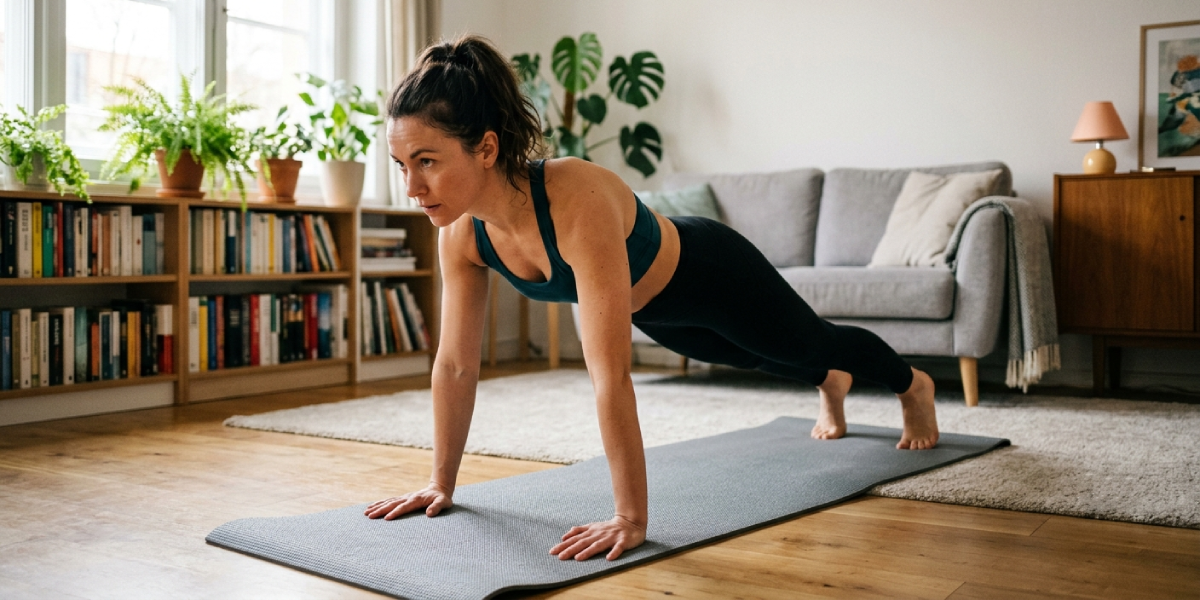
Learning how to exercise at home with no equipment is one of the most practical fitness decisions you can make. Whether you are short on time, working with a tight budget, or simply prefer the convenience of your living room over a crowded gym, bodyweight training delivers real, measurable results when done consistently and with intention.
This guide walks you through everything you need to know — from structuring your workouts and choosing the right exercises, to staying motivated and tracking your progress — all without spending a dollar on equipment.
Why Bodyweight Training Works
There is a common misconception that you need weights, machines, or a gym membership to build a fit, functional body. The reality is that your own bodyweight provides more than enough resistance to build strength, improve cardiovascular fitness, increase flexibility, and support healthy weight management.
Bodyweight exercises engage multiple muscle groups simultaneously, improve coordination, and develop what fitness professionals call functional strength — the kind that translates to real-life movement patterns. Push-ups, squats, lunges, and planks have been foundational movement training tools for decades, used by military units, elite athletes, and rehabilitation specialists alike.
When you combine proper programming with progressive overload — gradually increasing reps, sets, tempo, or exercise difficulty over time — bodyweight training can challenge even experienced athletes. The key is not the equipment you use but the effort and consistency you bring.
Setting Up Your Home Workout Space
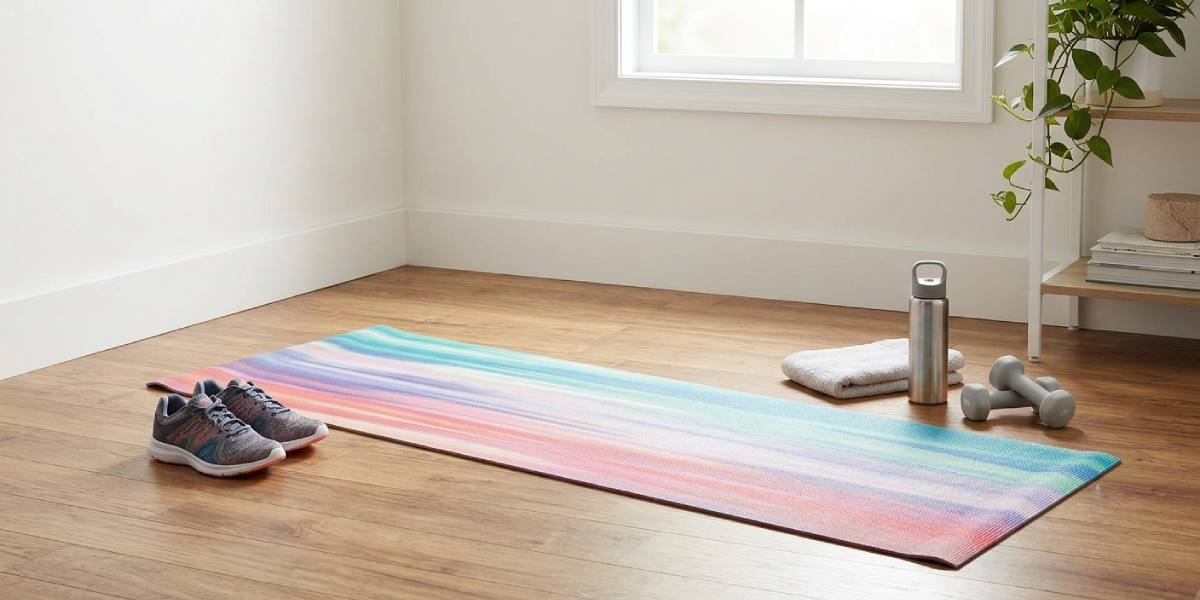
You do not need a dedicated room or elaborate setup to exercise at home effectively. A clear floor space roughly the size of a yoga mat is enough for the vast majority of bodyweight exercises. A few practical considerations will make your sessions more productive:
- Clear the area of furniture and tripping hazards before each session.
- Use a firm, non-slip surface. Carpeted floors work for most exercises, while a thin exercise mat adds cushioning for floor work.
- Dress for movement. Comfortable athletic clothing and clean, supportive footwear reduce injury risk and improve performance.
- Control the temperature. A room that is too warm or too cold affects workout quality and recovery.
- Minimize distractions. Silence notifications and let others in your household know you are training.
The mental shift of designating even a small area as your workout space builds habit and consistency over time.
The Best No-Equipment Exercises for Full-Body Fitness
The following exercises cover the major movement patterns — push, pull, squat, hinge, and core — giving you everything you need for a balanced, complete workout. Exploring a variety of bodyweight exercise options helps you find movements that match your current fitness level and goals.
Upper Body
- Push-ups: The gold standard of upper-body pressing. Target the chest, shoulders, and triceps. Beginners can start with incline push-ups using a wall or countertop and progress to standard and then decline variations.
- Pike push-ups: Shift emphasis to the shoulders by forming an inverted V shape and lowering the crown of your head toward the floor.
- Tricep dips: Use a sturdy chair or low step. Keep your elbows close to your body as you lower and raise your torso.
- Plank shoulder taps: Build shoulder stability and core control by alternately tapping opposite shoulders from a high plank position.
Lower Body
- Bodyweight squats: A foundational movement that trains the quads, glutes, and hamstrings. Focus on keeping your chest tall and knees tracking over your toes.
- Reverse lunges: Easier on the knees than forward lunges, and excellent for building single-leg strength and balance.
- Glute bridges: Lie on your back, drive your hips upward, and squeeze at the top. This is a key exercise for glute activation and lower back health.
- Wall sit: Isometric hold that builds quad endurance. Aim for 30 to 60 seconds per set.
- Jump squats: Add an explosive element to increase heart rate and develop lower-body power.
Core
- Plank: The most efficient core stabilization exercise. Keep your body in a straight line from head to heel, engaging your glutes and bracing your abdomen.
- Dead bug: Lie on your back with arms extended and knees bent at 90 degrees. Slowly extend opposite arm and leg while keeping your lower back pressed to the floor.
- Mountain climbers: From a high plank, drive your knees alternately toward your chest in a controlled running motion. This builds core endurance while elevating heart rate.
- Bicycle crunches: Engage both the rectus abdominis and obliques by bringing opposite elbow and knee together in a slow, controlled rotation.
How to Structure a No-Equipment Home Workout Plan
A well-structured workout plan prevents plateaus, reduces injury risk, and keeps training engaging. Here is a practical weekly framework that works for most fitness levels:
| Day | Focus | Sample Exercises |
|---|---|---|
| Monday | Upper Body Push | Push-ups, Pike push-ups, Tricep dips, Plank |
| Tuesday | Lower Body | Squats, Reverse lunges, Glute bridges, Wall sit |
| Wednesday | Active Recovery | Light walking, stretching, yoga |
| Thursday | Core and Cardio | Mountain climbers, Bicycle crunches, Dead bugs, Jumping jacks |
| Friday | Full Body | Burpees, Jump squats, Push-ups, Glute bridges |
| Saturday | Optional Activity | Walking, dancing, recreational sports |
| Sunday | Rest | Full rest or gentle mobility work |
Aim for 20 to 45 minutes per session. Beginners should start with two to three sessions per week and build from there. The most important variable is not the program you follow but the consistency with which you follow it.
Warming Up and Cooling Down
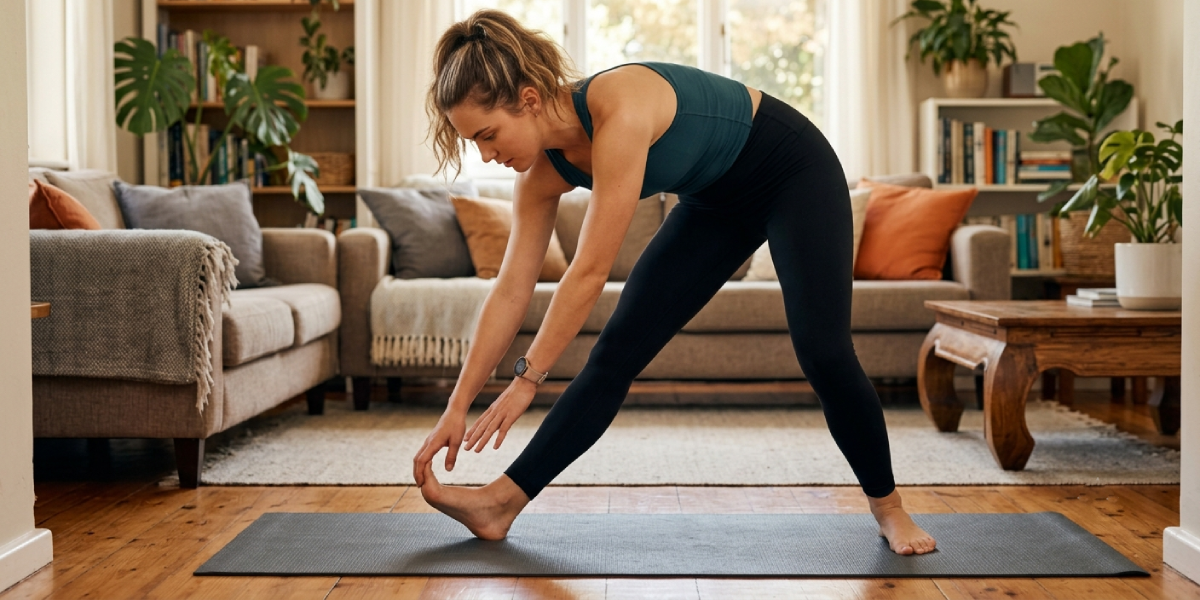
Every workout session should begin with a five-to-ten-minute warm-up and end with a cool-down of similar length. Skipping these phases increases injury risk and slows recovery.
An effective warm-up raises core temperature, increases blood flow to working muscles, and mentally prepares you for effort. Try arm circles, leg swings, hip circles, inchworms, and light jumping jacks before your main session.
Cooling down helps your heart rate return to baseline gradually and supports flexibility. Spend time stretching the muscle groups you trained — holding each stretch for 20 to 30 seconds without bouncing. This is also an ideal time to focus on breathing and reflecting on the session.
Progressing Over Time Without Equipment
Progressive overload is the engine behind every fitness gain, and it does not require adding weight plates. When you exercise at home with no equipment, you can progress in several ways:
- Increase repetitions: If you are performing 10 push-ups, work toward 15, then 20.
- Add sets: Move from two sets to three or four per exercise.
- Slow the tempo: A three-second descent during a squat dramatically increases time under tension and muscle engagement.
- Reduce rest periods: Shorter rest intervals increase cardiovascular demand and caloric burn.
- Advance the exercise: Progress from regular push-ups to archer push-ups, or from bodyweight squats to single-leg squats.
- Add plyometrics: Introduce explosive variations like jump squats and clap push-ups once your base strength is established.
Track your workouts in a notebook or app so you can see where you started and how far you have come. Visible progress is one of the most powerful motivators in fitness.
Nutrition and Recovery to Support Your Home Training
Exercise is only half the equation. What you eat and how you recover directly determines how much benefit you get from every session. Staying informed about health and nutrition fundamentals ensures your hard work translates into lasting results.
Prioritize protein at each meal to support muscle repair and growth. Lean proteins such as chicken, eggs, fish, legumes, and low-fat dairy provide the amino acids your body needs after training. Combine this with complex carbohydrates for sustained energy and plenty of vegetables for micronutrients and anti-inflammatory support.
Sleep is the most underrated recovery tool available to you. Aim for seven to nine hours per night. During deep sleep, the body releases growth hormone, repairs muscle tissue, and consolidates motor patterns learned during training. Consistent sleep deprivation blunts gains even when training and nutrition are on point.
Hydration also matters. Drink water consistently throughout the day, and consider adding an extra glass or two on the days you train.
Staying Motivated When Training at Home
Home workouts remove logistical barriers, but they also remove some of the social accountability that a gym environment provides. Building structure and community around your training keeps momentum going.
- Set a consistent schedule. Treat your workout time like an appointment you cannot skip.
- Use a program or app. Following a structured plan removes decision fatigue and gives each session a purpose.
- Train with a partner remotely. A virtual workout buddy via video call adds accountability and makes sessions more enjoyable.
- Track your metrics. Using a BMI calculator alongside body measurements and performance milestones gives you a multi-dimensional view of your progress.
- Celebrate small wins. Completing a streak, hitting a new rep count, or mastering a difficult movement are all worth acknowledging.
Motivation fluctuates naturally. The goal is to build a system and habits that carry you through low-motivation days until drive returns.
Common Mistakes to Avoid
Even with the best intentions, certain patterns undermine results and increase injury risk when training at home. Watch out for these:
- Skipping the warm-up to save time — this is the fastest route to a strain or sprain.
- Sacrificing form for reps — performing 20 sloppy squats trains poor movement patterns and produces fewer gains than 10 precise ones.
- Overtraining — more sessions do not always mean faster progress. Rest is when adaptation happens.
- Ignoring pain signals — discomfort from effort is normal; sharp, localized, or joint pain is a signal to stop and assess.
- Never changing the routine — the body adapts quickly. Rotate exercise variations and adjust volume every four to six weeks.
Frequently Asked Questions
Can I build muscle by exercising at home with no equipment?
Yes. Bodyweight exercises create sufficient mechanical tension and metabolic stress to stimulate muscle growth when performed with proper form, adequate volume, and progressive overload. Many athletes have built significant muscle mass using only bodyweight methods.
How many days per week should I work out at home?
For most people, three to five days per week is effective. Beginners should start with three sessions and include rest days between them. More advanced trainees can handle four to five sessions with appropriate recovery built in.
How long should a home workout session last?
A focused home workout of 20 to 45 minutes is sufficient for most fitness goals. Quality and intensity matter more than duration. A 25-minute high-effort session often outperforms a distracted 60-minute one.
What is the best no-equipment exercise for beginners?
The bodyweight squat and standard push-up are the two best starting points. They are foundational movement patterns that train the largest muscle groups and can be modified to suit any fitness level.
How do I lose weight by exercising at home with no equipment?
Fat loss results from a sustained caloric deficit combined with physical activity. High-intensity bodyweight circuits — alternating between exercises with minimal rest — elevate heart rate, increase caloric burn, and boost metabolism. Pair this with a balanced, nutrient-dense diet for the best results.
Is it safe to exercise at home without supervision?
For the majority of healthy adults, yes. Learn proper form for each exercise before adding volume or intensity. If you have existing injuries, chronic conditions, or are returning from a long break, consult a physician or certified fitness professional before starting a new program.
How do I know if I am making progress with home workouts?
Track your workouts in a journal or app. Indicators of progress include increased repetitions, improved form, shorter rest times, enhanced endurance, and measurable changes in body composition. Taking periodic photos and measurements provides additional data points beyond the scale.
Can I get a cardio workout at home without equipment?
Absolutely. Exercises like jumping jacks, burpees, high knees, mountain climbers, and jump squats elevate heart rate significantly. Circuit-style training — moving between exercises with little rest — is an especially effective cardio method that also builds muscular endurance.
Do I need to stretch before home workouts?
A dynamic warm-up before training is recommended rather than static stretching. Save static stretches — where you hold a position for 20 to 30 seconds — for after your workout. Dynamic movements like leg swings and arm circles prepare your joints and muscles for effort more effectively than static holds done cold.
How can I stay consistent with home workouts long-term?
Consistency comes from structure, identity, and enjoyment. Schedule your workouts, follow a program that challenges you appropriately, and find movements you genuinely like. Tracking progress and setting short-term goals maintains motivation between major milestones.