


Digital health innovations are no longer a vision of the future, they are an active, daily force reshaping how millions of people manage their health, access care, and make lifestyle decisions.
From smart rings that track your sleep cycles to AI-powered tools that can flag a potential heart rhythm problem before you feel any symptoms, technology has fundamentally changed the relationship between patients and their own bodies.
If you have ever wondered how close we are to a world where your phone, wristband, or even your clothing actively monitors your well-being, the answer is: we are already there.
This article breaks down the most meaningful digital health breakthroughs happening right now, explaining what they are, why they matter, and how they can make a practical difference in your everyday life.
Why Digital Health Innovations Matter More Than Ever
Healthcare has historically been reactive — you feel sick, you visit a doctor, you get treated. Digital health is flipping that model toward prevention and continuous monitoring.
According to research from StartUs Insights analyzing over 5,300 global startups and scaleups, the top digital health trends today focus heavily on data-driven, patient-centric care models that improve access, efficiency, and clinical outcomes across healthcare systems.
The result is a system that works with you around the clock, not just during a scheduled appointment.
For individuals, this shift means greater control, earlier awareness, and a stronger partnership with healthcare providers. For the broader system, it means reduced hospitalizations, smarter resource allocation, and more scalable chronic disease management.
Whether you are managing an existing condition or simply trying to stay ahead of your health, these innovations offer tools that were unimaginable even a decade ago.
AI-Powered Diagnostics: Smarter Detection at Every Level
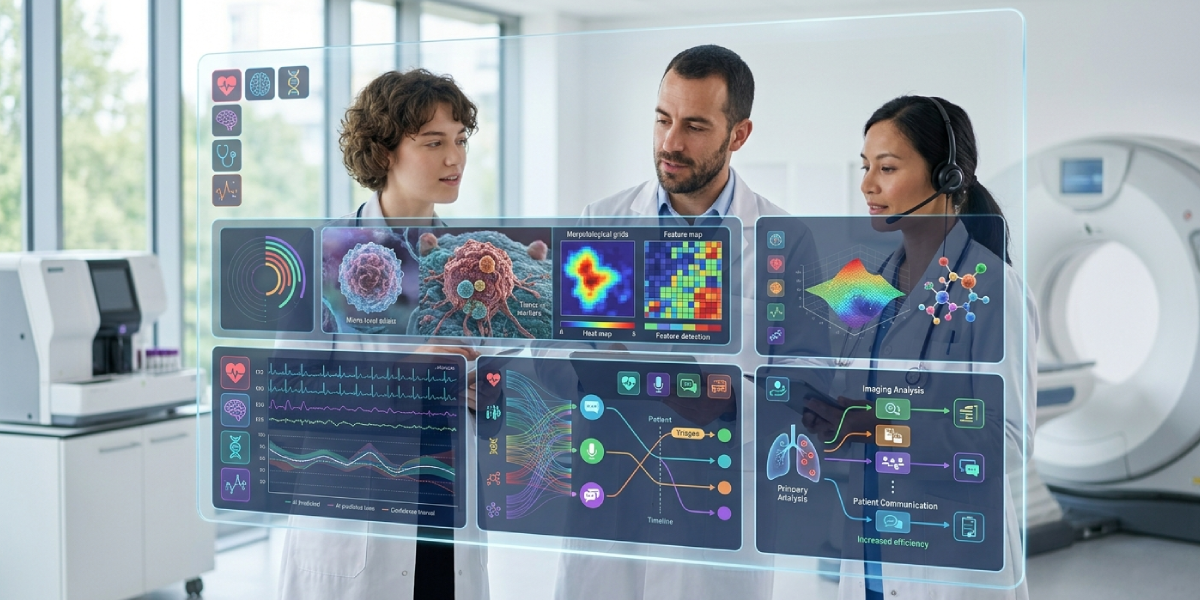
Artificial intelligence has moved decisively from research labs into clinical practice. Healthcare organizations are increasingly using AI algorithms to analyze large datasets and identify patterns that may not be immediately visible to clinicians.
AI-driven imaging solutions, for example, have demonstrated the ability to detect abnormalities with high precision, reducing diagnostic errors and improving early intervention rates.
Beyond imaging, AI is being deployed in pathology workflows to detect tumors and tumor subtypes, identify novel morphological structures, and perform quantitative biomarker analysis. These systems can also assist in predicting patient outcomes and guiding personalized treatment plans — a cornerstone of precision medicine.
In telehealth settings, many platforms now use natural language processing and clinical decision support algorithms to triage patient concerns and guide them toward the right level of care before they even speak with a clinician.
Perhaps most importantly, AI is reducing the administrative burden on healthcare professionals. Ambient note-taking in exam rooms, AI-guided triage in radiology, and smarter call-center routing are no longer rare pilots — they are becoming visible, everyday tools that free up clinicians to focus on patient interaction rather than paperwork.
Wearable Health Technology: Your Body’s Constant Companion
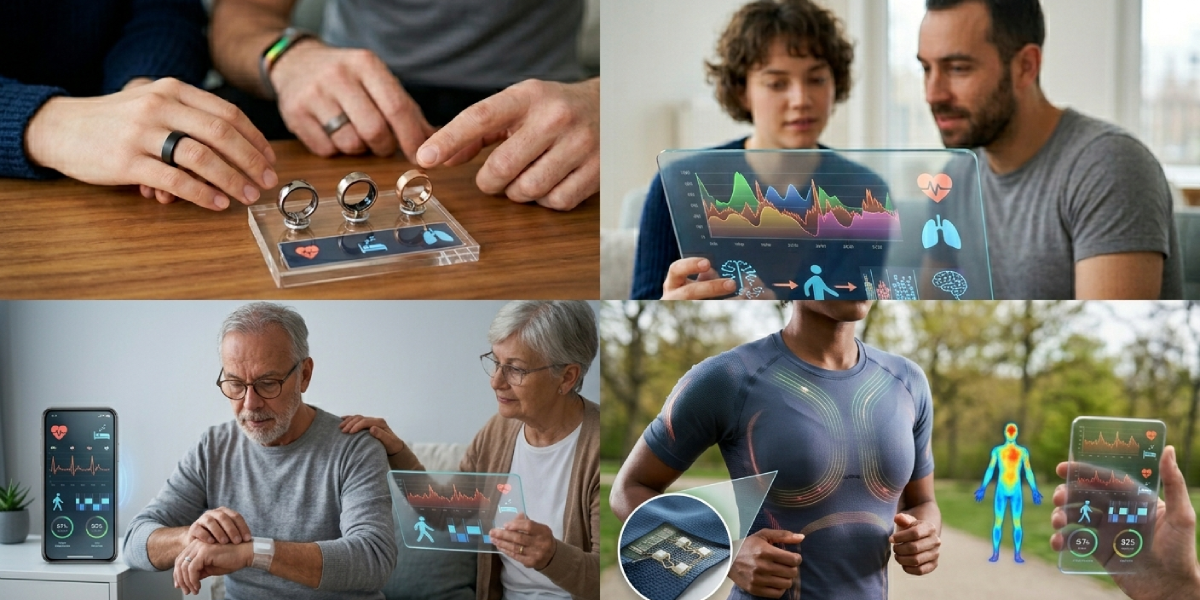
One of the most visible and accessible categories in digital health is wearable technology. These devices have evolved dramatically from simple step counters into sophisticated, medical-grade sensors capable of continuous monitoring of vital signs such as heart rate, blood oxygen levels, skin temperature, and electrical heart activity.
Smart Rings and Next-Generation Fitness Trackers
Smart rings represent one of the most exciting frontiers in consumer health technology. Devices showcased at CES 2026, such as the J-Style JCRing Health Ring, illustrate how far the category has come. This type of device continuously tracks heart rate, blood oxygen levels, sleep quality, and stress metrics in a compact, discreet form factor that fits naturally into everyday life.
For anyone who has resisted wearing a large smartwatch, smart rings offer clinical-grade insights without any compromise on style or comfort.
Fitness trackers have similarly advanced, with AI algorithms now capable of filtering raw physiological data into actionable insights.
As experts in the field have noted, AI can filter the noise from real-time data streams in ways that create a more continuous model of care — surfacing meaningful patterns from subtle changes in sleep, activity, and recovery that even attentive clinicians would previously have missed between visits.
Sensor-Embedded Smart Fabrics
Researchers are actively developing sensor-embedded fabrics that can track health metrics like heart rate, respiration, and temperature while generating power from body heat and movement. This emerging category promises to make health monitoring invisible and effortless — built directly into the clothing you already wear.
While some smart fabric products are still in development or early commercial stages, the trajectory is clear: the next generation of health monitoring will not require you to remember to charge or wear a separate device.
Continuous Glucose Monitors and Cardiac Wearables
For individuals managing diabetes or cardiovascular conditions, wearable technology has already delivered life-changing results. Continuous glucose monitors eliminate the need for frequent fingerstick tests, transmitting real-time blood sugar data directly to smartphones and care teams.
Wearable ECG monitors allow patients and clinicians to capture cardiac data over extended periods, significantly improving the detection of arrhythmias and other conditions that might be missed in a brief office visit. The adoption of these tools has been particularly significant in managing chronic diseases, helping reduce hospital admissions and improve long-term patient outcomes.
Telehealth and Virtual Care: Healthcare That Fits Your Life
Telehealth has matured rapidly from a pandemic-era stopgap into a full-featured care delivery model. What started as simple video consultations has expanded into a sophisticated ecosystem that includes AI-assisted diagnostics, remote patient monitoring, digital therapeutics, and integrated mental health services.
More than 80 percent of health systems now offer telehealth services, with patient satisfaction rates consistently above 90 percent.
For people in rural or underserved areas, or simply for anyone whose schedule makes regular in-person visits difficult, telehealth dramatically improves access to quality care. Connected devices such as blood pressure cuffs, pulse oximeters, and wearable ECG monitors now transmit real-time data to healthcare providers, allowing clinicians to monitor patients between visits and intervene sooner when changes occur.
Healthcare systems are increasingly moving toward remote “smart care” models that combine connected devices, remote monitoring, and data platforms to manage patients outside traditional clinical settings.
Rather than relying solely on hospital visits, clinicians can now track patient health continuously — a shift that the American Association of Nurse Practitioners has identified as one of the defining healthcare trends of this period.
As one industry leader put it, technology is becoming the trusted backbone of healthcare, working behind the scenes to make the system less about bureaucracy and more about people.
Remote Patient Monitoring: Bridging the Gap Between Visits
Remote patient monitoring (RPM) represents one of the most clinically significant advances in digital health. By enabling continuous tracking of vital signs and health metrics outside clinical settings, RPM systems allow for earlier detection of health changes, giving clinicians the opportunity to intervene before problems escalate into emergencies.
In the United States, the Centers for Medicare and Medicaid Services (CMS) is actively accelerating this shift. Starting in July 2026, CMS is rolling out its ACCESS Model — Advancing Chronic Care with Effective, Scalable Solutions — a voluntary, ten-year payment model that incentivizes the use of technology to manage chronic conditions.
Under this model, Medicare Part B providers are rewarded for using technology-enabled services to improve patient outcomes across four key clinical tracks: early cardio-kidney-metabolic conditions, cardio-kidney-metabolic conditions, musculoskeletal conditions, and behavioral health conditions.
This policy development signals a clear direction: remote monitoring and digital tools are being embedded into the financial architecture of healthcare itself.
Simultaneously, the FDA has introduced the READI-Home Innovation Challenge, aimed at accelerating development of medical devices for home use to reduce hospital readmissions, and has launched the RAPID coverage pathway to speed up Medicare access to breakthrough devices.
Digital Therapeutics and Personalized Medicine
Digital therapeutics (DTx) are clinically validated software programs designed to prevent, manage, or treat medical conditions. Unlike general wellness apps, these tools undergo rigorous clinical testing and are often prescribed by healthcare providers.
They address a range of conditions including type 2 diabetes, chronic back pain, insomnia, and mental health disorders.
Personalized healthcare is another area of significant growth. Using genomics, biomarkers, and real-world patient data, care teams can now tailor prevention strategies and treatment pathways to the individual rather than relying solely on population-level guidelines.
AI enables this at scale by analyzing patient-specific data including genetic information, lifestyle factors, and medical history to generate truly personalized treatment plans.
For anyone interested in understanding how lifestyle factors influence personal health metrics, exploring resources on evidence-based health practices can provide valuable context alongside any digital health tools you use.
Mental Health Technology: Closing the Care Gap
Mental well-being solutions are expanding rapidly as a major category within digital health. Apps that provide cognitive behavioral therapy modules, guided mindfulness, mood tracking, and crisis support have become important tools for the millions of people who face barriers to traditional in-person mental health care — whether those barriers are cost, availability, stigma, or scheduling.
Telehealth platforms have made connecting with licensed therapists and psychiatrists dramatically easier, while AI-powered tools can now provide preliminary support, flag concerning patterns in self-reported mood and behavior data, and help users understand when professional intervention is needed.
These technologies do not replace the human therapeutic relationship, but they meaningfully extend access and provide support between professional sessions.
The Role of Exercise and Physical Activity in Digital Health
One area where digital health and everyday wellness intersect most naturally is physical activity. Wearables, health apps, and connected fitness platforms have made it easier than ever to set realistic goals, track progress, and receive personalized guidance.
AI-powered fitness tools now analyze activity data to suggest optimal workout intensities, identify recovery needs, and adapt recommendations based on your biometrics.
Regular physical activity remains one of the most evidence-backed contributors to long-term health, and digital tools are helping more people build and maintain sustainable habits. For those looking to complement their digital health journey with structured, expert-backed workout plans, exploring a library of practical exercise resources can provide excellent guidance.
Whether you are a beginner or already active, integrating data from your wearable with a structured exercise program creates a powerful feedback loop for continuous improvement.
Understanding Your Health Metrics: The Importance of BMI and Body Composition
Digital health tools are also transforming how people understand foundational health metrics. Body Mass Index (BMI) remains a widely used screening tool that, when combined with other data from wearables and health apps, can provide useful context for evaluating cardiovascular risk, metabolic health, and overall wellness.
If you have not reviewed this metric recently in the context of your overall health, a BMI calculator can serve as a useful starting point for a broader conversation with your healthcare provider about your health goals.
It is worth noting that digital health professionals increasingly advocate for interpreting BMI alongside other biometric data — such as body fat percentage, muscle mass, resting heart rate, and sleep quality — all of which are now measurable through consumer wearables.
his holistic approach gives a far more complete picture of health than any single metric alone.
Data Privacy, Interoperability, and Trust in Digital Health
With the proliferation of health data comes an important responsibility: protecting it. Reputable digital health platforms operate under strict data privacy frameworks, and in the United States, HIPAA regulations establish baseline protections for health information.
Healthcare technology investments in 2026 are notably centered around AI-powered workflow automation built strictly adhering to HIPAA regulations, alongside interoperability modernization — the effort to ensure that data flows seamlessly and securely between devices, platforms, and providers.
More than 60 companies have pledged to collaborate with CMS on patient-centric data sharing and innovative patient-facing health apps as part of the CMS Health Technology Ecosystem initiative.
This coordinated effort to establish shared standards for identity, security, and data exchange is a positive signal for anyone concerned about how their health data is handled.
As a consumer, it is worth choosing platforms that are transparent about their data practices, comply with applicable regulations, and give you clear control over your information.
Key Digital Health Innovations at a Glance
| Innovation | Primary Benefit | Who It Helps Most |
|---|---|---|
| AI-Powered Diagnostics | Earlier, more accurate detection of disease | All patients; high value in oncology and cardiology |
| Wearable Health Devices | Continuous vital sign and activity monitoring | Chronic disease patients, fitness enthusiasts |
| Telehealth Platforms | Accessible, convenient virtual care | Rural populations, busy individuals, mental health patients |
| Remote Patient Monitoring | Real-time clinical oversight between visits | Elderly patients, post-discharge recovery, chronic conditions |
| Digital Therapeutics | Clinically validated software-based treatment | Diabetes, mental health, chronic pain patients |
| Personalized Medicine | Treatments tailored to individual genomics and biometrics | All patients seeking precision care |
| Smart Fabrics and Sensors | Invisible, continuous health tracking | Patients seeking unobtrusive monitoring |
What to Expect Next in Digital Health
The pace of digital health innovation shows no signs of slowing. The healthcare robotics market, including hospital and pharmacy robots capable of transporting supplies, disinfecting rooms, and assisting with routine tasks, is projected to be part of a US$10.6 billion segment by the end of 2026.
AI is moving into drug discovery, accelerating the identification of promising therapeutic compounds. And the integration of blockchain and quantum computing into health infrastructure promises new levels of data security and processing capability.
For everyday users, the most meaningful near-term developments will likely be the continued normalization of remote monitoring tools, greater interoperability between health apps and clinical systems, and increasingly personalized AI-driven health coaching that draws on your complete biometric profile rather than generic population averages. The era of scalable, tech-enabled, patient-centered care is not approaching — it is already here.
Frequently Asked Questions
What are digital health innovations?
Digital health innovations are technology-based tools, platforms, and systems designed to improve health outcomes, enhance access to care, and support wellness. They include wearable devices, AI-powered diagnostics, telehealth platforms, remote patient monitoring systems, digital therapeutics, and health-focused mobile applications.
How does AI improve healthcare diagnostics?
AI improves diagnostics by analyzing large volumes of medical data — including imaging scans, pathology slides, and patient records — to identify patterns and abnormalities that might be missed by human review alone. This leads to earlier detection of conditions, fewer diagnostic errors, and more personalized treatment planning based on an individual’s unique health data.
Are wearable health devices accurate enough for medical use?
Many modern wearables are moving closer to medical-grade accuracy, particularly for metrics like heart rate, blood oxygen levels, and cardiac rhythm. Devices cleared or approved by regulatory agencies such as the FDA meet specific accuracy standards. However, wearables are generally best used as complementary tools alongside clinical care rather than replacements for professional diagnosis.
What is remote patient monitoring and how does it work?
Remote patient monitoring (RPM) involves the use of connected devices — such as wearables, blood pressure monitors, and glucose meters — to collect patient health data outside clinical settings and transmit it securely to healthcare providers. Clinicians can review this data in real time or on a scheduled basis, allowing for earlier intervention and more proactive chronic disease management.
Is telehealth as effective as in-person care?
Research consistently shows that telehealth is highly effective for a wide range of conditions, particularly chronic disease management, mental health support, follow-up consultations, and primary care. Patient satisfaction with telehealth remains consistently above 90 percent in most health systems. Some situations — such as physical examinations, surgical procedures, and certain diagnostics — still require in-person visits.
How can digital health tools help with chronic disease management?
Digital health tools support chronic disease management in several ways: continuous glucose monitors help diabetes patients track blood sugar in real time; wearable ECG monitors aid in managing arrhythmias; RPM systems allow clinicians to detect early deterioration and adjust treatment plans remotely; and AI-powered apps provide personalized lifestyle coaching tailored to specific conditions such as hypertension and heart disease.
What is the difference between a wellness app and a digital therapeutic?
A wellness app is a general-purpose tool designed to support healthy habits — such as meditation, fitness tracking, or calorie counting — without clinical validation. A digital therapeutic (DTx), by contrast, is a clinically validated software program that has undergone rigorous testing to demonstrate that it can prevent, manage, or treat a specific medical condition. Digital therapeutics are often prescribed by healthcare providers and are subject to regulatory oversight.
How is patient data protected in digital health platforms?
Reputable digital health platforms are required to comply with applicable data protection regulations, such as HIPAA in the United States, which mandates strict safeguards for health information. Most platforms use encryption for data storage and transmission, implement access controls, and provide users with transparency about how their data is collected and used. When evaluating any digital health tool, it is advisable to review the platform’s privacy policy and ensure it is transparent about data sharing practices.
Can digital health tools replace regular doctor visits?
Digital health tools are designed to complement, not replace, regular medical care. They enhance the quality and frequency of health monitoring, support earlier detection of potential issues, and improve communication between patients and providers. However, professional clinical evaluation, diagnosis, and treatment remain essential, and digital tools work best when integrated into an ongoing relationship with a qualified healthcare provider.
What role does physical activity play in digital health?
Physical activity is one of the most well-established contributors to long-term health, and digital tools have made it easier to track, personalize, and sustain exercise habits. Wearables monitor activity intensity, recovery, and sleep, while AI-powered fitness apps adjust recommendations based on your biometric data. Using these tools alongside structured exercise resources creates a powerful feedback loop for sustainable health improvement.