

Learning how to control your blood sugar is one of the most empowering things you can do for your long-term health, whether you have diabetes, prediabetes, or simply want to feel more energized day to day. After years of watching patients and family members navigate glucose swings, I’ve learned that small, consistent habits beat dramatic overhauls every time.
Blood sugar, or blood glucose, is the fuel your body runs on. When it stays within a healthy range, you feel steady, focused, and energetic. When it spikes or crashes repeatedly, you feel the fatigue, irritability, and cravings that so many people mistake for normal daily life.
The good news is that blood sugar is highly responsive to lifestyle changes, and most people see measurable improvement within just a few weeks of adjusting their habits.
Why Blood Sugar Control Matters
Chronically high blood sugar, known as hyperglycemia, damages blood vessels and nerves over time. This raises the risk of heart disease, kidney problems, vision loss, and nerve pain. On the other end, blood sugar that drops too low, called hypoglycemia, can cause shakiness, confusion, and in severe cases, loss of consciousness.
The goal isn’t to chase a single perfect number but to keep your glucose stable within a healthy range as consistently as possible.
According to the American Diabetes Association’s most recent Standards of Care, time in range, meaning the percentage of the day your glucose stays between 70 and 180 mg/dL, is now considered just as important as the traditional A1C test.
For most adults with diabetes, the general A1C target is below 7 percent, paired with a time-in-range goal of over 70 percent. These numbers can vary based on age, other health conditions, and individual risk factors, so always discuss your personal targets with your healthcare provider.
Build Meals Around Steady Glucose, Not Restriction

The biggest myth I encounter is that controlling blood sugar means eliminating carbohydrates entirely. In reality, the order and combination of foods matters just as much as the total amount. Pairing carbohydrates with protein, fiber, and healthy fats slows digestion and prevents the sharp spike-and-crash pattern that leaves you tired and hungry an hour later.
Practical Plate-Building Tips
- Fill half your plate with non-starchy vegetables like leafy greens, broccoli, or peppers
- Add a palm-sized portion of lean protein such as fish, chicken, tofu, or eggs
- Choose whole grains or legumes over refined carbohydrates when possible
- Finish with a small amount of healthy fat, like olive oil, avocado, or nuts
- Eat vegetables and protein before refined carbs to blunt the glucose spike
Fiber deserves special attention. Soluble fiber found in oats, beans, and apples slows glucose absorption in the gut, which is why a bowl of oatmeal with chia seeds behaves very differently in your bloodstream than a bowl of sugary cereal, even if the calorie count looks similar on paper.
Move Your Body to Move Your Glucose
Physical activity is one of the fastest, most reliable ways to lower blood sugar because working muscles pull glucose out of the bloodstream without needing extra insulin. Even a 10 to 15 minute walk after a meal can meaningfully reduce the post-meal glucose spike, a strategy sometimes called the “after-dinner stroll” that has real research behind it.
You don’t need an intense gym routine to see results. A mix of activities works best:
- Brisk walking for 20 to 30 minutes most days
- Resistance training two to three times per week to build muscle, which improves insulin sensitivity
- Light movement like stretching or housework on rest days to avoid long sedentary stretches
If you’re looking for structured routines to build into your week, the exercise guides and workout plans available online can help you create a sustainable schedule that fits your fitness level and goals.
Sleep and Stress: The Overlooked Glucose Regulators
Most people focus entirely on food and exercise while ignoring two of the most powerful blood sugar regulators: sleep and stress. Poor sleep raises cortisol and reduces insulin sensitivity, which means the exact same meal can produce a higher glucose spike after a bad night’s sleep compared to a well-rested one. Aim for seven to nine hours of consistent, quality sleep.
Chronic stress works the same way. When your body perceives stress, it releases cortisol and adrenaline, both of which signal the liver to release stored glucose for quick energy, even if you don’t need it. Over time, this constant low-grade stress response keeps blood sugar elevated.
Simple practices like deep breathing, short walks, journaling, or even five minutes of quiet time before bed can measurably reduce this effect.
Monitoring: Know Your Numbers
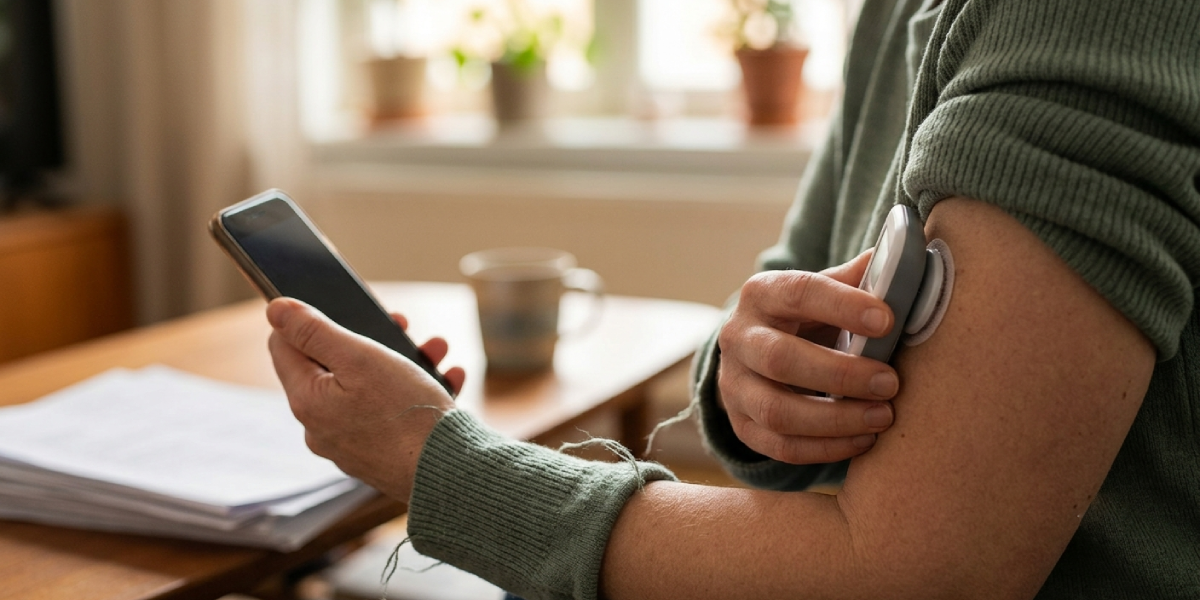
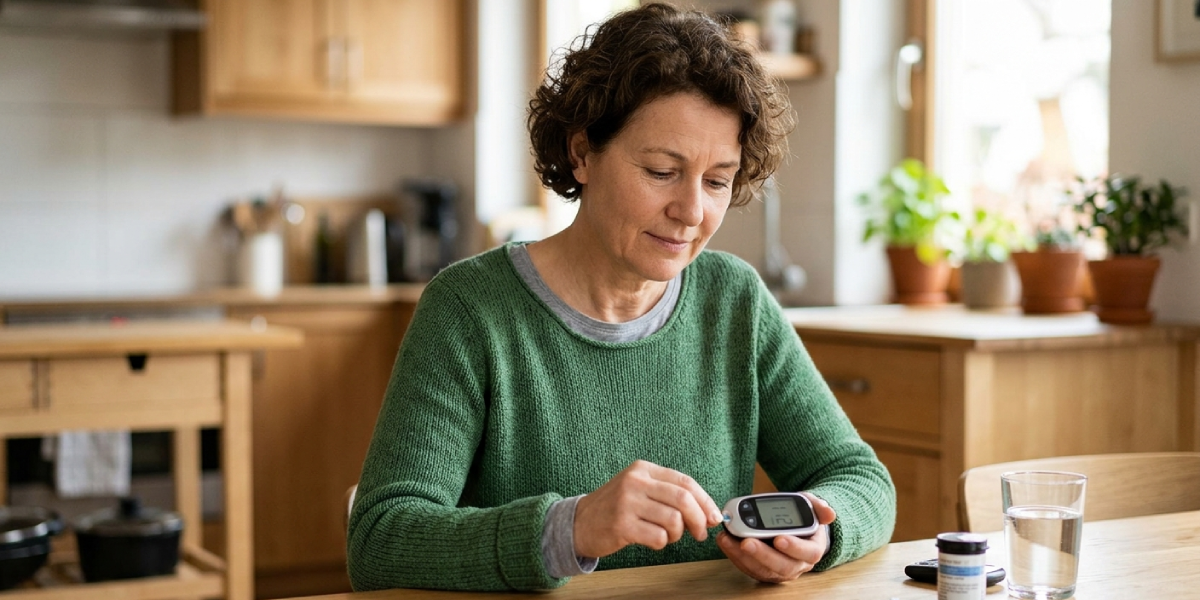
You can’t manage what you don’t measure. Whether you use a traditional glucometer or a continuous glucose monitor, tracking your numbers helps you understand exactly how your body responds to specific foods, activities, and stressors.
Continuous glucose monitors, once used almost exclusively by people with type 1 diabetes, are now recommended more broadly because they reveal patterns that occasional finger-stick checks simply miss.
What the Numbers Mean
| Reading | Typical Target Range | What It Indicates |
|---|---|---|
| Fasting blood glucose | 80–130 mg/dL | Baseline glucose before eating |
| Post-meal (2 hours after) | Below 180 mg/dL | How well your body handled the meal |
| A1C | Below 7% (individualized) | Average glucose control over 2-3 months |
| Time in range | Above 70% | Consistency of daily glucose control |
These ranges are general guidelines. Your healthcare provider may set different individual targets based on your age, pregnancy status, other health conditions, or risk of hypoglycemia.
Weight and Blood Sugar: A Two-Way Relationship
For people carrying excess weight, even modest weight loss makes a meaningful difference. Current clinical guidance suggests that losing just 5 to 7 percent of starting body weight can improve blood sugar control and reduce cardiovascular risk.
That means a 200-pound person could see real benefits from losing as little as 10 to 14 pounds, which feels far more achievable than chasing an arbitrary “ideal” weight.
If you’re unsure where you currently stand, using a BMI calculator can give you a useful starting reference point, though it’s just one piece of the picture alongside waist circumference, muscle mass, and overall metabolic health markers from your doctor.
Medications and Working With Your Care Team
Lifestyle changes are powerful, but they work alongside medical treatment, not as a replacement for it. If you’ve been prescribed metformin, insulin, or newer medications like GLP-1 receptor agonists, continue taking them exactly as directed while implementing these habits.
Many people find that improved diet and exercise allow their doctor to eventually adjust dosages, but that decision should always be made together with your healthcare provider, never on your own.
Regular checkups also catch complications early. Routine eye exams, kidney function tests, and foot checks are standard parts of diabetes care precisely because early intervention prevents long-term damage. For broader strategies on building healthy daily routines that support these efforts, the health and wellness resources available online can complement the guidance from your care team.
Putting It All Together
Controlling your blood sugar isn’t about perfection. It’s about building a stack of small, repeatable habits: a balanced plate, a short walk after meals, consistent sleep, manageable stress, and regular monitoring. Each habit reinforces the others, and over weeks and months, they compound into stable energy, better lab results, and real protection for your long-term health.
Frequently Asked Questions
What is considered a normal blood sugar level?
For most adults without diabetes, fasting blood sugar typically falls between 70 and 99 mg/dL, while levels two hours after eating usually stay below 140 mg/dL. People with diabetes often have individualized targets set by their doctor.
How quickly can I lower my blood sugar naturally?
Light physical activity like walking can lower blood sugar within 15 to 30 minutes. Longer-term improvements from diet and exercise changes are typically noticeable within two to four weeks.
Can drinking water help control blood sugar?
Yes, staying well hydrated helps your kidneys flush out excess glucose through urine and prevents the artificial concentration effect that dehydration can have on blood sugar readings.
Does stress really raise blood sugar even without eating?
Yes, stress hormones like cortisol and adrenaline trigger the liver to release stored glucose into the bloodstream, which can raise blood sugar even on an empty stomach.
Is it safe to exercise if my blood sugar is high?
Generally yes for moderate activity, but if your glucose is very high or you have ketones present, check with your doctor first, since intense exercise can sometimes raise glucose further in those situations.
What foods spike blood sugar the fastest?
Refined carbohydrates and sugary drinks, such as white bread, soda, and candy, cause the fastest and sharpest blood sugar spikes because they digest quickly with little fiber to slow absorption.
How does sleep affect blood sugar control?
Poor or insufficient sleep reduces insulin sensitivity and raises stress hormones, both of which make it harder for your body to regulate blood sugar effectively the next day.
Can losing weight reverse prediabetes?
For many people, losing 5 to 7 percent of body weight combined with regular physical activity can return blood sugar to a normal range, though individual results vary based on overall health and genetics.
How often should I check my blood sugar?
This depends on your treatment plan. Some people check once daily, others several times a day, and many now use continuous glucose monitors for ongoing data. Your healthcare provider can recommend the right frequency for you.
Are continuous glucose monitors only for people with diabetes?
No, while they were originally designed for insulin users, continuous glucose monitors are increasingly recommended for a wider range of people to better understand personal glucose patterns and improve overall metabolic health.