

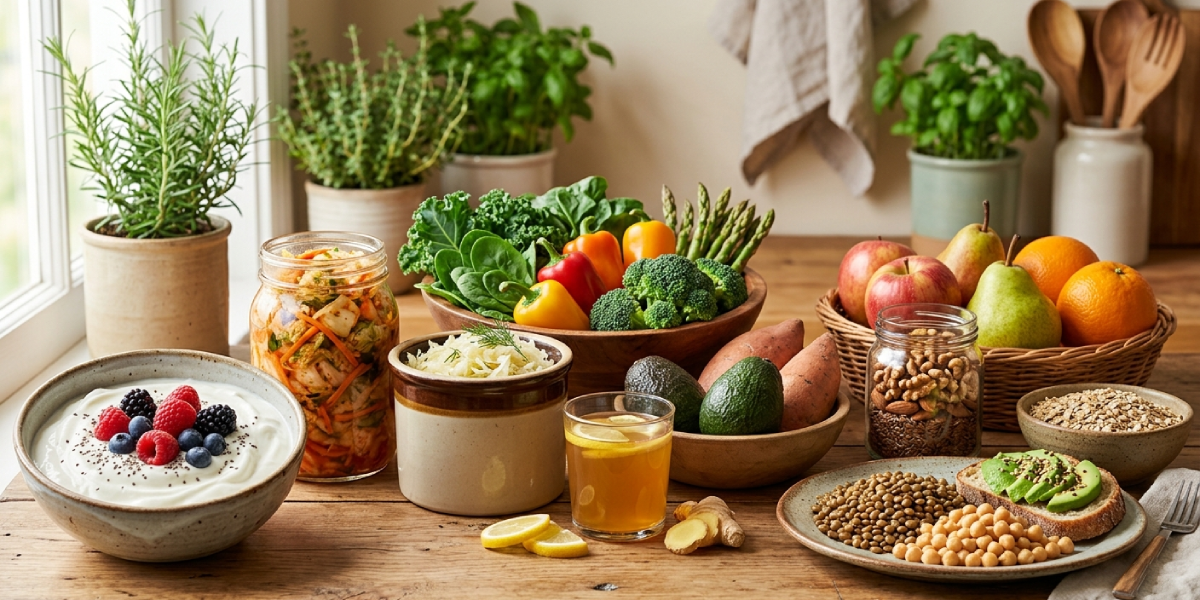
If you want to know the best foods for gut health, you are in the right place. Your gut does far more than digest a meal. It houses roughly 100 trillion microorganisms that influence your immunity, mood, energy levels, and even how well you sleep.
Keeping that inner ecosystem balanced is one of the most powerful investments you can make in your overall wellbeing, and the most direct way to do it is through what you eat every single day.
This guide breaks down the foods that science consistently points to as gut-friendly, explains why they work, and gives you practical ways to work them into a realistic diet. Whether you are dealing with bloating, sluggish digestion, or simply want to be more proactive about your health, these dietary changes can make a meaningful difference.
Why Gut Health Matters More Than You Might Think
The gut microbiome is the collection of bacteria, fungi, viruses, and other microbes living in your digestive tract. Research from institutions like the Harvard T.H. Chan School of Public Health has repeatedly shown that a diverse, well-fed microbiome is associated with lower rates of inflammatory disease, better mental health outcomes through the gut-brain axis, stronger immune responses, and more stable blood sugar regulation.
A less diverse microbiome, often caused by processed diets, chronic stress, antibiotic overuse, and sedentary habits, is linked to conditions such as irritable bowel syndrome, leaky gut, obesity, and even depression. The good news is that dietary shifts can begin reshaping your microbiome within as little as 48 to 72 hours.
That is a remarkably fast turnaround for a lifestyle change.
Pairing smart nutrition with regular physical activity amplifies the benefits significantly. Consistent movement and exercise have been shown to increase microbial diversity independently of diet, making the two habits complementary pillars of digestive wellness.
The Best Foods for Gut Health: A Deep Dive
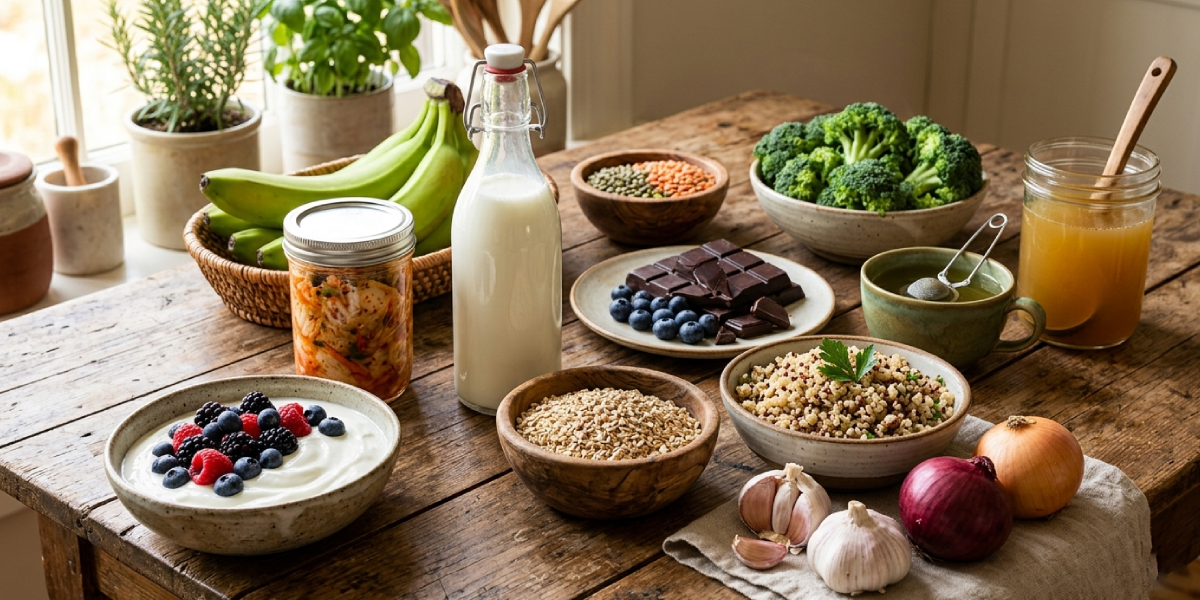
1. Fermented Foods: Live Cultures Your Gut Loves
Fermented foods are among the most potent gut health allies available. They contain live probiotic bacteria that colonize your intestines, crowd out harmful pathogens, and help regulate inflammation. A landmark 2021 clinical trial published in the journal Cell found that a diet high in fermented foods increased microbiome diversity and reduced inflammatory markers more effectively than a high-fiber diet alone.
- Plain yogurt with live active cultures is one of the easiest fermented foods to incorporate daily. Look for labels that say “contains live and active cultures” and choose varieties with no added sugar.
- Kefir is a fermented milk drink that contains a broader spectrum of bacterial strains than most yogurts, along with beneficial yeasts. It is also better tolerated by people with mild lactose sensitivity because the fermentation process partially breaks down lactose.
- Kimchi is a Korean fermented vegetable dish, traditionally made with cabbage and radishes, that delivers both probiotics and prebiotic fiber. Its fermentation process produces short-chain fatty acids that directly nourish colon cells.
- Sauerkraut made through natural lacto-fermentation, not vinegar pickling, provides a similar probiotic punch. Always refrigerate unpasteurized varieties to preserve the live cultures.
- Miso and tempeh, both made from fermented soy, are excellent plant-based probiotic sources that also supply complete protein.
- Kombucha is fermented tea that has grown widely popular. It provides organic acids and some probiotic benefit, though the bacterial counts vary considerably by brand. Choose low-sugar versions.
2. High-Fiber Prebiotic Foods: Feeding the Good Bacteria
Probiotics need fuel to thrive. That fuel is called prebiotics, and it comes primarily from dietary fiber that your own digestive enzymes cannot break down.
The fiber passes intact into the colon, where beneficial bacteria ferment it and produce short-chain fatty acids like butyrate, propionate, and acetate. These compounds reduce inflammation, strengthen the intestinal lining, and regulate immune cell behavior.
- Garlic and onions are rich in inulin and fructooligosaccharides, two of the most studied prebiotic fibers. Even small daily amounts measurably shift microbial populations toward health-promoting species like Bifidobacterium.
- Leeks, asparagus, and Jerusalem artichokes are similarly high in inulin. Jerusalem artichokes in particular contain some of the highest inulin concentrations of any food, though start with small amounts if your system is not used to them.
- Oats contain beta-glucan, a soluble fiber that feeds beneficial bacteria, lowers LDL cholesterol, and slows glucose absorption. Steel-cut and rolled oats retain more fiber than instant varieties.
- Bananas, particularly slightly underripe ones, are a meaningful source of resistant starch, which functions as a prebiotic. As bananas ripen, the starch converts to sugar, so a banana that is still slightly green provides the most gut benefit.
- Legumes including lentils, chickpeas, black beans, and kidney beans are some of the most fiber-dense foods available. A single cup of cooked lentils delivers around 15 grams of fiber, a substantial contribution toward the recommended 25 to 38 grams per day that most adults fall well short of reaching.
3. Whole Grains: More Than Just Fiber
Whole grains retain their bran and germ, which is where most of the fiber, polyphenols, and micronutrients live. Refined grains like white bread and white rice have had these components stripped away, leaving a food that digests quickly, spikes blood sugar, and provides little to the gut microbiome.
Whole wheat, brown rice, quinoa, barley, and buckwheat all support gut bacteria in different ways. Barley is particularly rich in beta-glucan. Quinoa provides a complete amino acid profile alongside its fiber, making it a strong choice for those limiting animal products.
Replacing even half of your refined grain intake with whole grain alternatives has been shown to meaningfully increase beneficial bacterial populations within weeks.
4. Polyphenol-Rich Foods: Antioxidants That Double as Prebiotics
Polyphenols are plant compounds that function as antioxidants and have increasingly been recognized as powerful modulators of the gut microbiome. Most polyphenols are not absorbed in the small intestine. Instead, they travel to the colon, where gut bacteria metabolize them into bioactive compounds that reduce oxidative stress and inflammation.
- Berries, especially blueberries, raspberries, strawberries, and blackberries, are polyphenol powerhouses. They also contribute fiber and are among the lowest-glycemic fruits available.
- Dark chocolate with at least 70 percent cacao is a genuinely useful gut food. Its flavanols feed beneficial bacteria and reduce the abundance of inflammatory species. A one-ounce portion provides meaningful benefit without excessive sugar or calories.
- Green tea contains catechins that selectively support Bifidobacterium and Lactobacillus while inhibiting some pathogenic bacteria. Two to three cups daily is a well-studied dose range.
- Extra virgin olive oil, central to the Mediterranean diet, is rich in oleocanthal and hydroxytyrosol, polyphenols that have demonstrated anti-inflammatory and antimicrobial activity against harmful gut bacteria while preserving beneficial ones.
- Nuts and seeds, including walnuts, almonds, flaxseed, and chia seeds, combine polyphenols with fiber and healthy fats in a format that research suggests modulates the microbiome positively.
5. Cruciferous Vegetables: Sulfur Compounds and Fiber Together
Broccoli, Brussels sprouts, cabbage, cauliflower, and kale offer a unique combination of prebiotic fiber and sulfur-containing compounds called glucosinolates. When chewed and digested, glucosinolates are converted by gut bacteria into isothiocyanates and indoles, compounds that support detoxification pathways and have demonstrated protective effects against colorectal cancer in epidemiological studies.
Lightly steaming cruciferous vegetables rather than boiling them preserves more of their glucosinolates and water-soluble vitamins. Raw consumption also retains these compounds, and the myrosinase enzyme naturally present in raw vegetables activates glucosinolates more efficiently than cooking does.
6. Bone Broth and Collagen-Rich Foods
Bone broth has become a popular gut health food for valid reasons. It is rich in gelatin and collagen-derived amino acids, particularly glycine, proline, and hydroxyproline.
These amino acids are the primary structural components of the intestinal lining, and adequate intake supports the tight junction proteins that keep the gut wall intact and prevent the translocation of bacteria and toxins into the bloodstream, a process often described as intestinal permeability or leaky gut.
While bone broth is the most concentrated source, collagen peptides from supplements, skin-on poultry, and slow-cooked meats provide similar amino acid profiles. Pairing collagen-rich foods with vitamin C-rich vegetables enhances collagen synthesis efficiency, since vitamin C is a necessary cofactor for the enzymes involved in the process.
Foods to Limit for Better Gut Health

Understanding the best foods for gut health also means recognizing what works against your microbiome. Highly processed foods containing emulsifiers like carboxymethylcellulose and polysorbate 80 have been shown in animal and early human studies to disrupt the protective mucus layer lining the gut.
Artificial sweeteners such as saccharin and sucralose alter microbial composition in ways that may impair glucose tolerance. Excessive red meat consumption shifts the microbiome toward species that produce trimethylamine N-oxide, a compound associated with cardiovascular disease risk.
Alcohol in large amounts increases intestinal permeability and reduces the abundance of beneficial Lactobacillus and Bifidobacterium. Chronic stress compounds these effects by elevating cortisol, which directly alters gut motility and microbial populations through the gut-brain axis.
Practical Strategies for Building a Gut-Healthy Diet
Knowing which foods are beneficial is only half the equation. The challenge is consistency. Here are evidence-based strategies for making gut-friendly eating sustainable rather than effortful.
- Aim for diversity above all. Researchers behind the American Gut Project found that people who ate 30 or more different plant foods per week had significantly more diverse microbiomes than those eating 10 or fewer. Variety, not just volume, is the key metric.
- Add fermented foods gradually. Introducing large amounts of probiotic foods too quickly can cause temporary bloating and gas as your microbial populations shift. Start with a few tablespoons of yogurt or sauerkraut and increase over two to four weeks.
- Cook from whole ingredients most of the time. Meal prepping a batch of lentil soup, roasted vegetables, and whole grain salad at the start of the week dramatically reduces the temptation to rely on ultra-processed convenience foods.
- Stay well hydrated. Fiber needs water to move smoothly through the digestive tract. Low fluid intake alongside a high-fiber diet can actually worsen constipation.
- Eat mindfully and chew thoroughly. Digestion begins in the mouth. Thorough chewing breaks food into smaller particles that gut bacteria can access more effectively, and it stimulates digestive enzyme production.
How Gut Health Connects to Your Overall Health Picture
The gut microbiome does not operate in isolation. It communicates bidirectionally with the brain via the vagus nerve and neurochemical signaling, with the immune system through the gut-associated lymphoid tissue, and with the endocrine system through hormone-producing enteroendocrine cells.
Roughly 90 percent of the body’s serotonin is produced in the gut, which is why diet and digestive health have such a pronounced influence on mood and cognitive function.
Monitoring other health markers alongside dietary changes is a smart approach. Tracking your body composition through tools like a BMI calculator can help you assess whether your dietary adjustments are also supporting a healthy weight, which itself correlates with a more favorable microbiome profile.
Excess body fat, particularly visceral fat, is associated with low microbial diversity and elevated systemic inflammation.
Exploring the broader landscape of health and wellness practices alongside dietary changes creates a compounding effect. Quality sleep, stress management, regular movement, and avoiding unnecessary antibiotic use all contribute to a gut environment where beneficial microbes can flourish.
A Sample Day of Eating for Gut Health
| Meal | What to Eat | Key Gut Benefit |
|---|---|---|
| Breakfast | Steel-cut oats with berries, ground flaxseed, and a small serving of plain kefir | Beta-glucan, resistant starch, polyphenols, live cultures |
| Lunch | Large salad with mixed greens, chickpeas, roasted broccoli, walnuts, and olive oil dressing | Prebiotic fiber, glucosinolates, polyphenols, healthy fats |
| Snack | One ounce of dark chocolate and a small handful of almonds | Flavanols, prebiotic fiber, polyphenols |
| Dinner | Baked salmon with roasted asparagus, a side of kimchi, and a serving of brown rice | Omega-3s, inulin, live cultures, whole grain fiber |
| Evening | Cup of green tea | Catechins supporting beneficial bacteria |
Frequently Asked Questions
What are the single best foods for gut health to add first?
If you are starting from scratch, plain yogurt with live cultures and a daily serving of a high-fiber vegetable like broccoli or asparagus are the two easiest and most impactful additions. They provide both probiotics and prebiotic fuel simultaneously, and they integrate easily into existing meal patterns without requiring major dietary overhaul.
How long does it take to improve gut health through diet?
Research suggests that measurable changes in the composition of the gut microbiome can begin within two to four days of consistent dietary change. More lasting, clinically significant shifts in microbial diversity typically require four to eight weeks of sustained dietary improvement.
However, the gut microbiome is sensitive to reversals, so consistency over the long term matters more than short-term interventions.
Are probiotic supplements as effective as probiotic foods?
Both can be beneficial, but they are not equivalent. Probiotic foods typically provide a broader range of bacterial strains, along with prebiotic fiber, vitamins, and bioactive compounds that supplements do not contain.
Supplements can be useful in specific contexts, such as after a course of antibiotics, but for general gut maintenance, whole fermented foods are the more comprehensive choice. Look for supplements with at least 10 billion CFU and multiple strains if you do choose to supplement.
Can eating for gut health help with bloating and gas?
In many cases, yes, though the transition period can temporarily increase bloating as your microbiome adjusts to higher fiber and fermented food intake. This typically resolves within two to three weeks. If bloating is severe or persistent, it may indicate an underlying condition such as small intestinal bacterial overgrowth or irritable bowel syndrome, and consultation with a gastroenterologist is advisable before making major dietary changes.
Is there a difference between soluble and insoluble fiber for gut health?
Yes, and both are important for different reasons. Soluble fiber, found in oats, legumes, and fruits, dissolves in water and is fermented by gut bacteria into beneficial short-chain fatty acids. Insoluble fiber, found in whole grains and most vegetables, adds bulk to stool and speeds transit time through the colon, reducing exposure to potential carcinogens.
A balanced diet naturally delivers both types, which is one reason whole plant foods outperform isolated fiber supplements.
Do I need to eat fermented foods every day?
Daily consumption is ideal for maintaining consistent probiotic exposure, but even three to five servings per week produces measurable microbiome benefits according to current research.
The key is regularity over time rather than large amounts consumed sporadically. Even a tablespoon of sauerkraut or a few spoonfuls of yogurt daily counts meaningfully toward your probiotic intake.
Are there gut health benefits specific to plant-based diets?
Plant-based diets are consistently associated with higher microbial diversity due to the variety and volume of prebiotic fiber they typically provide. However, gut health is achievable on any dietary pattern that includes sufficient whole plant foods.
Even omnivores who prioritize vegetables, legumes, whole grains, and fermented foods tend to show microbiome profiles more similar to plant-based eaters than to those following highly processed or animal-product-heavy diets.
How does stress affect gut health, and can diet counteract it?
Chronic stress activates the hypothalamic-pituitary-adrenal axis, elevating cortisol, which alters gut motility, increases intestinal permeability, and shifts microbial populations toward less favorable compositions. Diet can partially counteract this. Foods high in magnesium, omega-3 fatty acids, and polyphenols have demonstrated stress-buffering effects on the gut-brain axis.
However, dietary intervention works best alongside stress reduction practices rather than as a standalone substitute for managing chronic stress at its source.
Should children eat differently for gut health compared to adults?
The foundational principles are the same: diverse plant foods, fermented options, and limited ultra-processed intake. However, children’s microbiomes are still developing through adolescence, making early dietary diversity especially important for long-term health outcomes.
Breastfeeding, when possible, provides a significant early microbiome benefit. Introducing a wide variety of vegetables, fruits, and whole grains in early childhood establishes food preferences and microbial diversity that can persist into adulthood.
Can gut health influence mental health?
The evidence for this is growing steadily. The gut-brain axis, mediated largely through the vagus nerve and the production of neurotransmitters including serotonin and GABA in the gut, creates a bidirectional communication pathway between digestive health and brain function.
Studies have linked higher microbiome diversity with lower rates of depression and anxiety, and probiotic supplementation has shown modest benefits for mood in several randomized controlled trials. While diet is not a replacement for mental health treatment, supporting a healthy microbiome through food is a reasonable and evidence-based complementary strategy.