

If you are looking for the best fitness apps to genuinely transform your workout routine, you have arrived at the right place. The landscape of mobile fitness has shifted dramatically, and the tools available today go far beyond simple step counters or generic calorie logs.
Whether you are a seasoned athlete, a busy professional squeezing in sessions between meetings, or someone just starting their health journey, there is an app built precisely for your needs.
This guide draws on real-world testing, expert evaluation criteria, and current user data to give you an honest, detailed look at the platforms that are actually delivering results in 2026. No filler, no fluff — just clear insight into which apps deserve space on your phone and why.
Why Fitness Apps Have Become Essential Training Tools
The modern fitness app is no longer just a digital workout log. Over the past several years, these platforms have evolved into fully integrated training systems that combine structured workouts, artificial intelligence, real-time analytics, and lifestyle guidance into a single experience. The best ones adapt to your habits, respond to your progress, and improve over time alongside you.
Fitness today is less about access and more about personalization. You no longer need a gym membership or a personal trainer to build an effective, sustainable routine. What you need is the right system — one that fits your lifestyle and scales with your goals.
The apps featured in this guide were evaluated across five core areas: training quality, personalization, user experience, ecosystem integration, and long-term engagement. Only those that performed consistently across all five made the cut.
For those also looking to ground their fitness goals in measurable data, pairing an app with an understanding of your baseline health is a smart move. Tools like a BMI calculator can give you an objective starting point before you commit to a specific training style or calorie target.
The Best Fitness Apps This Year: Our Top Picks Reviewed
1. Strava — Best for Runners, Cyclists, and Community-Driven Athletes
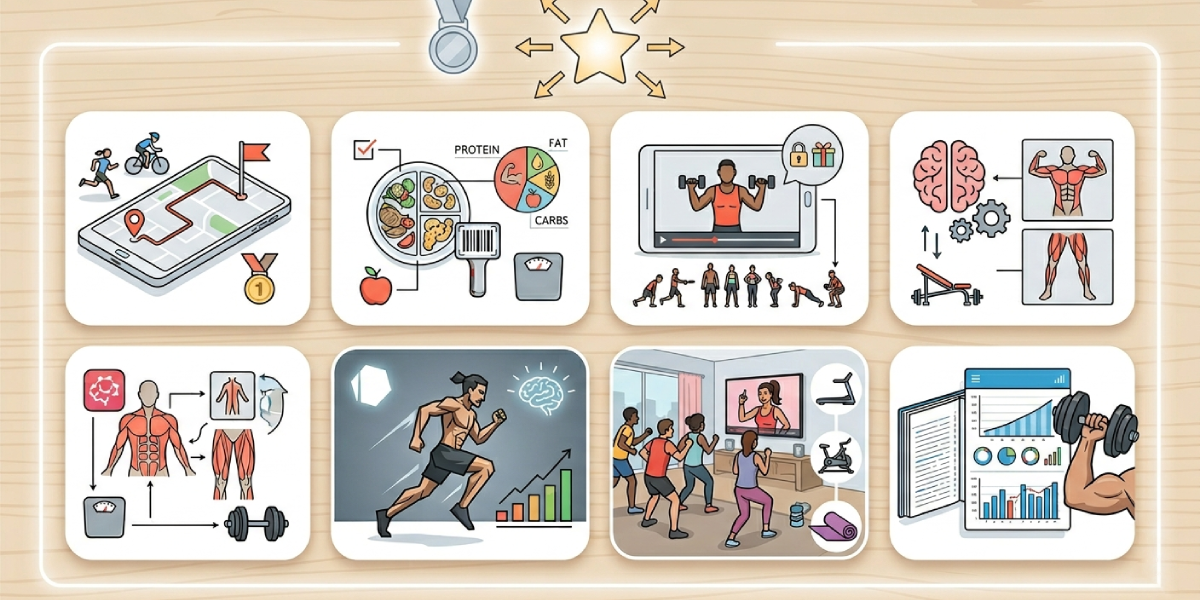
Strava has grown into the dominant social fitness network, now boasting over 100 million active users worldwide. What began as a GPS tracker for cyclists has expanded into a full-featured platform for anyone who trains outdoors.
The app delivers precise tracking for distance, pace, elevation, and route mapping, while its social layer keeps users engaged through challenges, leaderboards, and friend activity feeds.
Where Strava truly stands out is in its community infrastructure. Segment competitions let you race against other athletes on specific stretches of road or trail, turning your daily run into a genuine competition. The paid subscription unlocks advanced analytics including heart rate zone breakdowns, training load monitoring, and fitness trend graphs.
For endurance athletes who thrive on data and social accountability, Strava remains unmatched.
- Best for: Runners, cyclists, triathletes, outdoor fitness enthusiasts
- Platforms: iOS and Android
- Pricing: Free tier available; premium subscription unlocks advanced analytics
- Standout feature: Segment-based social competition with 100M+ global users
2. MyFitnessPal — Best for Nutrition Tracking and Calorie Management
MyFitnessPal remains the gold standard for food logging and nutrition awareness, and for good reason. The app houses a database of over 14 million foods, making it remarkably easy to log meals whether you are eating at a restaurant, cooking at home, or grabbing a packaged snack.
The barcode scanner accelerates the process significantly, and meal-saving features reduce the friction of daily logging.
What separates MyFitnessPal from simpler calorie counters is its seamless integration with virtually every major fitness app and wearable on the market. Your calorie targets automatically adjust based on activity data synced from connected apps, which is essential for anyone with active training schedules.
The macronutrient tracking interface is detailed enough for serious athletes managing protein, carbohydrate, and fat ratios, yet accessible enough for complete beginners.
- Best for: Anyone with nutrition-dependent fitness goals, body composition, weight loss
- Platforms: iOS and Android
- Pricing: Free tier available; Premium+ plan at approximately $79.99 per year
- Standout feature: 14+ million food database with cross-app calorie synchronization
3. Nike Training Club — Best Free Guided Workout App
Nike Training Club earns a top spot by offering a massive, professionally produced library of guided workouts at no cost. The app covers strength, HIIT, yoga, mobility, and endurance training through video-led sessions delivered by Nike Master Trainers.
For beginners especially, the quality of instruction available for free here is genuinely exceptional — the kind of coaching that used to require a gym membership.
The app’s multi-week programs provide clear progression pathways rather than scattering users across random one-off sessions. The collection of bodyweight-only workouts also makes it one of the most versatile options for home and travel fitness.
If you are looking for variety, professional instruction, and zero subscription cost, Nike Training Club is the most obvious first recommendation.
- Best for: Beginners, home trainers, users seeking free professional-grade instruction
- Platforms: iOS and Android
- Pricing: Completely free
- Standout feature: Nike Master Trainer-led video workouts across all fitness categories at no charge
4. Fitbod — Best AI-Powered Strength Training App
Fitbod takes a genuinely intelligent approach to strength programming. Rather than following a fixed template, the app tracks your complete workout history and uses muscle recovery data to recommend exercises, sets, and volume for each session.
Its AI adapts in real time based on what you actually did in your last workout — if you pushed hard on a leg day, Fitbod will prioritize other muscle groups until recovery is sufficient.
This adaptive engine is what sets Fitbod apart from static strength apps. It handles all training styles including powerlifting, bodybuilding, and general fitness, and it works equally well for home training as it does for fully equipped gym environments.
The exercise library is extensive, and each movement includes instructional guidance to support correct form.
- Best for: Intermediate to advanced strength trainees, lifters who want intelligent volume management
- Platforms: iOS and Android
- Pricing: Subscription-based with a limited free trial
- Standout feature: Muscle recovery-based AI that adapts every workout based on your training history
5. Freeletics — Best for AI Coaching and Adaptive Bodyweight Training
Freeletics has built its reputation on intensive bodyweight training powered by an AI coaching system that genuinely evolves with your performance. The app adjusts the difficulty and structure of workouts as your fitness improves, keeping programs challenging and relevant rather than static.
Its AI coach responds to workout feedback in a way that feels more like working with a real trainer than following a preset plan.
Beyond the workouts themselves, Freeletics integrates mindset coaching and recovery guidance into its premium experience, acknowledging that fitness gains happen outside the workout as much as during it. The community element adds an additional layer of motivation, with users sharing progress and participating in global challenges.
- Best for: Users who want progressive bodyweight training with genuine AI personalization
- Platforms: iOS and Android
- Pricing: Free access to basic workouts; AI coaching requires a subscription
- Standout feature: Dynamic AI-adjusted workouts that scale in complexity as your fitness improves
6. Peloton — Best for Home Studio-Style Cardio and Cycling
Peloton has extended well beyond its original connected bike hardware. The Peloton app now provides access to its entire catalog of live and on-demand classes — including cycling, running, strength, yoga, and meditation — to anyone with a smartphone, regardless of whether they own Peloton equipment.
The production quality of classes, the instructor roster, and the energy of live sessions remain unmatched in the home fitness space.
The app integrates deeply with strength and cardio programming, allowing users to build balanced weekly schedules across disciplines. For those who thrive on the motivation of a studio-style environment from the comfort of their own home, Peloton delivers that experience consistently and at a high level of quality.
- Best for: Home workout enthusiasts who prefer studio-style energy and live class formats
- Platforms: iOS, Android, and connected devices
- Pricing: Monthly subscription required for app access
- Standout feature: Live and on-demand studio classes with world-class instructors
7. Jefit — Best for Detailed Strength Logging and Volume Analysis
Jefit has earned a loyal following among data-driven lifters by offering some of the most detailed workout logging and analytics available in any app.
The platform combines an extensive exercise library with four AI-assisted recommendation engines, performance graph generation, body measurement tracking, and volume analysis tools that give serious athletes a clear picture of their progressive overload over time.
The social features also allow users to share routines, browse community programs, and track training alongside friends. For anyone who wants full control over their programming and deep visibility into their performance data, Jefit is one of the most capable tools available at any price point.
- Best for: Data-focused strength trainers, powerlifters, anyone who wants granular tracking
- Platforms: iOS and Android
- Pricing: Generous free tier with paid options for advanced features
- Standout feature: Detailed volume tracking, four AI engines, and a massive community exercise library
How to Choose the Right Fitness App for Your Goals
With dozens of excellent options on the market, selecting the right app comes down to matching the platform to your specific situation. The table below provides a quick reference guide based on the most common fitness objectives.
| Your Primary Goal | Recommended App | Key Reason |
|---|---|---|
| Weight loss | MyFitnessPal + Nike Training Club | Calorie tracking paired with free guided workouts |
| Muscle building | Fitbod or Jefit | Intelligent progressive overload management |
| Running or cycling | Strava + Nike Run Club | GPS tracking, training plans, and community |
| Home fitness | Nike Training Club or Freeletics | Bodyweight and equipment-free programming |
| Studio-style classes | Peloton | Live and on-demand instructor-led sessions |
| General tracking | Strava or Google Fit | Broad activity monitoring with social features |
The Role of AI in Modern Fitness Apps
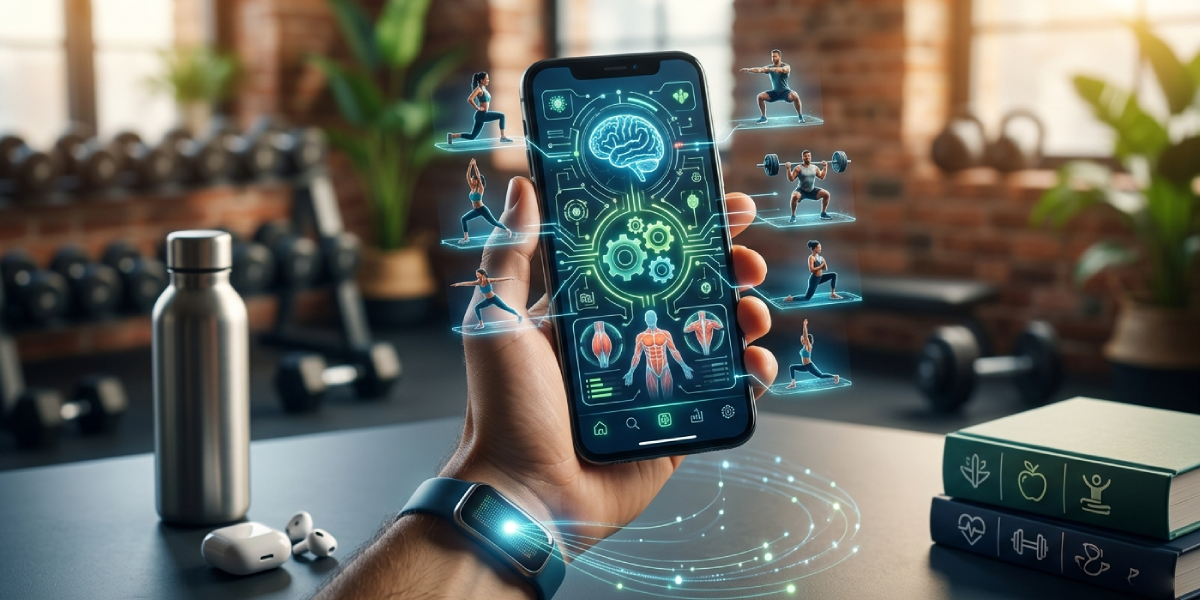
Artificial intelligence has become the defining differentiator among top-tier fitness apps in 2026. Rather than providing one-size-fits-all programs, AI-powered platforms now generate personalized routines based on your goals, available equipment, schedule, and training history.
Apps like Fitbod, Freeletics, and Jefit use machine learning to analyze your performance data and continuously refine their recommendations.
The most sophisticated systems go beyond workout generation. They manage training load across multiple disciplines, account for sleep and recovery data from connected wearables, and even adjust programming in response to user-reported fatigue or stress levels.
This represents a meaningful shift from the static PDF workout plans of previous years toward something genuinely adaptive and responsive.
For anyone serious about understanding the relationship between exercise, body composition, and long-term health, combining a quality fitness app with solid nutritional and wellness knowledge is the most effective approach. Exploring trusted health resources alongside your chosen app can help you make smarter decisions about recovery, diet, and training balance.
Free vs. Paid Fitness Apps: What You Actually Get
One of the most common questions surrounding fitness apps is whether paid subscriptions are worth the investment. The honest answer depends entirely on which features you will actually use. Several premium features genuinely justify their cost when they add structured plans you will follow, performance analytics you act on, or nutrition tools that improve your dietary consistency.
Nike Training Club proves that an excellent free experience is entirely possible, offering professionally produced workouts at no charge. Jefit similarly offers a capable free tier for strength logging.
On the other hand, apps like Fitbod and Freeletics require a subscription to unlock their adaptive AI systems — and for users who want truly personalized programming, that cost is reasonable.
The wisest approach for newcomers is to start with a free option, build a consistent habit first, and then upgrade once you have a clear sense of which premium features would genuinely support your goals. Consistency always outperforms the most sophisticated paid tool used sporadically.
Building a Sustainable Workout Habit with Your Chosen App
The most technically impressive fitness app in the world delivers zero results if you stop opening it after two weeks. Habit formation is the true challenge, and the best platforms address this directly through smart design choices. Progress visualization keeps you aware of how far you have come.
Streaks and achievement systems create small but real incentives for consistency. Community features introduce social accountability that makes skipping a workout feel like letting others down, not just yourself.
When setting up any new fitness app, resist the temptation to start at maximum intensity. Begin with sessions that feel manageable, establish the habit of opening the app daily, and let progression happen naturally.
The apps reviewed here are all designed to scale with you — trust the process, and use the data they provide to make informed adjustments along the way.
Understanding foundational exercise principles alongside your app can also make a significant difference in results. When you understand the why behind your programming — why a certain rep range builds muscle, why rest days matter, why warm-ups reduce injury risk — you become a more effective and self-directed athlete.
Frequently Asked Questions
What is the best fitness app overall in 2026?
There is no single best app for everyone, but Nike Training Club is widely considered the top choice for most users seeking free, high-quality guided workouts. For personalized AI-driven programs, Fitbod and Freeletics lead the field. Strava remains the top pick for outdoor athletes and endurance sports.
Are fitness apps effective for weight loss?
Yes, when used consistently. Apps like MyFitnessPal are particularly effective for weight loss because they create awareness of calorie intake and expenditure. Research consistently shows that self-monitoring through food logging is one of the strongest behavioral predictors of successful weight management.
Do I need a gym membership to use these fitness apps?
No. Most top fitness apps — including Nike Training Club, Freeletics, and FitOn — are specifically designed to deliver effective workouts with little or no equipment. Many users achieve significant fitness improvements training at home using only these apps.
Which fitness app has the best free version?
Nike Training Club offers the most generous free tier among workout apps, providing unlimited access to its full library of trainer-led video workouts at no charge. Jefit and Hevy also offer capable free versions for strength training logging.
Can I use multiple fitness apps at the same time?
Absolutely, and many users do. A common effective combination is Strava or Nike Run Club for cardio tracking, MyFitnessPal for nutrition logging, and a strength app like Fitbod or Jefit for gym sessions. Most major apps sync data with Apple Health and Google Fit as a central hub.
What should beginners look for in a fitness app?
Beginners benefit most from apps with clear guided instruction, simple interfaces, and structured beginner programs. Nike Training Club, BetterMe, and FitOn are consistently recommended for those just starting out because they minimize the guesswork and provide step-by-step guidance rather than overwhelming new users with data.
How do AI fitness apps differ from standard workout apps?
Standard workout apps deliver preset programs that do not change based on your performance. AI-powered apps like Fitbod and Freeletics analyze your workout history, recovery data, and goals to generate and continuously update personalized recommendations. The result is programming that adapts to your actual progress rather than following a fixed template.
Is it worth paying for a premium fitness app subscription?
It depends on your commitment level and the specific features offered. Premium subscriptions are worth the investment when they provide structured adaptive programs you will follow consistently, detailed analytics that inform your training decisions, or coaching support that keeps you accountable. For casual users, free tiers from apps like Nike Training Club often provide sufficient value without any cost.
Which fitness app is best for strength training specifically?
For pure strength training, Fitbod and Jefit are the strongest options. Fitbod excels at AI-driven progressive overload management, while Jefit offers more manual control with deeper data analytics. Hevy is also highly regarded among powerlifters and serious gym-goers for its clean interface and detailed tracking.
Can fitness apps replace a personal trainer?
For many users, a quality AI-powered fitness app can serve many of the same functions as a personal trainer — program design, progressive overload, exercise selection, and accountability. However, for users with specific injury concerns, complex movement patterns to correct, or highly individualized needs, a qualified human trainer still offers value that no app currently replicates fully.