

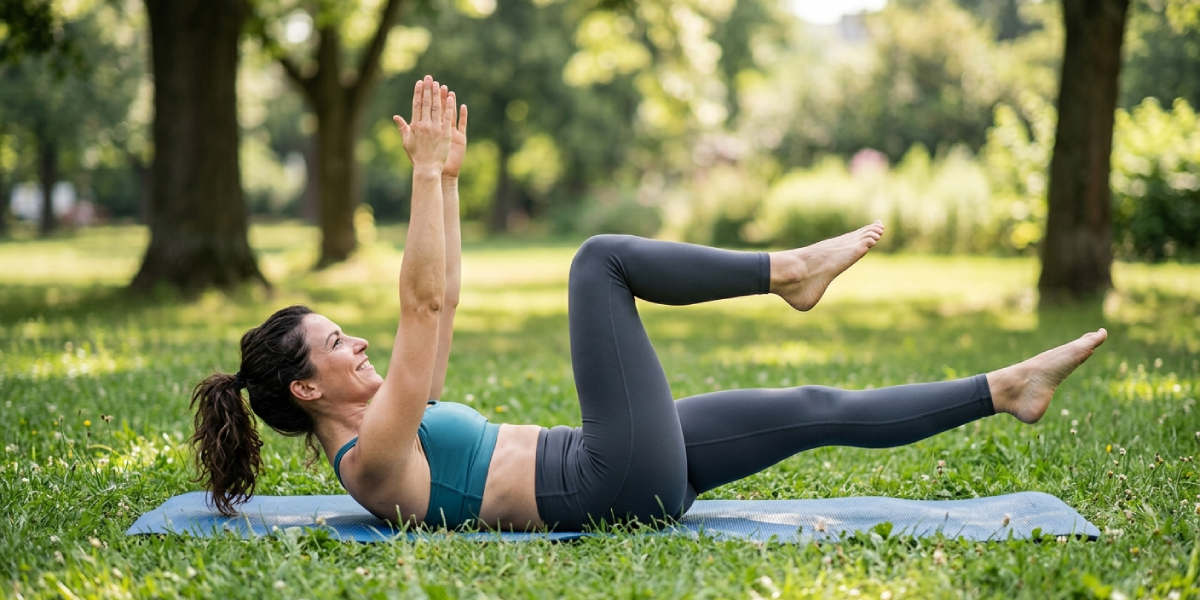
If you are searching for the best exercises to lose belly fat, you are not alone. Belly fat is one of the most common fitness concerns worldwide, and for good reason — it is not just about appearance. Excess fat around the midsection, particularly visceral fat that wraps around your internal organs, is linked to increased risk of heart disease, type 2 diabetes, and metabolic syndrome.
The good news is that with the right combination of targeted exercise, consistent effort, and smart lifestyle choices, you can make real, measurable progress.
This guide cuts through the noise and delivers practical, evidence-based strategies that work in the real world. Whether you are a beginner stepping onto a treadmill for the first time or someone returning to fitness after a long break, you will find exercises and principles here that you can apply immediately.
Why You Cannot Spot-Reduce Belly Fat
Before diving into the workouts, it is important to address a widespread myth: spot reduction. Doing hundreds of crunches every day will not magically melt fat from your stomach. Research consistently shows that fat loss occurs systemically — meaning your body draws from fat stores throughout your entire body, not just the area you are training.
What targeted abdominal exercises do accomplish, however, is strengthening and toning the muscles beneath the fat layer. When combined with full-body exercises that burn calories and improve your metabolic rate, you create the conditions that lead to overall fat loss, including around the belly.
The key is pairing the right types of exercise with a sustainable approach to nutrition and recovery.
The Best Cardio Exercises to Lose Belly Fat
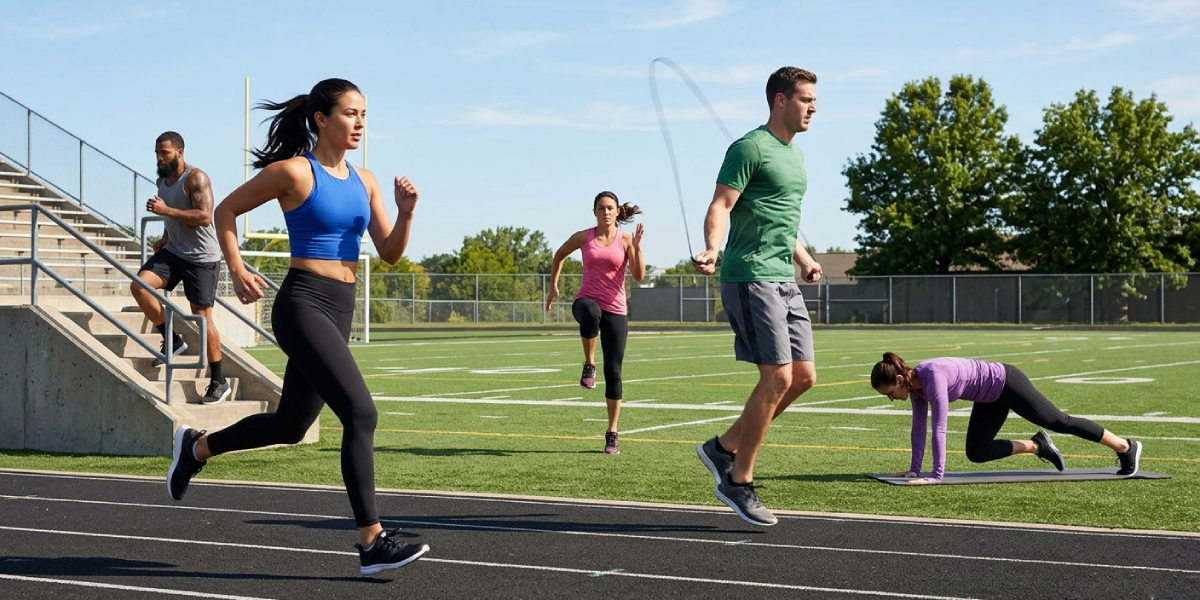
Cardiovascular exercise is one of the most effective tools for creating a calorie deficit, which is essential for fat loss. Here are the top cardio options proven to help reduce belly fat over time.
High-Intensity Interval Training (HIIT)
HIIT is widely regarded as one of the most time-efficient and effective forms of cardio for fat loss. It alternates short bursts of maximum effort with brief recovery periods. A typical HIIT session might look like 30 seconds of sprinting followed by 30 seconds of walking, repeated for 20 minutes.
Studies published in the British Journal of Sports Medicine have found that HIIT reduces total fat mass and waist circumference more effectively than moderate-intensity continuous training.
The reason HIIT works so well is the afterburn effect, formally known as excess post-exercise oxygen consumption (EPOC). Your body continues burning calories at an elevated rate for hours after a HIIT workout as it works to restore itself to baseline.
For best results, aim for two to three HIIT sessions per week with at least one rest day between sessions.
Running and Jogging
Running is a classic, accessible, and highly effective exercise for burning calories and reducing visceral fat. A 155-pound person burns approximately 300 calories during a 30-minute run at a moderate pace. Over time, consistent running leads to significant reductions in both subcutaneous and visceral belly fat.
If you are new to running, start with a run-walk method — alternate between jogging for two minutes and walking for one minute, gradually increasing your running intervals as your fitness improves. The barrier to entry is low: all you need is a decent pair of running shoes and a safe route.
Cycling
Whether on a stationary bike or outdoors, cycling is a low-impact, high-reward cardio option. It is particularly valuable for those with knee or joint issues who may find running uncomfortable. Indoor cycling classes, often called spin classes, can burn between 400 and 600 calories per hour while simultaneously building lower body strength.
Outdoor cycling adds the variable of terrain, which naturally introduces interval-style efforts as you climb hills and accelerate on flat roads.
Swimming
Swimming engages virtually every muscle group in your body, making it an exceptional full-body fat-burning workout. The resistance of the water means your muscles work harder than they would in an equivalent land-based exercise, and because swimming is low-impact, it places minimal stress on your joints.
Freestyle and butterfly strokes are particularly effective for elevating your heart rate and engaging your core muscles.
Jump Rope
Often underestimated, jumping rope is a powerhouse cardio exercise that can burn over 10 calories per minute. It improves coordination, cardiovascular endurance, and engages your core throughout the movement to maintain balance and rhythm.
A simple jump rope is also one of the most affordable and portable pieces of fitness equipment available, making it an excellent option for home workouts.
The Best Strength Training Exercises to Lose Belly Fat
Strength training is not just for building muscle — it is a cornerstone of fat loss. Muscle tissue is metabolically active, meaning the more muscle mass you carry, the more calories your body burns at rest. Incorporating compound strength exercises into your routine accelerates fat loss and helps prevent the muscle loss that can accompany calorie restriction.
For a comprehensive library of structured exercise routines and workout plans, it is worth exploring resources tailored to your specific fitness level and goals.
Deadlifts
The deadlift is arguably the king of compound exercises. It recruits muscles across your posterior chain — glutes, hamstrings, lower back, and lats — while also heavily engaging your core for stabilization. Few exercises demand as much total muscle activation, which translates to a significant caloric cost both during and after the workout.
Start with a Romanian deadlift using lighter weights if you are a beginner, and prioritize form before adding load.
Squats
Squats are a multi-joint movement that primarily targets the quadriceps, glutes, and hamstrings, but they also place significant demand on your core, particularly when performed with a barbell or heavy dumbbells. Variations such as goblet squats, sumo squats, and jump squats each offer slightly different benefits.
Adding squats two to three times per week builds lower body strength and drives meaningful calorie expenditure.
Bench Press and Push-Ups
Upper body pushing movements like the bench press and push-up develop the chest, shoulders, and triceps while also recruiting stabilizing muscles throughout the core and back.
Push-ups, in particular, are a phenomenal bodyweight exercise that requires no equipment and can be scaled to any fitness level, from knee push-ups for beginners to archer push-ups for advanced athletes.
Rows and Pull-Ups
Pulling movements are the counterpart to pushing exercises and are critical for balanced muscle development. Dumbbell rows, barbell rows, and cable rows build a strong, thick back. Pull-ups and chin-ups, when you can perform them, are among the most demanding bodyweight exercises available and significantly elevate heart rate when performed in sets. Both categories of movement engage the core throughout.
Core-Specific Exercises That Complement Fat Loss

While core exercises alone will not burn belly fat, they play an important supporting role. They strengthen the muscles of the abdomen and back, improve posture, protect against injury, and help your midsection look more defined as overall body fat decreases.
Plank Variations
The standard plank is a deceptively simple exercise that activates the deep stabilizing muscles of the core, including the transverse abdominis. To increase the challenge, try side planks, plank shoulder taps, or RKC (Russian Kettlebell Challenge) planks where you actively squeeze every muscle in your body.
Aim to build up to holding a standard plank for 60 seconds or more with excellent form.
Mountain Climbers
Mountain climbers bridge the gap between core work and cardio. Performed in a high plank position, you drive your knees alternately toward your chest in a rapid, running-like motion. This elevates your heart rate quickly while demanding significant core engagement and hip flexor strength. They are a staple in HIIT circuits for this reason.
Dead Bug
The dead bug is a lesser-known but highly effective core exercise that trains anti-extension stability — the ability to resist your lower back arching away from the floor. Lying on your back, you extend opposite arms and legs simultaneously while pressing your lower back firmly into the ground.
It is excellent for beginners and anyone with lower back sensitivity, and it directly trains the deep core muscles most responsible for a flat, stable midsection.
Bicycle Crunches
Research from the American Council on Exercise has identified bicycle crunches as one of the most effective exercises for activating the rectus abdominis and obliques simultaneously. The rotational movement engages the obliques more thoroughly than standard crunches and adds a dynamic quality that makes the exercise more functional and calorie-demanding.
A Sample Weekly Exercise Plan to Lose Belly Fat
| Day | Workout Type | Duration |
|---|---|---|
| Monday | Full-Body Strength Training | 45–50 minutes |
| Tuesday | HIIT Cardio + Core | 30–35 minutes |
| Wednesday | Active Recovery (walking, light yoga) | 30 minutes |
| Thursday | Upper Body Strength + Core | 45–50 minutes |
| Friday | Steady-State Cardio (running, cycling) | 40–45 minutes |
| Saturday | Lower Body Strength + HIIT Finisher | 50–60 minutes |
| Sunday | Rest or Light Walking | 20–30 minutes |
The Role of Nutrition in Belly Fat Loss
No exercise program, however well-designed, can outrun a poor diet. Exercise creates the calorie deficit and metabolic stimulus for fat loss, but nutrition provides the fuel and determines whether that deficit is maintained. A few foundational principles are worth keeping in mind.
- Prioritize protein: Adequate protein intake (roughly 0.7–1 gram per pound of body weight) preserves muscle mass during fat loss, keeps you fuller for longer, and has a higher thermic effect than carbohydrates or fat.
- Reduce ultra-processed foods: Foods high in refined sugar, trans fats, and artificial additives are strongly associated with increased visceral fat accumulation.
- Manage stress and sleep: Elevated cortisol levels from chronic stress and poor sleep drive fat storage around the abdomen. Prioritizing seven to nine hours of quality sleep per night is a non-negotiable component of any fat-loss plan.
- Stay hydrated: Proper hydration supports metabolic function, reduces water retention, and can help moderate appetite.
Understanding where your current health stands is a useful starting point. Using a BMI calculator can help you gauge your current weight status and set realistic, measurable goals as you begin your fitness journey.
How Long Before You See Results?
Consistency and realistic expectations are everything. Most people begin to notice small but meaningful changes within four to six weeks of consistent training and clean eating — improved energy, clothes fitting slightly looser, and better posture. Visible reductions in belly size typically become more apparent between eight and twelve weeks.
Sustainable fat loss occurs at a rate of roughly 0.5 to 1 pound per week; anything faster usually involves muscle loss or water weight, not true fat reduction.
Tracking progress through measurements, progress photos, and how your clothes fit is often more informative than the scale alone, since muscle gain and fat loss can occur simultaneously, sometimes masking changes in weight.
Common Mistakes That Slow Down Belly Fat Loss
- Doing only cardio: Without strength training, you risk losing muscle mass, which lowers your resting metabolic rate and makes fat loss harder over time.
- Skipping rest days: Recovery is when adaptation happens. Overtraining leads to elevated cortisol, increased injury risk, and diminishing returns.
- Underestimating liquid calories: Sugary drinks, alcohol, and even fruit juices can add hundreds of calories per day without contributing to satiety.
- Inconsistency: A perfect plan followed inconsistently will always underperform a good plan followed consistently. Building habits rather than relying on motivation is the real key to long-term success.
For more guidance on nutrition, wellness, and healthy lifestyle habits, exploring dedicated health resources can provide the additional context and support you need alongside your exercise program.
Frequently Asked Questions
What is the single best exercise for losing belly fat?
There is no single best exercise in isolation. However, HIIT (High-Intensity Interval Training) consistently ranks among the most effective options for reducing total body fat, including belly fat, due to its combination of high caloric burn and the EPOC afterburn effect. Paired with compound strength training, it forms the foundation of any serious fat-loss program.
How many days per week should I exercise to lose belly fat?
Most fitness experts recommend four to five days of structured exercise per week, combining cardio and strength training. Three days is a viable minimum for beginners, while advanced exercisers may train six days with proper periodization. What matters most is consistency over weeks and months, not the number of days in any given week.
Can I lose belly fat without going to a gym?
Absolutely. Many of the most effective exercises — including HIIT, push-ups, squats, planks, mountain climbers, and jump rope — require no gym or equipment. Bodyweight training at home, when done with intensity and consistency, can produce excellent fat-loss results. The gym adds variety, heavier loading, and accountability, but it is not a prerequisite.
Does walking help reduce belly fat?
Yes, walking is an underrated fat-loss tool. While it burns fewer calories per minute than running or HIIT, it is sustainable, low-impact, and easy to incorporate into daily life. Aiming for 8,000 to 10,000 steps per day increases your total daily energy expenditure meaningfully over time and has been associated with reductions in visceral fat in several studies.
How important is diet compared to exercise for losing belly fat?
Both are important, but nutrition typically has a greater impact on fat loss than exercise alone. A widely cited principle in fitness is that fat loss is roughly 70 to 80 percent diet and 20 to 30 percent exercise. Exercise is essential for maintaining muscle mass, boosting metabolism, and improving health markers, but it is very difficult to create a sufficient calorie deficit through exercise without also addressing diet.
Can stress cause belly fat, and can exercise help?
Yes. Chronic stress elevates cortisol, a hormone that promotes fat storage specifically around the abdominal region. Exercise is one of the most effective natural stress-reduction tools available — it lowers cortisol levels over time, improves mood through endorphin release, and promotes better sleep, all of which contribute to reduced belly fat accumulation.
Is it harder to lose belly fat as you get older?
It can be more challenging, primarily due to hormonal shifts — declining estrogen in women and testosterone in men — that promote fat redistribution toward the abdomen. A slowing metabolism and reduced muscle mass also play a role. However, the same principles apply at any age: regular exercise, adequate protein intake, quality sleep, and stress management. Older adults may need to adjust intensity and recovery expectations but can absolutely reduce belly fat with consistency.
How long does it take to see results from belly fat exercises?
Most people begin to notice early signs of progress — such as improved energy, better posture, and slightly looser-fitting clothes — within four to six weeks of consistent training. Visible changes to belly size generally become apparent between eight and twelve weeks. Meaningful, lasting reductions in visceral fat typically require three to six months of sustained effort, depending on starting point, diet quality, and training consistency.
Are sit-ups effective for losing belly fat?
Sit-ups strengthen the rectus abdominis but are not particularly effective for burning belly fat on their own, due to the myth of spot reduction. They also place more stress on the hip flexors and lower back than many alternatives. Planks, dead bugs, and bicycle crunches provide superior core activation with lower injury risk. For fat loss, full-body compound movements and cardio will always outperform isolated abdominal exercises.
What role does sleep play in belly fat loss?
Sleep is a critical and often overlooked component of fat loss. Poor sleep — consistently getting fewer than seven hours per night — raises cortisol and ghrelin (the hunger hormone) while lowering leptin (the satiety hormone), creating a hormonal environment that promotes fat gain and increased appetite. Prioritizing sleep quality is not optional; it is one of the highest-leverage actions you can take to support your exercise and nutrition efforts.