


The benefits of daily exercise go far beyond simply looking fit. Whether you are stepping outside for a brisk morning walk or finishing a full strength-training session at the gym, consistent physical activity is one of the most powerful investments you can make in your long-term health.
In this guide, you will find an honest, in-depth look at what regular movement can do for your body, mind, and quality of life — grounded in established science and practical, everyday experience.
Why Daily Exercise Matters More Than Ever
Modern life has made it remarkably easy to be sedentary. Desk jobs, long commutes, and screen-heavy evenings mean that many adults spend upward of eight to ten hours each day sitting down.
Over time, physical inactivity is linked to a wide range of chronic conditions including cardiovascular disease, type 2 diabetes, obesity, anxiety, and even certain cancers. Daily movement is the single most effective, affordable, and accessible countermeasure available to almost everyone.
The World Health Organization recommends that adults aim for at least 150 to 300 minutes of moderate-intensity aerobic activity per week, or 75 to 150 minutes of vigorous-intensity activity, along with muscle-strengthening exercises on two or more days per week.
Meeting these guidelines consistently produces measurable improvements across virtually every system in the human body.
Cardiovascular Health: Strengthening Your Most Important Muscle

The heart is a muscle, and like every other muscle in the body, it responds positively to regular training. Aerobic exercises such as walking, cycling, swimming, and running require the heart to pump more blood, which over time makes it stronger and more efficient.
A well-conditioned heart pumps more blood per beat, meaning it does not have to work as hard during everyday activities.
Regular aerobic exercise lowers resting blood pressure, reduces LDL (bad) cholesterol, raises HDL (good) cholesterol, and significantly decreases the risk of heart attack and stroke. Studies consistently show that physically active individuals have up to a 35 percent lower risk of developing coronary heart disease compared to those who are sedentary.
For individuals who have already been diagnosed with cardiovascular conditions, medically supervised exercise programs are a standard component of cardiac rehabilitation precisely because of these proven benefits.
Weight Management and Metabolic Health
One of the most well-known benefits of daily exercise is its role in managing body weight. Physical activity burns calories directly during the workout, and resistance training in particular raises your resting metabolic rate by increasing muscle mass.
Muscle tissue is metabolically active, meaning it burns more calories at rest than fat tissue does. Over weeks and months, this combination of direct calorie expenditure and elevated resting metabolism makes a meaningful difference in body composition.
Beyond weight, regular movement improves insulin sensitivity, which plays a central role in preventing and managing type 2 diabetes. Exercise causes muscles to absorb glucose for energy without requiring as much insulin, which keeps blood sugar levels stable.
For individuals at risk of metabolic syndrome — a cluster of conditions including high blood sugar, excess abdominal fat, and abnormal cholesterol levels — daily physical activity is one of the most effective interventions available.
If you are just starting out or looking to tailor a routine around your fitness goals, exploring a range of exercise types and structured workout plans can help you find what fits best with your lifestyle and fitness level.
Mental Health Benefits: The Exercise-Brain Connection
Physical activity has a profound and well-documented effect on mental health. When you exercise, the brain releases endorphins, dopamine, serotonin, and norepinephrine — neurotransmitters that collectively reduce the perception of pain, elevate mood, and promote feelings of calm and well-being.
This is what many people refer to as the “runner’s high,” though these effects are not limited to running and occur across virtually all forms of moderate to vigorous activity.
Research published in journals such as JAMA Psychiatry and The Lancet Psychiatry has demonstrated that regular exercise is as effective as antidepressant medication for mild to moderate depression in many individuals, and it substantially reduces symptoms of anxiety disorders.
Beyond acute mood elevation, consistent physical activity reduces chronic stress by lowering levels of cortisol, the body’s primary stress hormone, over time.
Exercise and Cognitive Function
The brain benefits extend well beyond mood. Regular aerobic exercise increases the production of brain-derived neurotrophic factor (BDNF), a protein that supports the growth and maintenance of neurons. Higher BDNF levels are associated with improved memory, sharper focus, faster learning, and a reduced risk of cognitive decline as we age.
Several large-scale longitudinal studies have found that physically active adults are significantly less likely to develop Alzheimer’s disease and other forms of dementia compared to their sedentary counterparts.
Even a single 20-minute bout of moderate exercise has been shown to produce immediate improvements in executive function — the cognitive skills involved in planning, decision-making, and focusing attention.
This is one reason that many performance-focused individuals make exercise a consistent part of their morning routine before a demanding workday.
Bone and Muscle Strength: Building Resilience from the Inside Out
Muscle loss, known as sarcopenia, begins gradually in a person’s mid-thirties and accelerates with each passing decade without intervention. By the age of 70, untreated sarcopenia can result in significant reductions in strength, balance, and functional independence.
Resistance training — including bodyweight exercises, free weights, resistance bands, and machine-based workouts — directly counteracts this process by stimulating muscle protein synthesis and maintaining neuromuscular function.
Weight-bearing and impact exercises are equally important for bone health. Activities like walking, hiking, jogging, dancing, and strength training place mechanical stress on bones, which signals the body to maintain and increase bone mineral density.
This reduces the risk of osteoporosis and fractures, which are among the leading causes of disability and loss of independence in older adults. The National Osteoporosis Foundation specifically recommends weight-bearing and muscle-strengthening exercises as primary preventive strategies throughout life.
Sleep Quality: How Exercise Helps You Rest Better
Poor sleep is a widespread and underappreciated health problem, linked to obesity, immune dysfunction, cardiovascular disease, and impaired mental health. Regular physical activity is consistently identified as one of the most effective non-pharmacological interventions for improving sleep quality.
Exercise increases the production of adenosine, a sleep-promoting chemical that builds up in the brain during waking hours and drives sleep pressure. It also helps regulate circadian rhythms, making it easier to fall asleep and stay asleep through the night.
Research from the American Academy of Sleep Medicine indicates that moderate aerobic exercise can reduce the time it takes to fall asleep by up to half and increase overall sleep duration. Even among individuals with chronic insomnia, regular physical activity produces clinically meaningful improvements in sleep onset, total sleep time, and subjective sleep quality.
Morning or afternoon exercise tends to be most beneficial, as vigorous activity late at night may temporarily delay sleep in some individuals due to elevated core body temperature and adrenaline levels.
Immune System Support and Disease Prevention
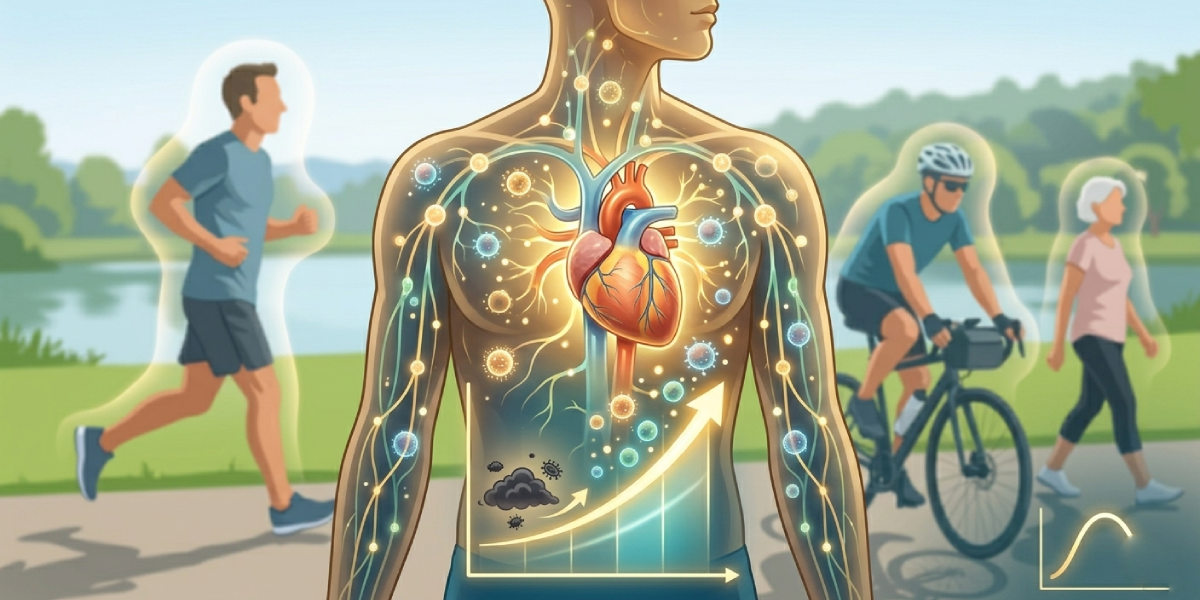
Moderate daily exercise provides a meaningful boost to immune function. Physical activity promotes the circulation of immune cells, including natural killer cells and T lymphocytes, increasing their ability to detect and respond to pathogens.
Studies suggest that individuals who engage in regular moderate exercise experience fewer upper respiratory tract infections and recover more quickly when they do get sick.
The relationship between exercise and immune function follows an inverted U-curve: moderate, consistent exercise strengthens immunity, while a completely sedentary lifestyle and extremely intense overtraining both impair it. This underscores the value of daily movement at a manageable and sustainable intensity for most people.
Beyond infection resistance, long-term regular exercise is associated with reduced risk of several cancers, including colon, breast, endometrial, and lung cancer. The mechanisms include reduced inflammation, improved hormone regulation, enhanced immune surveillance, and reduced obesity — all of which are known cancer risk factors.
Energy Levels and Fatigue Reduction
It may seem counterintuitive, but expending energy through exercise actually produces more energy over time. Regular physical activity improves the efficiency of the cardiovascular and respiratory systems, meaning your body delivers oxygen and nutrients to tissues more effectively.
Mitochondria — the energy-producing structures within cells — increase in number and efficiency with aerobic training, so everyday tasks require less relative effort and feel less tiring.
A 2008 study published in Psychological Bulletin analyzed 70 randomized controlled trials and found that exercise increased energy levels and reduced fatigue in 90 percent of cases. Remarkably, the benefits were observed even in individuals with chronic fatigue syndrome and cancer-related fatigue, conditions in which fatigue is particularly debilitating.
A commitment to daily movement is one of the most reliable strategies for sustaining energy throughout the day without dependence on caffeine or stimulants.
Social and Lifestyle Benefits of Staying Active
The benefits of daily exercise extend into the social fabric of life as well. Group fitness classes, sports leagues, running clubs, and gym communities create opportunities for connection, accountability, and shared purpose. Social exercise has been shown to produce greater improvements in well-being and adherence to regular activity than solo exercise alone.
The motivational and emotional support provided by exercise partners or communities plays a meaningful role in making physical activity a sustainable long-term habit.
On a practical level, physically fit individuals report higher productivity at work, better self-confidence, improved body image, and greater capacity to engage in activities they enjoy — from hiking with family to keeping up with young children or grandchildren.
Regular movement supports a fuller, more independent, and more engaged life at every age.
How to Build a Sustainable Daily Exercise Habit
The most effective exercise routine is the one you can maintain consistently. Choosing activities you genuinely enjoy dramatically increases the likelihood of long-term adherence. Variety also helps — combining cardiovascular training, strength work, and flexibility exercises like yoga or stretching provides comprehensive health benefits while preventing boredom and overuse injuries.
Starting gradually is critical, especially for those returning to exercise after a long break. Attempting to do too much too soon is a leading cause of injury and dropout. A practical starting point is 20 to 30 minutes of moderate activity most days of the week, progressively increasing intensity and duration as fitness improves.
Tracking your progress — whether through a journal, fitness app, or wearable device — can provide motivation and help you identify patterns in your energy levels, sleep, and mood.
Pairing your exercise habits with evidence-based health strategies around nutrition, stress management, and recovery will amplify the results you achieve and help you feel your best across all dimensions of wellness.
Understanding Your Body Composition with a BMI Calculator
While body weight alone is not a complete picture of health, understanding your body mass index can serve as a useful starting reference point when setting exercise and wellness goals. If you are curious about where you currently stand, a free BMI calculator can give you a quick baseline measurement to help guide your decisions and conversations with healthcare providers.
Keep in mind that BMI does not account for muscle mass, bone density, age, or distribution of body fat, so it is best used as one of several data points rather than a definitive health metric. Your energy levels, strength, sleep quality, and overall sense of well-being are equally important indicators of how well your exercise routine is working for you.
Key Benefits of Daily Exercise at a Glance
| Area of Health | Primary Benefit |
|---|---|
| Cardiovascular | Lower blood pressure, reduced heart disease risk |
| Metabolic | Better insulin sensitivity, weight management |
| Mental Health | Reduced anxiety, depression, and chronic stress |
| Cognitive | Improved memory, focus, and dementia prevention |
| Musculoskeletal | Greater strength, bone density, fall prevention |
| Sleep | Faster sleep onset, longer and deeper sleep |
| Immune Function | Enhanced immune response, lower infection risk |
| Energy | Reduced fatigue, sustained daily energy levels |
Frequently Asked Questions
How long does it take to see the benefits of daily exercise?
Some benefits appear within the first few days to weeks. Mood improvements, better sleep, and increased energy are often noticeable within one to two weeks of consistent activity. Measurable changes in cardiovascular fitness and body composition typically develop over six to twelve weeks of regular training.
What counts as daily exercise?
Daily exercise includes any intentional physical activity that raises your heart rate or challenges your muscles. This can be brisk walking, cycling, swimming, yoga, strength training, dancing, gardening, or organized sports. Even breaking up prolonged sitting with short movement breaks throughout the day contributes meaningfully to your overall health.
Is it safe to exercise every day?
For most healthy adults, daily moderate exercise is safe and beneficial. The key is to vary the intensity and type of activity to allow adequate recovery for different muscle groups. High-intensity or heavy resistance training should not target the same muscle groups on consecutive days. Rest or active recovery days — such as light walking or stretching — are a healthy part of any consistent exercise routine.
Can exercise help with anxiety and depression?
Yes. A substantial body of research confirms that regular physical activity reduces symptoms of both anxiety and depression. Exercise triggers the release of mood-regulating neurotransmitters including serotonin, dopamine, and endorphins, and it lowers chronic cortisol levels over time. Many mental health professionals now incorporate exercise recommendations alongside traditional therapeutic approaches.
How much exercise is needed to benefit heart health?
The American Heart Association recommends at least 150 minutes of moderate aerobic activity or 75 minutes of vigorous activity per week for meaningful cardiovascular benefits. This breaks down to about 30 minutes of moderate exercise most days. Even smaller amounts — as little as 15 minutes per day — have been shown to reduce cardiovascular disease risk compared to complete inactivity.
Does daily exercise help you lose weight?
Exercise contributes to weight loss by burning calories and increasing resting metabolic rate, particularly when combined with muscle-building activities. However, weight loss is primarily driven by a consistent calorie deficit, so pairing regular exercise with a balanced and portion-appropriate diet produces the most effective and sustainable results. Exercise also helps prevent weight regain after loss.
What type of exercise is best for building strong bones?
Weight-bearing and impact-loading activities are most effective for bone health. These include walking, jogging, hiking, dancing, tennis, and resistance training. Swimming and cycling, while excellent for cardiovascular health, are low-impact and do not provide the same bone-stimulating benefits. A combination of weight-bearing cardio and strength training offers the most comprehensive protection against osteoporosis.
Can older adults safely exercise daily?
Yes, and it is strongly encouraged. Regular physical activity is one of the most powerful tools older adults have for maintaining independence, reducing fall risk, preserving cognitive function, and managing chronic conditions. Low-impact options such as walking, water aerobics, tai chi, chair yoga, and resistance band training are generally well-tolerated and highly beneficial. Older adults should consult a healthcare provider before beginning a new exercise program, especially if managing any chronic health conditions.
Does exercise improve sleep quality?
Yes. Multiple studies confirm that regular moderate exercise significantly improves sleep quality, reduces the time it takes to fall asleep, and increases overall sleep duration. Exercise helps regulate circadian rhythms and promotes adenosine production, a natural sleep-driving compound. Consistent physical activity is one of the most evidence-supported non-pharmacological approaches to managing insomnia.
How does exercise affect brain health and memory?
Exercise increases the production of brain-derived neurotrophic factor (BDNF), a protein essential for neuron growth and maintenance. This leads to improvements in memory, learning, and executive function. Long-term regular physical activity is associated with a significantly reduced risk of Alzheimer’s disease and age-related cognitive decline, making it one of the most important lifestyle habits for lifelong brain health.