


Women’s health involves far more than annual checkups and reproductive care. From heart disease to bone density, mental wellness to hormonal shifts, understanding your body equips you to make informed decisions at every life stage.
After years of researching preventive care and working alongside women navigating these exact questions, I have put together the ten facts that matter most, backed by current medical guidance and practical, real-world advice.
Heart Disease Is the Leading Cause of Death in Women
Many women still associate heart disease with men, but it remains the leading cause of death among women in the United States. Symptoms often differ from the classic chest-clutching scene shown in movies. Women frequently experience nausea, jaw pain, shortness of breath, or unusual fatigue instead of sharp chest pain.
Knowing these differences can be the difference between catching a problem early and missing it entirely. Regular cardiovascular checkups, blood pressure monitoring, and cholesterol screening should start well before menopause, not after.
Bone Density Peaks Early, Then Declines
Peak bone mass is typically reached by the late twenties. After that, especially following menopause when estrogen drops, bone loss accelerates and raises osteoporosis risk. Weight-bearing exercise, adequate calcium and vitamin D intake, and strength training are some of the most effective tools for protecting bone health long-term.
You can explore structured routines in our exercise resources to find strength-building workouts suited to your fitness level.
Hormonal Shifts Affect More Than Reproduction
Estrogen and progesterone influence mood, metabolism, sleep quality, and even skin health. Fluctuations during the menstrual cycle, pregnancy, postpartum, and perimenopause can bring real physical and emotional changes. Tracking your cycle and symptoms over time helps you and your healthcare provider distinguish normal hormonal patterns from issues that need attention, such as polycystic ovary syndrome or thyroid imbalances.
Mental Health Deserves Equal Priority
Women are statistically more likely than men to experience depression and anxiety disorders, partly due to hormonal influences and partly due to social and caregiving pressures. Postpartum depression, in particular, is underdiagnosed because symptoms are often dismissed as normal exhaustion.
Open conversations with a doctor or therapist, along with consistent sleep and movement, make a measurable difference in long-term mental wellness.
Routine Screenings Save Lives
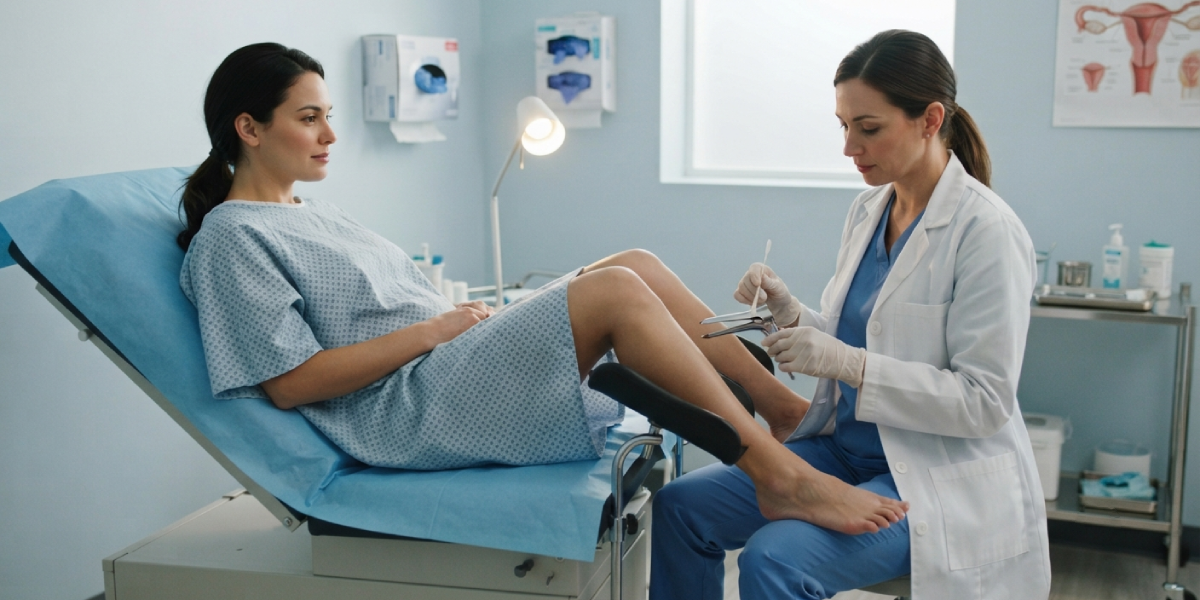
Pap smears, mammograms, bone density scans, and blood panels are not optional extras; they are early-warning systems. Recommended screening schedules vary by age and risk factors, so working with a primary care provider to build a personalized timeline is essential.
Skipping screenings because you feel fine is one of the most common and preventable health mistakes women make.
| Screening | Typical Starting Age | Frequency |
|---|---|---|
| Pap smear / HPV test | 21 | Every 3-5 years |
| Mammogram | 40-50 | Every 1-2 years |
| Bone density scan | 65 (earlier if at risk) | Every 2 years |
| Blood pressure check | 18+ | Annually |
Reproductive Health Changes Throughout Life
From menstruation to fertility planning to menopause, reproductive health is dynamic rather than static. Irregular periods, unusual pain, or unexpected symptoms should never be brushed off as “just part of being a woman.” These can signal conditions like endometriosis or fibroids that respond well to early treatment.
A trusted gynecologist relationship built over time makes it easier to notice when something has genuinely changed.
Maintaining a Healthy Weight Supports Whole-Body Health
Body weight influences hormonal balance, joint health, cardiovascular risk, and metabolic function. Rather than chasing a number on a scale, focus on sustainable habits: balanced nutrition, consistent movement, and adequate sleep.
Understanding where you currently stand is a useful starting point, and our BMI calculator can offer a quick, general reference as part of a broader health picture.
Sleep Quality Is Foundational, Not Optional
Women are more prone to insomnia than men, partly due to hormonal fluctuations across the menstrual cycle and during menopause. Chronic poor sleep is linked to weight gain, weakened immunity, and increased risk of depression.
Prioritizing a consistent sleep schedule and limiting screen exposure before bed are simple, evidence-based steps that yield real improvement.
Pelvic Floor Health Matters at Every Age
Pelvic floor weakness is not limited to women who have given birth. Aging, high-impact exercise, chronic coughing, and even certain genetic factors can contribute. Symptoms like urinary leakage or pelvic pressure are common but not something you have to live with.
Pelvic floor physical therapy and targeted exercises can significantly improve symptoms and quality of life.
Preventive Care Is More Effective Than Reactive Care

The single biggest shift in women’s health outcomes over recent decades has come from preventive care: vaccinations, screenings, lifestyle counseling, and early intervention. Building habits now, including balanced nutrition and regular movement, pays dividends decades later.
Browse our health resources for practical guidance on building sustainable, evidence-based habits.
Building a Personal Health Strategy
No single article can replace personalized medical advice, but understanding these ten areas gives you a strong foundation for conversations with your healthcare provider. Keep a record of your symptoms, screenings, and family health history.
Small, consistent actions, not drastic overhauls, tend to produce the most lasting results in women’s health.
Frequently Asked Questions
What is the most common health issue affecting women?
Heart disease remains the leading cause of death among women, though it is often underdiagnosed due to atypical symptoms.
At what age should women start regular health screenings?
Most screenings, including Pap smears and blood pressure checks, should begin in the early twenties, with additional screenings added as women age.
Why do women experience different heart attack symptoms than men?
Hormonal and physiological differences mean women more often experience nausea, fatigue, and jaw or back pain rather than classic chest pain.
How does menopause affect bone health?
The decline in estrogen during menopause accelerates bone loss, increasing the risk of osteoporosis and fractures.
Is it normal to have irregular periods?
Occasional irregularity can be normal, but persistent changes may indicate underlying conditions and should be evaluated by a doctor.
What role does exercise play in women’s health?
Regular exercise supports cardiovascular health, bone density, mental wellness, and weight management throughout every life stage.
Can pelvic floor issues be treated without surgery?
Yes, many cases improve significantly with targeted pelvic floor exercises and physical therapy before surgical options are considered.
How much sleep do women need for optimal health?
Most adult women need seven to nine hours of quality sleep per night to support hormonal balance and overall health.
Why is mental health screening important for women?
Women face higher rates of depression and anxiety, and conditions like postpartum depression are frequently underdiagnosed without proactive screening.
How can I track my overall health progress at home?
Tools such as a BMI calculator, symptom journals, and regular check-ins with a healthcare provider help track changes over time.