

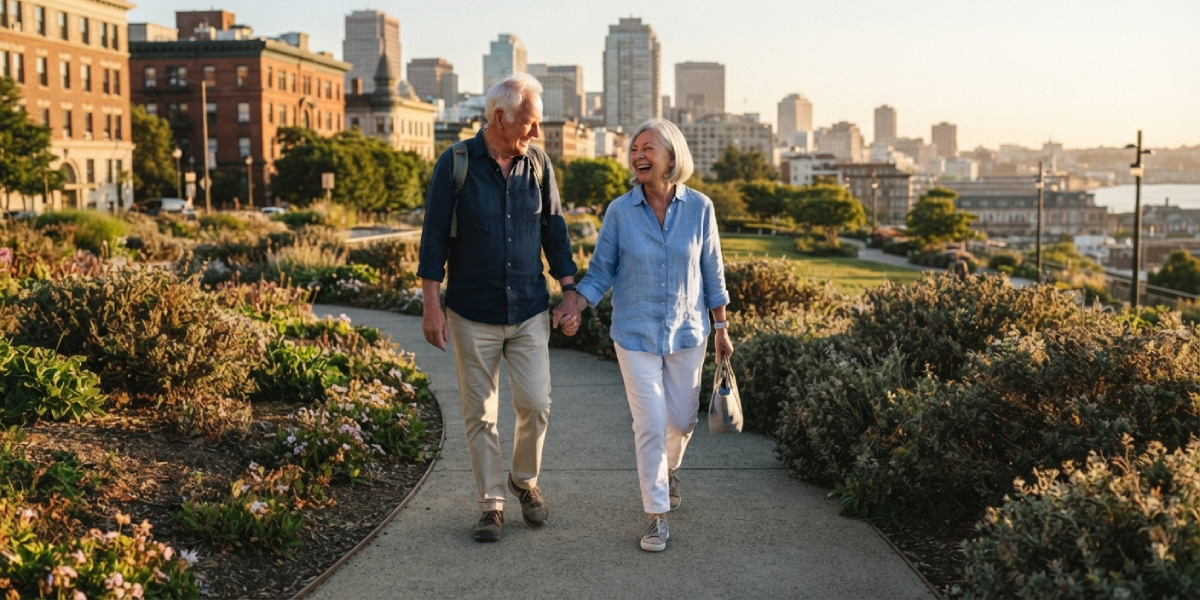
Learning how to age gracefully is one of the most rewarding investments you can make in your future self, and it starts long before your hair turns gray. After years of working with clients and researching longevity science, I’ve seen firsthand that graceful aging isn’t about luck or genetics alone; it’s about daily habits that compound over decades.
Aging is inevitable, but how we age is largely within our control. The choices we make about movement, nutrition, sleep, and mental wellbeing shape not just how many years we live, but how well we live them. This article breaks down the science-backed, practical strategies that genuinely help people age gracefully, without gimmicks or unrealistic promises.
What Does It Mean to Age Gracefully?
Aging gracefully doesn’t mean avoiding wrinkles or pretending you’re not getting older. It means maintaining your physical function, mental sharpness, emotional resilience, and independence as the years go by. It’s the difference between simply adding years to your life and adding life to your years.
People who age gracefully tend to stay mobile, socially engaged, and free from preventable chronic disease well into their later decades.
The Pillars of Healthy Aging
1. Stay Physically Active
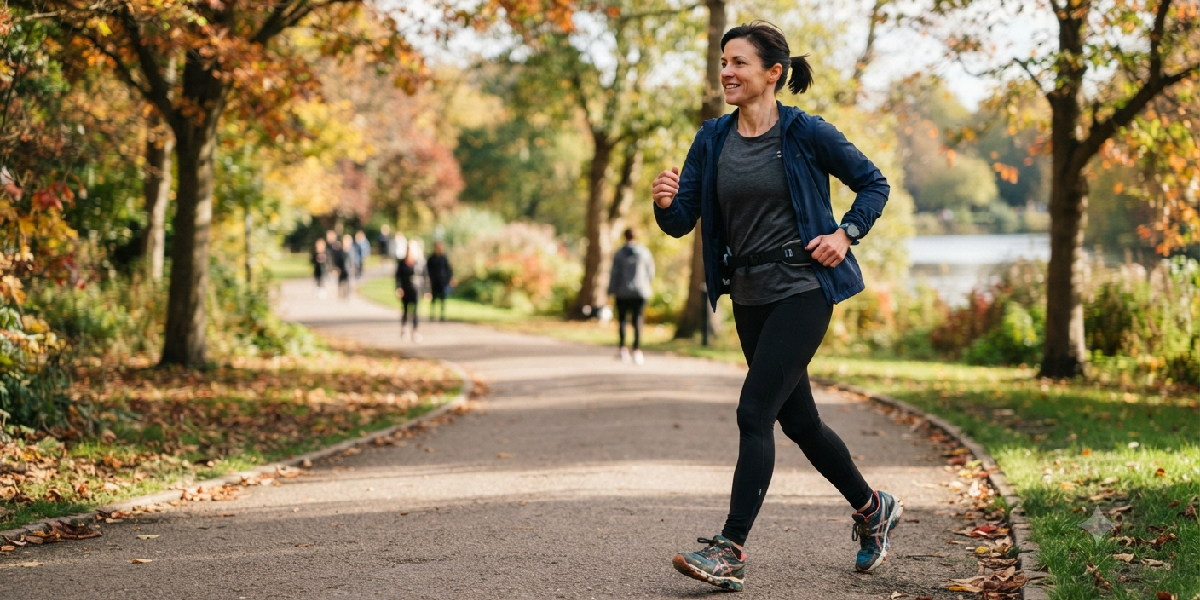
Regular movement is the single most powerful tool for healthy aging. Strength training preserves muscle mass, which naturally declines after age 30 in a process called sarcopenia. Cardiovascular exercise supports heart health, while balance work reduces fall risk, one of the leading causes of injury in older adults.
You don’t need to become a gym fanatic. Walking briskly for 30 minutes most days, combined with two or three strength sessions a week, makes a measurable difference. For structured routines suited to different fitness levels, browsing a dedicated exercise resource can help you build a sustainable plan rather than chasing trends.
2. Prioritize Nutrient-Dense Eating
What you eat directly influences inflammation, energy, and disease risk. A diet centered on vegetables, fruits, lean proteins, whole grains, and healthy fats like olive oil and nuts supports cellular repair and reduces the risk of conditions like heart disease, type 2 diabetes, and certain cancers.
Protein intake deserves special attention as we age, since older adults often need more protein per pound of body weight than younger adults to maintain muscle mass. Aim to include a protein source at every meal, and don’t overlook fiber, which supports digestion and helps regulate blood sugar and cholesterol.
3. Protect Your Sleep
Sleep quality often declines with age, but it remains essential for memory consolidation, hormone regulation, and immune function. Adults generally need seven to eight hours of quality sleep per night. Keeping a consistent sleep schedule, limiting screen time before bed, and avoiding caffeine late in the day can meaningfully improve sleep quality.
4. Keep Your Brain Engaged
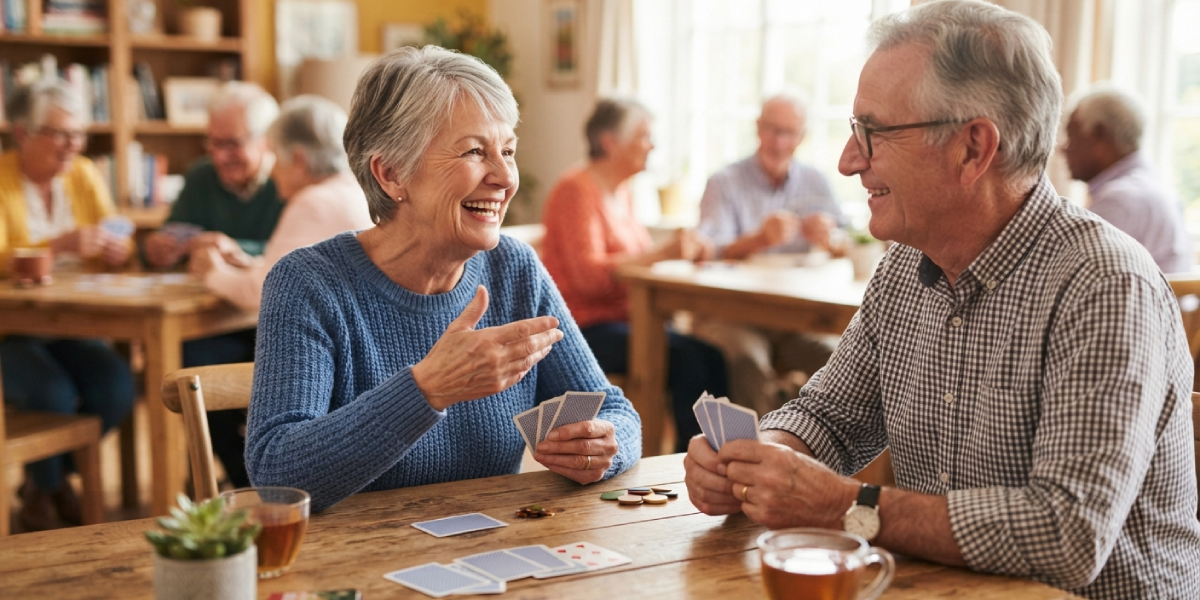
Cognitive decline isn’t an inevitable part of aging for everyone. Activities that challenge the brain, such as learning a new language, playing an instrument, reading, or solving puzzles, help build cognitive reserve. Social interaction also plays a critical role; isolation has been linked to faster cognitive decline and higher mortality risk in older adults.
5. Manage Stress and Mental Health
Chronic stress accelerates biological aging by increasing inflammation and oxidative stress in the body. Practices like meditation, deep breathing, journaling, and spending time outdoors can lower cortisol levels and improve emotional resilience. Maintaining strong relationships and a sense of purpose has also been consistently linked to longer, healthier lives.
Preventive Health Checks That Matter
Aging gracefully also means staying ahead of health issues before they become serious. Regular screenings for blood pressure, cholesterol, blood sugar, bone density, and certain cancers allow for early intervention. Don’t skip annual physicals, dental checkups, and vision or hearing tests, as these often catch issues that affect quality of life long before symptoms become obvious.
Tracking your overall health status over time is easier when you understand basic metrics like body composition. Using a reliable BMI calculator can give you a quick reference point, though it should be considered alongside other health markers rather than as a standalone measure of wellness.
Skin and Physical Appearance: The Honest Truth
While graceful aging is about much more than appearance, many people also want to maintain healthy-looking skin. Daily sun protection with SPF 30 or higher is the most evidence-backed way to prevent premature skin aging. Staying hydrated, avoiding smoking, and limiting alcohol intake also support skin elasticity and overall vitality.
Be wary of products promising overnight miracles; consistent, basic skincare habits outperform expensive treatments over the long term.
Building Sustainable Habits, Not Quick Fixes
One mistake people make when trying to age gracefully is chasing short-term fixes instead of building sustainable routines. Crash diets, extreme workout programs, and trendy supplements rarely deliver lasting results and can sometimes do more harm than good. Instead, focus on small, consistent changes you can maintain for years, not weeks.
For broader guidance on building a balanced lifestyle that supports long-term wellbeing, exploring a comprehensive health resource hub can provide additional context on nutrition, prevention, and lifestyle habits that work together rather than in isolation.
| Habit | Why It Matters | Practical Tip |
|---|---|---|
| Strength training | Preserves muscle and bone density | 2 to 3 sessions per week |
| Balanced diet | Reduces inflammation and disease risk | Include protein and fiber daily |
| Quality sleep | Supports memory and hormone balance | Consistent 7 to 8 hour schedule |
| Social connection | Protects cognitive and emotional health | Regular contact with friends or family |
| Preventive screenings | Catches issues early | Annual checkups and relevant tests |
Frequently Asked Questions
What is the best age to start focusing on healthy aging?
There’s no single starting age, but habits formed in your 20s and 30s, such as strength training and balanced eating, have a compounding effect over decades. That said, it’s never too late to start; meaningful improvements in health and function are possible at any age.
Can exercise really reverse signs of aging?
Exercise can’t reverse the calendar, but it significantly slows the decline in muscle mass, bone density, and cardiovascular function associated with aging. Many physiological markers in active older adults closely resemble those of much younger, sedentary individuals.
How much protein do older adults need?
Many experts recommend older adults consume more protein per pound of body weight than younger adults, often in the range of 1.0 to 1.2 grams per kilogram of body weight daily, to help offset age-related muscle loss. Individual needs vary, so consulting a healthcare provider is recommended.
Does diet affect how quickly we age?
Yes. Diets high in processed foods and added sugar accelerate inflammation and oxidative stress, both linked to faster biological aging. Whole-food, plant-rich diets are consistently associated with longer, healthier lifespans.
Is it normal to lose muscle mass as I age?
Some muscle loss, known as sarcopenia, is common after age 30 without intervention. However, regular strength training can significantly slow or even partially reverse this process at any age.
How important is sleep for healthy aging?
Sleep is critical. Poor sleep is linked to cognitive decline, weakened immunity, and increased risk of chronic disease. Prioritizing consistent, quality sleep is one of the most underrated aging strategies.
Can stress actually speed up the aging process?
Chronic stress has been linked to shortened telomeres, a marker associated with cellular aging, as well as increased inflammation. Managing stress through relaxation techniques and social support can help protect long-term health.
What role does social connection play in aging well?
Strong social ties are associated with lower rates of depression, slower cognitive decline, and even longer lifespans. Isolation, on the other hand, is considered a significant risk factor for poor health outcomes in older adults.
Should I take supplements to age gracefully?
Whole foods should be the foundation of your nutrition. Some supplements, like vitamin D or B12, may be appropriate for specific deficiencies, but they should be used under guidance from a healthcare provider rather than as a substitute for a healthy lifestyle.