

Knowing what to do if you think you’re having a stroke could be the difference between a full recovery and permanent disability. Every second your brain is deprived of oxygen during a stroke, roughly 1.9 million neurons die. That is not a statistic designed to frighten you — it is a call to act fast, act smart, and act now.
Stroke is one of the leading causes of death and long-term disability worldwide. Yet many people who experience one wait hours before seeking help, either because they do not recognize the symptoms or because they hope the feeling will pass.
This guide gives you the clear, evidence-based knowledge you need to recognize a stroke, respond immediately, and understand what happens next.
Understanding What a Stroke Actually Is
A stroke occurs when blood supply to part of the brain is cut off or significantly reduced. Brain cells begin to die within minutes because they cannot survive without the oxygen and nutrients blood carries. There are two primary types.
An ischemic stroke is the most common, accounting for about 87 percent of all strokes. It happens when a blood clot blocks an artery supplying the brain. A hemorrhagic stroke occurs when a weakened blood vessel ruptures and bleeds into or around the brain. Both are medical emergencies. Both require immediate intervention.
A transient ischemic attack (TIA), sometimes called a mini-stroke, produces stroke-like symptoms that resolve within minutes to hours. It should never be ignored. A TIA is a serious warning that a full stroke may follow, often within 48 hours.
Recognizing the Warning Signs: The FAST Method
The FAST acronym is the most widely taught and medically endorsed tool for identifying stroke symptoms quickly. Medical professionals and public health organizations around the world use it as the standard for stroke recognition.
- F — Face drooping: Ask the person to smile. Does one side of the face droop or appear uneven? Is the smile lopsided?
- A — Arm weakness: Ask the person to raise both arms. Does one arm drift downward or feel weak?
- S — Speech difficulty: Ask the person to repeat a simple sentence. Is their speech slurred, garbled, or hard to understand?
- T — Time to call emergency services: If you observe any of these signs, call your local emergency number immediately. Note the exact time symptoms began.
Some medical authorities have expanded this to BE-FAST, adding two earlier indicators:
- B — Balance: Sudden loss of balance or coordination, especially when combined with other symptoms.
- E — Eyes: Sudden vision changes in one or both eyes, including blurred vision, double vision, or sudden loss of sight.
Additional Stroke Symptoms You Should Not Ignore
Beyond the FAST warning signs, strokes can present in other ways that are less commonly recognized. These include:
- A sudden, severe headache with no known cause — often described as the worst headache of a person’s life
- Sudden numbness or weakness in the face, arm, or leg, particularly on one side of the body
- Sudden confusion or trouble understanding what others are saying
- Sudden difficulty walking, dizziness, or loss of coordination
- Sudden trouble swallowing
These symptoms can appear alone or in combination. Even if only one is present and it resolves on its own, you should still seek immediate medical attention. Do not assume it was nothing.
What to Do If You Think You’re Having a Stroke
If you or someone around you experiences any stroke symptoms, take these steps immediately. Do not wait to see if the symptoms improve on their own.
Step 1: Call Emergency Services Right Away
This is the single most important action. Call your country’s emergency number — 911 in the United States, 999 in the United Kingdom, 112 in Europe, or 911 in the Philippines — without delay. Emergency medical teams are trained to begin stroke assessment and treatment on the way to the hospital.
Arriving by ambulance also means hospital staff are prepared and waiting for you.
Step 2: Note the Time Symptoms Started
Time of symptom onset is critical medical information. Clot-dissolving medication called tPA (tissue plasminogen activator) can be administered intravenously, but only within a narrow time window — typically up to 4.5 hours from symptom onset for eligible patients.
Mechanical thrombectomy, a procedure to physically remove a clot, may be available up to 24 hours in selected patients. Doctors need to know exactly when symptoms began to determine which treatments are safe.
Step 3: Do Not Drive Yourself
Even if you feel capable of driving, you should not attempt it. Stroke symptoms can worsen rapidly and unpredictably. You could lose control of a vehicle and put yourself and others at risk. Wait for emergency services or have someone drive you directly to the nearest hospital with a stroke unit.
Step 4: Do Not Eat or Drink Anything
Stroke can impair swallowing. Eating or drinking before medical assessment increases the risk of aspiration — inhaling food or liquid into the lungs — which can cause serious complications. Keep the person calm and positioned safely.
Step 5: Do Not Take Aspirin Without Medical Advice
Many people assume they should take aspirin during a suspected stroke the way they might during a heart attack. This can be dangerous. If the stroke is hemorrhagic — caused by bleeding — aspirin will make things significantly worse. Only medical professionals can determine the stroke type and prescribe appropriate treatment.
Step 6: Stay Calm and Keep the Person Comfortable
If someone else is having a stroke, help them sit or lie down in a safe, comfortable position. Loosen any tight clothing. Do not give them food or water. Talk to them calmly and reassuringly. If they lose consciousness and are not breathing normally, begin CPR if you are trained to do so, and stay on the line with emergency services.
What Happens at the Hospital
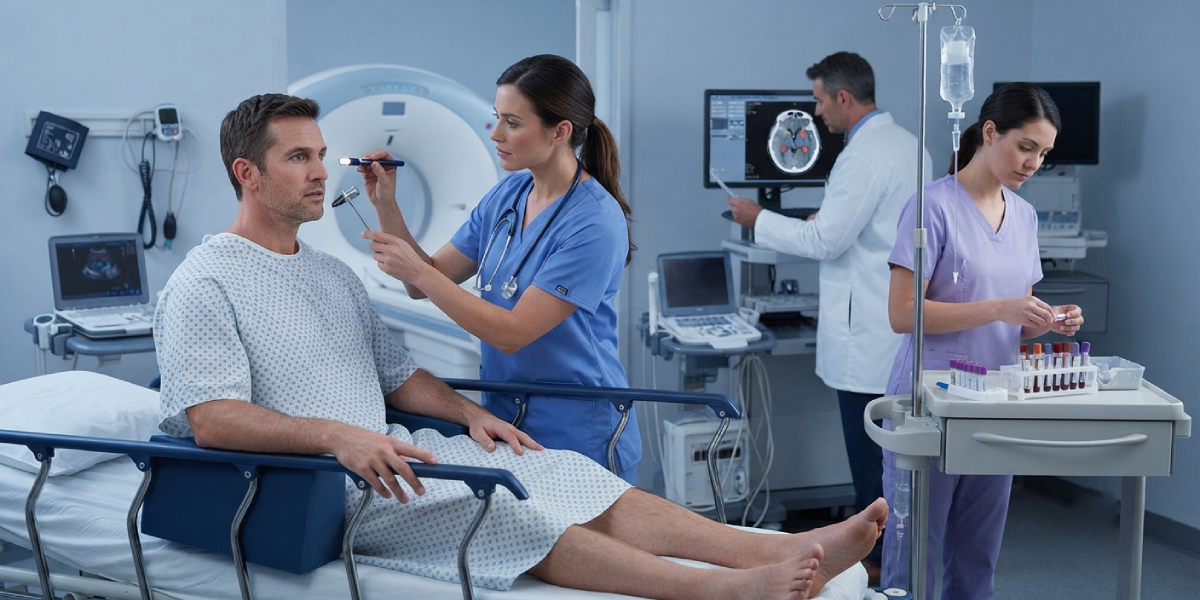
When you arrive at the emergency department, a stroke team will act quickly. You can expect a series of rapid assessments including a neurological evaluation, blood tests, and brain imaging — typically a CT scan or MRI — to determine the type of stroke and identify the affected area of the brain.
For ischemic stroke, the priority is restoring blood flow as quickly as possible. This may involve intravenous tPA, mechanical thrombectomy, or a combination of both. For hemorrhagic stroke, treatment focuses on controlling bleeding and reducing pressure on the brain, which may require surgery.
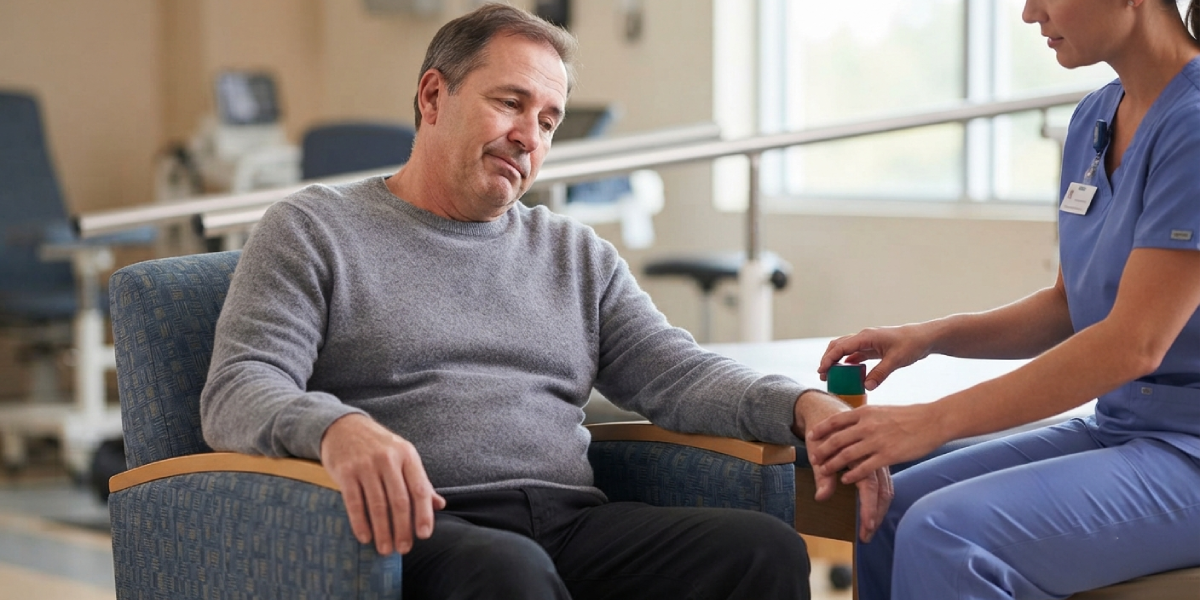
After the emergency phase, rehabilitation begins as soon as the patient is medically stable. Physical therapy, occupational therapy, and speech therapy are often part of recovery. Maintaining good overall health habits before and after a stroke plays a major role in long-term outcomes.
Risk Factors You Can Control
Understanding your stroke risk is a vital part of prevention. Many risk factors are modifiable, meaning lifestyle changes can significantly reduce your chances of having a stroke.
- High blood pressure is the single most significant controllable risk factor for stroke. Keeping it in a healthy range through diet, exercise, and medication if needed is essential.
- Smoking nearly doubles the risk of ischemic stroke. Quitting smoking is one of the most impactful health decisions you can make.
- Physical inactivity contributes to high blood pressure, obesity, and diabetes — all of which increase stroke risk. Incorporating regular exercise routines into your week is a proven protective measure.
- Atrial fibrillation (AFib) is an irregular heart rhythm that increases stroke risk by up to five times. It is often undetected until a stroke occurs.
- Diabetes damages blood vessels over time, increasing stroke risk significantly.
- Obesity raises risk through its links to hypertension, diabetes, and inflammation.
- High cholesterol contributes to the buildup of plaques in arteries that can lead to clots.
- Excessive alcohol consumption raises blood pressure and increases the risk of hemorrhagic stroke.
You can use a BMI calculator to assess whether your current body weight puts you in a higher risk category, and speak with your healthcare provider about a personalised risk reduction plan.
Stroke vs. Heart Attack: Understanding the Difference
Strokes and heart attacks share some similarities — both involve blocked blood flow to vital organs — but they are distinct emergencies with different symptoms and treatments. A heart attack affects the heart muscle and typically causes chest pain, pressure, shortness of breath, and pain radiating to the arm or jaw.
A stroke affects the brain and presents with the neurological symptoms described above: facial drooping, arm weakness, speech difficulty, vision changes, and severe headache.
Knowing the difference matters because the treatments are different. Calling emergency services and describing your symptoms accurately helps dispatchers and medical teams prepare the right response before you arrive.
Recovery After a Stroke: What to Expect
Stroke recovery varies widely depending on the location and severity of the brain injury, the speed of treatment, the patient’s age, and overall health. Some people recover fully within weeks. Others experience lasting effects that require months or years of rehabilitation.
Common areas affected after a stroke include mobility, speech and language, memory, and emotional regulation. Rehabilitation programmes are tailored to each person’s specific deficits. The brain has remarkable capacity for neuroplasticity — the ability to form new connections and adapt — especially with early, consistent therapy.
Family and caregiver support plays a critical role in recovery. So does a healthy lifestyle. Eating a balanced diet, staying active within your capability, managing medications, and attending follow-up appointments all contribute to a better outcome and reduce the risk of a second stroke.
Frequently Asked Questions
What is the very first thing I should do if I think I am having a stroke?
Call emergency services immediately. Do not wait to see if symptoms improve. Every minute matters, and arriving by ambulance gives you faster access to treatment and allows hospital teams to prepare before you arrive.
Can stroke symptoms come and go and still be serious?
Yes. Symptoms that appear and then resolve may indicate a transient ischemic attack (TIA), which is often a warning sign of a full stroke to come. Even if you feel normal again, you must seek emergency medical evaluation right away.
Is it safe to take aspirin if I think I am having a stroke?
No, not without medical guidance. If the stroke is caused by bleeding in the brain rather than a clot, aspirin can worsen the situation significantly. Only medical professionals can determine which type of stroke you are having and what medication is appropriate.
How long do I have to receive stroke treatment?
The clot-dissolving medication tPA can typically be given within 4.5 hours of symptom onset for eligible patients. Mechanical clot removal may be possible up to 24 hours in selected cases. The sooner treatment begins, the better the chance of recovery, which is why calling emergency services immediately is critical.
What does a stroke headache feel like?
A stroke headache — most often associated with hemorrhagic stroke — is typically described as the worst headache of a person’s life. It comes on suddenly and severely, often with no clear trigger. If you experience this type of headache, treat it as a medical emergency.
Can a young and healthy person have a stroke?
Yes. While stroke risk increases with age, strokes can and do occur in children, teenagers, and young adults. Contributing factors in younger people can include undetected heart conditions, blood clotting disorders, drug use, migraines with aura, and trauma to the neck arteries.
What are the long-term effects of a stroke?
Effects depend on which part of the brain was affected and how quickly treatment was received. They can include weakness or paralysis on one side of the body, difficulty speaking or understanding language, memory problems, difficulty swallowing, emotional changes, and fatigue. Many effects improve significantly with dedicated rehabilitation.
How can I reduce my risk of having a stroke?
Key prevention strategies include managing blood pressure, not smoking, maintaining a healthy weight, exercising regularly, controlling diabetes and cholesterol, limiting alcohol, and following up with your doctor regularly. If you have atrial fibrillation, working with a cardiologist to manage it is particularly important.
Should I call an ambulance or drive to the hospital myself?
Always call an ambulance. Emergency medical teams can begin assessment and treatment on the way to the hospital, and your arrival by ambulance triggers a faster response from stroke teams. Driving yourself is dangerous because symptoms can worsen without warning.
What is the difference between a stroke and a TIA?
A TIA, or transient ischemic attack, produces the same symptoms as a stroke but they resolve within minutes to hours without permanent damage. However, a TIA is a serious warning sign that a full stroke is likely if action is not taken. It requires the same urgent medical evaluation as a stroke.