

Managing Parkinson’s disease symptoms effectively can make a profound difference in daily life, and with the right strategies, many people continue to live actively and meaningfully after diagnosis. This guide explores practical, evidence-based approaches to help you or a loved one navigate life with Parkinson’s disease, from medical treatments to lifestyle adjustments that support long-term well-being.
Understanding Parkinson’s Disease and Its Core Symptoms
Parkinson’s disease is a progressive neurological disorder that primarily affects movement. It occurs when neurons in a region of the brain called the substantia nigra begin to break down or die, reducing the production of dopamine — a chemical messenger that plays a key role in coordinating smooth, controlled movements.
The four hallmark motor symptoms of Parkinson’s disease are tremor (involuntary shaking, often starting in one hand), bradykinesia (slowness of movement), muscle rigidity, and postural instability. However, Parkinson’s also brings non-motor symptoms that can be just as challenging, including sleep disturbances, depression, anxiety, cognitive changes, fatigue, and digestive issues.
No two people experience Parkinson’s in exactly the same way. Symptoms vary in type, severity, and progression, which is why individualized management plans are essential.
Medical Management: Medications and Therapies
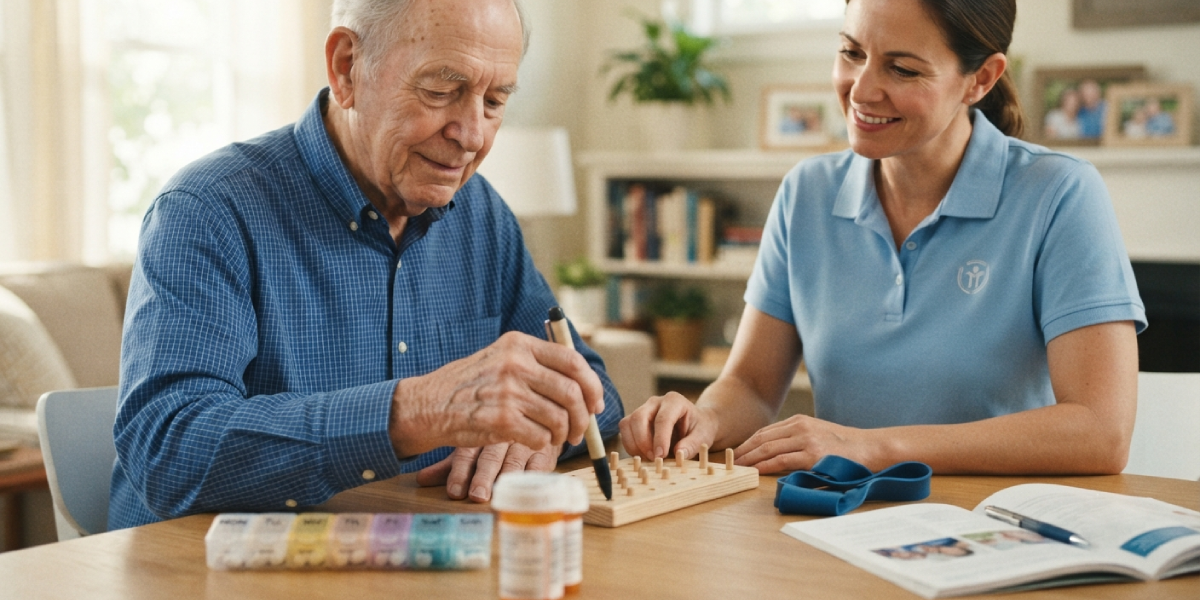
Medication remains the cornerstone of Parkinson’s disease symptom management. The most widely used and effective drug is levodopa, typically combined with carbidopa to enhance its effectiveness and reduce side effects. Levodopa works by converting to dopamine in the brain, helping to restore more normal movement patterns.
Other medications used alongside or instead of levodopa include dopamine agonists, MAO-B inhibitors, COMT inhibitors, and anticholinergics. Each works through different mechanisms to either supplement dopamine activity or reduce the breakdown of what dopamine the brain still produces.
As Parkinson’s progresses, some individuals experience motor fluctuations — periods where medications wear off before the next dose is due, causing symptoms to return. Working closely with a neurologist or movement disorder specialist is critical to fine-tuning medication timing, dosages, and combinations to minimize these fluctuations.
For those with advanced Parkinson’s who no longer respond adequately to oral medications, deep brain stimulation (DBS) is a surgical option. DBS involves implanting electrodes in specific brain regions to deliver controlled electrical impulses that help regulate abnormal neural activity. It does not cure Parkinson’s but can significantly reduce motor symptoms for suitable candidates.
The Essential Role of Exercise in Managing Parkinson’s Symptoms
Exercise is one of the most powerful non-medical tools available for managing Parkinson’s disease symptoms. Research consistently shows that regular physical activity can slow symptom progression, improve motor function, enhance balance, and support cognitive health in people with Parkinson’s.
Aerobic exercise — including walking, cycling, swimming, and dancing — helps stimulate neuroplasticity, encouraging the brain to form new neural pathways that compensate for damaged ones. Strength training helps counteract muscle rigidity and weakness, while flexibility exercises improve range of motion and reduce stiffness.
Balance and gait training are particularly important because falls are a major risk for people with Parkinson’s. Programs such as tai chi, yoga, and the LSVT BIG therapy — a specialized physical therapy program designed specifically for Parkinson’s — have demonstrated meaningful improvements in balance, stride length, and walking speed.
Exploring a range of structured exercise routines can help you find activities that match your current abilities and keep you motivated over the long term. Even gentle, consistent movement each day makes a measurable difference in overall function and quality of life.
Nutrition and Diet: Supporting Your Brain and Body
While no specific diet has been proven to treat Parkinson’s disease, nutrition plays a meaningful supporting role in symptom management and overall health. A well-balanced diet can help maintain a healthy weight, support gut health, reduce inflammation, and even interact positively with medication effectiveness.
Protein intake is an important consideration for people taking levodopa. High-protein meals can interfere with the absorption of levodopa in the gut and brain, potentially reducing its effectiveness. Many neurologists recommend spacing protein consumption away from medication doses — for example, consuming most daily protein at dinner rather than throughout the day.
Constipation is a common non-motor symptom of Parkinson’s, partly because dopamine also plays a role in regulating gut movement. Increasing fiber intake through fruits, vegetables, legumes, and whole grains, along with adequate hydration, can help manage digestive issues effectively.
Antioxidant-rich foods — such as berries, leafy greens, nuts, and olive oil — are associated with brain health and reduced oxidative stress, which may play a role in neurodegeneration. The Mediterranean-style diet, which emphasizes these foods, is widely regarded as supportive of neurological health.
Maintaining a healthy body weight is also relevant. Using a BMI calculator can help you monitor your weight and work with your healthcare team to address any unintentional weight loss or gain, both of which can affect Parkinson’s management.
Speech and Swallowing Challenges
Parkinson’s disease often affects the muscles involved in speaking and swallowing. Many people develop hypophonia — a soft, monotone voice — as well as difficulty articulating words clearly. Dysphagia, or difficulty swallowing, can lead to aspiration pneumonia if not addressed.
Speech-language therapy is highly effective for these issues. The LSVT LOUD program, for example, is a research-backed speech therapy protocol specifically designed for Parkinson’s that trains individuals to use a louder, stronger voice through intensive practice. Regular sessions with a qualified speech-language pathologist can maintain communication abilities and ensure safe eating and drinking.
Managing Non-Motor Symptoms
Non-motor symptoms of Parkinson’s are often underrecognized but can significantly impact quality of life. Depression and anxiety affect a large proportion of people with Parkinson’s and are believed to be partly driven by the same dopamine deficiency that causes motor symptoms. Treating these conditions with antidepressants, therapy, social support, and exercise is an important component of comprehensive care.
Sleep disturbances — including insomnia, REM sleep behavior disorder, and excessive daytime sleepiness — are also common. Maintaining consistent sleep and wake times, avoiding caffeine and alcohol in the evening, and discussing sleep aids or medication adjustments with a doctor can improve sleep quality considerably.
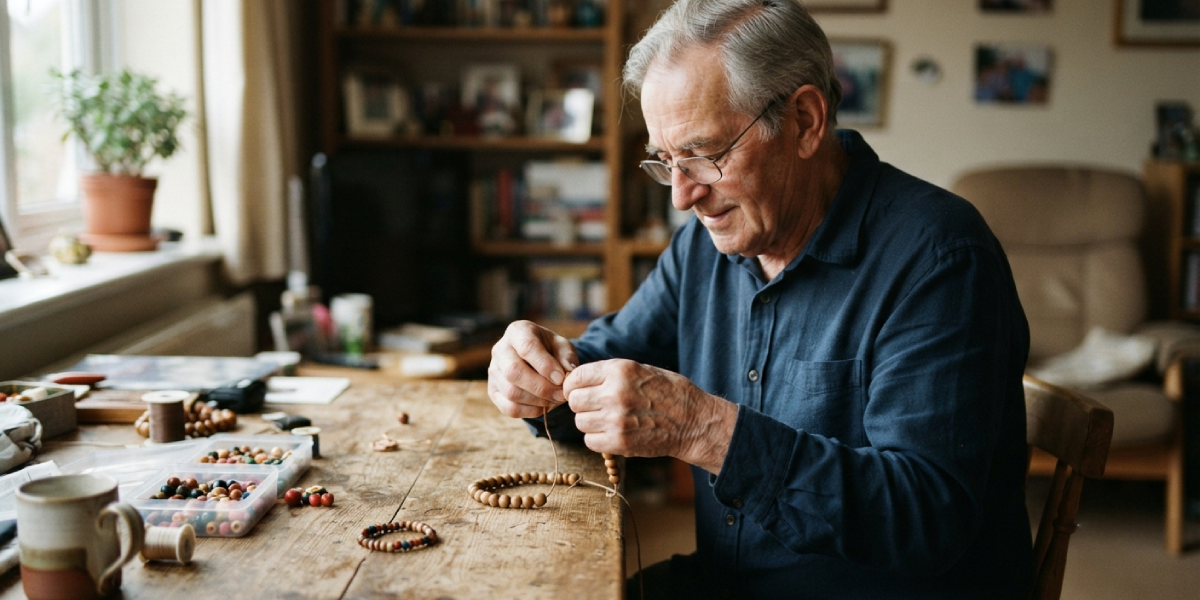
Cognitive changes such as memory difficulties and slowed thinking become more prevalent as Parkinson’s progresses. Staying mentally active through puzzles, reading, learning new skills, and social engagement supports cognitive resilience. In some cases, medication may be prescribed to address more significant cognitive symptoms.
Assistive Devices and Home Modifications
Adapting the home environment and using assistive devices can dramatically improve safety and independence for people with Parkinson’s. Common helpful modifications include installing grab bars in bathrooms, removing trip hazards such as loose rugs, improving lighting throughout the home, and using non-slip mats in the kitchen and bathroom.
Adaptive tools such as weighted utensils, button hooks, voice-activated devices, and large-button phones help manage fine motor challenges. Occupational therapists specialize in assessing individual needs and recommending practical adaptations tailored to each person’s stage of Parkinson’s.
The Importance of Mental and Emotional Well-Being
Living with a chronic, progressive condition like Parkinson’s disease takes an emotional toll. Feelings of grief, frustration, and uncertainty are entirely normal and should be acknowledged rather than suppressed. Support groups — both in-person and online — connect people with Parkinson’s and their caregivers with others who truly understand the experience.
Psychotherapy, particularly cognitive behavioral therapy (CBT), has been shown to help manage depression and anxiety related to Parkinson’s. Mindfulness practices, meditation, and relaxation techniques can reduce stress and improve overall mood.
Caregiver well-being matters just as much. Family members and caregivers who support someone with Parkinson’s should also seek their own support, respite, and education to sustain their ability to provide effective care over time. A strong foundation of health knowledge is essential — exploring reliable health resources can help both patients and caregivers stay informed and empowered throughout the journey.
Building Your Care Team
Comprehensive Parkinson’s management works best as a team effort. A movement disorder specialist — a neurologist with specific expertise in Parkinson’s — should be at the center of your care. Complementing this are physical therapists, occupational therapists, speech-language pathologists, dietitians, mental health professionals, and social workers.
Regular follow-up appointments allow your team to monitor symptom changes, adjust treatments, and address new concerns promptly. Keeping a symptom diary — noting when symptoms are better or worse, medication timing, sleep patterns, and mood — gives your care team valuable real-world data to guide decisions.
Frequently Asked Questions
What are the earliest signs of Parkinson’s disease?
Early signs often include a slight tremor in one hand, reduced sense of smell, small changes in handwriting (micrographia), stiffness in limbs, a soft or monotone voice, and sleep disturbances such as acting out dreams. These early symptoms can be subtle and are sometimes attributed to aging.
Can Parkinson’s disease be cured?
There is currently no cure for Parkinson’s disease. However, treatments including medications, surgery, and therapies can significantly reduce symptoms and help people maintain a good quality of life for many years after diagnosis.
How does exercise help manage Parkinson’s symptoms?
Exercise promotes neuroplasticity, helping the brain compensate for lost dopamine-producing neurons. It improves balance, strength, flexibility, and gait, reduces rigidity, and supports mood and cognitive function. Research shows regular physical activity can slow symptom progression.
Is Parkinson’s disease hereditary?
Most cases of Parkinson’s are not directly inherited, but genetics do play a role. Certain gene mutations (such as LRRK2 and PARK7) are linked to familial Parkinson’s. Having a first-degree relative with Parkinson’s slightly increases risk, but the majority of cases are considered sporadic.
What foods should people with Parkinson’s avoid?
People taking levodopa should be mindful of consuming large amounts of protein near medication doses, as it can reduce drug absorption. Highly processed foods, excess sugar, and alcohol may worsen inflammation and fatigue. A fiber-rich, antioxidant-heavy diet is generally recommended.
What is deep brain stimulation and who is it for?
Deep brain stimulation (DBS) is a surgical procedure that implants electrodes in specific brain regions to regulate abnormal neural activity. It is generally recommended for people with advanced Parkinson’s who experience significant motor fluctuations or tremors that no longer respond well to medication.
How can Parkinson’s patients improve their balance and prevent falls?
Balance training through tai chi, yoga, and physical therapy programs like LSVT BIG can significantly reduce fall risk. Home safety modifications such as grab bars, improved lighting, and removal of floor hazards are equally important. A physical therapist can assess individual gait and balance issues.
Can mental health issues be part of Parkinson’s disease?
Yes. Depression, anxiety, apathy, and cognitive changes are recognized non-motor symptoms of Parkinson’s, linked to the same neurochemical changes that cause motor symptoms. These conditions are treatable through medication, psychotherapy, exercise, and social support, and should be addressed as part of comprehensive care.
How does diet affect Parkinson’s medications?
High-protein foods can compete with levodopa for absorption in the digestive tract and across the blood-brain barrier, potentially reducing its effectiveness. Many specialists recommend eating most protein at dinner or separating protein intake from medication doses by at least 30 to 60 minutes.
When should someone with Parkinson’s see a movement disorder specialist?
Ideally, anyone newly diagnosed with Parkinson’s should be seen by a movement disorder specialist as soon as possible. These neurologists have advanced training specific to Parkinson’s and related conditions and are best positioned to create individualized treatment plans, manage medication adjustments, and monitor disease progression accurately.