

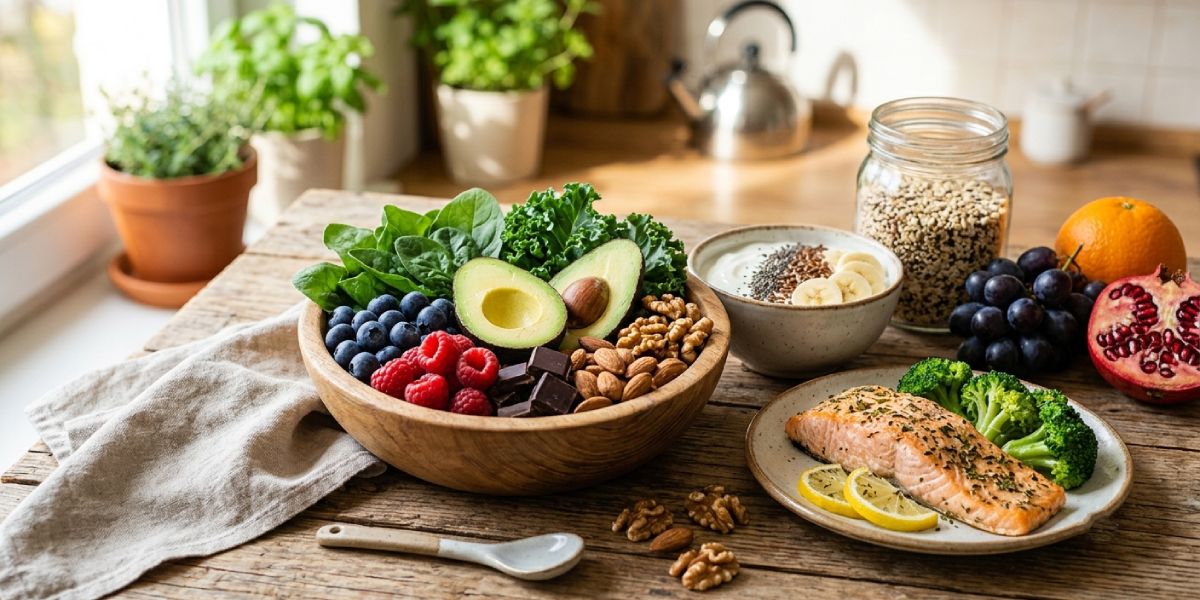
The best foods to eat for your mental health are closer to your plate than you might think. What you eat every single day has a profound and measurable impact on how you feel, think, and cope with the demands of modern life. Research in nutritional psychiatry has made it increasingly clear that the gut and the brain are in constant communication, and the quality of that conversation depends largely on what you feed it.
This article breaks down the most powerful, evidence-based foods for supporting mental wellness, reducing anxiety, improving mood, and protecting long-term cognitive function. Whether you are managing stress, recovering from burnout, or simply looking to feel sharper and more emotionally resilient, what is on your fork matters more than most people realize.
Why Food and Mental Health Are Deeply Connected
The gut-brain axis is one of the most significant discoveries in modern neuroscience. Your digestive system is home to trillions of microorganisms that produce neurotransmitters, including roughly 90 percent of your body’s serotonin. Serotonin is the key chemical messenger that stabilizes mood, promotes feelings of well-being, and regulates sleep and appetite.
When your gut microbiome is diverse and well-nourished, the signals it sends to your brain are clearer and more balanced. When it is compromised by a diet high in ultra-processed foods, refined sugars, and inflammatory fats, the downstream effects on mood, focus, and emotional regulation can be significant.
Chronic inflammation driven by poor diet has been consistently linked to higher rates of depression and anxiety in large-scale population studies.
The encouraging news is that dietary changes can produce measurable improvements in mental health symptoms in a matter of weeks. You do not need a complete dietary overhaul overnight. Strategic additions of key foods can begin shifting your mental landscape relatively quickly.
Fatty Fish: The Brain’s Favorite Fuel
Fatty fish such as salmon, sardines, mackerel, and trout are among the most powerful foods for mental health available. They are rich in omega-3 fatty acids, particularly EPA and DHA, which are essential structural components of brain cell membranes.
These fatty acids support the transmission of signals between neurons and have a well-documented anti-inflammatory effect on the brain.
Multiple clinical studies have found that populations with higher fish consumption tend to have lower rates of depression. Omega-3 supplementation has also shown promise in reducing symptoms of major depressive disorder, bipolar disorder, and anxiety.
Aim for two to three servings of fatty fish per week to maintain adequate levels of these critical fats.
Leafy Greens: Folate, Fiber, and Focus
Spinach, kale, Swiss chard, and romaine lettuce are nutritional powerhouses for the mind. They are particularly high in folate, a B vitamin that plays a critical role in the production of dopamine and serotonin. Low folate levels have been strongly associated with depression and cognitive decline.
Leafy greens also provide magnesium, an essential mineral that many adults are chronically deficient in. Magnesium helps regulate the nervous system and has been shown in research to have a calming effect on anxiety. The fiber in these vegetables also feeds beneficial gut bacteria, reinforcing that all-important gut-brain connection.
Fermented Foods: Feeding Your Gut for a Better Mood
Yogurt, kefir, sauerkraut, kimchi, miso, and kombucha are all fermented foods that introduce beneficial live bacteria into your digestive system. These probiotics help maintain a healthy and diverse microbiome, which in turn supports mental health through multiple pathways.
Studies have shown that probiotic-rich diets are associated with reduced symptoms of depression and anxiety. The mechanism is well-grounded: a healthier gut produces more serotonin, communicates more effectively with the vagus nerve, and reduces systemic inflammation. Including at least one fermented food daily is a simple and enjoyable way to support your psychological well-being.
Berries: Antioxidants That Protect the Brain
Blueberries, strawberries, raspberries, and blackberries are loaded with flavonoids and antioxidants that combat oxidative stress in the brain. Oxidative damage is a known contributor to neuroinflammation, which underlies many mood and cognitive disorders.
The anthocyanins in blueberries in particular have been shown to improve memory, reduce cognitive decline with age, and lower markers of depression in several controlled studies.
Berries are also relatively low in sugar compared to other fruits, making them suitable for blood sugar management. Erratic blood sugar levels are closely tied to mood swings, irritability, and energy crashes that can amplify feelings of anxiety and low mood.
Nuts and Seeds: Small Foods With Major Mental Benefits
Walnuts, almonds, pumpkin seeds, flaxseeds, and chia seeds are dense with nutrients that support brain health. Walnuts in particular stand out because they are one of the few plant-based sources of ALA, a precursor to the omega-3 fatty acids EPA and DHA.
They also contain polyphenols, vitamin E, and melatonin, all of which benefit cognitive function and emotional stability.
Pumpkin seeds are an excellent source of zinc and magnesium, two minerals with well-established roles in regulating mood and reducing anxiety. A small daily handful of mixed nuts and seeds can make a meaningful difference in how you feel, especially when replacing less nutritious snack options.
Dark Chocolate: A Science-Backed Mood Booster
Dark chocolate with a cocoa content of 70 percent or higher contains flavonoids that increase blood flow to the brain and support the production of endorphins. It also provides small amounts of caffeine and theobromine for a gentle lift in energy and focus, along with magnesium and tryptophan, the amino acid precursor to serotonin.
Research published in peer-reviewed nutrition journals has found that regular moderate consumption of dark chocolate is associated with reduced symptoms of depression and improved mood. One to two squares per day is sufficient to enjoy these benefits without excessive calorie intake.
Eggs: A Complete Package for Cognitive Health
Eggs contain choline, a nutrient that many people do not get enough of, which is essential for the synthesis of acetylcholine, a neurotransmitter involved in memory and mood regulation. They also provide B12, vitamin D, and tryptophan, making them one of the most complete single foods for mental health support.
Vitamin D deficiency is strongly linked to depression and seasonal mood disorders. Because eggs are one of the few dietary sources of vitamin D, they deserve a regular place on your plate. Two whole eggs several times a week provides a significant nutritional contribution to your mental wellness routine.
Whole Grains: Sustained Energy for a Stable Mood
Oats, brown rice, quinoa, and whole wheat bread provide complex carbohydrates that release glucose slowly into the bloodstream. This slow release keeps blood sugar stable and provides a consistent supply of energy to the brain, helping to prevent the mood dips associated with glucose spikes and crashes.
Oats in particular are rich in beta-glucan, a soluble fiber that feeds beneficial gut bacteria and has been shown to reduce markers of anxiety. They are also a good source of B vitamins, which are essential for the production of neurotransmitters.
Pairing whole grains with protein and healthy fats at each meal creates a foundation for sustained mental clarity throughout the day.
Building a Mental Health Diet: Practical Daily Strategies

Understanding the best foods for mental health is only part of the picture. How you eat matters as much as what you eat. Eating at consistent times, minimizing ultra-processed foods, limiting alcohol, staying adequately hydrated, and reducing added sugar all work together to create the internal environment in which your brain can function at its best.
Combining a brain-supportive diet with regular physical movement amplifies the benefits significantly. Structured exercise routines have been shown to increase BDNF, a protein that promotes the growth of new neurons and acts as a natural antidepressant.
The relationship between movement, nutrition, and mood is synergistic, and addressing all three together delivers results that neither diet nor exercise alone can match.
Tracking how your body responds to specific foods is also worthwhile. Some individuals notice clear improvements in energy and focus when they increase their intake of fatty fish, while others experience more noticeable changes from fermented foods or leafy greens.
Personal biochemistry varies, and paying attention to your own patterns is a form of self-knowledge that improves over time.
For a broader look at evidence-based strategies across diet and overall health, exploring the full landscape of nutritional science can help you make more informed and personalized choices. Mental health is not isolated from physical health. They are two dimensions of the same system, and nourishing one always benefits the other.
If you are working on weight management alongside mental wellness, using a tool like the BMI calculator can help you establish a useful health baseline as you build better nutritional habits.
Foods to Limit for Better Mental Health

- Ultra-processed snack foods: High in refined carbohydrates and trans fats that promote neuroinflammation and destabilize mood.
- Sugary beverages: Cause rapid blood sugar spikes followed by crashes that trigger irritability and fatigue.
- Alcohol: A central nervous system depressant that disrupts sleep architecture, depletes B vitamins, and worsens anxiety over time.
- Refined white bread and pastries: Low in fiber and nutrients, they spike blood sugar and provide minimal brain-supportive value.
- High-sodium processed meats: Associated with inflammation and linked in some research to increased depression risk.
A Simple Weekly Mental Health Meal Framework
| Day | Key Mental Health Food | Simple Application |
|---|---|---|
| Monday | Fatty fish | Grilled salmon with leafy greens |
| Tuesday | Fermented foods | Greek yogurt with berries and walnuts |
| Wednesday | Eggs and whole grains | Scrambled eggs with oat toast and spinach |
| Thursday | Leafy greens and seeds | Kale salad with pumpkin seeds and olive oil |
| Friday | Dark chocolate and berries | Dark chocolate bark with mixed berries |
| Saturday | Sardines and whole grains | Sardines on whole grain crackers with avocado |
| Sunday | Fermented and plant-based | Miso soup with tofu, brown rice, and kimchi |
Frequently Asked Questions
What are the best foods to eat for mental health?
The most evidence-backed foods for mental health include fatty fish, leafy greens, fermented foods, berries, walnuts, eggs, dark chocolate, and whole grains. These foods provide omega-3 fatty acids, B vitamins, probiotics, antioxidants, and minerals that directly support neurotransmitter production and reduce neuroinflammation.
How quickly can diet changes affect my mood?
Some people notice improvements in energy and mood within one to two weeks of shifting toward a more nutrient-dense diet. More significant changes in anxiety and depression symptoms typically emerge over four to eight weeks as the gut microbiome adjusts and neurotransmitter levels stabilize. Consistency is key.
Is there a specific diet proven to help with depression?
The Mediterranean diet has the most robust body of research supporting its role in reducing depression risk and severity. It emphasizes fish, vegetables, legumes, olive oil, whole grains, and nuts while limiting red meat and processed foods. The SMILES trial demonstrated that dietary intervention produced significant improvements in clinical depression scores.
Can eating certain foods reduce anxiety?
Yes. Foods rich in magnesium such as leafy greens, pumpkin seeds, and dark chocolate help regulate the stress response. Omega-3 fatty acids have anti-inflammatory effects that reduce anxiety-related neuroinflammation. Fermented foods support the gut-brain axis, which plays a central role in anxiety regulation.
What role does gut health play in mental health?
The gut produces the majority of your body’s serotonin and communicates directly with the brain via the vagus nerve. A diverse and well-fed microbiome promotes better mood regulation, lower inflammation, and more stable emotional responses. Disruptions to gut health through poor diet, antibiotics, or chronic stress can contribute meaningfully to anxiety and depression.
Are there any foods I should avoid if I struggle with anxiety?
Alcohol, high-sugar foods and beverages, excessive caffeine, and ultra-processed snack foods can all worsen anxiety. They disrupt blood sugar stability, deplete important nutrients, interfere with sleep, and promote inflammation in the brain. Reducing these is often as impactful as adding beneficial foods.
How much fatty fish should I eat per week for brain health?
Most nutrition researchers recommend two to three servings of fatty fish per week to maintain optimal omega-3 levels for brain health. A serving is typically three to four ounces. If you do not eat fish regularly, algae-based omega-3 supplements are a well-studied plant-based alternative that provides DHA directly.
Does sugar affect mental health?
Yes. High sugar intake causes rapid spikes and subsequent drops in blood glucose that are closely linked to irritability, fatigue, brain fog, and low mood. Over time, diets high in added sugar are associated with increased risk of depression. Reducing added sugar while replacing it with whole food sources of carbohydrates like oats and berries supports more stable mental energy.
Can nutrition replace medication or therapy for mental health conditions?
Nutrition is a powerful supportive tool but should not replace prescribed medication or professional therapy for diagnosed mental health conditions. The field of nutritional psychiatry positions diet as a foundational complement to clinical care, not a replacement. Always work with a qualified healthcare provider when managing mental health conditions.
What is the single most important dietary change for better mental health?
If only one change were possible, reducing ultra-processed food intake and replacing it with whole, minimally processed foods would have the broadest positive impact. This single shift improves gut health, stabilizes blood sugar, reduces inflammation, and increases nutrient availability for neurotransmitter synthesis, addressing multiple mental health pathways simultaneously.