

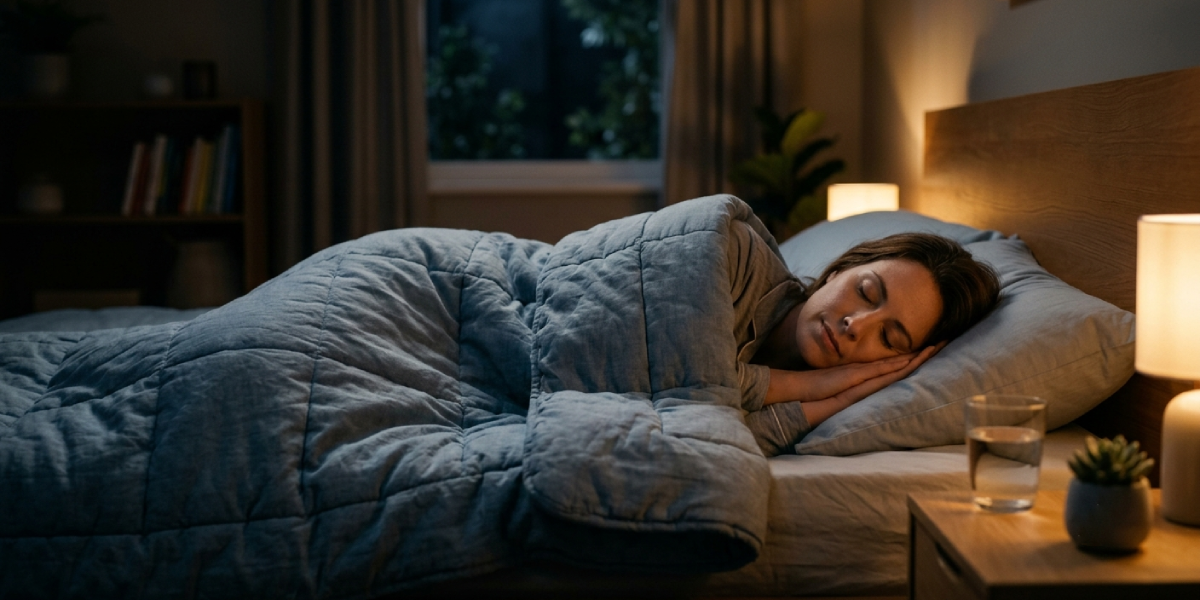
Learning how to get a good night’s sleep when stressed is one of the most valuable skills you can develop for your long-term health. Stress and sleep exist in a frustrating cycle: stress keeps you awake, and losing sleep makes stress worse.
Breaking that cycle is entirely possible with the right strategies, and this guide walks you through exactly how to do it.
Why Stress Disrupts Sleep in the First Place

When your brain perceives a threat, whether it is a looming deadline, a difficult conversation, or financial worry, it triggers the release of cortisol and adrenaline. These hormones are designed to keep you alert and ready to respond. The problem is that your body cannot tell the difference between a genuine physical danger and a stressful thought spiraling at 11 PM.
Elevated cortisol levels suppress melatonin, the hormone that signals to your brain that it is time to sleep. This is why you can feel physically exhausted but mentally wired. Your nervous system is in a heightened state, and your body does not feel safe enough to move into the deep, restorative sleep stages you need.
Understanding this mechanism is important because it explains why willpower alone is not enough. You cannot simply decide to stop thinking. You need to actively engage the body’s parasympathetic nervous system, also known as the rest-and-digest response, to counteract the fight-or-flight state that stress creates.
Build a Pre-Sleep Wind-Down Routine That Actually Works
Your nervous system responds to consistency. When you repeat the same sequence of calming behaviors each night, your brain begins to associate those actions with sleep. Over time, the routine itself becomes a trigger for drowsiness.
Start Dimming Stimulation 60 to 90 Minutes Before Bed
Bright overhead lights, screens with blue light emission, and mentally engaging content all suppress melatonin. Transitioning to dim, warm lighting in the hour before bed is a simple but powerful shift. If you use your phone or laptop in the evening, enable a blue-light filter or switch to night mode.
Better yet, swap screen time for reading a physical book, journaling, or listening to calming audio.
Try Progressive Muscle Relaxation
Progressive muscle relaxation (PMR) is a clinically supported technique where you systematically tense and then release muscle groups from your feet to your face. The deliberate act of tensing and releasing signals the nervous system that the body is safe.
Many people fall asleep before they even finish the full sequence. It takes about ten to fifteen minutes and requires nothing but a quiet space and your own attention.
Use a Brain Dump Journal
One of the most common reasons people cannot fall asleep under stress is that the mind keeps recycling unfinished thoughts, worries, and to-do items. Keeping a notebook by the bed and spending five to ten minutes writing everything on your mind can externalize those thoughts.
Once something is written down, the brain can loosen its grip on it. You do not have to solve anything in the journal, just transfer it from your head to the page.
Breathing Techniques That Activate the Relaxation Response
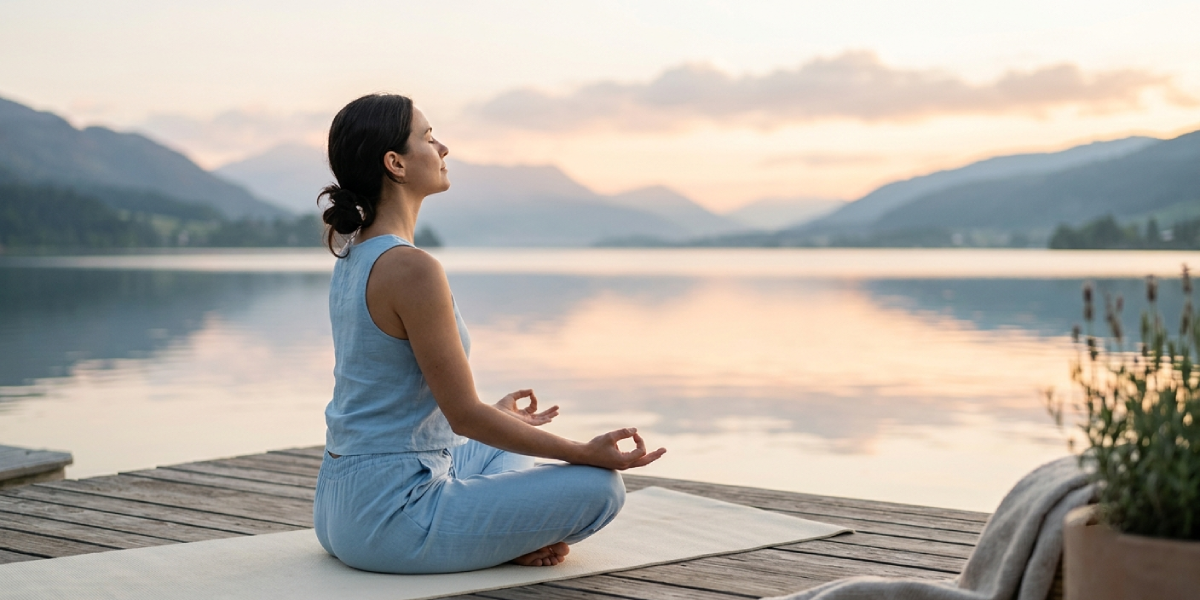
Controlled breathing is one of the fastest ways to reduce physiological arousal. Slow, deliberate exhales stimulate the vagus nerve, which activates the parasympathetic nervous system and slows your heart rate.
The 4-7-8 Breathing Method
Developed by Dr. Andrew Weil, this technique involves inhaling for 4 counts, holding for 7, and exhaling slowly for 8. The extended exhale is the key component. Practicing this for just four cycles can noticeably reduce tension and heart rate. It is especially effective when done lying down in a dark, quiet room.
Box Breathing
Used widely by military and emergency personnel, box breathing involves inhaling for 4 counts, holding for 4, exhaling for 4, and holding again for 4. It creates a steady, rhythmic pattern that occupies just enough of the conscious mind to prevent anxious thought loops while simultaneously calming the autonomic nervous system.
Optimize Your Sleep Environment for Stress Recovery
Your bedroom environment sends constant sensory signals to your brain. When those signals are calm, cool, and dark, the brain is more likely to permit the transition into sleep. When they are chaotic or stimulating, the nervous system stays alert.
Temperature
Core body temperature naturally drops as you approach sleep. A cooler room, ideally between 60 and 67 degrees Fahrenheit, supports this process. If you tend to run warm when anxious, a fan or breathable bedding can help your body cool down faster.
Sound
Silence is not always best, especially for people whose minds fill quiet rooms with anxious thoughts. White noise, pink noise, or ambient nature sounds can mask disruptive background noise and give the auditory cortex something neutral to process. There are many free apps and devices available for this purpose.
Darkness
Even low levels of ambient light can interfere with melatonin production. Blackout curtains or a sleep mask are straightforward solutions. If you use any devices overnight for alarms, cover their screens or position them face down.
Daytime Habits That Determine Nighttime Sleep Quality
What you do during the day has a direct impact on how well you sleep at night. Sleep is not an isolated event; it is the result of a full 24-hour cycle of behavior and biology.
Exercise Regularly
Physical movement is one of the most effective stress-reduction tools available. Regular exercise reduces baseline cortisol levels, promotes the release of endorphins, and helps regulate the sleep-wake cycle by deepening slow-wave sleep.
Even a brisk 20-minute walk during the day can meaningfully improve sleep onset at night. Avoid vigorous exercise within two to three hours of bedtime, as it can temporarily elevate core body temperature and heart rate.
Limit Caffeine and Alcohol
Caffeine has a half-life of roughly five to seven hours in most adults, meaning a 3 PM coffee still has a significant presence in your system at 10 PM. Try cutting off caffeine by early afternoon, especially on high-stress days. Alcohol is a sedative but not a sleep aid.
While it may help you fall asleep faster, it fragments the second half of your sleep cycle and dramatically reduces REM sleep, leaving you feeling unrestored in the morning.
Get Sunlight Exposure in the Morning
Natural light in the morning, ideally within the first hour of waking, anchors your circadian rhythm and helps establish a stronger sleep drive by evening. Even ten to fifteen minutes outdoors without sunglasses can make a meaningful difference.
When to Seek Professional Support
If sleep problems persist for more than a few weeks and are significantly affecting your daily functioning, it is worth consulting a healthcare provider. Chronic insomnia related to stress can sometimes develop into a standalone sleep disorder that requires targeted treatment such as Cognitive Behavioral Therapy for Insomnia (CBT-I), which is currently the gold-standard, non-pharmacological treatment recommended by sleep specialists.
Tracking your overall health patterns using tools like a BMI calculator alongside sleep and stress data can give you and your healthcare provider a broader picture of how lifestyle factors are interacting. General health improvements and stress management often go hand in hand with improved sleep quality over the long term.
Frequently Asked Questions
How long does it take for stress-relief techniques to improve sleep?
Most people notice some improvement within a few nights of consistently applying wind-down routines and breathing techniques. Significant, lasting improvement typically builds over two to four weeks of regular practice.
Is it better to lie in bed and try to sleep or get up if I cannot fall asleep?
Sleep specialists generally recommend getting out of bed if you have been awake for more than 20 minutes. Lying awake for long periods trains your brain to associate the bed with wakefulness. Moving to a dim, quiet space and doing a calming activity until you feel sleepy reinforces the mental connection between bed and sleep.
Can melatonin supplements help with stress-related sleep problems?
Melatonin can be helpful for adjusting your sleep timing, such as when you have been lying awake too late, but it is not a sedative and does not reduce stress directly. Low doses of 0.5 to 1 mg taken 30 to 60 minutes before your target bedtime are generally more effective than higher doses. Always consult a healthcare provider before starting any supplement.
Does exercising at night make it harder to sleep when stressed?
Vigorous exercise within two to three hours of bedtime can delay sleep onset for some people due to elevated heart rate and body temperature. However, gentle movement like yoga, stretching, or a slow walk in the evening can actually support sleep by relieving physical tension accumulated during a stressful day.
Why do I wake up in the middle of the night when I am stressed?
Elevated cortisol levels can cause the body to move out of deep sleep prematurely. Stress also keeps the nervous system in a lighter state of alertness, making it easier for minor disturbances such as sounds or temperature changes to wake you. Addressing the overall stress load during the day is the most effective long-term solution.
How does diet affect sleep quality during stressful periods?
High-sugar and heavily processed foods can cause blood sugar fluctuations that disrupt sleep. Foods rich in magnesium such as leafy greens, nuts, and seeds support muscle relaxation and nervous system regulation. Eating a light, balanced meal a few hours before bed rather than a heavy late-night meal also supports better sleep quality.
Are sleep medications safe to use for stress-related insomnia?
Sleep medications can provide short-term relief but are generally not recommended for long-term use due to tolerance, dependency risks, and suppression of natural sleep architecture. CBT-I and behavioral strategies have stronger long-term evidence and no dependency risks. Any medication use should be discussed with and supervised by a qualified healthcare professional.
What is the role of a consistent sleep schedule in managing stress-related sleep issues?
Going to bed and waking up at the same time every day, including weekends, regulates your circadian rhythm and strengthens your natural sleep drive. A consistent schedule makes it easier for your body to feel sleepy at the right time, even during periods of high stress, because the biological cues for sleep become more predictable and powerful.
Can mindfulness meditation really help with sleep during stressful times?
Yes. Multiple clinical studies have shown that mindfulness-based stress reduction (MBSR) programs meaningfully improve sleep quality by reducing the cognitive arousal and rumination that stress-related insomnia typically involves. Even brief, guided meditations of ten to fifteen minutes before bed can produce measurable benefits with consistent practice.
What should I avoid doing if I wake up anxious in the middle of the night?
Avoid checking your phone, turning on bright lights, watching the clock, or engaging with news or social media. These activities stimulate the brain and reinforce wakefulness. Instead, try slow breathing, a body scan relaxation, or moving to a dim room with a low-stimulation activity until drowsiness returns.