


Learning how to manage stress without medication is one of the most empowering health decisions you can make. Stress is an unavoidable part of life, but how you respond to it determines whether it harms your body or simply passes through.
Millions of people are discovering that sustainable stress relief does not require a prescription — it requires practice, consistency, and the right toolkit.
This guide walks you through science-backed, experience-tested methods that help reduce stress at its source, regulate your nervous system, and build long-term resilience. Whether you deal with work pressure, family demands, financial anxiety, or health worries, these strategies are designed to work in the real world.
Why Managing Stress Naturally Matters for Your Health
Chronic stress is not just a mental burden — it is a full-body threat. When the brain perceives danger, the hypothalamus triggers a hormonal cascade that floods the bloodstream with cortisol and adrenaline. In short bursts, this stress response is helpful and even life-saving.
But when it stays activated day after day, the consequences are serious. Long-term stress has been linked to high blood pressure, weakened immune function, digestive problems, insomnia, weight gain, and increased risk of cardiovascular disease.
It also worsens anxiety, depression, and cognitive function. Managing stress naturally interrupts this cycle before it does lasting damage, without the side effects that medications can sometimes carry.
Breathing Techniques That Calm the Nervous System Instantly
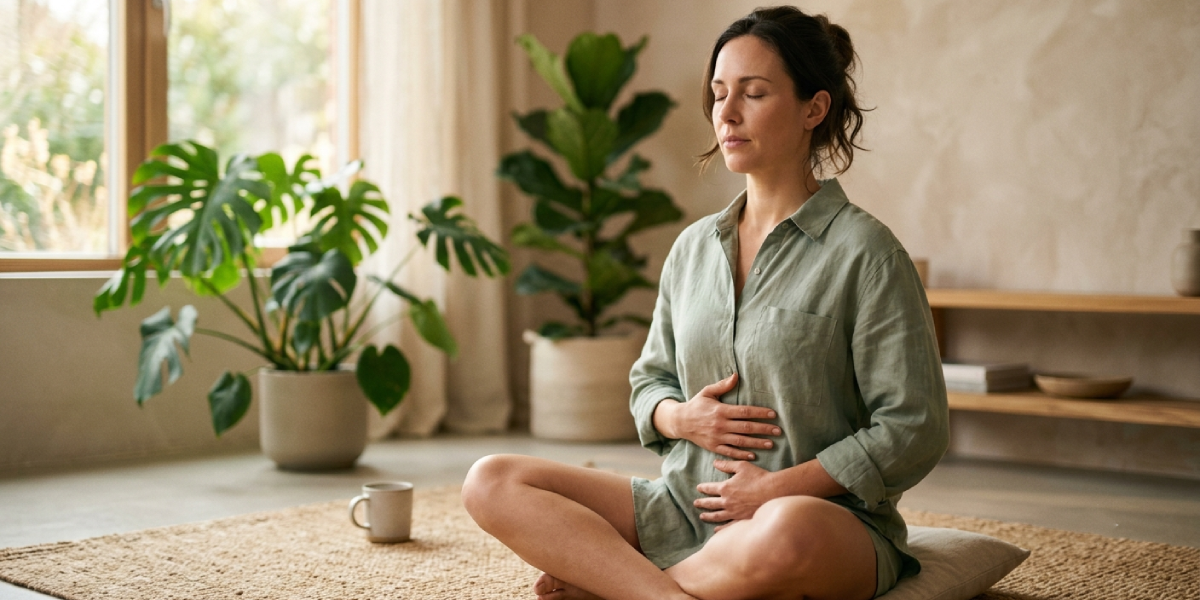
Your breath is one of the most powerful tools you have for managing stress without medication. Controlled breathing directly activates the parasympathetic nervous system — the branch responsible for rest, digestion, and recovery — within minutes.
Box Breathing
Box breathing is used by military personnel, athletes, and trauma therapists for its rapid calming effect. Inhale slowly for four counts, hold for four counts, exhale for four counts, and hold again for four counts. Repeat this cycle for two to five minutes. It lowers heart rate, reduces cortisol, and clears mental fog almost immediately.
4-7-8 Breathing
Popularized by integrative medicine, the 4-7-8 technique involves inhaling for four counts, holding for seven, and exhaling slowly for eight. The extended exhale signals safety to the brain and is particularly effective before sleep or during moments of acute anxiety.
Diaphragmatic Breathing
Most people breathe shallowly into the chest, which keeps the stress response engaged. Diaphragmatic or belly breathing shifts air into the lower lungs, massages the vagus nerve, and promotes deep relaxation. Place one hand on your belly, breathe so your hand rises, and practice for five to ten minutes daily.
Physical Movement as a Stress Management Strategy
Exercise is one of the most researched and most effective natural interventions for stress. Physical activity burns off excess stress hormones, releases endorphins, improves sleep quality, and builds a sense of accomplishment. It does not need to be intense or time-consuming to be effective.
Walking, swimming, cycling, yoga, and strength training all show measurable reductions in stress and anxiety in clinical studies. Even a brisk 20-minute walk can shift your mood and lower cortisol levels. Building consistent movement into your routine is foundational to managing stress long term.
Explore a variety of evidence-based exercises that support both mental and physical well-being.
The Role of Yoga in Stress Reduction
Yoga combines breathwork, movement, and mindfulness in a single practice, making it uniquely effective for stress. Studies consistently show that regular yoga practice lowers cortisol levels, reduces perceived stress, and improves emotional regulation. Even two or three sessions per week produce meaningful results over time.
Progressive Muscle Relaxation
Progressive muscle relaxation (PMR) involves systematically tensing and releasing muscle groups from the feet to the face. This technique trains the body to recognize and release physical tension, which often accumulates unnoticed during stressful periods. PMR is particularly helpful for stress-related headaches, jaw clenching, and back pain.
Mindfulness and Meditation Practices That Work

Mindfulness is the practice of directing attention to the present moment without judgment. Decades of research, including landmark studies from Harvard Medical School, demonstrate that regular mindfulness practice physically changes brain structures associated with stress reactivity, fear, and emotional regulation.
Starting a Daily Meditation Practice
You do not need hours of silence or a retreat to benefit from meditation. Starting with five to ten minutes of focused attention on the breath each morning is enough to shift your baseline stress level over weeks. Apps, guided recordings, and community classes make this accessible for beginners at every level.
Body Scan Meditation
A body scan meditation guides attention through each part of the body, noticing sensations without trying to change them. This practice builds interoceptive awareness — the ability to notice internal signals before they escalate — and is especially useful for people who carry stress physically in the shoulders, jaw, gut, or chest.
Sleep, Nutrition, and the Stress Connection
Stress management does not exist in isolation. Sleep deprivation directly raises cortisol levels and reduces emotional resilience, creating a vicious cycle where stress worsens sleep and poor sleep intensifies stress. Prioritizing seven to nine hours of quality sleep is not optional — it is a cornerstone of natural stress management.
Nutrition plays an equally critical role. Diets high in ultra-processed foods, refined sugar, and caffeine fuel inflammation and hormonal dysregulation that make stress harder to handle. On the other hand, diets rich in leafy greens, fatty fish, whole grains, nuts, and fermented foods support brain chemistry, reduce cortisol, and improve mood stability.
Magnesium, found in foods like spinach, pumpkin seeds, and dark chocolate, is particularly important for nervous system regulation.
Monitoring your weight and body composition can also highlight how chronic stress is affecting your physical health over time. Use a reliable BMI calculator to track where you stand and set realistic health benchmarks as part of your stress management plan.
Social Connection and Emotional Outlets
Human beings are wired for connection. Isolation and loneliness are independently associated with elevated cortisol levels and worse health outcomes. Investing in relationships — whether with friends, family, community groups, or support networks — provides a meaningful buffer against stress.
Talking through problems with someone you trust, laughing with a friend, or simply being in the presence of others can significantly lower the physiological stress response. For deeper emotional processing, journaling, creative expression, and therapy offer structured outlets that build self-awareness and reduce rumination.
Setting Boundaries and Managing Stress at Its Source
Managing stress effectively also means addressing the conditions that create it. This often involves learning to say no, delegating tasks, renegotiating workloads, or restructuring daily routines. Time management, prioritization, and realistic goal-setting reduce the chronic overload that makes stress feel unmanageable.
Digital boundaries matter too. Constant connectivity, news cycles, and social media contribute significantly to background stress levels. Scheduled breaks from screens, notification management, and dedicated offline time help restore attentional resources and reduce cognitive overload.
Building a Personalized Stress Management Routine
No single technique works for everyone. The most effective approach combines multiple strategies tailored to your lifestyle, preferences, and stressors. A practical daily routine might look like this:
- Morning: five minutes of diaphragmatic breathing followed by a short walk or yoga session
- Midday: a ten-minute mindfulness break away from screens
- Evening: a nutritious meal, journaling, and a consistent wind-down routine before bed
- Weekly: meaningful social connection, a hobby, and a review of what worked and what did not
Consistency matters more than intensity. Small daily practices compound over time into significant, measurable changes in how your body handles stress. For deeper support on building healthy habits, explore the full range of health resources available to guide your journey.
| Strategy | Time Required | Best For |
|---|---|---|
| Box Breathing | 2–5 minutes | Acute stress and panic |
| Daily Walk | 20–30 minutes | Mood and cortisol regulation |
| Meditation | 5–15 minutes | Long-term resilience |
| Progressive Muscle Relaxation | 10–20 minutes | Physical tension and sleep |
| Journaling | 10 minutes | Emotional processing |
| Social Connection | Variable | Loneliness and isolation |
When to Seek Professional Support
Natural stress management strategies are powerful and effective for most people in most circumstances. However, if stress is severely impacting your ability to work, maintain relationships, or care for yourself — or if you are experiencing symptoms of clinical anxiety or depression — professional support is not just appropriate, it is essential.
A therapist, counselor, or physician can help determine whether additional intervention is warranted alongside natural approaches.
Medication is not always the wrong choice. But for many people managing day-to-day stress, the evidence-based natural strategies outlined here offer a sustainable, side-effect-free path to lasting relief.
Frequently Asked Questions
Can stress really be managed without medication?
Yes. For the majority of people experiencing everyday or chronic stress, evidence-based natural strategies — including breathwork, exercise, mindfulness, sleep hygiene, and nutrition — are highly effective. Numerous clinical studies confirm these approaches reduce cortisol levels and improve mental well-being without pharmaceutical intervention.
How quickly do natural stress relief techniques work?
Some techniques, like box breathing and 4-7-8 breathing, produce noticeable calming effects within minutes. Others, like meditation and regular exercise, build cumulative benefits over days to weeks. Most people notice meaningful improvements in their stress levels within two to four weeks of consistent practice.
What is the single most effective natural way to reduce stress?
Research does not point to one universally superior method because individual responses vary. However, regular physical exercise consistently ranks among the most effective interventions across studies, followed closely by mindfulness meditation and adequate sleep. Combining multiple strategies yields the strongest results.
Does diet affect stress levels?
Absolutely. Diet directly influences brain chemistry and the hormonal stress response. Diets high in processed foods, sugar, and alcohol exacerbate stress, while whole-food diets rich in magnesium, omega-3 fatty acids, and B vitamins support a calmer, more resilient nervous system.
How does exercise help with stress management?
Exercise metabolizes excess cortisol and adrenaline, releases mood-boosting endorphins, improves sleep quality, and builds a sense of agency and accomplishment. Even moderate movement like walking or yoga for 20 to 30 minutes most days of the week produces clinically significant reductions in stress and anxiety.
Is mindfulness meditation difficult to learn?
Mindfulness is accessible to virtually everyone. It requires no special equipment, background, or experience. Starting with five minutes of focused breathing each day is sufficient. Guided apps and online resources make the learning curve gentle, and most people notice benefits within two to three weeks of regular practice.
Can poor sleep make stress worse?
Yes, significantly. Sleep deprivation elevates cortisol levels, impairs emotional regulation, and reduces the brain’s ability to handle daily challenges. Addressing sleep quality is often one of the most impactful steps a person can take to naturally lower their stress baseline.
What lifestyle changes have the biggest impact on chronic stress?
The lifestyle changes with the greatest evidence-backed impact include establishing regular physical activity, improving sleep hygiene, adopting a nutrient-dense diet, building strong social connections, and incorporating daily relaxation practices such as meditation or breathwork. Setting realistic boundaries and reducing overcommitment also address stress at its source.
When should someone consider seeing a doctor about stress?
If stress is persistent, overwhelming, or interfering significantly with daily functioning, relationships, or physical health, speaking with a healthcare professional is important. A doctor or licensed therapist can assess whether clinical anxiety, depression, or another condition is present and recommend the most appropriate combination of treatments.
Are there any risks to managing stress without medication?
Natural stress management techniques are generally very safe and carry no significant risks for healthy adults. The primary concern is relying solely on natural strategies when a clinical condition such as severe anxiety disorder or major depression is present. In those cases, natural approaches work best as complements to professional care, not replacements.