


If you have ever stared at a lab report wondering what those LDL and HDL numbers actually mean for your life, you are not alone. Learning how to lower your cholesterol is one of the most common health goals people search for after a routine blood test comes back with a yellow or red flag.
The good news is that cholesterol is one of the most responsive numbers in the body. With consistent changes to diet, movement, sleep, and sometimes medication, most people see meaningful improvement within eight to twelve weeks.
This guide walks through what cholesterol actually is, what the newest clinical guidance says, and the specific daily habits that move the needle. It is written for real people managing real schedules, not a textbook summary.
What Cholesterol Numbers Actually Mean
Cholesterol itself is not the enemy. Your body needs it to build cell membranes, produce hormones, and make vitamin D. The problem arises when there is too much low-density lipoprotein, commonly called LDL or “bad” cholesterol, circulating in the blood.
Excess LDL can stick to artery walls, narrow blood vessels over time, and raise the risk of heart attack and stroke.
A standard lipid panel reports four main numbers:
- LDL cholesterol: the particle that contributes most to plaque buildup in arteries.
- HDL cholesterol: often called “good” cholesterol because it helps clear excess LDL from the bloodstream.
- Triglycerides: a type of fat in the blood that rises with excess sugar, alcohol, and refined carbohydrates.
- Total cholesterol: the combined measure of LDL, HDL, and a portion of triglycerides.
Updated cardiovascular guidelines released in March 2026 by the American College of Cardiology and American Heart Association shifted the conversation toward earlier, more personalized targets. For most adults without major risk factors, the general goal is an LDL level below 100 mg/dL.
For people with diabetes, a strong family history of heart disease, or other risk factors, doctors now often aim for LDL below 70 mg/dL, and for those who have already experienced a cardiac event, the target can be as low as 55 mg/dL.
The guideline also recommends a one-time lipoprotein(a) test for adults, since this inherited risk factor does not show up on a standard panel but can meaningfully raise cardiovascular risk regardless of lifestyle.
These numbers are not pass-fail grades. They are a starting point for a conversation with your doctor about your individual risk, family history, and the right combination of lifestyle changes and, if needed, medication.
The Diet Changes That Actually Lower LDL
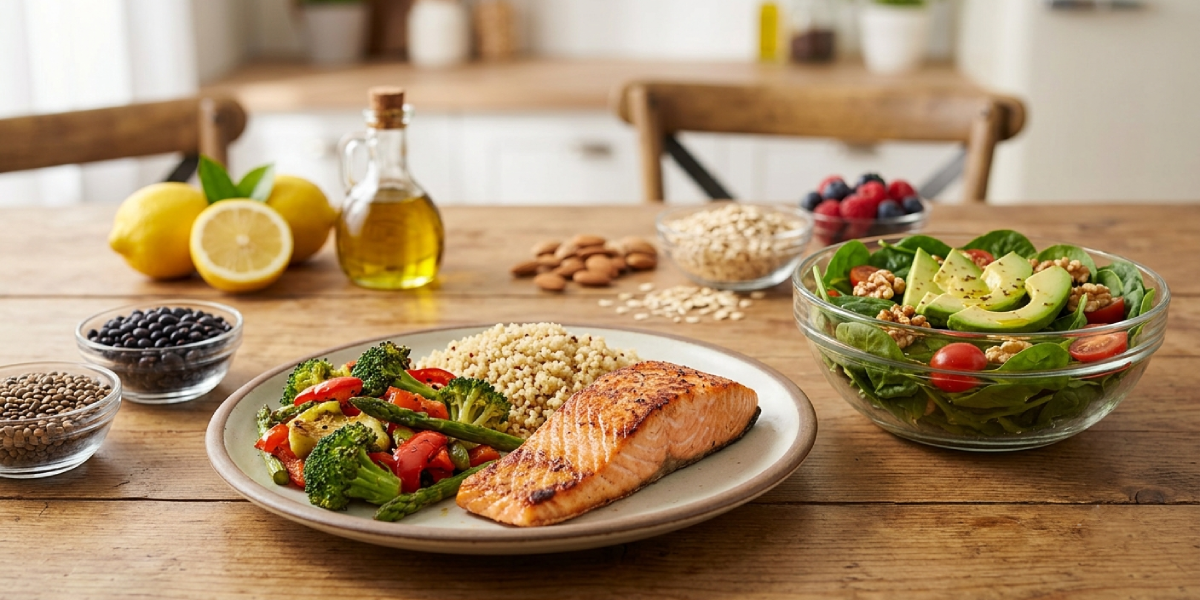
Diet remains the foundation of cholesterol management, even though newer guidelines devote more pages to medication than to nutrition. The clinical evidence for specific dietary patterns lowering LDL is strong and consistent across decades of research.
Reduce Saturated Fat First
Saturated fat, found in red meat, butter, full-fat dairy, and many processed snacks, raises LDL more reliably than dietary cholesterol itself does. Swapping a portion of saturated fat for unsaturated fats from olive oil, avocados, nuts, and fatty fish like salmon or sardines is one of the most well-documented ways to bring LDL down.
Add Soluble Fiber Every Day
Soluble fiber binds to cholesterol in the digestive tract and carries it out of the body before it can be absorbed. Oats, barley, beans, lentils, apples, and Brussels sprouts are all excellent sources. Even an extra 5 to 10 grams of soluble fiber daily, roughly a bowl of oatmeal plus a piece of fruit, can lower LDL by a measurable amount.
Use Plant Sterols and Stanols
Plant sterols and stanols, found naturally in small amounts in vegetable oils, nuts, and seeds, and added to some fortified margarines and orange juices, compete with cholesterol for absorption in the gut. Consuming 2 grams a day has been shown in multiple trials to lower LDL by around 10 percent.
Limit Refined Carbs and Added Sugar
Refined carbohydrates and added sugars do not raise LDL as directly, but they drive up triglycerides and can lower protective HDL. Cutting back on sugary drinks, white bread, and pastries supports the whole lipid panel, not just one number.
| Food to Reduce | Better Alternative |
|---|---|
| Butter, lard, fatty red meat | Olive oil, avocado, skinless poultry, fish |
| White bread, sugary cereal | Oats, whole grains, legumes |
| Fried snack foods | Nuts, seeds, air-popped popcorn |
| Sugary soda and juice drinks | Water, unsweetened tea, sparkling water |
Why Exercise Matters as Much as Diet
Regular physical activity raises HDL cholesterol, helps the body process triglycerides more efficiently, and supports the kind of weight management that improves LDL over time. The effect is not just theoretical. Studies consistently show that 150 minutes of moderate aerobic activity per week, such as brisk walking, cycling, or swimming, produces measurable improvements in lipid profiles within a few months.
Strength training adds an additional benefit because muscle tissue improves how the body uses insulin and processes fat. If you are building a routine from scratch, browsing a structured library of exercise routines can help you find a plan that fits your fitness level and schedule rather than guessing at what to do in the gym.
Consistency matters more than intensity here. A 30-minute walk five days a week will do more for your cholesterol over a year than an occasional intense workout you cannot sustain.
The Role of Body Weight in Cholesterol Control
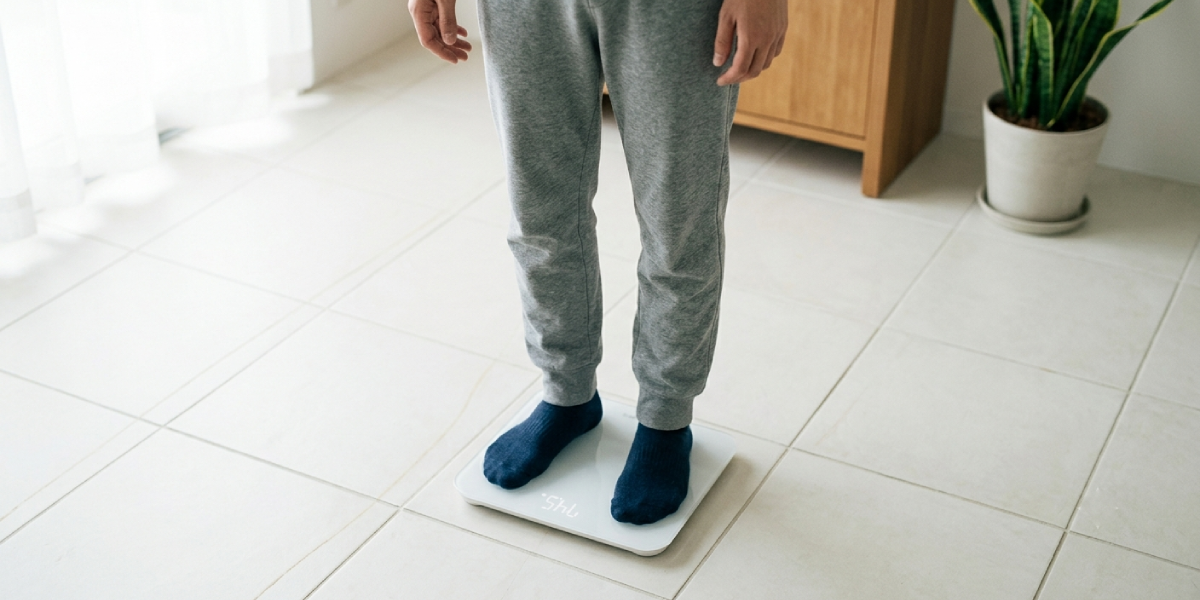
Carrying excess weight, particularly around the abdomen, is closely linked to higher LDL, higher triglycerides, and lower HDL. The relationship is not just cosmetic. Visceral fat around the organs is metabolically active tissue that influences how the liver processes fat and cholesterol.
Losing even 5 to 10 percent of body weight has been shown to meaningfully improve a lipid panel. If you are not sure where you currently stand, using a BMI calculator is a simple starting point to understand your baseline before setting a realistic, gradual weight goal with your healthcare provider.
Other Lifestyle Factors That Influence Cholesterol
Quit Smoking
Smoking damages blood vessel walls and lowers HDL cholesterol. Quitting produces measurable improvement in HDL within weeks and reduces overall cardiovascular risk regardless of what your LDL number looks like.
Moderate Alcohol Intake
Heavy alcohol use raises triglycerides significantly. If you drink, keeping it moderate, generally defined as up to one drink a day for women and up to two for men, helps protect your lipid profile.
Prioritize Sleep
The 2026 cardiology guideline specifically calls out healthy sleep as a pillar of cardiovascular prevention alongside diet and exercise. Chronic short sleep is associated with higher LDL and triglycerides, likely through its effects on appetite hormones and stress response.
Manage Stress
Chronic stress raises cortisol, which can influence how the body stores fat and processes lipids. Practices like regular movement, time outdoors, and adequate sleep all help regulate this stress response indirectly.
For a broader look at how everyday habits connect to long-term wellness, the general health resources available can help you build a more complete picture beyond cholesterol alone.
When Lifestyle Changes Are Not Enough
For some people, genetics play a larger role than diet or exercise. Conditions like familial hypercholesterolemia can keep LDL elevated even with an excellent lifestyle. This is one reason the updated guideline recommends earlier and broader screening, including a one-time lipoprotein(a) test, so that genetically driven risk is identified rather than missed.
If lifestyle changes alone do not bring your numbers into target range after a few months, your doctor may recommend medication. Statins remain the most studied and most commonly prescribed option, and they work by reducing the liver’s cholesterol production while also offering anti-inflammatory benefits to blood vessels.
Other options, including ezetimibe and PCSK9 inhibitors, may be added for people who need more aggressive LDL reduction or who cannot tolerate statins. None of this replaces lifestyle change. The strongest outcomes consistently come from combining a heart-healthy lifestyle with the right medication when it is needed.
A Realistic Weekly Approach
Rather than overhauling everything at once, many people find it easier to layer changes in over a few weeks:
- Swap one saturated fat source for an unsaturated one each week.
- Add a fiber-rich food to breakfast, such as oats or chia seeds.
- Schedule three to five short walks or workouts into your calendar in advance.
- Track your weight and waist circumference monthly rather than daily.
- Recheck your lipid panel with your doctor at the interval they recommend, typically every three to six months while making changes.
Small, sustained changes compound. A person who adjusts two or three habits and sticks with them for six months will usually see better lab results than someone who tries a strict short-term cleanse and abandons it.
Frequently Asked Questions
How long does it take to lower cholesterol naturally?
Most people see measurable changes in LDL and triglycerides within 8 to 12 weeks of consistent diet and exercise changes. HDL tends to improve more gradually over several months.
What foods raise cholesterol the fastest?
Foods high in saturated and trans fats, such as fried foods, processed meats, and baked goods made with hydrogenated oils, tend to raise LDL cholesterol the most quickly.
Can stress really affect cholesterol levels?
Yes. Chronic stress raises cortisol, which can influence appetite, fat storage, and lipid metabolism, indirectly contributing to higher LDL and triglycerides over time.
Is egg consumption bad for cholesterol?
For most healthy people, moderate egg consumption has a smaller effect on blood cholesterol than once believed, since saturated fat intake influences LDL more directly than dietary cholesterol. People with diabetes or existing heart disease should still discuss egg intake with their doctor.
Do cholesterol-lowering supplements actually work?
Some, like plant sterols, soluble fiber supplements, and red yeast rice, have evidence supporting modest LDL reduction. Effects are generally smaller than diet and exercise combined, and you should talk to your doctor before starting any supplement, especially if you take other medications.
What is a healthy LDL level for most adults?
For adults without major risk factors, current guidance generally targets an LDL below 100 mg/dL. People with diabetes or other risk factors are often guided toward a lower target, closer to 70 mg/dL, based on individual risk.
Can exercise alone lower cholesterol without diet changes?
Exercise alone can raise HDL and improve triglycerides, but LDL reduction is typically more responsive to dietary changes. Combining both produces the best overall results.
When should I see a doctor about high cholesterol?
Schedule a visit if your LDL is significantly elevated, if you have a family history of early heart disease, or if lifestyle changes have not improved your numbers after a few months. Anyone with diabetes or existing cardiovascular disease should be monitored on a regular schedule set by their physician.