
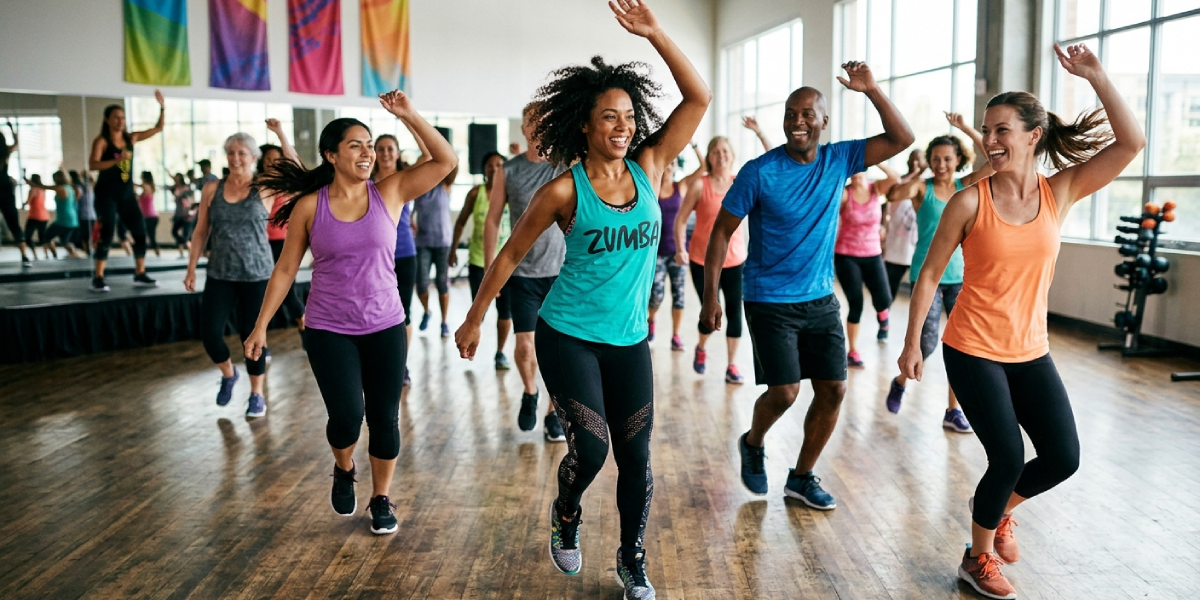
Zumba dance exercise has become one of the most popular group fitness formats in the world, and for good reason. Combining infectious Latin rhythms with easy-to-follow dance movements, Zumba turns a traditional cardio workout into something that genuinely feels like a party.
Whether you are stepping into your first class or looking to deepen your understanding of why this workout delivers such impressive results, this guide covers everything you need to know.
What Is Zumba Dance Exercise?
Zumba is a fitness program that blends energetic dance moves with aerobic exercise, set to upbeat music rooted in Latin genres such as salsa, merengue, cumbia, and reggaeton. It was created in the 1990s by Colombian dancer and choreographer Alberto “Beto” Perez, who famously improvised a class after forgetting his usual aerobics music and replacing it with personal salsa and merengue tapes.
The concept caught on rapidly and eventually expanded globally under the Zumba Fitness brand.
Unlike traditional aerobics classes that follow a rigid, repetitive structure, Zumba classes are designed to feel spontaneous and fun. Instructors cue movements in real time, and participants follow along without needing any prior dance experience.
The program has since expanded into multiple formats, including Zumba Gold for older adults, Aqua Zumba conducted in water, Zumba Kids for younger participants, and Zumba Toning, which incorporates light weights for added resistance.
The Core Elements of a Zumba Class
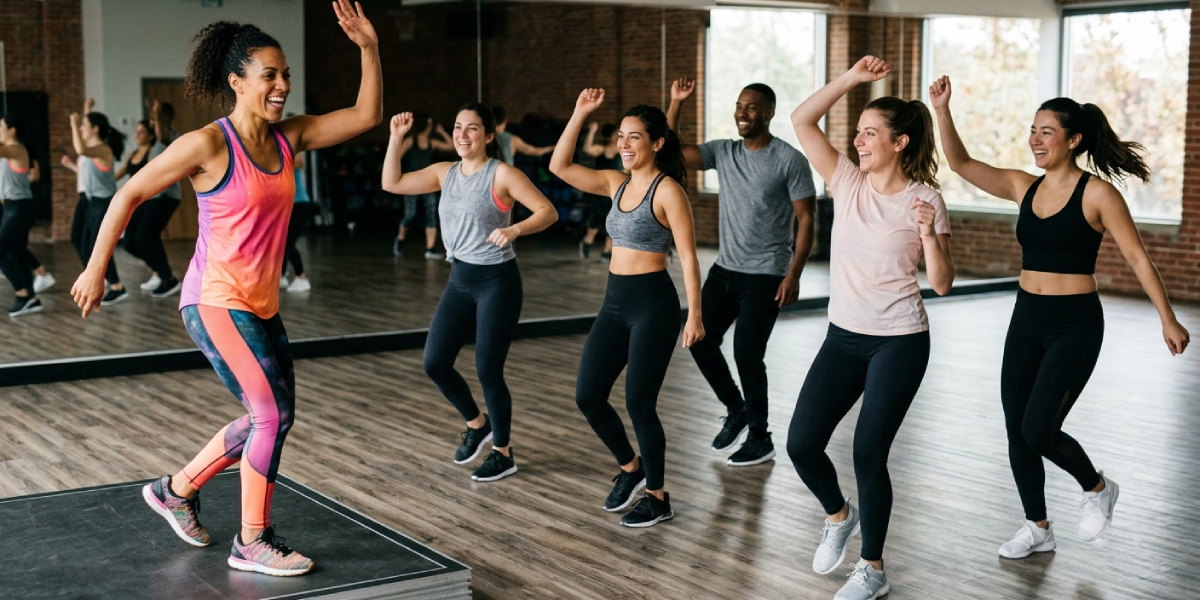
A standard Zumba session typically lasts between 45 and 60 minutes and follows an interval-style structure, alternating between higher-intensity sequences and lower-intensity recovery periods. This approach, known as exercise in disguise, keeps participants engaged while delivering measurable cardiovascular benefits.
Most classes incorporate the following components:
- Warm-up: Gentle movements to gradually raise the heart rate and prepare the joints and muscles for more vigorous activity.
- Main workout: A series of dance routines drawn from Latin and international styles, ranging from fast-paced salsa to slower, more flowing movements.
- Cool-down: Slower choreography paired with light stretching to bring the heart rate down and reduce muscle soreness.
The music selection is central to the Zumba experience. Instructors carefully curate playlists that build and release energy strategically, keeping participants motivated throughout the session without overwhelming them.
Why Zumba Dance Exercise Is So Effective
Zumba works because it addresses several key factors that research consistently identifies as barriers to maintaining a regular fitness routine: motivation, enjoyment, and perceived effort. When exercise feels like fun rather than a chore, people are far more likely to show up consistently, and consistency is the single most important driver of long-term fitness outcomes.
Cardiovascular Fitness Gains
Zumba is classified as moderate-to-vigorous aerobic exercise. Studies published in the Journal of Sports Science and Medicine have found that a typical Zumba class can elevate heart rate to between 64 and 87 percent of maximum heart rate, placing it firmly in the aerobic training zone.
Regular participation improves cardiovascular endurance, lowers resting heart rate, and contributes to better heart health over time.
Calorie Burn and Weight Management
One of the most cited benefits of Zumba is its calorie-burning potential. On average, participants burn between 300 and 600 calories per hour-long session, depending on factors such as body weight, fitness level, and the intensity of the specific class.
This range is comparable to many traditional cardio modalities, including jogging and cycling, making Zumba a highly efficient option for those aiming to support weight management goals.
To understand how Zumba fits into your broader health picture, it can be useful to monitor your Body Mass Index alongside your activity level. Using a reliable BMI calculator can give you a helpful baseline measurement and help you track progress as you build your Zumba routine over time.
Full-Body Muscle Engagement
Because Zumba draws from multiple dance styles, the movements recruit a wide variety of muscle groups. Hip rolls and lateral steps activate the glutes and hip abductors. Salsa footwork engages the calves and quadriceps. Arm choreography challenges the shoulders, biceps, and upper back.
The core is continuously engaged to support balance and posture throughout every routine, making Zumba a genuinely full-body workout despite its seemingly effortless appearance.
Mental Health and Mood Benefits
The psychological benefits of Zumba are just as compelling as the physical ones. Group dance exercise triggers the release of endorphins, the brain’s natural mood-lifting chemicals, while social interaction within a class setting reduces feelings of isolation and loneliness.
Research has linked regular participation in dance-based exercise to reduced symptoms of anxiety and depression, improved self-esteem, and better cognitive function.
The combination of music, movement, and community creates what exercise psychologists call a flow state, where individuals become so absorbed in the activity that stress and negative thoughts fade into the background. This quality makes Zumba particularly effective as a mental health support tool, complementing professional care where needed.
Improved Coordination and Balance
Many everyday fitness routines neglect the neuromuscular aspects of physical health, but Zumba inherently develops coordination, agility, and balance. Learning and repeating dance sequences trains the brain and body to work together more efficiently, which has practical benefits for activities of daily living and can reduce the risk of falls, particularly in older adults.
Who Can Do Zumba?
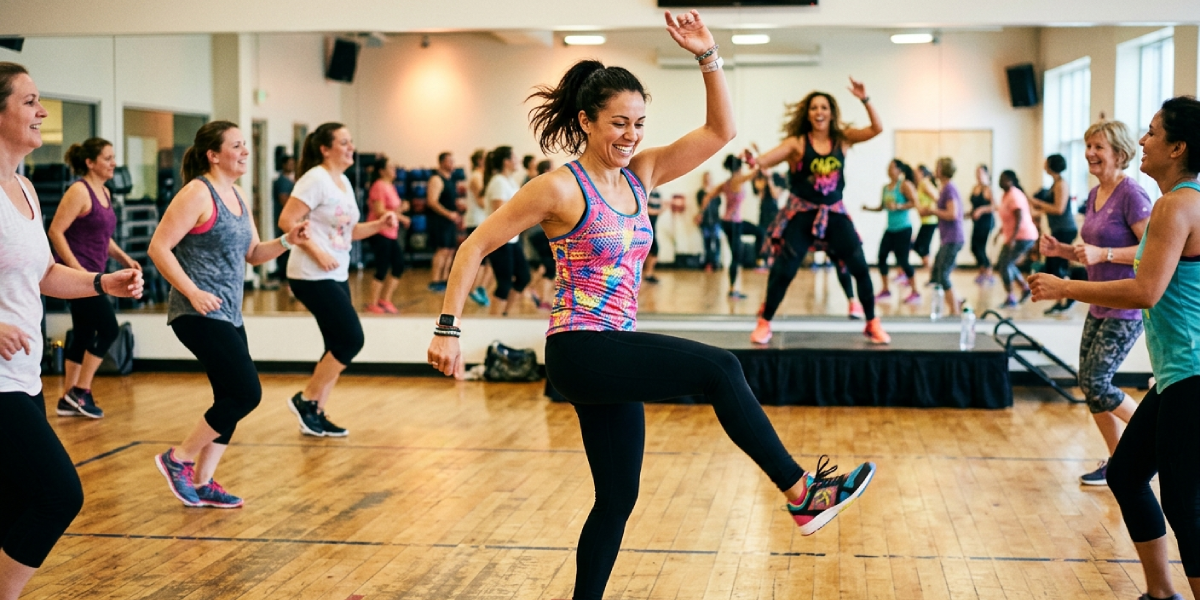
One of the great strengths of Zumba is its accessibility. Classes are designed so that participants can work at their own pace and modify movements to suit their current fitness level. You do not need any dance background or prior experience.
Instructors encourage a “do what you can” approach, meaning that beginners, seniors, individuals returning from injury, and highly trained athletes can all participate in the same class and receive an appropriate workout.
Zumba Gold, in particular, is tailored to older adults and those with limited mobility, using the same Latin-inspired music but with lower-impact movements that are gentler on the joints.
Aqua Zumba offers the added benefit of water resistance while reducing stress on joints entirely, making it an excellent option for individuals with arthritis or those recovering from musculoskeletal injuries.
How Zumba Compares to Other Forms of Exercise
| Exercise Type | Average Calories Burned Per Hour | Cardiovascular Benefit | Enjoyment Factor | Social Element |
|---|---|---|---|---|
| Zumba Dance Exercise | 300–600 | High | Very High | High (group class) |
| Jogging | 400–600 | High | Moderate | Low to Moderate |
| Cycling (indoor) | 400–600 | High | Moderate | Moderate (group class) |
| Traditional Aerobics | 300–500 | High | Moderate | Moderate |
| Walking | 200–300 | Moderate | Moderate | Low |
As the table shows, Zumba holds its own against well-established cardio options on every metric, while outperforming most of them on enjoyment and social engagement. These two factors play a decisive role in whether people maintain a long-term exercise routine, making Zumba a strategically smart choice for sustainable fitness.
Tips for Getting the Most Out of Zumba
Choose the Right Class Format
With multiple Zumba formats available, it pays to match the class type to your current fitness level and goals. Beginners typically do well with a standard Zumba class led by a Licensed Zumba Instructor (LZI), while those seeking additional muscle toning may benefit from Zumba Toning sessions that incorporate light weights. If joint comfort is a concern, Aqua Zumba is worth exploring.
Wear Proper Footwear
Dance and lateral movement place unique demands on the foot and ankle. Running shoes are designed for forward motion and can actually increase the risk of ankle rolling during the side-to-side steps common in Zumba. Dance sneakers or cross-training shoes with minimal lateral support ridges are better choices, providing both cushioning and the flexibility needed for smooth pivoting and footwork.
Stay Hydrated
Because Zumba is continuous and often takes place in heated studio environments, hydration is essential. Aim to drink water before, during, and after class. If your session exceeds 60 minutes or you are exercising in a particularly warm environment, consider a light electrolyte drink to replace minerals lost through sweat.
Focus on Consistency Over Perfection
Many first-time Zumba participants worry about keeping up with the choreography or looking out of place. The most important thing to remember is that getting the steps exactly right matters far less than showing up and moving your body.
The physical and mental benefits of Zumba come from sustained participation, not from dancing flawlessly. Most instructors reinforce this culture of inclusivity from the very first class.
Combine Zumba With Other Health Habits
Like any exercise format, Zumba delivers its best results when combined with a balanced, nutrient-rich diet, adequate sleep, and attention to overall health and wellness. Think of Zumba as one powerful component of a broader healthy lifestyle rather than a standalone solution.
Adding strength training on alternate days, for example, can further enhance the body composition benefits you experience from your Zumba sessions.
What to Expect in Your First Zumba Class
Walking into your first Zumba class can feel a little intimidating, especially if you have never danced in a group setting before. The atmosphere in most Zumba studios is deliberately upbeat and non-judgmental. Expect to hear high-energy music from the moment you walk in, and do not be surprised if the instructor encourages whooping, clapping, or call-and-response participation.
During your first few sessions, focus on following the big movements rather than trying to replicate every detail of the choreography. Your feet, hips, and arms will naturally begin to coordinate over time as your body learns the core patterns that recur across different songs.
Most people find that after three to five classes, they feel significantly more comfortable and begin to truly enjoy the experience.
It is also worth arriving a few minutes early to introduce yourself to the instructor. Letting them know you are new allows them to offer modifications and check in with you during class, making your first experience more comfortable and productive.
Frequently Asked Questions
How many calories does Zumba burn per session?
The number of calories burned during a Zumba session varies based on body weight, fitness level, and class intensity, but most participants burn between 300 and 600 calories in a one-hour class. Higher-intensity routines with more vigorous movements can push the upper end of that range.
Is Zumba suitable for complete beginners with no dance experience?
Yes. Zumba classes are designed to be accessible regardless of dance background or fitness level. Instructors lead participants through movements in real time, and the emphasis is on enjoyment and consistent movement rather than technical perfection. Beginners are always encouraged to work at their own pace.
How often should I do Zumba each week to see results?
Most fitness guidelines recommend at least 150 minutes of moderate-intensity aerobic activity per week for general health. Attending Zumba two to three times per week comfortably meets this target. For weight management or more significant cardiovascular improvements, three to five sessions per week combined with strength training tends to yield the best outcomes.
Can Zumba help with weight loss?
Zumba can support weight loss when combined with a calorie-controlled, nutritious diet. Its effectiveness comes from consistent calorie expenditure over time. While no single exercise eliminates fat from specific areas, regular Zumba participation contributes to overall body fat reduction and improved body composition.
Is Zumba a good workout for older adults?
Zumba Gold is specifically designed for older adults and those with limited mobility, offering lower-impact versions of the same Latin-inspired movements. It supports cardiovascular health, balance, and coordination, all of which are particularly important for healthy aging. Consulting a doctor before starting any new exercise program is always advisable for older adults.
What muscles does Zumba work?
Zumba is a full-body workout that targets the core, glutes, quadriceps, hamstrings, calves, shoulders, and upper back, among other muscle groups. The variety of dance styles incorporated ensures that different muscles are recruited throughout the class, creating balanced overall activation.
Do I need special shoes for Zumba?
Yes, footwear matters. Running shoes are not ideal because their design can restrict the lateral movements common in Zumba and increase the risk of ankle strain. Dance sneakers or cross-training shoes that offer lateral support and allow easy pivoting are the recommended choice for most Zumba participants.
Can I do Zumba if I have joint problems or a prior injury?
Many individuals with joint issues successfully participate in Zumba by choosing lower-impact formats such as Zumba Gold or Aqua Zumba. It is important to consult a physician or physical therapist before starting if you have a specific injury or chronic joint condition. Instructors can also offer movement modifications to reduce impact during standard classes.
Is Zumba considered high-impact exercise?
Standard Zumba classes include both high-impact and low-impact movements, making them moderate overall in terms of joint stress. Higher-intensity sequences may involve jumping or fast footwork, while cooler portions keep both feet grounded. Most instructors cue low-impact options throughout, so participants can self-select the appropriate intensity.
How does Zumba benefit mental health?
Zumba promotes mental wellbeing through multiple pathways: it triggers endorphin release, reduces stress hormones like cortisol, fosters social connection through group participation, and creates an absorbing, enjoyable experience that distracts from daily worries. Studies have linked regular dance-based exercise to reduced anxiety, improved mood, and better cognitive function.