

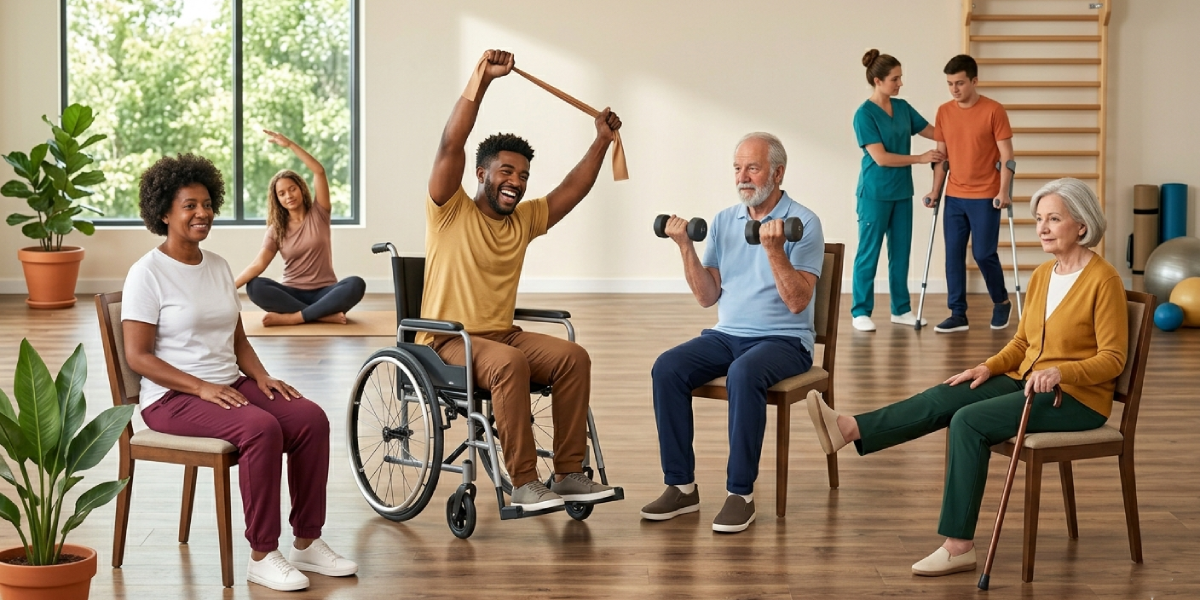
Learning how to exercise with limited mobility is one of the most empowering steps a person can take for their long-term health. Whether you are managing a chronic condition, recovering from an injury, using a wheelchair, or living with a physical disability, regular physical activity remains not only possible but genuinely beneficial.
The key is finding the right approach for your specific body and circumstances.
This guide offers practical, evidence-based strategies to help you build a sustainable exercise routine that works with your abilities, not against them. You will discover seated workouts, adaptive fitness techniques, and expert-backed principles that make movement accessible for virtually everyone.
Why Exercise Matters Even with Limited Mobility
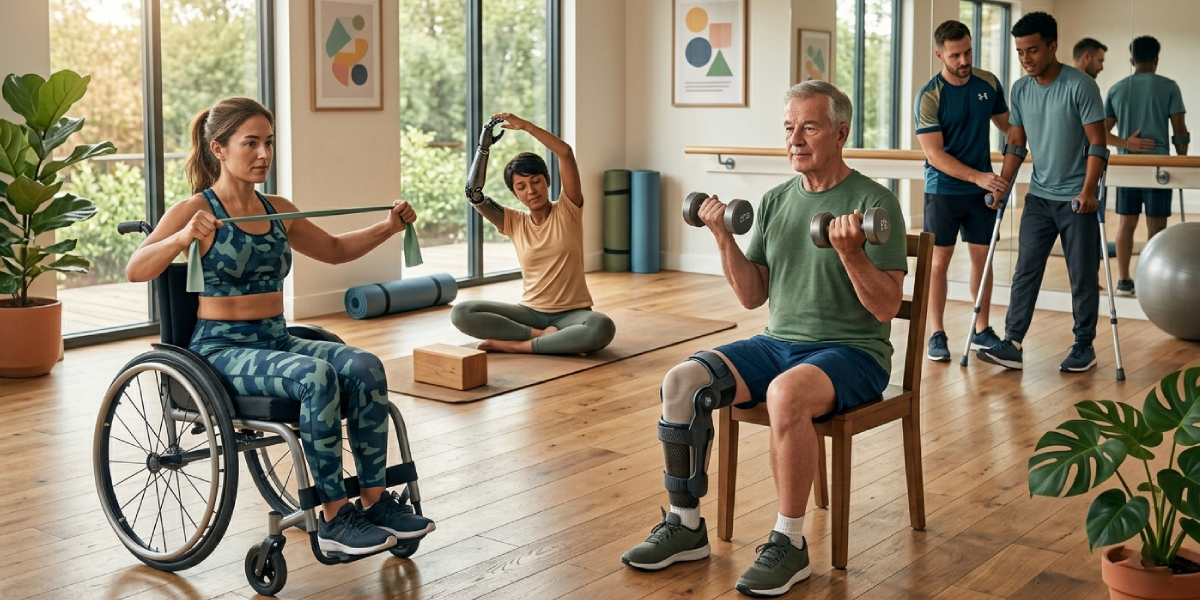
Physical activity delivers measurable benefits regardless of ability level. For people with limited mobility or physical disabilities, regular exercise can reduce the risk of secondary health complications, including cardiovascular disease, obesity, type 2 diabetes, and depression.
It also supports joint health, improves circulation, strengthens muscles that support daily functioning, and boosts mood through the release of endorphins.
Research consistently shows that sedentary behavior increases health risks for people with disabilities at a higher rate than for the general population. This makes staying active even more important, not less. The goal is not to perform at an elite level but to move consistently within your capacity.
When exploring adaptive exercise options, it helps to start with a clear understanding of what your body can do today and build gradually from there.
Getting Medical Clearance Before You Begin
Before starting any new fitness routine, especially if you have a diagnosed disability, chronic illness, or are recovering from surgery or injury, consult your physician, physiatrist, or physical therapist. They can identify contraindicated movements, recommend appropriate exercise types and intensity levels, and refer you to adaptive fitness specialists if needed.
A physical therapist in particular can design a personalized exercise program that targets your functional goals, whether that means improving upper body strength, maintaining bone density, increasing cardiovascular endurance, or reducing pain.
This professional guidance is not a barrier to getting started. It is a foundation for exercising safely and effectively.
Types of Exercise Suitable for Limited Mobility
Seated and Chair-Based Exercises
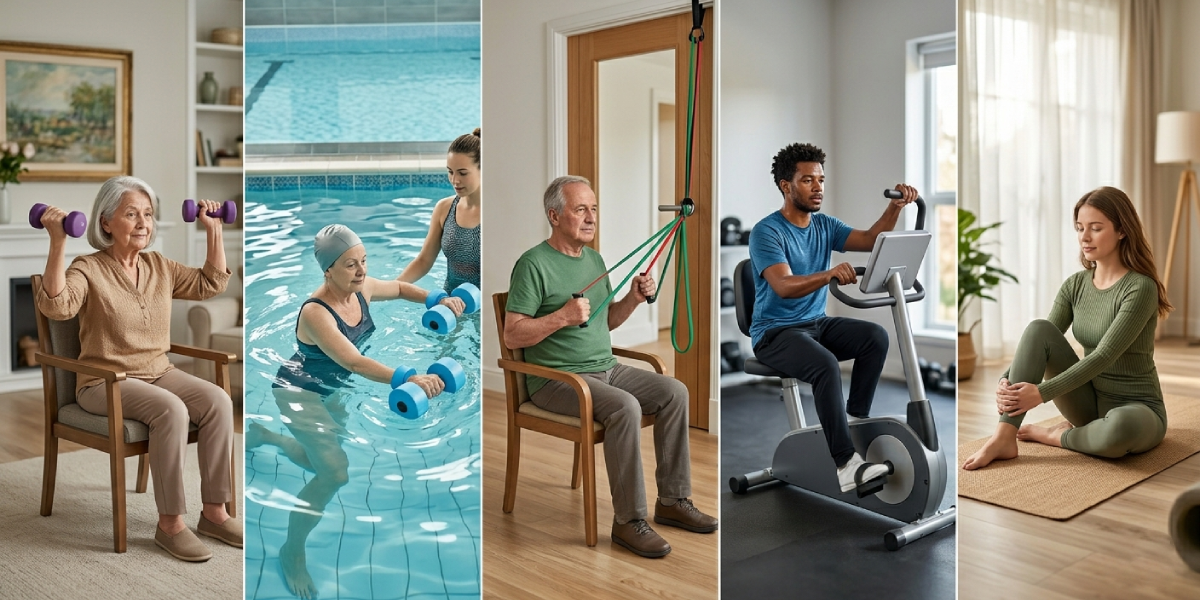
Chair exercises are among the most accessible and versatile options for people with limited lower body mobility. Seated in a sturdy chair or wheelchair, you can perform a wide range of movements that target the arms, shoulders, chest, back, and core.
Examples include seated arm raises, overhead presses with light dumbbells or resistance bands, seated torso twists, and seated leg lifts for those with partial lower body function.
Chair-based workouts can be structured as strength training, flexibility routines, or even cardiovascular circuits. Performing movements at a brisk pace with minimal rest raises the heart rate and improves cardiovascular fitness without requiring you to stand or walk.
Water-Based Exercise and Aquatic Therapy
Water is one of the most forgiving environments for people with physical limitations. The buoyancy of water reduces effective body weight by up to 90 percent at neck depth, dramatically reducing joint stress while still providing resistance for muscular effort.
Aquatic therapy and pool-based exercise programs are widely available and can be adapted for a wide range of mobility levels, including for those who cannot swim independently.
Movements such as water walking, gentle leg kicks, arm sweeps, and supported stretching become far more accessible in the pool. Many rehabilitation centers and community fitness facilities offer accessible pool entrances and aquatic therapists who specialize in adaptive exercise.
Resistance Band Training
Resistance bands are lightweight, affordable, and highly adaptable tools for building strength without heavy equipment. They can be anchored to a wheelchair, looped around a door handle, or held by a partner to create a variety of pulling and pushing exercises.
Because resistance bands provide accommodating resistance, meaning the resistance increases as you stretch the band further, they are gentler on joints than traditional free weights while still providing a meaningful strength stimulus.
Common resistance band exercises for people with limited mobility include seated rows, bicep curls, shoulder presses, chest presses, and lateral raises. Bands come in different resistance levels, making it easy to progress gradually as strength improves.
Upper Body Cardio
For individuals who cannot use their lower body for aerobic exercise, upper body cardio options are highly effective. Hand cycles and arm ergometers allow sustained cardiovascular exercise using only the arms and shoulders. These devices are available in many gyms and rehabilitation centers and can also be purchased for home use.
Consistent upper body cardio improves heart health, burns calories, and builds muscular endurance in the arms, shoulders, and upper back.
Yoga and Stretching
Chair yoga and adaptive yoga programs bring the benefits of flexibility, breath work, and mindfulness to people with physical disabilities. Gentle stretching maintains range of motion in joints, reduces stiffness, and can ease chronic pain.
Many poses traditionally performed on the floor can be modified for a chair or supported position. Seated forward folds, spinal rotations, neck stretches, and shoulder openers are all accessible to most people regardless of mobility level.
Consistent stretching also supports recovery after resistance training and helps prevent the muscle imbalances and postural problems that often accompany prolonged sitting.
Principles for Safe and Effective Adaptive Exercise
Start Low, Progress Slowly
If you are new to exercise or returning after a period of inactivity, begin with shorter sessions of ten to fifteen minutes at low intensity. As your fitness improves, gradually increase duration, frequency, or resistance. Sudden increases in training volume are a common cause of overuse injuries and setbacks, particularly for people whose bodies are already managing additional physical demands.
Prioritize Consistency Over Intensity
Three moderate sessions per week performed consistently will deliver far greater long-term benefit than occasional intense workouts followed by long periods of inactivity. Aim to make exercise a regular habit rather than an event. Even five to ten minutes of seated movement each day contributes meaningfully to your overall health.
Listen to Your Body
Pain is a signal, not a threshold to push through. There is an important distinction between the mild muscle fatigue of productive exercise and sharp, stabbing, or worsening pain that indicates potential injury or a flare-up of your condition. Always respect your body’s limits on any given day and adjust your workout accordingly.
Rest days are not setbacks. They are an essential part of any well-structured fitness plan.
Use Adaptive Equipment and Assistive Devices
A wide range of adaptive fitness equipment is available to support people with various disabilities. These include gloves and straps to assist grip for those with limited hand function, wheelchair sports chairs designed for activity, universal cuffs for attaching weights to the wrist, and balance assist devices for those with partial mobility.
Many gyms now have accessible equipment and staff trained in adaptive fitness, so do not hesitate to ask what accommodations are available.
Nutrition and Weight Management Support Your Fitness Goals
Exercise alone works best when paired with appropriate nutrition. For people with limited mobility, maintaining a healthy body weight reduces pressure on joints and makes movement easier. Eating a balanced diet rich in protein, healthy fats, vegetables, and whole grains supports muscle repair and energy levels. Staying adequately hydrated is equally important, particularly during and after exercise.
If you are unsure whether your current weight is within a healthy range for your height and body type, using a BMI calculator can offer a useful starting point for conversations with your healthcare provider about weight management goals.
For broader guidance on how lifestyle habits including sleep, stress management, and nutrition contribute to physical wellbeing alongside your exercise routine, exploring health and wellness resources can provide valuable context and support.
Finding Community and Professional Support
Exercising in a supportive community makes a significant difference in motivation and long-term adherence. Many cities have adaptive sports programs, disability-inclusive fitness classes, and online communities where people with similar challenges share workouts, tips, and encouragement.
Organizations such as the National Center on Health, Physical Activity and Disability offer databases of adaptive fitness programs organized by condition and location.
Certified adaptive fitness specialists and inclusive personal trainers are professionals who have received training in working with clients with disabilities and chronic conditions. Working with one of these professionals, even for a limited time, can give you a personalized program tailored to your specific abilities and goals.
Setting Realistic and Motivating Goals
The most effective fitness goals are specific, measurable, and meaningful to you personally. Rather than setting a vague goal of getting fit, consider setting targets such as completing ten minutes of seated exercise every day for a month, increasing the resistance on your band by one level after four weeks, or attending an aquatic fitness class twice a week.
Tracking your progress in a simple journal or app reinforces the habit and gives you tangible evidence of improvement.
Celebrate non-scale victories such as improved posture, reduced pain on an ordinary day, better sleep quality, or noticing that a task you previously found difficult has become easier. These are real, meaningful outcomes of consistent movement.
Frequently Asked Questions
Can I exercise if I am in a wheelchair full time?
Yes. Wheelchair users can engage in a full range of upper body strength training, seated cardio using arm ergometers or hand cycles, resistance band workouts, and chair yoga. Many adaptive sports programs are also available, including wheelchair basketball, tennis, and racing. A certified adaptive fitness specialist can design a comprehensive program tailored to your specific condition and functional abilities.
How often should someone with limited mobility exercise each week?
The World Health Organization recommends that adults with disabilities aim for at least 150 minutes of moderate-intensity aerobic activity per week, along with muscle-strengthening activities on two or more days per week. If that target feels out of reach initially, start with whatever amount you can manage consistently and build gradually from there. Any amount of exercise is better than none.
What are the best exercises for someone with chronic pain?
Low-impact activities such as aquatic exercise, gentle yoga, tai chi, and resistance band training are generally well tolerated by people with chronic pain conditions. These modalities reduce joint stress while still providing strength and cardiovascular benefits. Always consult a pain management specialist or physical therapist before starting a new program, as the safest approach will depend on your specific diagnosis and pain patterns.
Is it safe to exercise during a flare-up of a chronic condition?
This depends on the condition and the severity of the flare-up. During acute flare-ups of conditions such as multiple sclerosis, rheumatoid arthritis, or lupus, rest is often recommended. Gentle range-of-motion movements or light stretching may still be beneficial, but vigorous exercise is typically contraindicated. Your physician or specialist should guide you on when and how to resume regular activity after a flare-up.
What equipment do I need to exercise at home with limited mobility?
Very little equipment is needed to begin a home exercise routine with limited mobility. A set of resistance bands in varying tension levels, a pair of light dumbbells, and a stable chair are enough to perform a wide variety of upper body and seated workouts. As your fitness improves, you may consider adding a hand cycle or arm ergometer for cardio. Many effective workouts also require no equipment at all and rely solely on bodyweight and controlled movement.
Can exercise help reduce fatigue associated with disability?
Yes. While it may seem counterintuitive, regular low-to-moderate intensity exercise has been shown to reduce fatigue in people with conditions such as multiple sclerosis, fibromyalgia, and post-stroke disability. Exercise improves cardiovascular efficiency, which means your body uses energy more effectively during daily activities. The key is not to overdo it. Pacing, short sessions, and adequate rest between workouts are critical to avoiding post-exertional worsening of fatigue symptoms.
How do I find an adaptive fitness class or program near me?
Start by contacting local community centers, YMCAs, rehabilitation hospitals, and disability advocacy organizations in your area. The National Center on Health, Physical Activity and Disability maintains an online directory of adaptive fitness programs across the United States. Many programs have also moved online, making adaptive exercise classes accessible regardless of where you live. Searching for certified adaptive fitness professionals or inclusive personal trainers in your area is also a practical first step.
Does exercise help with mental health for people with physical disabilities?
Research strongly supports the mental health benefits of exercise for people with physical disabilities. Regular physical activity has been shown to reduce rates of depression and anxiety, improve self-efficacy, enhance quality of life, and increase social connection, particularly when exercise is done in a group or community setting. The psychological benefits of exercise are in many ways just as significant as the physical ones, and both are accessible at virtually any ability level.
What is the difference between adaptive fitness and physical therapy?
Physical therapy is a medically supervised intervention focused on rehabilitation, pain management, and restoring specific physical functions following injury, illness, or surgery. Adaptive fitness refers to modified exercise programs designed to help people with disabilities build long-term fitness, strength, and wellness outside of a clinical rehabilitation context. Both are valuable, and many people benefit from physical therapy early in their journey before transitioning to an ongoing adaptive fitness program for long-term health maintenance.
Can people with spinal cord injuries benefit from exercise?
Yes. People with spinal cord injuries can benefit significantly from exercise targeting muscles above the level of injury. Upper body strength training, respiratory muscle exercises, and arm ergometry are all well-established approaches. In some cases, functional electrical stimulation combined with exercise can activate muscles below the level of injury. Working with a physiatrist and adaptive fitness specialist is especially important for designing a safe and effective program after a spinal cord injury.