


How protein supports your body after exercise comes down to one simple job: rebuilding the muscle tissue that breaks down during training. Whether you just finished a strength session, a long run, or a tough cycling class, what you eat in the hours afterward plays a direct role in how fast you recover and how well your body adapts.
I have spent years working with recreational lifters and weekend athletes who all ask some version of the same question: “Do I really need protein right after my workout, or am I overthinking this?” The honest answer is that timing matters less than most fitness marketing suggests, but total protein intake, distribution throughout the day, and protein quality matter quite a lot.
This guide breaks down exactly what is happening inside your muscles after a workout, how much protein you actually need, and how to build a recovery routine that fits real life rather than a influencer’s meal plan.
What Happens to Your Muscles During Exercise
Exercise, especially resistance training or any activity that pushes your muscles beyond their usual workload, causes microscopic damage to muscle fibers. This is a completely normal and necessary part of getting stronger. Your body responds to this damage by ramping up a process called muscle protein synthesis, which is essentially the rebuilding and reinforcing of muscle tissue using amino acids from the protein you eat.
At the same time, exercise also increases muscle protein breakdown. Recovery is really a balancing act between these two processes. When protein synthesis outpaces breakdown, you build and repair muscle. When breakdown outpaces synthesis, muscle tissue is lost. Eating enough quality protein after a workout tips that balance in your favor.
Why Protein Matters for Post-Workout Recovery
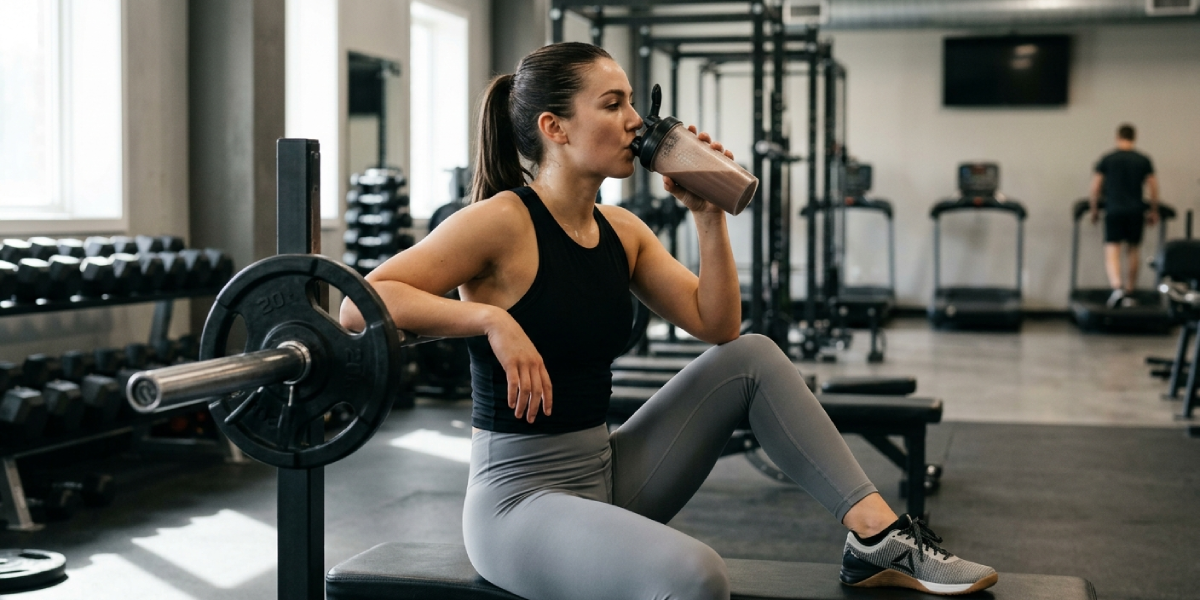
Protein is made of amino acids, and several of them, particularly leucine, act as direct signals that switch on muscle repair processes in your body. Without enough dietary protein, your body simply does not have the raw materials needed to rebuild what exercise has broken down.
Beyond muscle repair, protein after exercise also supports:
- Reduced muscle soreness and faster return to normal function
- Maintenance of lean muscle mass, especially during periods of calorie restriction
- Immune system support, since intense training can temporarily suppress immune function
- Stable energy levels when paired with carbohydrates to replenish glycogen stores
- Long-term strength and performance gains when combined with consistent training
If you are working on a broader fitness routine, it helps to pair good nutrition with a structured plan. You can browse a variety of training approaches in this exercises category to find workouts that match your goals and recovery needs.
How Much Protein Do You Actually Need After Exercise
This is the question people care about most, and thankfully there is solid, consistent research behind it. According to the International Society of Sports Nutrition, an effective protein dose is around 0.25 grams per kilogram of body weight, which generally works out to an absolute range of 20 to 40 grams of high-quality protein per meal.
Healthcare and sports nutrition professionals commonly recommend consuming somewhere between 15 and 25 grams of protein within about two hours after a workout to help kick-start muscle repair. For most moderately active adults, this translates to something practical like a few eggs, a scoop of whey protein, a chicken breast, or a serving of Greek yogurt.
For daily totals rather than single meals, major nutrition and sports medicine organizations, including the Academy of Nutrition and Dietetics and the American College of Sports Medicine, generally recommend a total daily protein intake of 1.2 to 2.0 grams per kilogram of body weight for physically active adults, with some endurance and strength athletes benefiting from amounts toward the higher end of that range.
| Activity Level | Recommended Daily Protein |
|---|---|
| Generally active adult | 1.2 to 1.4 g per kg body weight |
| Strength or resistance training | 1.6 to 2.0 g per kg body weight |
| Endurance athletes | 1.2 to 1.6 g per kg body weight |
| Older adults staying active | 1.2 to 1.6 g per kg body weight |
If you are unsure how your body weight and activity level translate into daily needs, it can help to start with a clear picture of your overall health metrics using the BMI calculator as one reference point alongside your training goals.
Does the “Anabolic Window” Really Exist?
For years, fitness culture pushed the idea that you had a narrow 30-minute window after exercise to consume protein or you would lose out on muscle-building benefits. Current research paints a more relaxed picture. The muscle-building response to exercise actually stays elevated for at least 24 hours, and likely longer, after a training session.
This means the urgency to chug a shake the second you put down the weights is overstated.
What matters far more is your total daily protein intake and consistent distribution across meals. That said, eating protein within a couple of hours after training is still a smart, practical habit, particularly if your last meal was several hours before your workout.
Best Protein Sources for Recovery
Quality matters as much as quantity. Complete proteins, meaning those containing all nine essential amino acids in sufficient amounts, tend to be the most effective for muscle repair. Good options include:
- Lean meats such as chicken, turkey, and lean beef
- Fish and seafood, including salmon and tuna
- Eggs and egg whites
- Dairy products like Greek yogurt, cottage cheese, and milk
- Whey or casein protein powders for convenience
- Plant-based combinations such as beans with rice, tofu, tempeh, and pea protein
If you follow a plant-based diet, you can absolutely meet your protein needs, though it may require slightly higher total intake or a focus on leucine-rich plant sources like soy and pea protein, since plant proteins are generally a bit less efficient at stimulating muscle repair than animal-based options.
Whole Foods vs. Protein Supplements
Protein shakes are convenient, but they are a supplement to your diet, not a replacement for whole foods. Whole food sources bring additional nutrients, such as healthy fats, fiber, vitamins, and minerals, that support recovery in ways an isolated protein powder cannot.
A balanced approach uses both: whole meals as the foundation, and shakes or bars as a backup when time is tight or appetite is low after intense training.
Protein Timing Around Different Types of Exercise

The way you approach protein can shift slightly depending on what kind of training you are doing.
After Strength Training
Resistance training causes more localized muscle damage, so adequate protein intake is particularly important. Aim for 20 to 40 grams within a couple of hours post-workout, and continue spreading protein intake evenly across the rest of the day.
After Endurance Exercise
Long runs, cycling sessions, or swims rely more heavily on glycogen for fuel, so pairing protein with carbohydrates after the workout supports both muscle repair and energy replenishment. A roughly 3-to-1 or 4-to-1 ratio of carbohydrates to protein is a commonly used and well-supported starting point for endurance recovery.
After Light or Moderate Activity
Not every workout demands a dedicated recovery meal. A brisk walk or light yoga session does not create the same degree of muscle breakdown as heavy lifting or a marathon effort, so your regular balanced meals are typically sufficient.
Common Mistakes People Make With Post-Workout Protein
Through years of coaching and answering nutrition questions, certain mistakes come up again and again:
- Focusing only on the post-workout window while neglecting total daily protein intake
- Assuming more protein always equals more muscle, even far beyond what the body can use effectively
- Skipping protein at breakfast and trying to make up for it later in the day
- Relying solely on supplements instead of building meals around whole food protein sources
- Ignoring hydration and sleep, both of which are just as critical to recovery as protein intake
Recovery is a complete picture, not a single nutrient. Sleep quality, hydration, stress levels, and overall dietary patterns all influence how well your body repairs itself. For a broader look at how nutrition and lifestyle choices affect recovery and long-term wellness, the health category offers additional practical guidance.
Putting It All Together
How protein supports your body after exercise is ultimately about supplying the building blocks your muscles need to repair, adapt, and grow stronger over time. You do not need to obsess over a 30-minute window or expensive supplements. Instead, focus on consistently hitting your daily protein target, choosing high-quality sources, and spreading intake across three to five meals or snacks each day.
Combine that with a sensible training program and adequate rest, and your body will recover more efficiently after every workout.
Frequently Asked Questions
How soon after exercise should I eat protein?
Within about two hours of finishing your workout is a practical target, though the so-called anabolic window is much wider than once believed, since muscle protein synthesis stays elevated for many hours after training.
How much protein do I need after a workout?
Most adults benefit from 15 to 40 grams of high-quality protein per meal after exercise, depending on body weight and training intensity.
Can I get enough protein from food alone, or do I need supplements?
Whole foods can absolutely meet your protein needs. Supplements like whey protein are simply a convenient option when time, appetite, or access to food is limited.
Is plant-based protein as effective as animal protein for recovery?
Plant proteins can support recovery effectively, though they are slightly less efficient at stimulating muscle repair per gram, so plant-based eaters may benefit from slightly higher total intake or leucine-rich sources like soy and pea protein.
Does protein timing matter more than total daily intake?
No. Total daily protein intake and consistent distribution across meals matter more than hitting a precise timing window after exercise.
Can eating too much protein be harmful?
For most healthy adults, higher protein intake within recommended athletic ranges is safe. However, those with kidney conditions should consult a healthcare provider before significantly increasing protein intake.
Should I eat protein before or after my workout?
Both can work well. What matters most is that you are consuming adequate protein somewhere around your training session and throughout the day, not specifically before versus after.
Do older adults need more protein after exercise?
Yes, older adults often benefit from protein intake on the higher end of the recommended range, since aging is associated with reduced muscle protein synthesis efficiency, making adequate intake especially important for preserving muscle mass.
What foods give the most protein per serving for recovery?
Lean meats, fish, eggs, Greek yogurt, cottage cheese, and protein powders tend to offer the highest protein density per serving, making them efficient choices for post-workout meals.
Does carbohydrate intake matter for recovery too?
Yes, especially after endurance exercise. Carbohydrates help replenish glycogen stores, and pairing them with protein supports a more complete recovery process.