

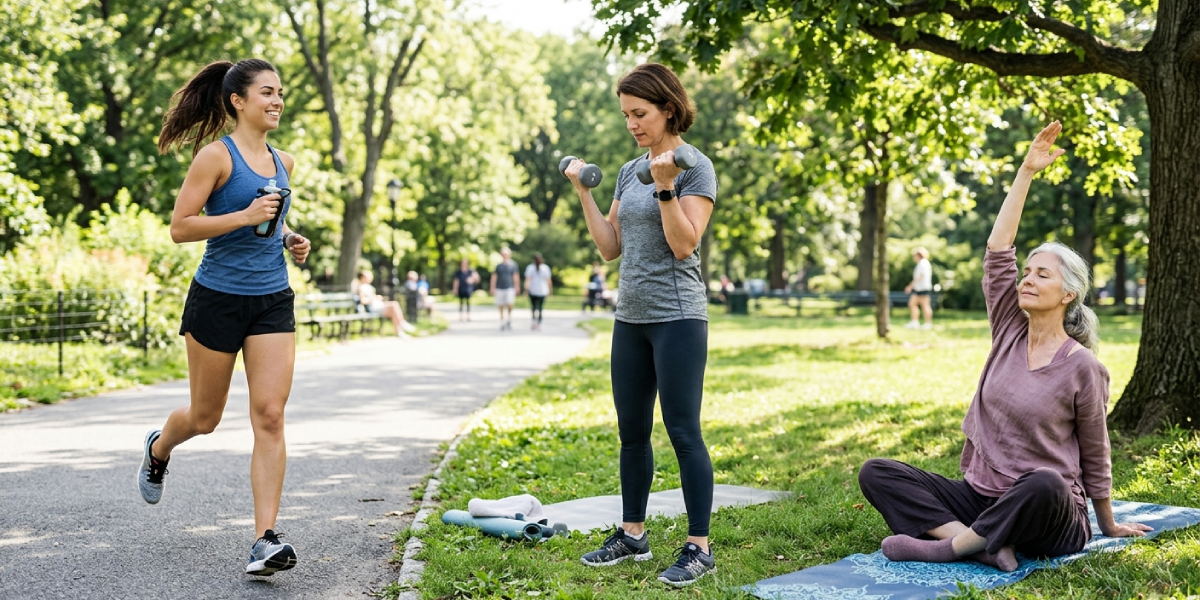
The best exercise routine for women is not a one-size-fits-all formula. A woman’s body changes significantly through her 20s, 30s, 40s, 50s, and beyond, and the way she should train needs to evolve right along with it.
Whether you are just starting your fitness journey, returning after a long break, or looking to optimize what you are already doing, understanding how age-related physiology shapes your exercise needs is the foundation of a smart, sustainable routine.
This guide is built on established exercise science, clinical recommendations from organizations like the American College of Sports Medicine (ACSM) and the World Health Organization (WHO), and practical insights drawn from real-world fitness programming for women. You will not find generic advice here.
Instead, you will find a decade-by-decade breakdown of what your body needs, why it needs it, and exactly how to deliver it.
Why Exercise Needs Change as Women Age
Before diving into the decade-specific recommendations, it helps to understand the biological forces at work. Women experience unique hormonal shifts that directly affect muscle mass, bone density, metabolism, cardiovascular function, and recovery capacity.
Estrogen, a hormone that plays a protective role in bone and muscle health, declines gradually from the late 30s onward and drops sharply during perimenopause and menopause.
After age 30, women begin to lose roughly three to five percent of muscle mass per decade if they do not actively work to preserve it — a process called sarcopenia. Bone density also peaks in the late 20s and begins a slow decline, making weight-bearing and resistance exercise especially critical as women get older.
On the cardiovascular side, resting heart rate, VO2 max, and cardiac output all shift with age, which means cardio programming must adapt accordingly.
The good news is that none of these changes are inevitable in their severity. Research consistently shows that women who engage in structured, age-appropriate exercise can dramatically slow muscle loss, maintain strong bones, protect cardiovascular health, and improve quality of life well into their 70s and 80s.
The key is knowing what type of exercise to prioritize at each stage of life.
Exercise in Your 20s: Building Your Foundation
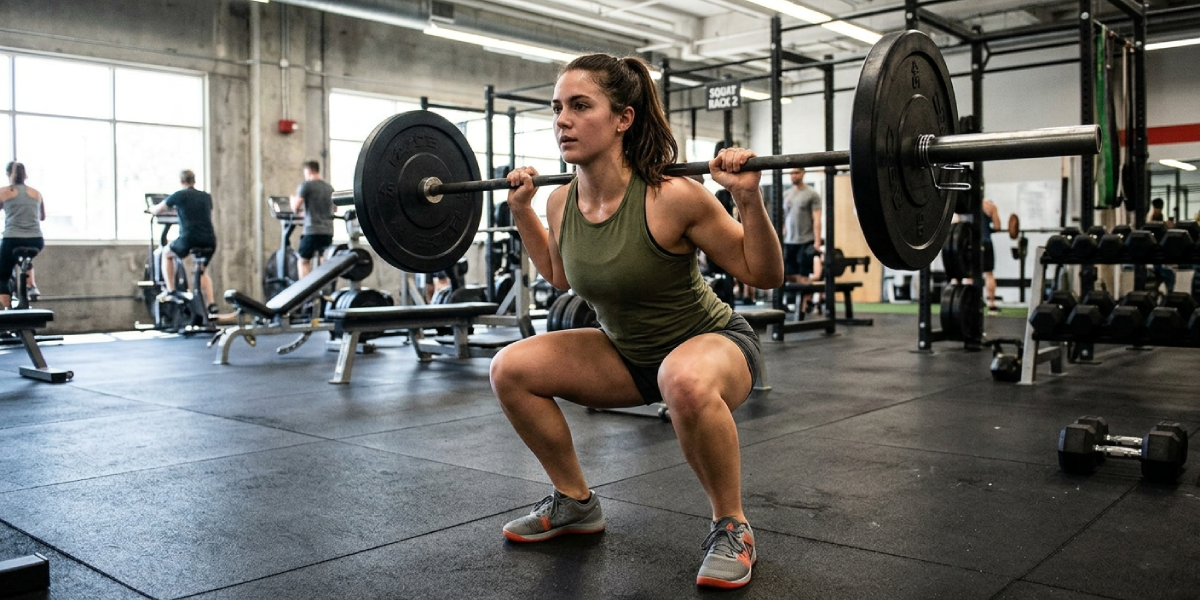
Your 20s represent a prime window for building the physical foundation that will serve you for life. Bone density is still increasing and peaks sometime between your mid-20s and early 30s, which makes this the ideal time to invest heavily in resistance training and high-impact activity.
Muscle mass and recovery speed are both at their peak, and your hormonal environment is highly supportive of strength and endurance gains.
Strength Training: Your Most Important Investment
Women in their 20s should prioritize compound strength training three to four days per week. Compound movements — squats, deadlifts, bench press, overhead press, rows, and pull-ups — work multiple muscle groups simultaneously, build functional strength, and stimulate bone formation.
Aim to progressively increase the load over time rather than staying at comfortable, easy weights. Progressive overload is the engine of both strength and bone density gains.
A solid weekly structure might look like two lower-body days and two upper-body days, or a push-pull split. Including one or two full-body sessions is also effective for beginners. Sets in the range of three to five, with six to twelve repetitions per set, are well-supported by research for hypertrophy and strength development.
Cardio and High-Impact Activity
Cardiovascular fitness in your 20s should include a mix of moderate-intensity steady-state cardio (like running, cycling, or swimming) and higher-intensity intervals. The WHO recommends at least 150 to 300 minutes of moderate-intensity aerobic activity or 75 to 150 minutes of vigorous-intensity activity per week for adults.
High-impact activities like running and jumping are particularly valuable in your 20s because they stimulate bone remodeling and help you bank bone density before the natural decline begins.
Flexibility and Recovery
Recovery tends to be faster in your 20s, but that does not mean it should be ignored. Incorporating mobility work, stretching, and at least one full rest day per week will help prevent overuse injuries and keep connective tissues healthy for decades to come.
This is also a good time to establish habits like consistent sleep, adequate protein intake, and regular hydration — all of which underpin long-term athletic performance.
Exercise in Your 30s: Maintaining Gains and Managing Life
The 30s often bring increased professional demands, relationship responsibilities, and, for many women, pregnancy or postpartum recovery. Training time may become more limited, and the body begins to show early signs of the hormonal and metabolic changes that accelerate in the next decade.
Recovery takes slightly longer, and injury risk increases if programming is not thoughtful.
Keep Lifting, and Lift Heavier
Resistance training remains the cornerstone of a healthy exercise routine in your 30s. Muscle mass maintenance requires consistent stimulus, and this is the decade where many women notice the first signs of body composition shifting — more fat accumulation around the midsection, a slower metabolism — if they reduce or eliminate strength work.
Continuing to prioritize compound lifts, and continuing to progressively load them, is the single most effective counter-strategy.
If time is a constraint, three full-body strength sessions per week are highly effective. Supersets (pairing two exercises back to back) can reduce session time without sacrificing training quality.
Cardio That Works Smarter
In your 30s, high-intensity interval training (HIIT) becomes particularly time-efficient and effective. Short HIIT sessions of 20 to 30 minutes deliver cardiovascular benefits comparable to longer steady-state sessions, while also stimulating muscle preservation and metabolic function.
Two HIIT sessions per week combined with one or two moderate-intensity cardio sessions is a practical and well-balanced approach.
Prenatal and Postpartum Considerations
For women who experience pregnancy in their 30s, exercise guidelines from the ACSM and American College of Obstetricians and Gynecologists (ACOG) support continued physical activity throughout a healthy pregnancy. Pelvic floor training, modified strength work, and low-impact cardio are generally safe and beneficial.
Postpartum, the pelvic floor and deep core must be rehabilitated before returning to high-impact or heavy loading activity, ideally under the guidance of a women’s health physiotherapist.
Exercise in Your 40s: The Hormonal Transition Decade
The 40s are often described as a turning point in women’s fitness, and for good reason. Perimenopause — the transition period leading to menopause — typically begins in the early to mid-40s and can last anywhere from a few years to a decade.
Estrogen begins to fluctuate and decline more noticeably, which accelerates bone density loss, increases visceral fat accumulation, and contributes to mood changes, sleep disruption, and energy fluctuations.
These changes make strategic exercise more important than ever, and understanding the right types of exercises becomes critical for managing hormonal symptoms and maintaining long-term health.
Prioritize Resistance Training Above All Else
If there is one non-negotiable for women in their 40s, it is resistance training. Strength work directly counteracts the muscle and bone loss driven by declining estrogen.
Research published in journals such as Menopause and Osteoporosis International consistently demonstrates that progressive resistance training preserves bone mineral density, maintains muscle mass, improves insulin sensitivity, and reduces the risk of metabolic syndrome in perimenopausal women.
Aim for three to four resistance training sessions per week, including exercises that load the spine and hips — deadlifts, squats, lunges, step-ups, and hip hinges — as these areas are most vulnerable to osteoporosis-related fractures later in life.
Balance and Coordination Work
Falls become a growing concern as women enter their 40s and 50s, partly due to changes in proprioception and neuromuscular coordination. Adding single-leg exercises, balance board work, and functional movement patterns helps maintain the neuromuscular control that prevents falls and supports joint health.
Managing Cardio Through Hormonal Fluctuation
Many women in perimenopause find that their tolerance for prolonged high-intensity cardio decreases, and that recovery from intense sessions takes longer. This is partly driven by cortisol dysregulation and HPA axis sensitivity that accompany estrogen decline.
Lower-to-moderate intensity cardio — brisk walking, cycling, swimming, rowing — becomes more appropriate for most sessions, with HIIT reserved for one or two days per week when energy levels allow.
Exercise in Your 50s: Protecting Bone, Muscle, and Heart
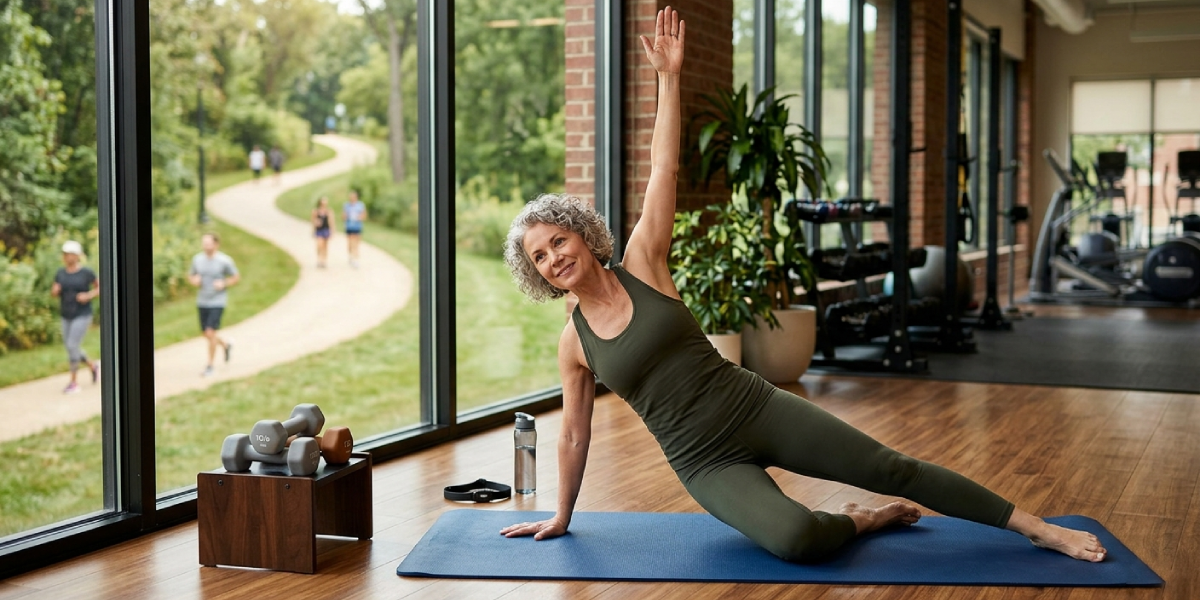
By the time women enter their 50s, most have completed the menopause transition. The hormonal environment has stabilized at lower estrogen levels, but the protective work of exercise is more important than at any previous decade.
Bone loss accelerates in the first two to three years post-menopause and then continues at a slower rate. Cardiovascular disease risk, which was partially mitigated by estrogen’s protective effects on blood vessels, increases significantly after menopause.
Tracking overall health indicators during this phase is especially valuable. Tools like a BMI calculator can help women monitor body composition trends alongside their fitness program, though BMI should always be interpreted alongside other health markers such as waist circumference, blood pressure, and blood glucose levels.
Strength Training for Bone Density
Resistance training in the 50s should emphasize bone-loading movements performed with sufficient intensity to stimulate osteoblast activity. Light weights with high repetitions do not provide adequate mechanical stimulus for bone.
Research supports using loads that challenge you within the six to twelve rep range as the most effective approach for bone preservation.
Exercises that compress or impact the spine and long bones of the lower body — including squats, deadlifts, step-ups, and resistance-based jumping — are particularly effective.
Women who have been diagnosed with osteopenia or osteoporosis should work with a qualified exercise physiologist to modify high-impact movements while still achieving adequate loading.
Cardiovascular Exercise for Heart Health
Aerobic exercise is a direct countermeasure to the increased cardiovascular risk that comes with post-menopause. The ACSM recommends that women in this age group aim for at least 150 minutes of moderate-intensity aerobic activity per week, with attention to heart rate monitoring and gradual progression.
Walking, swimming, cycling, and low-impact dance or aerobics are all excellent choices that deliver cardiovascular benefit with lower injury risk.
Yoga, Pilates, and Mind-Body Exercise
The 50s are also a powerful time to integrate mind-body practices. Yoga and Pilates both improve flexibility, core strength, balance, and stress management — all of which become increasingly relevant as women navigate hormonal changes, potential joint stiffness, and the psychological dimensions of aging.
These modalities complement rather than replace strength and cardio work, and evidence supports their role in improving quality of life and functional independence.
Exercise in Your 60s and Beyond: Functional Fitness and Longevity
Fitness in the 60s, 70s, and beyond is fundamentally about maintaining the functional capacity to live an independent, active, and enjoyable life. The goals shift from performance optimization toward preserving mobility, preventing falls, managing chronic conditions, and sustaining cognitive health.
The good news is that it is never too late to begin or resume exercise — research has documented meaningful muscle, bone, and cardiovascular gains even in women who begin structured training in their 70s and 80s.
Functional Strength Training
Resistance training remains essential. The focus should include movements that mirror real-life demands: sitting and standing from a chair (squatting), carrying objects (loaded carries), reaching overhead, and maintaining stability on one leg.
Chair-based resistance exercises, resistance band work, and machine-based training at a gym are all effective options for women who may have joint limitations.
Two to three strength sessions per week are recommended, with particular attention to the lower body and postural muscles of the back and shoulders. Falls are the leading cause of injury-related death in older adults, and strong legs and a stable core are the primary defense.
Daily Movement and Walking
For women in their 60s and beyond, increasing overall daily movement is as important as structured exercise sessions. Regular walking — aiming for 7,000 to 10,000 steps per day — provides cardiovascular benefit, maintains joint mobility, supports weight management, and has been linked to reduced risk of cognitive decline. Walking is accessible, low-impact, and highly sustainable.
Exploring additional health-focused lifestyle practices alongside a structured movement program can further amplify the benefits of exercise in this life stage.
Key Principles That Apply at Every Age
While the specifics change decade by decade, several principles hold true for women’s exercise at every age. Consistency outperforms intensity — showing up regularly with moderate effort produces far better long-term results than sporadic bursts of extreme training.
Adequate protein intake (a minimum of 1.2 to 1.6 grams per kilogram of body weight per day) is essential for muscle synthesis and repair at all ages, and this need increases with age. Sleep is non-negotiable; the majority of muscular repair and hormonal recovery occurs during deep sleep.
And progressive overload — gradually increasing challenge over time — is what drives continued improvement regardless of age or fitness level.
| Age Decade | Primary Focus | Recommended Weekly Frequency | Key Concern |
|---|---|---|---|
| 20s | Building strength and bone density | 3–4 strength + 2–3 cardio sessions | Establishing long-term habits |
| 30s | Maintaining gains, managing time | 3 strength + 2 cardio/HIIT sessions | Muscle preservation, pregnancy adaptation |
| 40s | Hormonal transition, bone loading | 3–4 strength + 2–3 low/mod cardio sessions | Perimenopause symptoms, balance |
| 50s | Bone density, cardiovascular health | 3 strength + 3 cardio + 1–2 yoga/Pilates | Post-menopause bone loss, heart risk |
| 60s+ | Functional fitness and fall prevention | 2–3 strength + daily walking + mobility | Falls, independence, cognitive health |
Creating Your Personal Routine: Where to Start
The best exercise routine is the one you will actually do consistently. Starting with a realistic assessment of your current fitness level, available time, and any physical limitations is more important than following any ideal program on paper.
If you have been sedentary, beginning with two to three days of activity per week and progressively building from there is both safer and more sustainable than jumping into a five-day program.
Consider working with a certified personal trainer or exercise physiologist, at least initially, to ensure your technique is sound and your program is appropriately designed for your goals and health history.
If you have any chronic health conditions, recent injuries, or have not exercised in several years, a brief conversation with your physician before starting is a sensible first step.
Above all, remember that every session counts. The women who age with the most vitality and physical freedom are not necessarily those who trained the hardest — they are the ones who trained the most consistently, adapted intelligently, and never stopped moving.
Frequently Asked Questions
What is the best exercise routine for women in their 40s?
Women in their 40s benefit most from a routine that prioritizes resistance training three to four times per week combined with moderate-intensity cardiovascular exercise and balance work. Given the hormonal shifts of perimenopause, bone-loading strength exercises and low-to-moderate cardio with occasional HIIT sessions provide the best combination of muscle preservation, bone protection, and cardiovascular health during this transitional decade.
How often should women exercise each week?
The WHO recommends a minimum of 150 to 300 minutes of moderate-intensity aerobic activity per week for adult women, plus muscle-strengthening activities on two or more days per week. In practical terms, most women benefit from three to five structured sessions per week, depending on their age, goals, and recovery capacity. Daily movement outside of formal exercise sessions — such as walking — is equally important.
Is strength training safe for older women?
Yes, and it is not just safe — it is essential. Resistance training is one of the most evidence-backed interventions for preventing osteoporosis, maintaining muscle mass, improving balance, and reducing fall risk in older women. Even women who begin strength training in their 70s experience significant improvements in bone density, muscle strength, and functional independence. Appropriate load, good technique, and gradual progression make resistance training safe and highly effective at any age.
Can exercise help with menopause symptoms?
Research supports that regular physical activity can meaningfully reduce several menopause symptoms, including mood disturbances, sleep disruption, weight gain, and fatigue. Resistance training and aerobic exercise together appear to be more effective than either alone. While exercise does not eliminate hot flashes for all women, those who are physically active report lower severity and frequency of vasomotor symptoms compared to sedentary women. Exercise also protects against the increased cardiovascular and bone health risks associated with declining estrogen.
What types of exercise are best for weight management in women?
A combination of resistance training and cardiovascular exercise is most effective for long-term weight management in women. Strength training increases resting metabolic rate by building and preserving metabolically active muscle tissue, while cardio burns calories during the session. Crash diets or cardio-only approaches tend to cause muscle loss along with fat loss, ultimately slowing the metabolism. A protein-sufficient diet paired with consistent resistance and aerobic training is the most sustainable and evidence-supported approach.
How does exercise change during and after pregnancy?
Exercise during a healthy pregnancy is generally safe and beneficial, but should be modified under medical guidance. High-impact activities, heavy loaded spinal compression, and supine exercises in the second and third trimesters are typically modified or avoided. Pelvic floor exercises, swimming, walking, and modified strength work are commonly recommended. Postpartum return to exercise should be gradual, with pelvic floor rehabilitation and deep core restoration prioritized before resuming high-impact or heavy lifting activities, ideally guided by a women’s health physiotherapist.
How much protein do women need when exercising regularly?
Women who exercise regularly require more dietary protein than the standard general population recommendations. Most exercise science bodies recommend between 1.2 and 1.6 grams of protein per kilogram of body weight per day for active women, with some research supporting up to 2.0 grams per kilogram for women engaged in heavy resistance training or in older age groups where muscle protein synthesis efficiency declines. Distributing protein intake evenly across three to four meals per day optimizes muscle repair and synthesis.
What is the best exercise routine for women trying to improve bone density?
The most effective exercises for building and maintaining bone density are weight-bearing and resistance-based activities that load the skeleton. This includes compound strength exercises like squats, deadlifts, lunges, and overhead pressing, along with high-impact activities such as running, jumping, and step aerobics. These movements create mechanical stress on the bones, which stimulates osteoblast activity and bone formation. Swimming and cycling, while excellent for cardiovascular health, do not provide the gravitational and impact loading necessary to stimulate bone density improvements.
Is it too late to start exercising in my 60s or 70s?
It is absolutely not too late. Scientific literature consistently shows that women who begin structured exercise programs in their 60s, 70s, and even 80s experience significant improvements in muscle mass, bone density, cardiovascular fitness, balance, cognitive function, and quality of life. The human body retains a remarkable capacity to adapt to exercise at every age. Beginning with gentle, progressive activity and building gradually is the appropriate approach, and the return on investment in terms of functional independence and longevity is substantial.
Should women do different exercises than men?
The fundamental principles of exercise — progressive overload, specificity, recovery, and consistency — apply equally to women and men. However, women benefit from giving particular attention to bone density preservation through weight-bearing exercise, pelvic floor health especially around reproductive life events, and the hormonal context of perimenopause and menopause when programming cardio intensity and recovery time. Women also have greater flexibility on average and may need to pay more attention to hip and knee stability due to anatomical differences in joint alignment. Overall, women should follow evidence-based strength and cardio programming tailored to their health history and life stage rather than following programs designed exclusively around male physiology.