

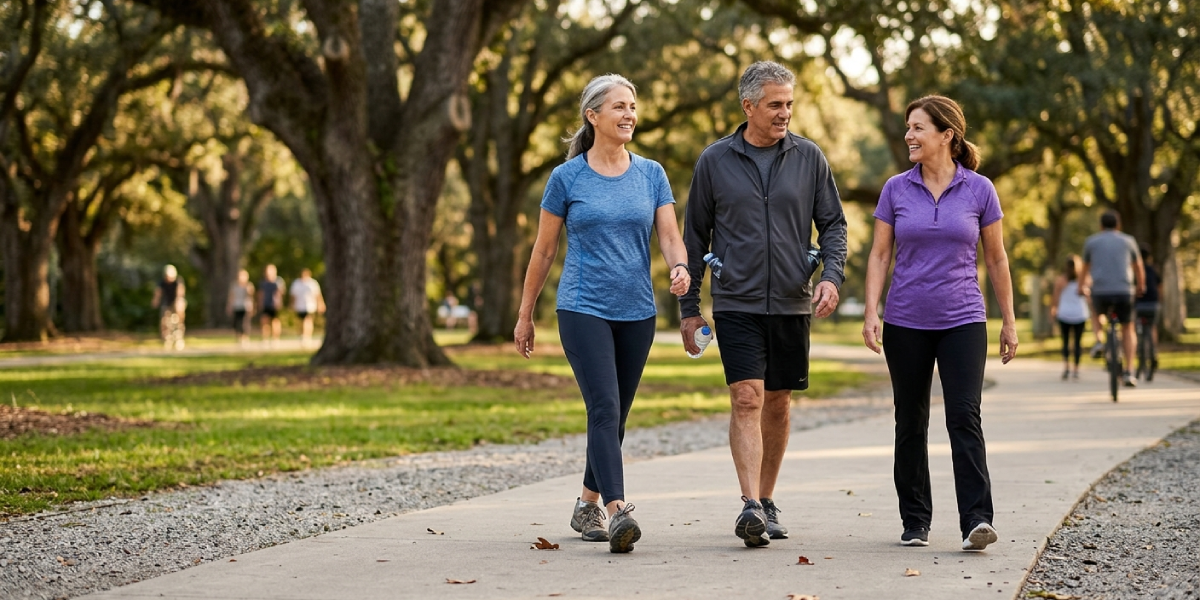
The health benefits of walking exercise are some of the most well-documented in modern medicine, yet walking remains one of the most underrated forms of physical activity available to us. It requires no gym membership, no expensive equipment, and no prior fitness experience.
Whether you are just starting your wellness journey or looking to deepen an existing routine, understanding what a daily walk can do for your body and mind is the first step toward lasting change.
Why Walking Is One of the Most Effective Forms of Exercise
Walking is classified as a low-impact aerobic activity, which means it elevates your heart rate and engages your cardiovascular system without placing excessive stress on your joints. This makes it uniquely accessible to people of almost every age and fitness level, including those recovering from injury, managing chronic conditions, or returning to exercise after a long break.
Research consistently shows that regular walking reduces the risk of several serious health conditions. According to the American Heart Association, walking just 30 minutes a day on most days of the week can significantly lower the risk of coronary heart disease, improve blood pressure, and help manage cholesterol levels.
These are not minor benefits. Heart disease remains the leading cause of death worldwide, which means incorporating more steps into your daily life is genuinely life-extending for many people.
Beyond cardiovascular protection, walking activates large muscle groups in the legs, glutes, and core. Over time, this sustained muscle engagement improves strength, balance, and posture. For older adults especially, better balance directly reduces the risk of falls, which are a leading cause of injury and hospitalization in that population.
The Physical Health Benefits of Walking Exercise
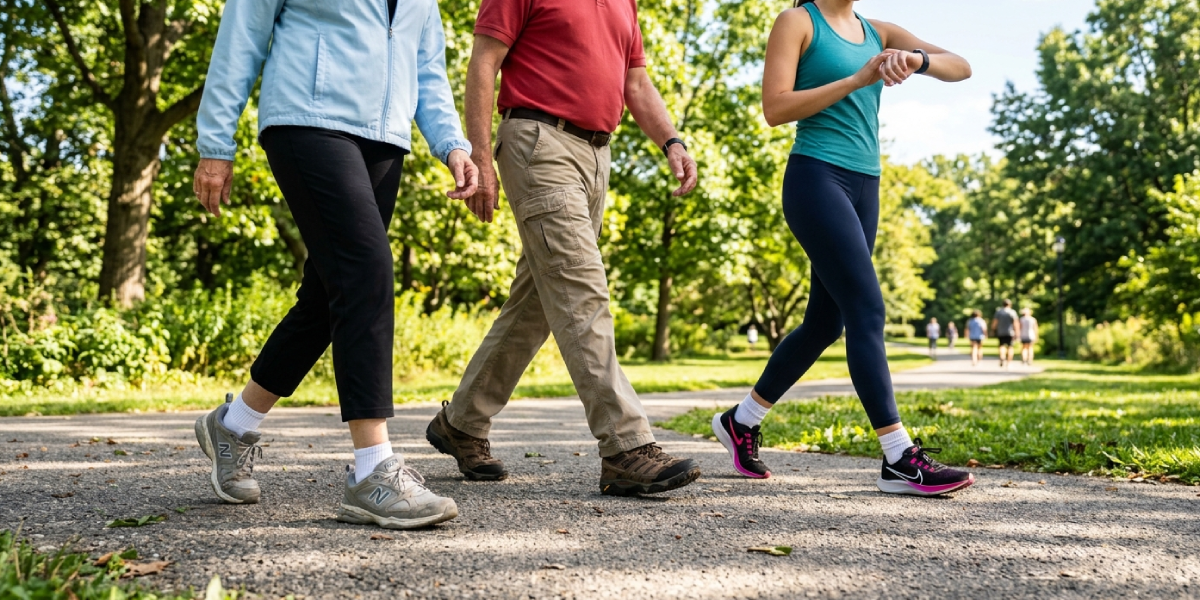
The body responds to regular walking in several interconnected ways. Here is a closer look at the most significant physical benefits backed by established research and clinical practice.
Cardiovascular Health
Walking strengthens the heart muscle over time. As a sustained aerobic activity, it trains the cardiovascular system to pump blood more efficiently, which lowers resting heart rate and reduces the strain on the heart.
Studies published in major cardiology journals have found that people who walk regularly have a meaningfully lower risk of stroke, heart attack, and peripheral artery disease compared to sedentary individuals.
Weight Management and Metabolism
While walking may not burn calories as rapidly as high-intensity exercise, its sustainability makes it a powerful tool for weight management. A brisk 30-minute walk burns roughly 150 to 200 calories depending on body weight and terrain.
More importantly, consistent daily walking helps regulate insulin sensitivity and metabolic rate, both of which are critical factors in maintaining a healthy weight long-term. You can use a BMI calculator to understand where you currently stand and track how your body composition changes as you build a walking habit.
Blood Sugar Regulation
One of the most clinically significant benefits of walking is its effect on blood glucose levels. Taking a 10 to 15 minute walk after meals has been shown to lower post-meal blood sugar spikes more effectively than a single longer walk taken at another time of day.
For people managing type 2 diabetes or prediabetes, this simple habit can have a meaningful impact on glycemic control without medication adjustments.
Bone Density and Joint Health
Because walking is a weight-bearing activity, it stimulates bone remodeling and helps maintain bone density, which declines naturally with age. This is particularly important for women post-menopause, who face a heightened risk of osteoporosis.
Walking also promotes the circulation of synovial fluid in the joints, which lubricates cartilage and reduces stiffness, making it beneficial for people with mild to moderate arthritis.
Immune System Support
Moderate-intensity exercise like walking has a well-established positive effect on immune function. Regular walkers tend to experience fewer colds and upper respiratory infections than their sedentary counterparts.
Walking promotes the circulation of immune cells throughout the body and reduces systemic inflammation, which is increasingly recognized as an underlying factor in many chronic diseases.
The Mental and Emotional Health Benefits of Walking
The psychological rewards of walking are just as compelling as the physical ones, and they tend to emerge quickly even in people who are new to regular exercise.
Stress Reduction and Mood Improvement
Walking triggers the release of endorphins, the brain’s natural mood-elevating chemicals. It also reduces levels of cortisol, the primary stress hormone. Even a 20-minute walk has been shown to produce a measurable improvement in mood and a reduction in feelings of anxiety and tension.
For many people, the rhythm of walking outdoors provides a form of moving meditation that quiets mental chatter and restores perspective.
Cognitive Function and Brain Health
Regular aerobic walking increases blood flow to the brain, which supports the growth of new neural connections and may slow age-related cognitive decline. Research from institutions including Harvard Medical School has found that older adults who walk regularly perform better on memory and attention tasks than those who are sedentary.
Emerging evidence also suggests that walking in natural environments amplifies these cognitive benefits compared to walking on a treadmill or in an urban setting.
Better Sleep Quality
People who walk regularly report falling asleep faster and sleeping more deeply than those who are inactive. Walking helps regulate circadian rhythms by exposing you to natural light, especially when done in the morning. It also reduces the physical tension and mental restlessness that commonly interfere with sleep onset and quality.
How Many Steps Per Day Do You Actually Need?

The widely cited target of 10,000 steps per day originated as a marketing figure from a Japanese pedometer campaign in the 1960s rather than from clinical research. More recent studies suggest that the relationship between steps and health is not a simple cliff-edge threshold.
A landmark study published in JAMA Internal Medicine found that people who averaged approximately 7,000 to 8,000 steps per day had a significantly lower mortality risk than those averaging 2,000 to 4,000 steps.
The benefits continued to increase up to around 10,000 steps but plateaued and did not dramatically increase beyond that for most people. This means that if you currently average 3,000 steps a day, increasing to 6,000 will have a far greater health impact than going from 9,000 to 12,000.
For general health maintenance, most major health organizations including the Centers for Disease Control and Prevention recommend 150 minutes of moderate-intensity activity per week, which translates to about 30 minutes of brisk walking five days per week. Brisk walking means walking at a pace where you can hold a conversation but would find it difficult to sing.
Practical Strategies to Get More Steps Every Day
Understanding the benefits is one thing. Building the habit is another. Here are evidence-backed and practically tested strategies to increase your daily step count in a sustainable way.
Start Smaller Than You Think You Need To
One of the most common mistakes people make when starting a new exercise habit is setting an initial target that is too ambitious to maintain. If you currently walk 2,000 steps a day, aiming for 10,000 tomorrow will likely lead to soreness and discouragement.
A more effective approach is to add 1,000 to 2,000 steps per week until you reach your goal. Small, consistent increases compound over time without triggering the burnout cycle that derails so many fitness efforts.
Reframe Walking as Transportation
Rather than treating walking as a dedicated workout block on your calendar, look for ways to integrate it into existing travel. Walking to nearby errands, taking the stairs instead of the elevator, parking at the far end of a car park, and getting off public transit one stop early are all frictionless ways to accumulate steps without carving out extra time. Many people find that this approach adds 2,000 to 4,000 steps per day without any additional planning.
Use a Tracker Consistently
Wearing a step counter or fitness tracker makes invisible behavior visible. Research on behavior change consistently shows that monitoring a target activity increases it, a phenomenon known as the Hawthorne effect. You do not need an expensive device.
A basic pedometer or a free smartphone health app is sufficient to provide the feedback loop that keeps motivation engaged.
Build a Walking Routine Around Anchor Habits
Attach your walk to an existing daily habit that already has a reliable trigger. A short walk after your morning coffee, after lunch, or before dinner uses a proven habit-stacking technique to reduce the mental effort required to initiate exercise.
Over time, the cue from the existing habit automatically prompts the walk, and it becomes part of your default day rather than a separate decision.
Walk With a Purpose or a Partner
Social accountability is one of the strongest predictors of exercise consistency. Walking with a friend, family member, or colleague transforms the activity into a social interaction, making it something you look forward to rather than something you have to do. If a walking partner is not available, podcasts, audiobooks, and music can make solo walks more enjoyable and mentally stimulating.
Break Up Sedentary Time
For people with desk-based jobs, long periods of sitting are a significant health risk independent of whether they exercise during other parts of the day. Setting a timer to stand and take a 5-minute walk every hour not only adds steps but also counteracts the metabolic slowdown and muscle tension that accumulate during extended sitting.
Several studies suggest that breaking up sitting time with short walks has benefits beyond what is achieved through a single daily exercise session.
A Comparison of Walking Intensities and Their Benefits
| Walking Pace | Speed (mph) | Steps per Minute | Primary Benefit |
|---|---|---|---|
| Leisurely stroll | 2.0 to 2.5 | 70 to 90 | Mental relaxation, light circulation |
| Moderate walk | 2.5 to 3.5 | 90 to 110 | Cardiovascular health, calorie burn |
| Brisk walk | 3.5 to 4.5 | 110 to 130 | Aerobic conditioning, blood sugar control |
| Power walk | 4.5 to 5.5 | 130 to 150 | High calorie burn, cardiovascular endurance |
How to Make Your Walk More Effective Without More Time
If you are already walking regularly and want to amplify the health benefits without lengthening your sessions, a few modifications can significantly increase the workout quality.
Add Inclines
Walking uphill engages the glutes, hamstrings, and calves more intensively than flat walking and elevates the cardiovascular demand considerably. Seeking out hilly routes or increasing the incline on a treadmill by even two to three degrees can double the calorie burn and muscle activation of a standard walk.
Incorporate Interval Walking
Alternating between 1 minute of brisk walking and 1 to 2 minutes of moderate walking introduces interval training principles to your walk. This approach has been shown to improve cardiovascular fitness and insulin sensitivity more effectively than continuous moderate walking over the same duration.
Engage Your Upper Body
Consciously pumping your arms, maintaining an upright posture, and engaging your core muscles while walking increases overall energy expenditure and strengthens the upper body. Nordic walking, which uses poles for propulsion, takes this further and engages roughly 90 percent of the body’s muscles compared to about 70 percent in standard walking.
Integrating Walking Into a Broader Health and Fitness Strategy
Walking is an outstanding standalone activity, but it works best as part of a broader approach to physical wellbeing. Combining regular walking with a nutrient-rich diet, adequate sleep, and strength training two to three times per week creates a comprehensive foundation for long-term health.
Exploring a range of exercises that complement your walking routine can help you build strength, flexibility, and resilience that walking alone does not fully address.
It is also worth connecting walking habits to broader health goals. Weight management, blood pressure reduction, mood regulation, and disease prevention are all areas where walking provides compounding benefits when it is practiced consistently over months and years rather than treated as a short-term intervention.
Safety and Practical Tips for Walking of All Fitness Levels
Walking is generally very safe, but a few practical considerations help ensure your routine is comfortable and injury-free.
- Invest in supportive footwear. A well-fitted walking shoe with adequate arch support and cushioning prevents blisters, shin splints, and knee discomfort that can derail a new walking habit.
- Warm up and cool down. Start each walk at a gentle pace for 5 minutes before increasing your speed, and end the same way. This primes the cardiovascular system and reduces muscle soreness.
- Stay hydrated. Even moderate walking in warm weather increases fluid loss. Drinking water before and after your walk maintains performance and prevents fatigue.
- Consult a healthcare provider if needed. If you have a heart condition, joint disease, or another chronic health issue, getting guidance from your doctor before significantly increasing your activity level is a sensible precaution.
- Be visible when walking near traffic. Wearing bright or reflective clothing and walking toward oncoming traffic are basic safety habits that are easy to overlook but important to practice.
Frequently Asked Questions
How many steps per day do I need for good health?
Most research suggests that reaching 7,000 to 8,000 steps per day provides substantial health benefits for most adults. The classic 10,000-step target is a useful motivational benchmark, but even modest increases from your current baseline will produce meaningful improvements in cardiovascular health, blood sugar, and mood. Start where you are and build gradually.
Is walking enough exercise on its own?
For general health maintenance and disease prevention, walking can be sufficient, especially when done at a brisk pace for 150 or more minutes per week. However, to also build muscular strength and maintain bone density fully, adding resistance or weight training two to three times per week is recommended alongside your walking routine.
What is the best time of day to walk for health benefits?
The best time to walk is whichever time you can do consistently. That said, a morning walk exposes you to natural light early in the day, which supports circadian rhythm regulation and better sleep. A walk after meals, particularly after dinner, is especially effective at managing blood sugar levels and aiding digestion.
Does walking help with weight loss?
Yes, walking contributes to weight loss by burning calories and improving metabolic health. The effect is modest compared to high-intensity exercise, but walking’s sustainability means most people stick with it longer, making the cumulative calorie deficit more significant over time. Combining brisk walking with a balanced diet is a reliable and gentle approach to gradual weight management.
How fast should I walk to get cardiovascular benefits?
A brisk walking pace of around 3.5 to 4.5 miles per hour is generally considered the threshold for cardiovascular aerobic benefit. A practical gauge is the talk test: if you can speak in full sentences but would struggle to sing, you are walking at the right intensity. If you can comfortably sing, try picking up the pace slightly.
Can walking reduce the risk of chronic diseases?
Yes. Regular walking is associated with a reduced risk of type 2 diabetes, cardiovascular disease, certain cancers, hypertension, and osteoporosis. These protective effects become more pronounced with consistency over years rather than weeks, which is why building walking into a long-term daily habit is more valuable than occasional intensive efforts.
Is it better to walk one long session or multiple short sessions?
Both approaches provide health benefits, and research supports the effectiveness of accumulated short bouts of walking. Three 10-minute walks spread across the day can produce cardiovascular and metabolic benefits comparable to a single 30-minute walk. Short sessions are also easier to fit into a busy schedule, which improves consistency, and breaking up sitting time throughout the day has independent health benefits beyond the exercise itself.
What should I do if I experience knee or foot pain while walking?
Mild discomfort when starting a new walking routine is common as your body adapts, but sharp or persistent pain is a signal to stop and assess. Check your footwear first, as unsupportive shoes are a frequent cause of lower limb pain. Reduce your distance and pace temporarily, and consider walking on softer surfaces like grass or a track. If pain persists beyond a few days, consult a physiotherapist or sports medicine professional before continuing.
Does walking improve mental health?
Yes, significantly. Walking reliably reduces anxiety and depressive symptoms, improves mood through endorphin release, lowers cortisol, and supports better sleep, all of which contribute to mental wellbeing. Walking in natural outdoor environments amplifies these effects further. Many mental health professionals now recommend regular walking as a complementary strategy alongside other treatments for mild to moderate anxiety and depression.
How do I stay motivated to walk consistently?
Tracking your steps provides immediate feedback and makes progress visible. Setting specific and realistic goals, walking with a companion, choosing routes you enjoy, and attaching your walk to existing daily habits like morning coffee or an evening routine are all highly effective at sustaining motivation over the long term. Vary your routes occasionally to prevent boredom, and celebrate incremental milestones rather than waiting for dramatic results.