

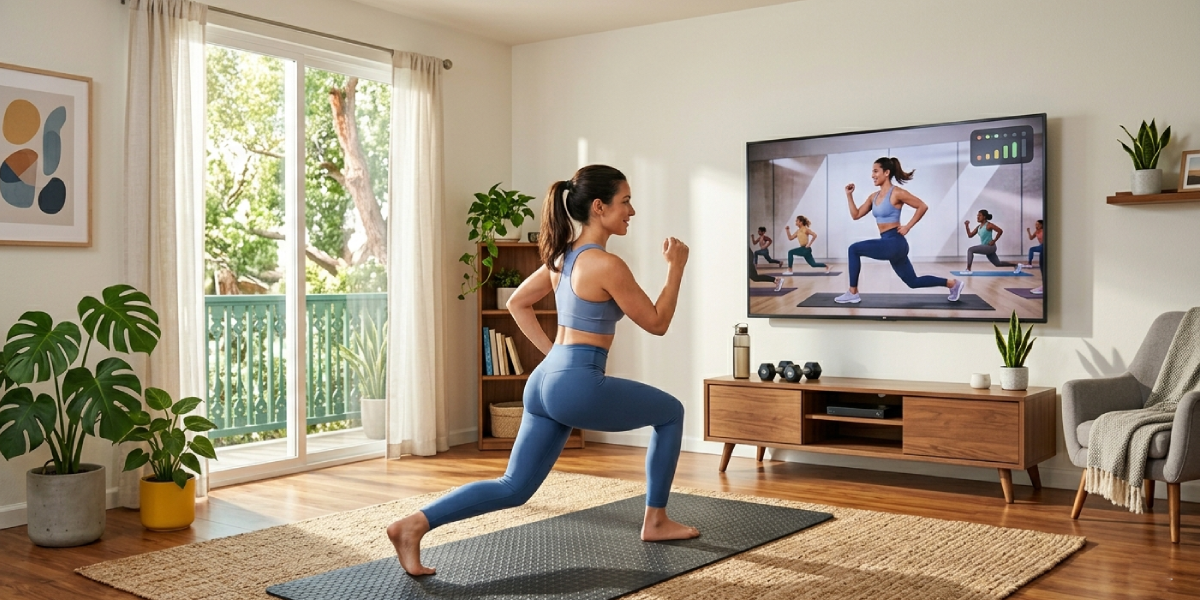
Finding the best free exercise videos to work out at home has never been easier — or more overwhelming. With thousands of channels, platforms, and trainers competing for your attention, knowing which ones are actually worth your time can be a real challenge.
Whether you are a complete beginner stepping onto a yoga mat for the first time or a seasoned athlete looking to mix up your routine, the right video workout can be a genuine game-changer. This guide cuts through the noise with honest, experience-backed recommendations you can trust and start using today.
Why Home Workout Videos Are a Smart Choice
Home exercise has moved far beyond the era of grainy VHS aerobics tapes. Today’s free workout videos are produced by certified trainers, sports scientists, and professional athletes who deliver structured, progressive programming that rivals what you might find inside an expensive gym.
The benefits are hard to argue with: zero commute, no membership fee, a fully flexible schedule, and the ability to work at your own pace in your own space.
Research consistently shows that adherence — simply sticking with an exercise plan — is the single most important factor in long-term fitness success. Home workouts reduce the friction that causes people to quit. When your gym is ten steps from your bedroom, you are far more likely to show up regularly.
Combine that accessibility with high-quality free content and you have a genuinely powerful recipe for better health.
Tracking your progress is also easier than ever. Many fitness enthusiasts pair their workout videos with tools like a BMI calculator to monitor where they are starting from and chart meaningful changes over time. Understanding your baseline helps you choose the right workout intensity and set realistic, motivating goals.
What to Look for in a Free Exercise Video
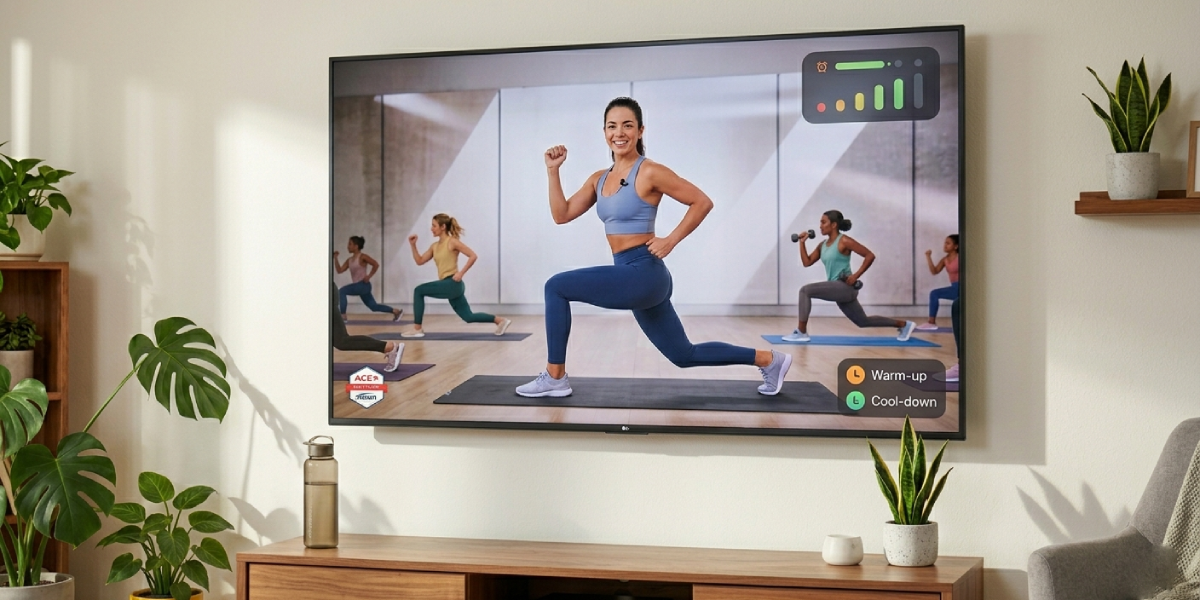
Not all workout videos are created equal. Before you commit to a channel or a program, there are a few quality markers worth checking.
- Certified instruction: Look for trainers who hold credentials from recognized organizations such as NASM, ACE, NSCA, or ACSM. Certification signals that the instructor understands human anatomy, injury prevention, and progressive overload principles.
- Clear cueing: A good instructor narrates both what to do and how to do it correctly. Form cues should be specific and easy to follow, even without a mirror.
- Warm-up and cool-down: Any reputable workout video should include both. Skipping these phases dramatically increases injury risk and impairs recovery.
- Modifications: Quality content offers easier and harder variations for each movement so that people at different fitness levels can participate safely.
- Production clarity: The video does not need a Hollywood budget, but you should be able to see the trainer’s body clearly and hear their voice without straining.
The Best Free Platforms for Home Workout Videos
YouTube: The Gold Standard for Free Fitness Content
YouTube remains the undisputed hub for free exercise videos. The platform hosts billions of workout sessions across every conceivable category — strength training, cardio, HIIT, Pilates, yoga, dance fitness, martial arts-inspired training, and everything in between.
The sheer volume means there is genuinely something for everyone, and the comment sections often function as a built-in community where participants share progress and ask questions.
The key is knowing which channels to trust. Several have built long-standing reputations for quality, safety, and consistency.
Yoga With Adriene
Adriene Mishler’s channel is one of the most-watched fitness destinations on YouTube for very good reason. With hundreds of free yoga classes spanning beginner flows, stress-relief sessions, targeted practice for back pain, core strength, flexibility, and themed 30-day programs, there is something here for virtually every need.
Adriene’s teaching style is warm, unhurried, and deeply encouraging without being preachy. Her “Find What Feels Good” philosophy makes yoga accessible to people who have never set foot on a mat, while still offering enough depth to keep experienced practitioners engaged.
Fitness Blender
Fitness Blender, run by certified trainers Kelli and Daniel Segars, offers an extraordinary library of structured workout videos that cover strength, cardio, HIIT, low-impact options, and full-body training. What sets Fitness Blender apart is their commitment to transparency.
Each video includes a clear difficulty rating, estimated calorie burn range, equipment required, and a breakdown of muscle groups targeted — before you even press play. Their no-nonsense, body-positive approach is refreshing in an industry that often leans heavily on aesthetic messaging.
Heather Robertson
Heather Robertson produces exceptionally well-structured, music-driven HIIT and strength workouts that feel polished and professional. Her 12-week programs — all free on YouTube — offer the kind of progressive overload typically reserved for paid apps.
Workouts range from 20 minutes to over an hour, and she provides both weighted and no-equipment options. If you are looking for a program that builds from week to week rather than a collection of random sessions, Heather Robertson’s channel is one of the best free resources available anywhere.
The Body Coach TV — Joe Wicks
Joe Wicks, known as The Body Coach, became a global phenomenon during 2020 when he broadcast free PE lessons for children and families. His channel continues to offer high-energy HIIT and strength sessions suitable for adults of all fitness levels.
Wicks’s infectious enthusiasm and straightforward coaching make his videos easy to follow and genuinely fun — an underrated quality when motivation is the main barrier between intention and action.
Blogilates
Cassey Ho’s Blogilates channel is one of the longest-running fitness destinations on YouTube, and it has earned its audience through consistent, approachable Pilates-inspired content. Her workouts are effective for building core strength, improving posture, and developing lean muscle tone, with a particular emphasis on targeted training for specific muscle groups.
She also provides free monthly workout calendars that remove the decision fatigue of planning your own schedule.
Pamela Reif
German fitness influencer Pamela Reif produces some of the most aesthetically crisp and musically satisfying workout videos on the internet. Her routines are compact — typically 10 to 30 minutes — making them ideal for busy schedules.
The workouts are genuinely challenging, requiring no equipment, and her programming covers abs, full body, arms, glutes, and active recovery days. She follows a consistent structure that makes her content easy to stack into a weekly routine.
Best Free Workout Videos by Category
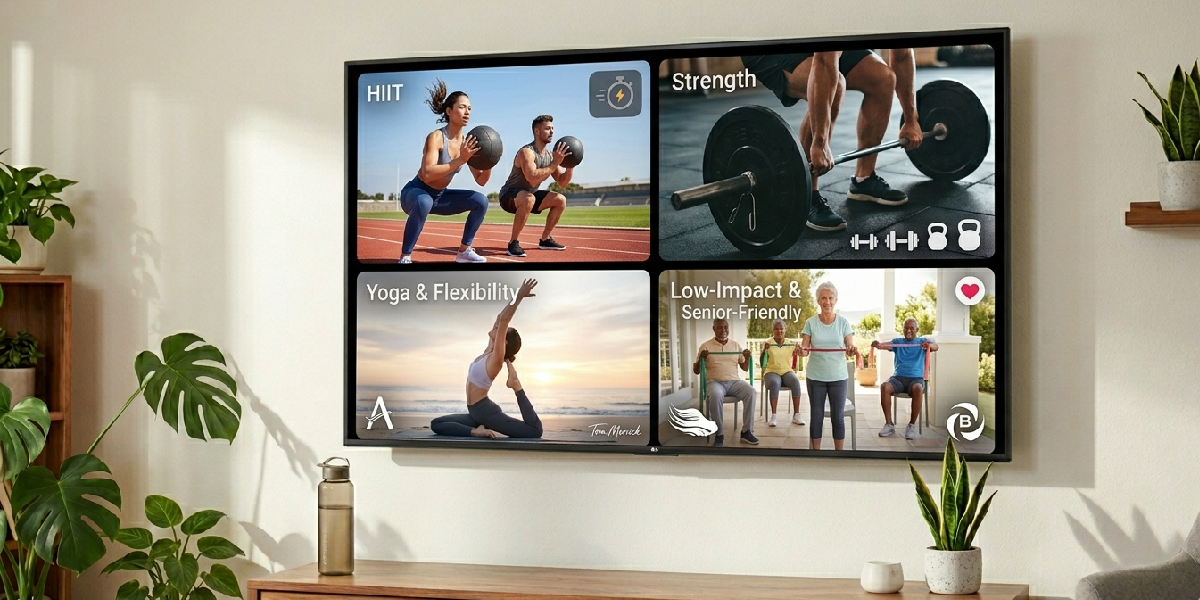
Best Free HIIT Workouts
High-Intensity Interval Training alternates short bursts of intense effort with brief recovery periods. The approach is highly efficient, producing cardiovascular and metabolic benefits in a fraction of the time required by steady-state cardio.
For free HIIT content, Heather Robertson, Sydney Cummings Houdyshell, and Juice and Toya all offer structured, well-cued sessions on YouTube. A typical 20-to-30-minute HIIT session, performed three times per week, is enough to maintain meaningful cardiovascular fitness for most healthy adults.
Best Free Strength Training Videos
Strength training with free workout videos is entirely achievable, whether you have a full set of dumbbells or absolutely nothing at all. Fitness Blender leads the field for dumbbell and bodyweight strength programming.
For barbell training guidance, Jeff Nippard’s channel stands out for its evidence-based, research-cited approach to lifting mechanics and program design — making it one of the most educationally valuable free fitness resources online.
Understanding the principles behind strength training helps you make smarter choices and avoid the plateaus that frustrate so many home athletes.
Best Free Yoga and Flexibility Videos
Yoga with Adriene and Yoga with Tim are both excellent free options. For dedicated flexibility and mobility work, Tom Merrick’s Bodyweight Warrior channel is exceptional. His targeted hip mobility, shoulder mobility, and full-body stretching routines are informed by a thorough understanding of movement science and draw on elements from gymnastics, yoga, and physical therapy.
Consistent flexibility training improves posture, reduces injury risk, and meaningfully enhances the quality of your strength and cardio sessions.
Best Free Low-Impact and Senior-Friendly Workouts
Low-impact exercise is not a compromise — it is often a smarter, more sustainable approach to long-term fitness, particularly for those managing joint issues, recovering from injury, or returning to exercise after a long break.
SilverSneakers on YouTube offers a comprehensive library of gentle, effective workouts designed specifically for older adults. For a broader audience, Sydney Cummings and Fitness Blender both tag low-impact options clearly, making them easy to find and filter.
Maintaining regular physical activity across every stage of life is one of the most powerful contributors to long-term health outcomes, and accessible video content removes one of the most common barriers to getting started.
Building a Weekly Routine With Free Videos
Random exercise is better than none, but a structured weekly plan produces dramatically better results. A balanced home workout schedule built around free videos might look something like this:
| Day | Focus | Suggested Duration |
|---|---|---|
| Monday | Full-body strength | 30–45 minutes |
| Tuesday | Low-impact cardio or yoga | 20–30 minutes |
| Wednesday | HIIT or upper body strength | 20–30 minutes |
| Thursday | Active recovery — stretching, mobility | 15–20 minutes |
| Friday | Lower body strength | 30–40 minutes |
| Saturday | Full-body HIIT or dance fitness | 30 minutes |
| Sunday | Rest or gentle yoga | Optional |
The key is choosing videos that match your current fitness level and adjusting as you progress. Most of the channels listed in this guide have beginner, intermediate, and advanced options clearly labeled. Starting too hard is one of the most common reasons people abandon new exercise routines in the first two weeks.
Tips for Getting the Most Out of Free Home Workouts
- Create a dedicated space: You do not need a home gym. A cleared area roughly two meters by two meters is enough for most bodyweight and dumbbell workouts. Consistency in environment helps your brain associate the space with exercise.
- Use a simple tracking method: A notebook, a free spreadsheet, or even ticking off calendar days tells your brain you are building something. Progress tracking, however simple, significantly improves long-term adherence.
- Follow a program, not just individual videos: Channels like Heather Robertson, Fitness Blender, and Blogilates offer structured multi-week programs. Following a program ensures progressive overload, which is the fundamental driver of fitness improvement.
- Combine movement types: A well-rounded routine includes strength, cardiovascular, and flexibility work. Explore the full range of exercise types and techniques to find what works best for your body and lifestyle.
- Prioritize sleep and nutrition: Exercise is the stimulus for adaptation, but your body actually improves during rest and recovery. Adequate sleep and sufficient protein intake are not optional extras — they are where your results are built.
- Be patient with progress: Meaningful, lasting fitness change takes months, not days. The most successful home exercisers are not the ones who start the hardest — they are the ones who keep going the longest.
Frequently Asked Questions
Are free exercise videos as effective as working with a personal trainer?
For most healthy individuals, high-quality free workout videos can absolutely deliver meaningful, lasting fitness results. The primary advantage of a personal trainer is individualized form correction and real-time programming adjustments. If you are managing a specific injury, chronic condition, or have complex fitness goals, in-person guidance may be worth the investment. For the majority of people, however, consistent use of well-produced free content from certified instructors is highly effective.
How many days per week should I work out using free exercise videos?
For general fitness and health, three to five days per week is the sweet spot for most adults. This allows for adequate recovery between sessions while maintaining the frequency needed to drive adaptation. Beginners should start with three days and gradually increase as fitness improves. Rest and recovery days are not optional — they are when your body rebuilds and gets stronger.
Do I need any equipment to follow free home workout videos?
Many excellent free workout programs require no equipment at all and use only bodyweight movements such as squats, push-ups, lunges, and planks. If you want to progress into strength training, a set of adjustable dumbbells or resistance bands is a worthwhile and relatively affordable investment. Some programs also use a yoga mat, a chair, or a sturdy step as minimal props.
Which free workout video is best for beginners?
Yoga With Adriene’s “Yoga for Beginners” and Fitness Blender’s beginner workout series are among the most highly regarded starting points for people new to exercise. Both emphasize form, breathing, and manageable intensity. Heather Robertson also has a dedicated beginner program that introduces fundamental movement patterns progressively across several weeks.
Can I lose weight by following free exercise videos at home?
Exercise is a powerful tool in a weight management strategy, but nutrition plays an equally important — many experts would argue more important — role. Free home workout videos can absolutely contribute to a calorie deficit when combined with mindful eating habits. HIIT and strength training videos tend to have the highest post-exercise metabolic effect, meaning your body continues burning more calories after the session ends.
How long should a home workout video session be?
Effective workout sessions can range from 15 to 60 minutes depending on intensity, type, and your current fitness level. Research supports the value of shorter, more intense sessions for time-pressed individuals. A 20-minute HIIT video done consistently three times per week outperforms a 60-minute session attempted once a week. Aim for a duration you can realistically maintain rather than an ideal that becomes a barrier.
Is it safe to work out every day using free exercise videos?
Daily movement is generally safe and beneficial when it is intelligently varied. Daily high-intensity training, however, significantly increases injury risk and leads to overtraining symptoms such as fatigue, poor sleep, and declining performance. A balanced approach mixes higher-intensity sessions with low-impact days, active recovery like yoga or stretching, and at least one full rest day per week.
How do I stay motivated to follow free home workout videos long-term?
Motivation fluctuates for everyone — professional athletes included. The most reliable long-term strategy is building a habit that does not depend on motivation: scheduling workouts at the same time each day, following a structured multi-week program rather than random videos, tracking your progress visually, and finding a channel whose personality and style you genuinely enjoy. Community accountability also helps — sharing your progress with a friend or joining a YouTube channel’s comment community creates social reinforcement that carries you through low-motivation periods.
What type of workout is best for beginners with no fitness background?
Low-impact full-body workouts are the safest and most effective starting point for those with no prior fitness experience. They allow your joints, connective tissue, and cardiovascular system to adapt gradually without excessive stress. Beginner yoga is also excellent for building body awareness, foundational strength, and flexibility simultaneously. Avoid advanced HIIT or heavy strength programs until you have built a solid base over at least four to six weeks of consistent, moderate training.