

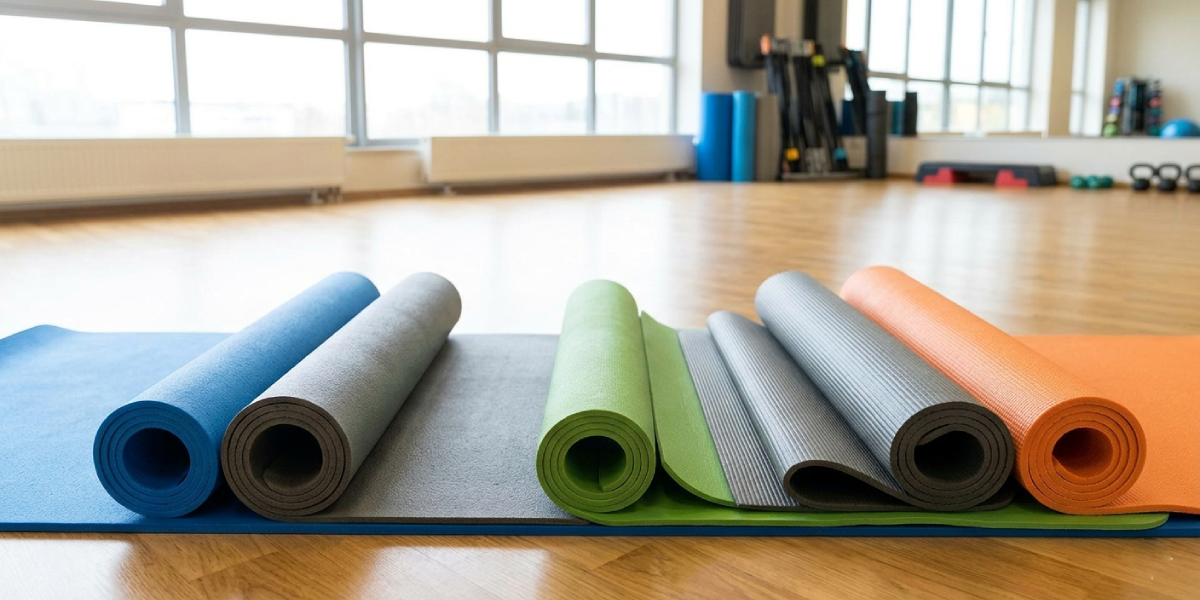
Choosing the right exercise mat for your workout routine is one of the most practical decisions you can make for your fitness setup. The mat beneath you affects your comfort, safety, joint protection, and even your motivation to keep showing up.
With so many options flooding the market, it helps to understand exactly what separates a mat that serves you well from one that leaves you slipping, aching, or replacing it within months.
Why Your Exercise Mat Matters More Than You Think
Most people treat an exercise mat as an afterthought, something grabbed off a shelf without much consideration. But the right mat does far more than cushion the floor. It stabilizes your movements during strength training, absorbs impact during high-intensity sessions, provides traction during yoga or Pilates, and protects both your joints and your flooring.
A poorly matched mat can contribute to wrist strain during push-ups, knee discomfort during lunges, or slipping hazards during dynamic movements. When you invest in a mat that matches your specific activities, you remove a layer of friction from your training and let your focus stay where it belongs, on the work itself.
Key Factors to Consider When Choosing an Exercise Mat
Thickness and Cushioning
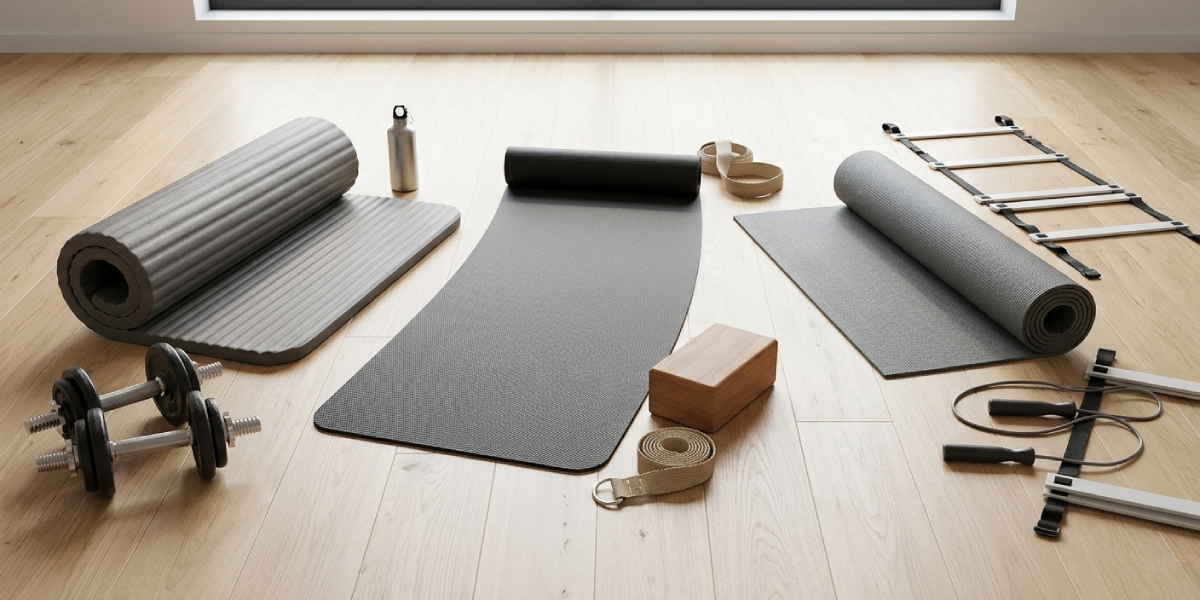
Thickness is probably the single most important variable when selecting a mat, and the right amount depends entirely on what you plan to do on it. Mats generally range from 1/16 inch (about 1.5mm) to 1/2 inch (about 13mm) or thicker for specialty foam mats.
- Thin mats (1/16 to 1/8 inch): Ideal for balance-focused practices like yoga, where feeling the ground beneath you improves stability and proprioception. These are also lightweight and easy to carry.
- Medium mats (1/4 inch): The most versatile option. They offer a good balance of cushioning and stability for general fitness, bodyweight training, and mixed-use routines.
- Thick mats (3/8 to 1/2 inch): Best for floor-based exercises involving the knees, hips, or spine, including stretching, Pilates, or rehabilitation work. They also suit beginners who need extra joint support.
If you have sensitive knees or perform a lot of kneeling exercises, a thicker mat is worth the trade-off in portability. On the other hand, if balance and ground feel are important to your practice, go thinner.
Material and Durability
The material determines how a mat feels underfoot, how long it lasts, how it handles sweat, and whether it suits your values around sustainability. The most common materials include:
- PVC (Polyvinyl Chloride): The most widely used material in fitness mats. It is durable, grippy, easy to clean, and affordable. However, it is not biodegradable and may contain chemicals some users prefer to avoid.
- TPE (Thermoplastic Elastomer): A more eco-friendly alternative to PVC that is free from latex and PVC. TPE mats are lightweight, have decent grip, and are generally recyclable. They tend to be slightly less durable over years of heavy use.
- Natural Rubber: Excellent grip and cushioning, often preferred for yoga. Natural rubber mats are heavier, have a distinct earthy smell when new, and are not suitable for those with latex allergies.
- Cork: Naturally antimicrobial and sustainable, cork surfaces improve grip when wet, making them a standout for hot yoga or sweat-heavy sessions. Cork mats are often paired with a rubber base for stability.
- EVA Foam: A softer, more cushioned option often found in interlocking puzzle-style tiles. EVA is great for home gyms or areas where you want to cover a large floor space affordably.
Texture and Grip
Grip matters enormously during dynamic or balance-intensive movement. A mat with insufficient traction becomes a hazard the moment your palms or feet get damp from exertion. Look for a textured surface on the top and a non-slip backing on the underside.
For yoga, an open-cell surface that absorbs moisture tends to perform better than a closed-cell surface, which resists absorption and can become slippery when wet. For HIIT or general gym use, a closed-cell surface is often easier to wipe down between sessions and holds up better to repeated impact.
Size and Portability
Standard exercise mats measure approximately 24 inches wide by 68 inches long. If you are taller than six feet, or if your routine involves wide lateral movements, consider an extra-long or extra-wide option, often labeled as 72 to 84 inches in length or 26 to 36 inches in width.
Portability matters if you carry your mat to a gym, studio, or outdoor space. Thinner, lighter mats roll into a compact cylinder and pair well with a carrying strap. Thicker mats may require a bag with shoulder support, and some opt to leave them permanently at home.
Matching Your Mat to Your Workout Type
Different exercises and training styles call for different mat characteristics. Here is a practical breakdown to help you match your mat to your movement:
| Workout Type | Recommended Thickness | Best Material | Key Feature to Prioritize |
|---|---|---|---|
| Yoga | 1/8 to 1/4 inch | Natural rubber or cork | Grip and ground feel |
| Pilates | 3/8 to 1/2 inch | PVC or TPE | Cushioning and support |
| HIIT or Cardio | 1/4 to 3/8 inch | PVC or TPE | Durability and traction |
| Strength Training | 1/4 inch | PVC or rubber | Stability and firmness |
| Stretching or Recovery | 3/8 to 1/2 inch | EVA foam or TPE | Softness and joint comfort |
| General Home Use | 1/4 to 3/8 inch | TPE or EVA foam | Versatility and easy cleaning |
How to Evaluate Mat Quality Before Buying
Density Test
A mat that compresses too easily under light pressure will flatten over time and lose its protective qualities. Press your thumb firmly into the surface. A quality mat should push back with resistance rather than bottoming out instantly. This is especially important for mats used in kneeling or prone exercises.
Odor and Off-Gassing
New PVC mats in particular can emit a strong chemical smell when first unrolled. While this typically fades within a few days of airing out, it is worth noting if you are sensitive to chemical odors or prefer a more natural product. Natural rubber and cork mats have their own mild natural scents but do not off-gas synthetic chemicals.
Edge Integrity
Check whether the edges are clean and well-finished. Mats with fraying edges or visible seams from the start are likely to deteriorate quickly under regular use. High-quality mats maintain their shape and edge integrity through hundreds of sessions.
Exercise Mat Care and Maintenance
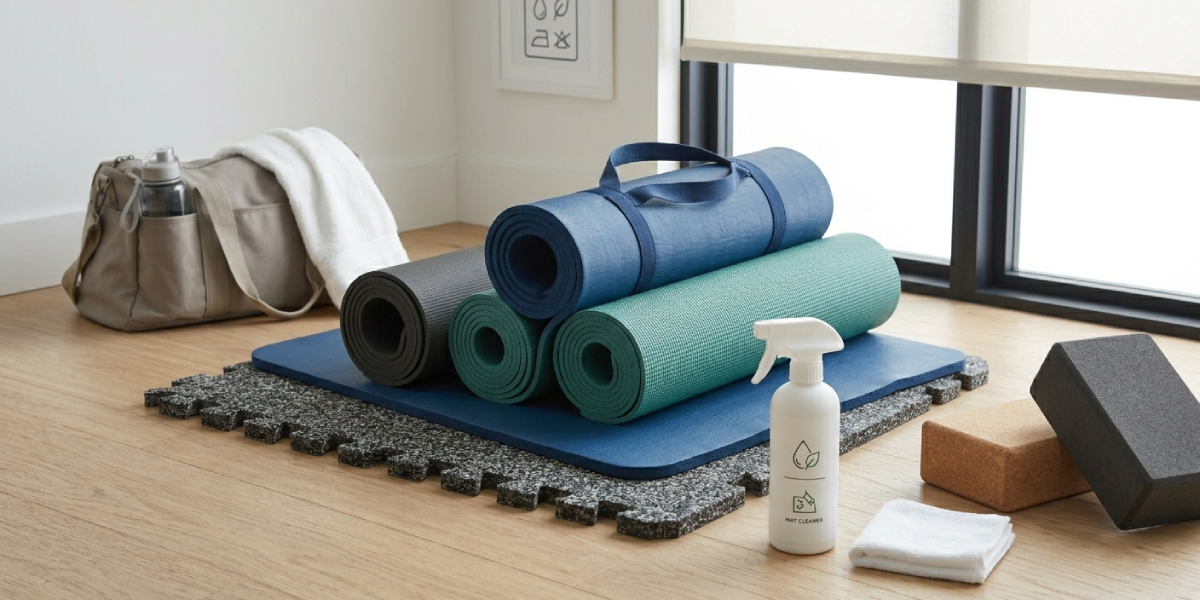
Proper maintenance extends the life of your mat and keeps it hygienic, especially important given that exercise surfaces collect sweat, skin cells, and bacteria. Wipe your mat down after every session with a damp cloth or a mat-safe spray cleaner. Avoid harsh detergents on natural rubber or cork, as they can degrade the surface over time.
Roll mats loosely rather than folding them, which can cause crease damage. Store them away from direct sunlight, as UV exposure weakens most mat materials. A mat kept in these conditions should remain effective and supportive for two to five years depending on usage frequency and material quality.
Understanding the Link Between Equipment and Overall Health
The right mat is more than a comfort upgrade. It is part of a broader approach to exercising safely and consistently over time. Joint protection, correct alignment, and reducing the risk of slipping or overuse injuries all feed directly into your long-term health and physical wellbeing. Small improvements in your workout environment compound meaningfully when you multiply them across months and years of training.
If you are unsure where your current fitness level stands or want to track changes as you build a consistent routine, tools like a BMI calculator can provide a useful baseline for monitoring your progress alongside your training.
Budget Considerations and What You Actually Need to Spend
Exercise mats range from under ten dollars for basic foam options to well over one hundred dollars for premium natural rubber or specialty mats. For most people starting out or training at home with a mixed routine, a mid-range PVC or TPE mat in the twenty to fifty dollar range delivers excellent performance and durability without overspending.
Spending more makes sense if you practice yoga multiple times per week and need reliable grip, if you have knee or hip concerns that require superior cushioning, or if you have strong preferences around eco-friendly materials. Budget options can serve light, occasional use but tend to compress and lose grip faster under heavy training loads.
Frequently Asked Questions
What thickness exercise mat is best for beginners?
Beginners generally benefit most from a mat with 3/8 inch thickness. This provides enough cushioning to protect joints during unfamiliar movements while still offering reasonable stability for balance exercises. As your technique improves, you may find you prefer something thinner for certain practices.
Can I use a yoga mat for all types of workouts?
A standard yoga mat works well for stretching, light bodyweight training, and floor-based exercises. However, thinner yoga mats may not provide adequate cushioning for high-impact activities or extended kneeling, and they can show wear faster under heavy strength training. For diverse routines, a thicker general-purpose mat is a better all-around investment.
How do I know if my exercise mat has enough grip?
A well-gripped mat should not slide on the floor when you shift your weight or perform dynamic movements, and your hands and feet should not slip across the surface during use. If you find yourself readjusting the mat or sliding during exercises, the grip is inadequate for your activity level or the surface beneath it.
Are eco-friendly exercise mats worth the higher price?
For many users, yes. Natural rubber and cork mats offer excellent performance alongside environmental benefits and are free from PVC chemicals. If sustainability matters to you, or if you train in hot conditions where grip when wet is critical, the premium price of cork or natural rubber is justified by performance and peace of mind.
How often should I replace my exercise mat?
Most quality mats last between two and five years with regular use and proper care. Signs that a replacement is due include visible thinning or compression in high-use areas, loss of surface grip, persistent odor that cleaning does not resolve, or material that is visibly breaking down at the edges or surface.
Is a thicker mat always better for joint protection?
Not always. While thicker mats cushion the knees and hips effectively, they can reduce stability during standing balance poses or movements that require ground feedback. The best thickness depends on your specific exercises. A thicker mat benefits floor work and stretching, while a thinner mat suits standing and balance-heavy training.
What is the difference between open-cell and closed-cell exercise mats?
Open-cell mats have a porous surface that absorbs moisture, providing better grip when you sweat but requiring more thorough cleaning. Closed-cell mats repel moisture and are easier to wipe down quickly, making them practical for gym use or high-intensity training, though they can become slippery if not dried promptly.
Can I use an exercise mat on carpet?
Yes, though the experience differs from hard flooring. On carpet, a mat reduces the sinking feeling that soft flooring can cause during exercises. Look for a mat with a textured or non-slip underside even on carpet, as smooth-backed mats can still shift during movement. Thinner, denser mats tend to perform better on carpet than thick foam options.
How do I clean an exercise mat properly?
After each session, wipe the surface with a damp cloth or a diluted spray of water and mild dish soap. For a deeper clean, lay the mat flat and scrub gently with a soft brush, then rinse and hang to air dry fully before rolling. Avoid soaking natural rubber mats or using alcohol-based cleaners, which can degrade the material over time.
Do exercise mat sizes vary, and does size matter?
Yes, size varies considerably. Standard mats measure around 24 by 68 inches, which suits most people under six feet. Taller individuals or those who perform wide lateral movements will benefit from extra-long options measuring 72 to 84 inches. Width becomes important for exercises like side-lying stretches or wide-stance movements where a narrow mat feels restrictive.