

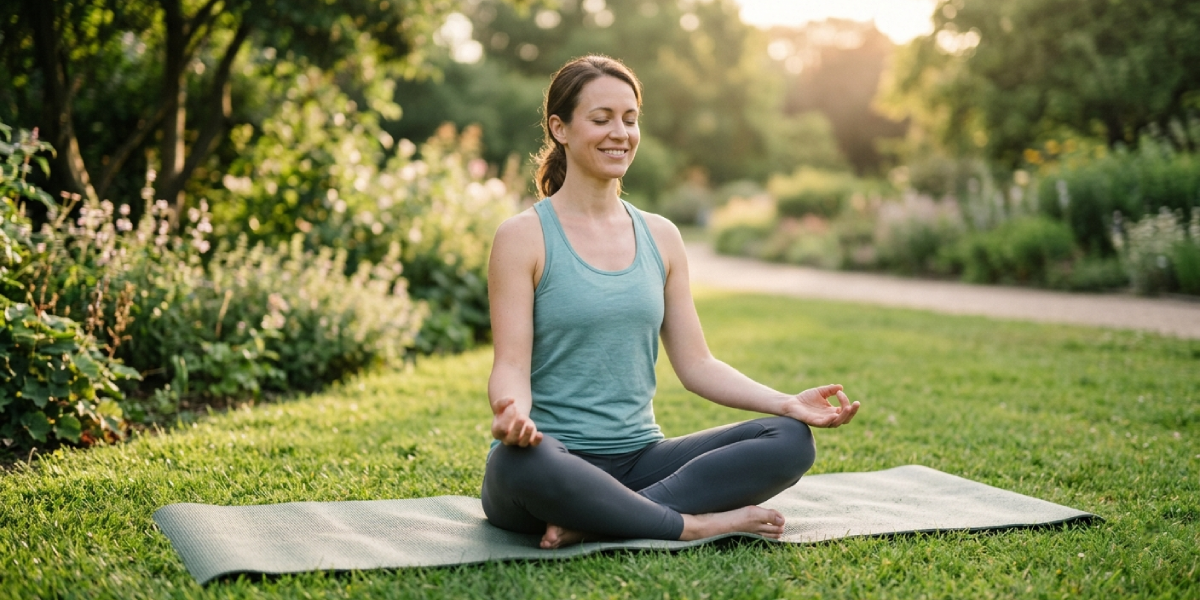
If you have been curious about yoga exercise for beginners, you are in the right place. Yoga is one of the most accessible, evidence-backed, and rewarding fitness practices available today — and you do not need flexibility, a gym membership, or any prior experience to start. All you need is a mat, comfortable clothing, and a willingness to show up for yourself.
This guide walks you through everything a true beginner needs to know: what yoga actually is, the science-supported benefits it delivers, the best starter poses, and how to build a sustainable practice that fits your lifestyle. Whether your goal is stress relief, better posture, weight management, or simply moving more, yoga meets you exactly where you are.
What Is Yoga? A Brief Overview
Yoga is an ancient mind-body practice that originated in India more than 5,000 years ago. The word “yoga” comes from the Sanskrit root yuj, meaning to unite or to yoke — a reference to the union of mind, body, and breath.
While yoga has deep philosophical and spiritual roots, its modern application is widely recognized in the health and wellness community for its measurable physical and mental benefits.
There are many styles of yoga, including Hatha, Vinyasa, Ashtanga, Yin, and Restorative. For beginners, Hatha yoga is often recommended because of its slower pace, focus on foundational alignment, and emphasis on breath awareness. As your confidence and strength grow, you can explore other styles that match your energy and goals.
The Science-Backed Benefits of Yoga Exercise for Beginners
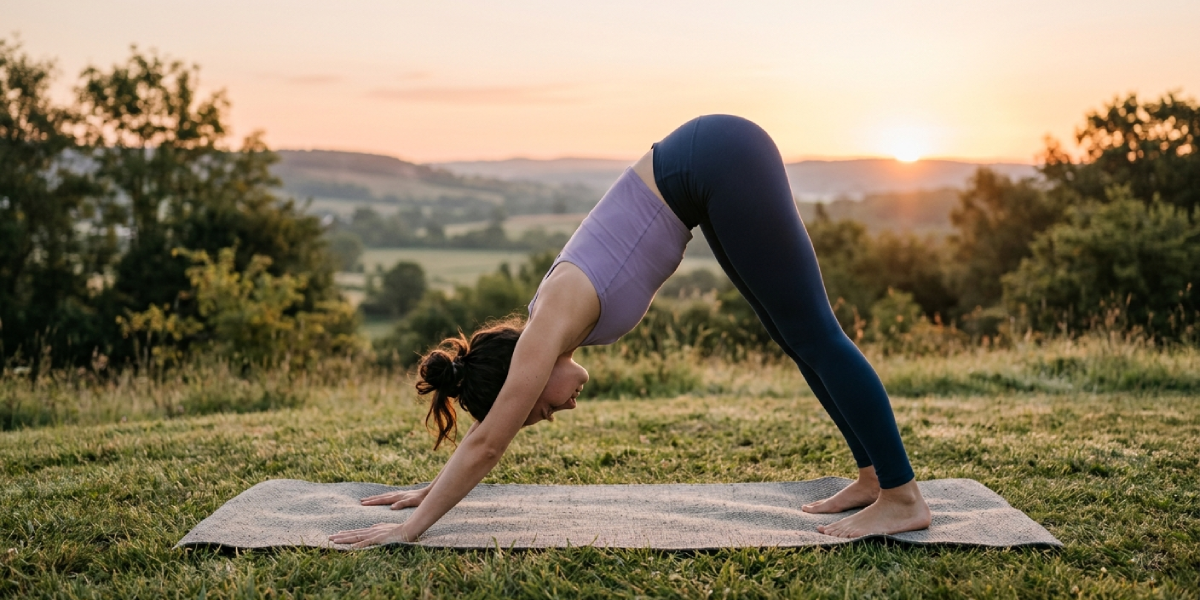
One of the most compelling reasons to start yoga is the breadth of benefits it offers — and these are not just anecdotal. Research published in major journals consistently supports yoga as an effective tool for improving physical and mental health across all age groups and fitness levels.
Improved Flexibility and Mobility
Most beginners report noticeable improvements in flexibility within just a few weeks of consistent practice. Yoga targets connective tissue, muscles, and joints through sustained, mindful stretching. Over time, this reduces stiffness, increases range of motion, and helps prevent everyday injuries — especially in the hips, hamstrings, and spine.
Stronger Muscles and Better Posture
Many yoga poses require you to support your own body weight in new ways, which builds functional strength in the core, arms, legs, and back. Unlike isolated gym exercises, yoga develops balanced muscle engagement. Improved posture is one of the earliest changes beginners notice, particularly those who spend long hours sitting at a desk.
Stress Reduction and Mental Clarity
Yoga activates the parasympathetic nervous system — often called the “rest and digest” response — which counteracts the effects of chronic stress. Focused breathwork, known as pranayama, directly lowers cortisol levels and promotes a calm, alert mental state. Regular practitioners report reduced anxiety, better sleep, and greater emotional resilience.
Cardiovascular and Metabolic Health
While yoga is not typically categorized as a high-intensity cardio workout, dynamic styles like Vinyasa and Power Yoga can elevate your heart rate and support cardiovascular health. Even gentler forms have been shown to improve blood pressure, blood sugar regulation, and cholesterol levels.
For those managing their weight, pairing a yoga practice with mindful eating habits can be highly effective. You can use a BMI calculator to track your baseline and monitor progress over time as your yoga practice develops.
Better Balance and Body Awareness
Yoga trains proprioception — your body’s ability to sense its own position in space. This is especially valuable for older adults, as improved balance directly reduces the risk of falls. Even young, active beginners benefit from the heightened body awareness that consistent yoga practice builds.
Pain Relief and Injury Prevention
Chronic lower back pain, neck tension, and tight hips are among the most common complaints yoga addresses effectively. A 2017 study published in the Annals of Internal Medicine found that yoga was as effective as physical therapy for reducing chronic low back pain.
By strengthening the muscles that support the spine while releasing tension in overworked areas, yoga offers natural, drug-free pain management.
What to Expect in Your First Yoga Sessions
Starting something new can feel intimidating, but yoga is uniquely welcoming. Most beginner classes and online tutorials are designed with zero assumptions about your fitness level. Here is what a typical beginner experience looks like:
- Sessions usually run between 30 and 60 minutes
- You will begin with centering and breathwork to settle the mind
- A warm-up sequence prepares the joints and muscles
- A series of standing, seated, and floor-based poses follows
- Classes end with Savasana, a guided relaxation that helps the body integrate the practice
Do not worry about doing every pose perfectly. Yoga is a practice, not a performance. Modifications and props like blocks, straps, and bolsters are tools — not signs of weakness — and good instructors encourage their use.
The Best Yoga Poses for Beginners to Try
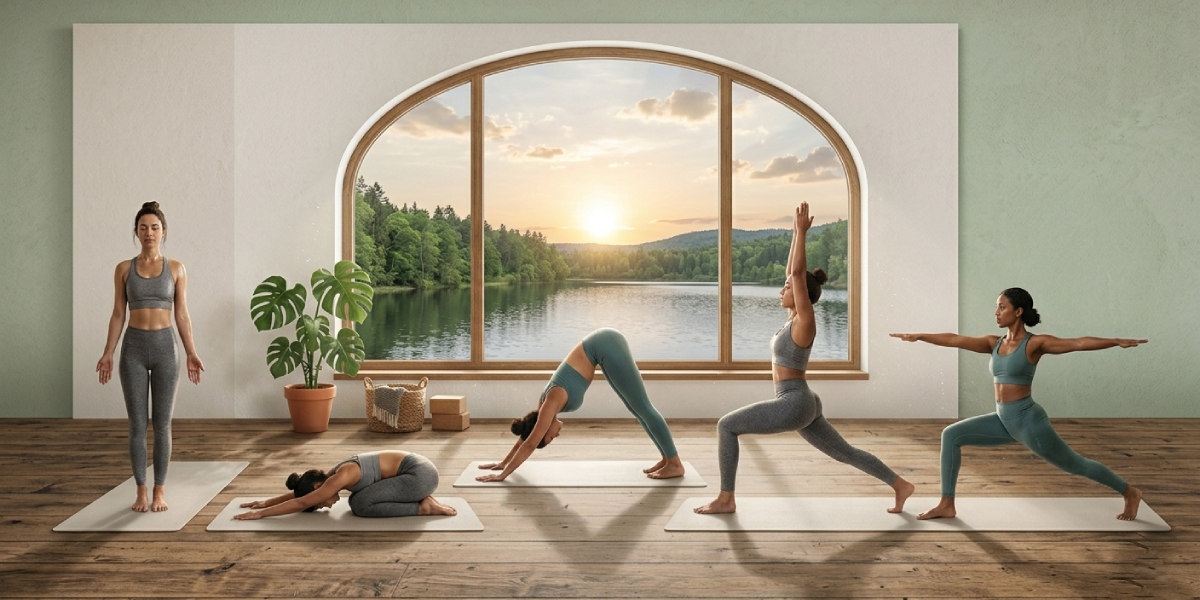
The following poses form the backbone of most beginner yoga programs. They are safe, effective, and provide a strong foundation for more advanced postures as your practice evolves.
Mountain Pose (Tadasana)
Mountain Pose is the foundation of all standing poses. Stand with your feet together or hip-width apart, arms at your sides, and weight evenly distributed across both feet. Engage your thighs, lengthen your spine, and relax your shoulders away from your ears. This seemingly simple pose builds body awareness and proper postural alignment.
Child’s Pose (Balasana)
Child’s Pose is both a resting pose and a gentle stretch for the hips, thighs, and lower back. From a kneeling position, sink your hips back toward your heels and extend your arms forward along the mat, resting your forehead on the ground. Use it whenever you need a moment to breathe and reset during practice.
Downward-Facing Dog (Adho Mukha Svanasana)
One of the most recognized yoga poses, Downward Dog simultaneously stretches the hamstrings, calves, and spine while building strength in the arms and shoulders. From a hands-and-knees position, tuck your toes and lift your hips toward the ceiling, forming an inverted V shape. Keep a slight bend in your knees if your hamstrings are tight.
Warrior I (Virabhadrasana I)
Warrior I builds strength in the legs, opens the hips and chest, and cultivates focus. Step one foot forward into a lunge, bend the front knee to 90 degrees, and raise your arms overhead. This pose develops confidence and stamina — qualities that carry well beyond the mat.
Warrior II (Virabhadrasana II)
From Warrior I, open your hips and arms to the side, extending them parallel to the floor. Warrior II strengthens the legs, improves hip flexibility, and trains the mind to stay present through mild physical challenge. It is a powerful pose that beginners can access with minimal instruction.
Tree Pose (Vrksasana)
Tree Pose is an accessible balance posture that strengthens the standing leg while opening the hip of the raised leg. Place the sole of one foot against the inner thigh or calf (avoid the knee) and bring your hands to your heart or raise them overhead. Use a wall for support if needed.
Cat-Cow Stretch (Marjaryasana-Bitilasana)
This flowing movement between two poses is perfect for warming up the spine. On all fours, alternate between arching your back upward (Cat) and letting it dip downward (Cow) in rhythm with your breath. Cat-Cow relieves tension in the back, improves spinal mobility, and connects movement to breath — a core principle of yoga.
Seated Forward Bend (Paschimottanasana)
Sitting with legs extended, hinge from the hips and reach toward your feet. This pose deeply stretches the hamstrings and lower back. Use a strap around your feet if you cannot reach them comfortably. Focus on lengthening the spine rather than forcing depth — always prioritize form over range.
Bridge Pose (Setu Bandha Sarvangasana)
Lying on your back with knees bent and feet flat on the floor, press into your feet and lift your hips toward the ceiling. Bridge Pose strengthens the glutes, hamstrings, and lower back while gently opening the chest and hip flexors. It is an excellent counter-pose for those who sit for long periods.
Corpse Pose (Savasana)
Often described as the most important pose in yoga, Savasana is a conscious relaxation practiced at the end of every session. Lie flat on your back with arms slightly away from your body and eyes closed. Allow the nervous system to absorb the benefits of the practice. Do not skip it — even five minutes in Savasana significantly enhances recovery and stress relief.
A Sample Beginner Yoga Routine
The following table outlines a simple 30-minute beginner sequence you can practice at home with no equipment other than a mat:
| Pose | Duration | Primary Benefit |
|---|---|---|
| Seated Breathing (Pranayama) | 3 minutes | Calms the nervous system |
| Cat-Cow Stretch | 2 minutes | Warms the spine |
| Downward-Facing Dog | 3 minutes | Full-body stretch and strength |
| Warrior I and II (each side) | 5 minutes | Leg strength and hip opening |
| Tree Pose (each side) | 3 minutes | Balance and focus |
| Seated Forward Bend | 3 minutes | Hamstring and spine flexibility |
| Bridge Pose | 3 minutes | Glute and back strength |
| Child’s Pose | 2 minutes | Rest and hip release |
| Savasana | 5 minutes | Full-body recovery |
How Often Should Beginners Practice Yoga?
Consistency matters more than duration. Practicing yoga two to three times per week is enough for beginners to experience meaningful benefits within the first month. As the practice becomes more familiar, many people naturally increase to four or five sessions per week.
Even a daily 15-minute routine can produce significant results in flexibility, mood, and energy levels over time.
If you are also pursuing other exercise programs, yoga works exceptionally well as a complement. Its emphasis on recovery, mobility, and breath control enhances performance in running, strength training, cycling, and most other physical disciplines.
Safety Tips and Common Beginner Mistakes to Avoid
Yoga is generally safe for most people, but mindful practice protects you from unnecessary strain. Keep these guidelines in mind as you get started:
- Never force a pose. Discomfort is normal; sharp or shooting pain is a signal to stop and reassess alignment.
- Breathe continuously. Holding the breath is a common sign that you have gone beyond your current edge.
- Warm up before deep stretching. Cold muscles are more vulnerable to strain.
- Use props without hesitation. Blocks, blankets, and straps make poses more accessible and safer for all body types.
- Consult your doctor if you have pre-existing injuries, osteoporosis, high blood pressure, or are pregnant before beginning a new yoga routine.
- Start with beginner-level classes and resist the urge to jump into advanced flows before your foundation is solid.
Yoga and Overall Health: A Holistic Perspective
Yoga does not exist in isolation. Its greatest benefits emerge when paired with other healthy lifestyle habits — balanced nutrition, adequate sleep, stress management, and regular physical activity. Understanding your current health baseline is an important first step.
Tracking metrics like body weight and composition alongside your yoga practice helps you see the full picture of your progress. Tools like a BMI calculator offer a useful starting point for assessing where you are and setting realistic, measurable goals.
Beyond the physical, yoga cultivates qualities that support long-term health and well-being: patience, self-awareness, resilience, and the ability to be present. These are not soft skills — they are the foundation of sustainable healthy living.
Choosing the Right Yoga Style as a Beginner
With so many styles available, choosing the right entry point makes a real difference in how quickly you build confidence and enjoyment. Here is a brief guide:
- Hatha Yoga: Slow-paced, alignment-focused, and ideal for absolute beginners
- Yin Yoga: Passive, long-held poses targeting deep connective tissue — excellent for flexibility and stress relief
- Restorative Yoga: Uses props to support the body in complete relaxation — great for recovery and anxiety
- Vinyasa Yoga: Flowing, breath-linked sequences — slightly more dynamic but still accessible to beginners in slower-paced classes
- Chair Yoga: Adapted poses performed seated or with chair support — ideal for seniors or those with mobility limitations
Frequently Asked Questions
Is yoga exercise good for absolute beginners with no fitness background?
Yes, yoga is one of the most beginner-friendly forms of exercise available. It is entirely self-paced, requires no prior fitness level, and can be modified to suit any body type or physical condition. Many people begin yoga after years of inactivity and find it welcoming and immediately beneficial.
How long does it take to see results from yoga as a beginner?
Most beginners notice improved flexibility, reduced muscle tension, and better mood within two to four weeks of consistent practice — typically two to three sessions per week. More significant changes in strength, posture, and stress resilience develop over two to three months of regular practice.
Do I need special equipment to start yoga exercise for beginners?
A yoga mat is the one essential item. Beyond that, comfortable, stretchy clothing is sufficient. Props like blocks, straps, and blankets are helpful but not required — household items like thick books and belts work as substitutes. You do not need special footwear; yoga is practiced barefoot.
Can yoga help with weight loss for beginners?
Yoga can support weight management by building lean muscle, improving metabolic function, reducing stress-driven eating, and cultivating mindful awareness around food choices. Dynamic styles like Vinyasa or Power Yoga burn more calories per session. When combined with a balanced diet and other physical activity, yoga contributes meaningfully to a healthy weight.
Is yoga safe for people with back pain?
In most cases, yes — and yoga is actually one of the most researched non-pharmacological interventions for chronic lower back pain. Poses that strengthen the core and release hip flexor tension are particularly beneficial. However, if you have a specific spinal condition, a herniated disc, or acute pain, always consult a physician or physical therapist before starting yoga.
How is yoga different from stretching or regular exercise?
Yoga is a comprehensive mind-body practice that integrates movement, breath control, and mental focus in a unified system. While it does involve stretching and builds physical strength, it also trains the nervous system, improves breath capacity, and develops psychological qualities like patience and present-moment awareness — benefits that conventional stretching or gym exercise do not specifically target.
What is the best time of day to practice yoga for beginners?
The best time is whichever time you will actually do it consistently. Morning practice is energizing and sets a focused tone for the day, while evening yoga promotes relaxation and better sleep. Some styles — like dynamic Vinyasa — suit morning practice better, while gentle or Yin yoga is particularly well suited to evenings.
Can I practice yoga at home without an instructor?
Yes. Many beginners successfully learn yoga through high-quality online videos and apps. Look for beginner-specific programs that emphasize alignment cues and modifications. If possible, attending even a few in-person classes at the start is valuable for getting real-time feedback on your form. Once you understand the foundational poses, home practice is both practical and effective.
How does yoga benefit mental health in beginners?
Yoga directly influences the nervous system, reducing activity in the stress response and increasing the calming parasympathetic response. Regular practice has been shown to lower cortisol and adrenaline, improve symptoms of anxiety and depression, enhance sleep quality, and build greater emotional regulation. Even a single session produces measurable improvements in mood and perceived stress.
What should beginners wear to a yoga class?
Wear form-fitting or stretchy clothing that allows a full range of movement without bunching or riding up during poses. Yoga leggings, athletic shorts, and fitted tops are ideal. Avoid overly loose clothing that can obscure your alignment or fall over your face in inverted poses. No special footwear is needed — yoga is practiced barefoot.